The railway from Minsk to the National Airport has been promised for a decade and a half. During this time, a train service with a bus transfer was launched and canceled, a decree was issued, a project was drafted, and deadlines were shifted multiple times. Construction finally began in September 2025—though not yet for the line to the airport itself, but for its first stage: the third main track on the Stepyanka—Gorodishche section.
Project and contract documents for the first stage reveal how its price, deadlines, and technical solutions changed. In just a few months, the planned cost of work increased by 34 million Belarusian rubles, and completion was pushed back by almost a year. And all this before work on the airport branch line itself has even begun.

How it came to be
Officials were developing the idea of connecting the capital with the airport by rail as early as 2010–2012. The airport is approximately 40 km from Minsk, and a train was intended to be a fast and convenient way to get there.
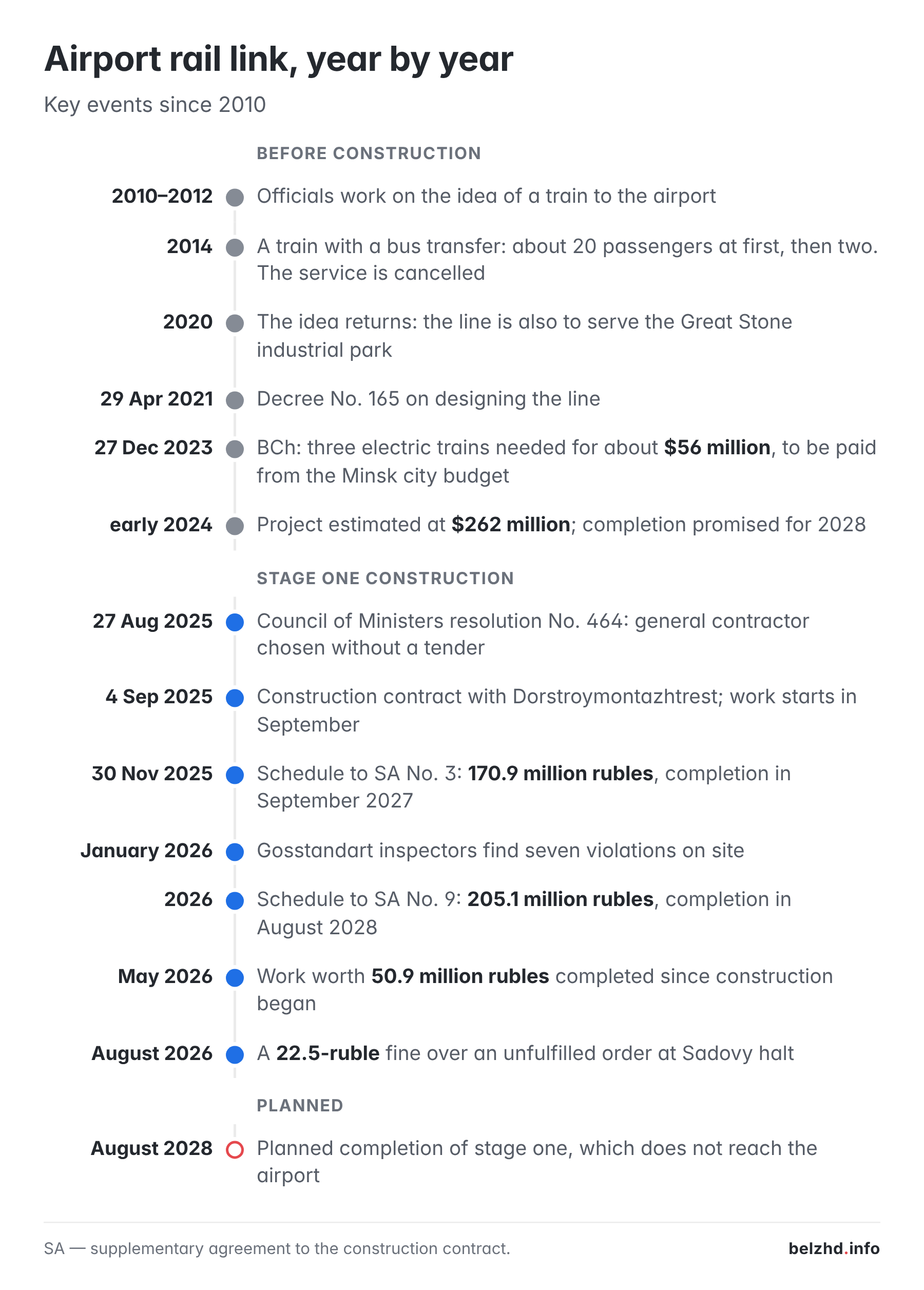
In 2014, BCh even launched a train. But there were no tracks to the airport terminal itself: the journey, according to BCh, took 70 minutes, and passengers were transported by bus from the halt to the airport. Initially, about 20 people rode the train, then only two. The services were canceled, but the idea was not abandoned.
In 2020, the idea was revisited at the state level and in a different form: the line was to connect Minsk not only with the airport but also with the China-Belarus Industrial Park “Great Stone.” On April 29, 2021, Decree No. 165 on the design of high-speed passenger rail service was issued, and public discussions on the environmental impact assessment report took place until December 15, 2022.
With the industrial park, a freight component appeared in the project, which significantly changed its meaning. “Great Stone” is conceived as a major production and logistics hub, and a railway could be useful for it. But one park is not enough: it is necessary to understand which enterprises and how much they will transport along the new line. On the other hand, since it is a freight-passenger project, evaluating it solely as an expensive delivery method for air passengers is also incorrect.
In early 2024, the entire project was estimated at approximately $262 million. It included not only the line to the airport but also the development of tracks on the Stepyanka—Gorodishche section, modernization of signaling, communication, and power supply systems, and an increase in the line capacity of the Minsk railway hub. The facilities were separated and intended to be financed from different sources.
A separate issue is the trains. In a letter to the Ministry of Transport dated December 27, 2023, No. 31-02-04/14602, BCh indicated that three electric multiple units costing approximately $56 million were needed, and they were planned to be purchased from the Minsk budget. In June 2024, a BCh delegation visited Moscow’s “Aeroexpress” to learn from its experience.
Doubts about profitability existed from the very beginning. While still Minister of Transport, Anatoly Sivak stated that direct rail service to the airport could be discussed “when the airport handles 15 million passengers per year.” In its best year, 2019, the airport handled just over 5 million people; in 2023, it was about 2.5 million.
Sivak’s threshold is not the only criterion: much depends on ticket price, train frequency, and schedule convenience. A rail link to the airport could also be built as a social project, without expecting quick returns. But then the goal, future maintenance costs, and the result for which the state spends such money must be clear.
The development of the Minsk hub, as we wrote in summer 2024, was separated into a distinct project: BCh itself is to finance it, from its own or borrowed funds. The first stage of the hub’s development received a positive conclusion from the state construction expert review on December 29, 2023 (No. 716-17/23). Design cost approximately 1.9 million rubles, construction was estimated at 52.4 million, planned to start in September 2024, and finish in February 2027.
Contractor without tender
Construction began in 2025. On August 27, the Council of Ministers adopted resolution No. 464, according to which the general contractor for the first stage was selected through single-source procurement, without a tender. OAO “Dorstroymontazhtrest” became the contractor: on September 4, 2025, BCh signed construction contract No. 98-DST/NOKS/Yu-342 with them. Notably, in the summer of 2025, the construction organization project stated that the general contractor would be determined “based on tender bidding.”
Such a procurement method in itself does not indicate a violation of the law—it was provided for by the government’s decision. But when a facility is built without a tender and with budget money, it is especially important how justified the initial price is, how well the design and estimate documentation is prepared, and who monitors how the price changes afterward.
The first stage is financed from the national budget. For 2025, supplementary agreement No. 3 set a financing limit of approximately 22.8 million rubles.
In February 2026, the project was included in the Ministry of Transport’s directives—the sectoral development plan for the transport complex for 2026. In the plan for monitoring their implementation, approved by BCh order No. 126N dated March 31, 2026, point 2 reads: “Utilization of budget funds provided by the State Investment Program for the investment project on organizing high-speed rail service Minsk—Gorodishche—China-Belarus Industrial Park ‘Great Stone’—Minsk National Airport.” Sergey Novodvorsky, BCh Chief Engineer, and the Capital Construction Organization and Planning Service (NOKS) are responsible for it.
What is actually being built
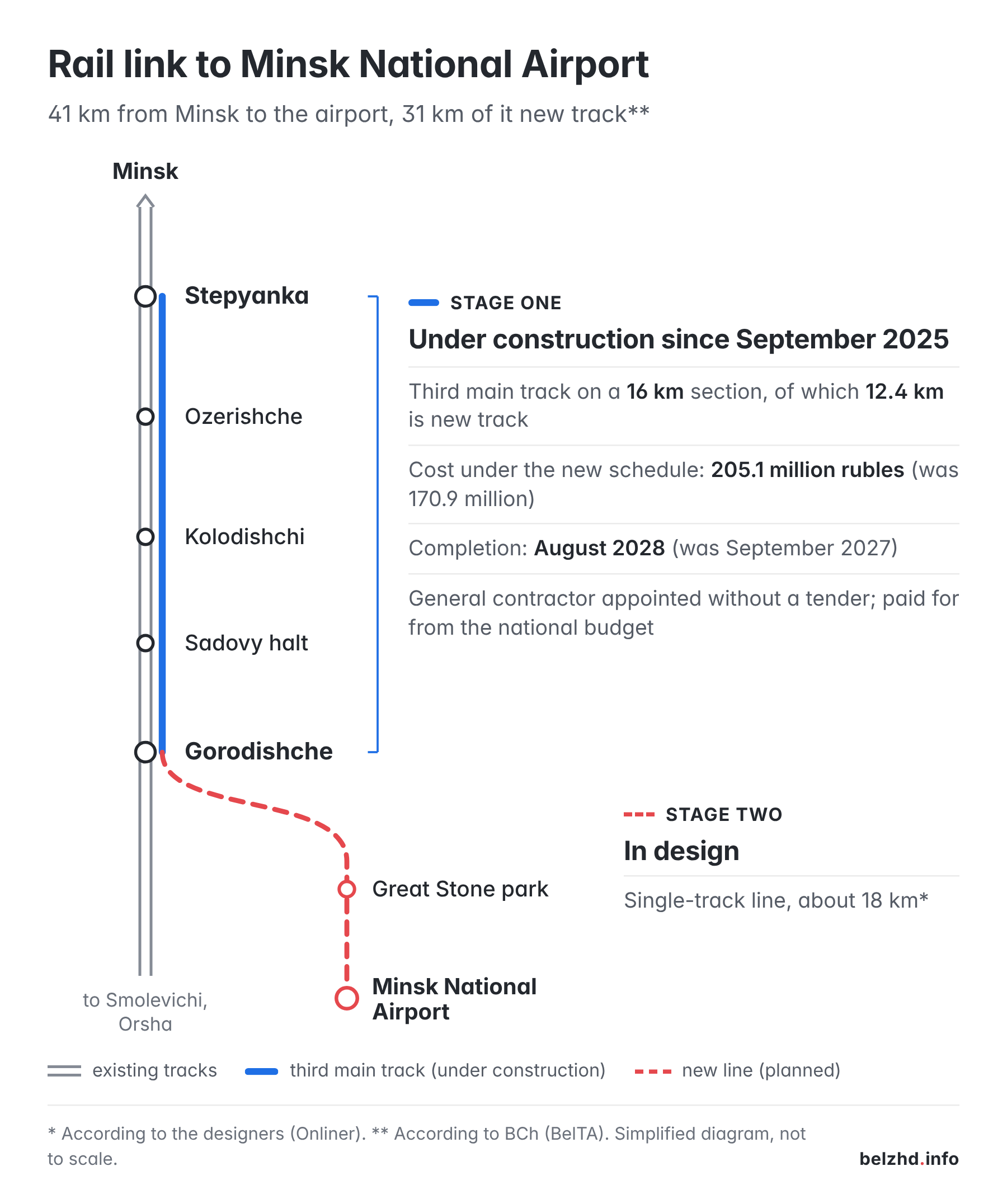
The first stage is the Stepyanka—Gorodishche section, 16 km long, where a third main track is being laid alongside two existing tracks. In total, about 12.4 km of new tracks will be laid on the section. Work is underway at Stepyanka, Ozerishche, Kolodishchi, Gorodishche stations and at the Sadovy halt: tracks are being rearranged, engineering structures, platforms, and networks are being built and reconstructed. For example, the project includes a new overpass over Podlesnaya Street and the extension of a pedestrian bridge at Stepyanka, culverts, and noise barriers.
According to the project, after this, trains to the airport, urban and regional commuter trains, and freight trains will run on the three main tracks. The section is part of Pan-European Transport Corridor No. II, and the third track is needed here not only for the airport: it adds line capacity, allows for more flexible train scheduling, and provides “windows” for repairs.
The line to the airport itself is the second stage: a new single-track electrified line from Gorodishche via “Great Stone” to the airport terminal. According to designers cited by Onliner, it will run along the M2 highway and be about 18 km long. The entire route from Minsk to the airport, according to BCh data cited by BelTA, is 41 km, of which 31 km are new tracks.

New schedule: more expensive and longer
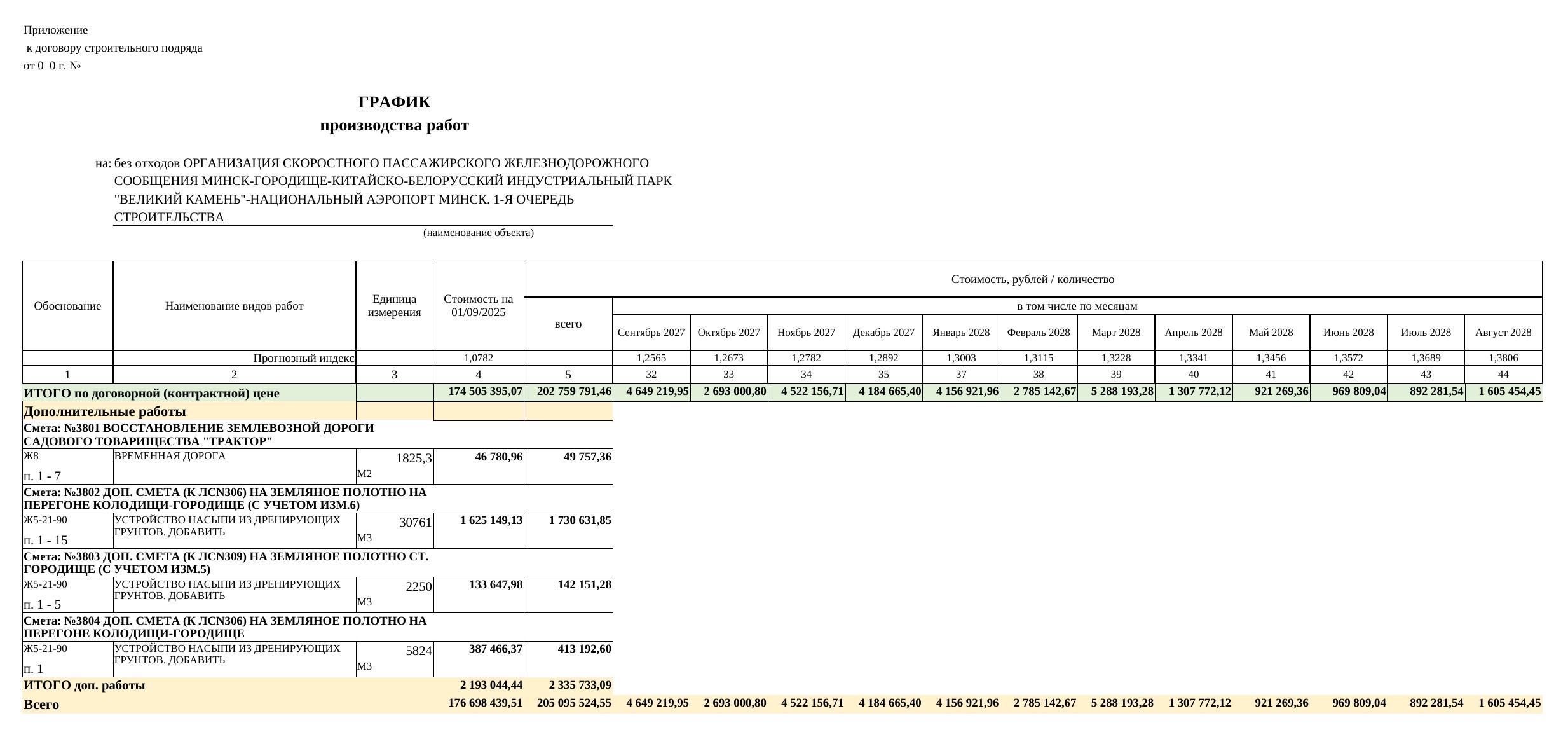
Even at the first stage, the price and deadlines changed significantly. Under the construction schedule as amended by supplementary agreement No. 3 of November 30, 2025, the work cost 170.9 million rubles including VAT and was to be completed in September 2027.
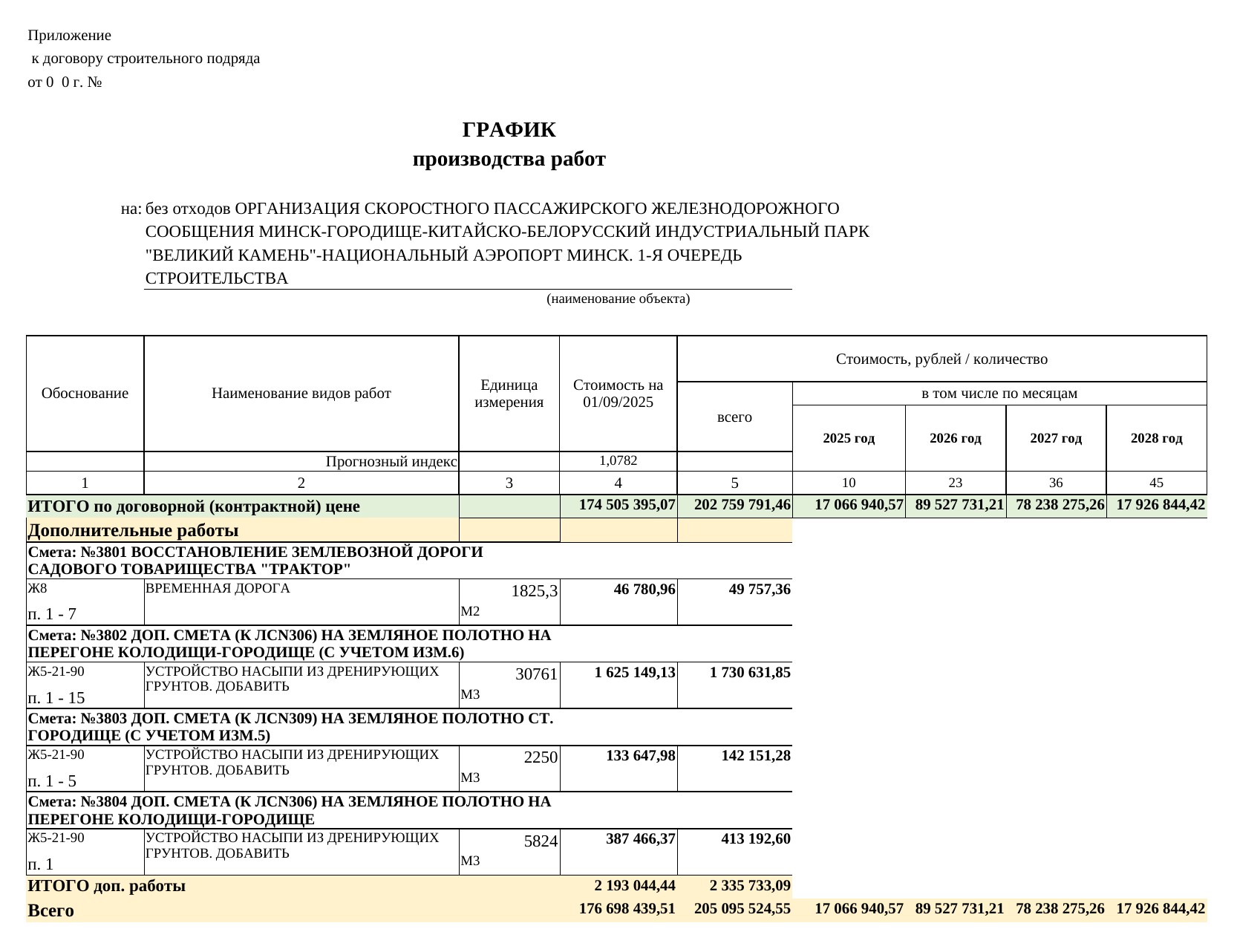
A later schedule, prepared for supplementary agreement No. 9, is already 202.8 million rubles plus an additional 2.3 million for separately accounted additional works, totaling 205.1 million. Its completion date has been moved to August 2028. This means that under the new schedule, the work will cost 34.2 million rubles, or 20%, more and will be completed 11 months later.
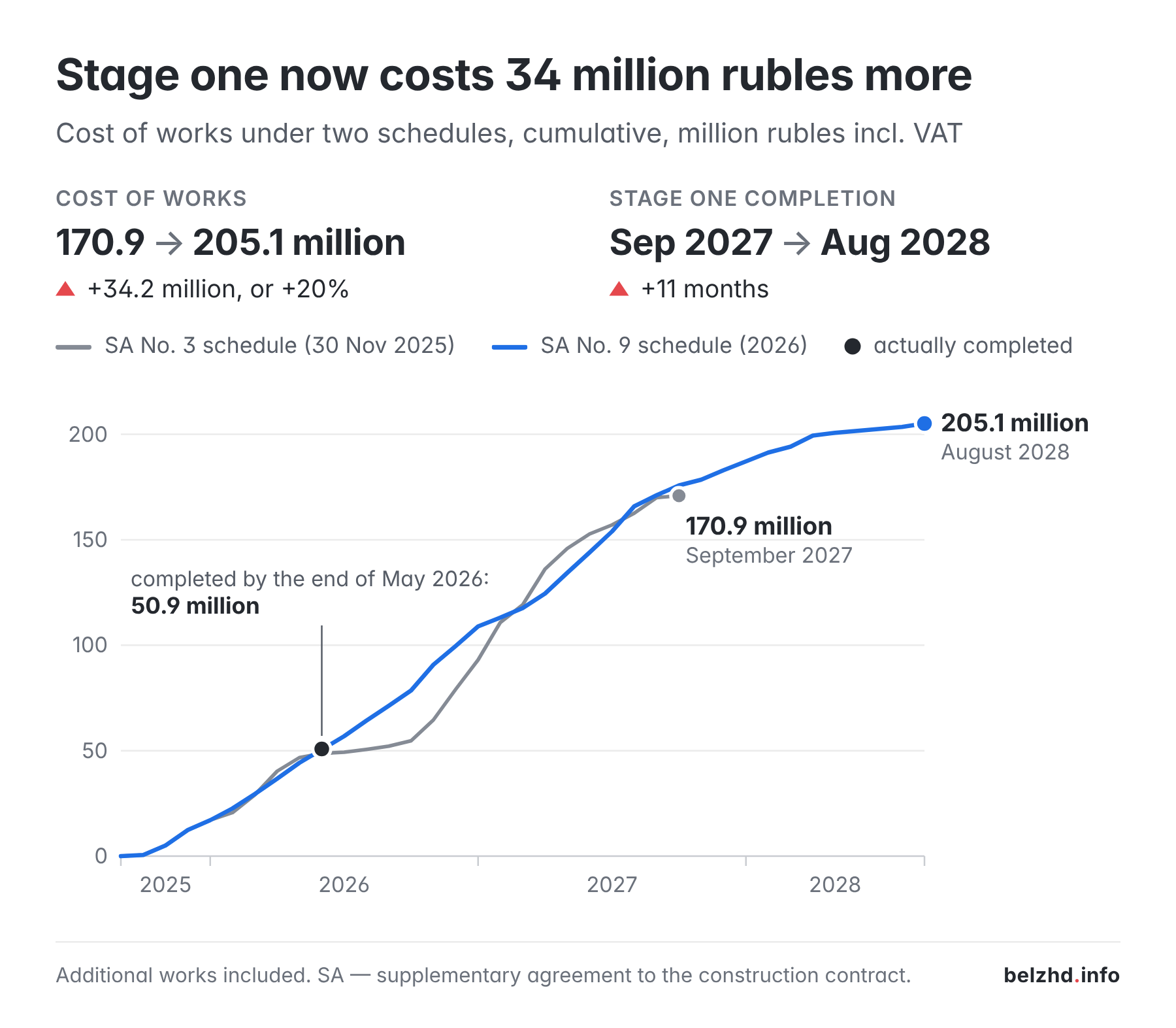
And it was not the original works that became more expensive. The increase came from new works: according to amendment No. 7 to the design assignment, the new schedule added overhead contact system, signaling, and communication at Kolodishchi and Gorodishche stations and adjacent line sections, power supply networks, and reconstruction of the station building in Gorodishche—totaling 35.9 million rubles, of which the overhead contact system accounts for 24.3 million. Conversely, the original works in the new schedule became cheaper by approximately 4 million. And in the 2023 project, signaling, communication, and the overhead contact system on this section were attributed to a separate investment project.
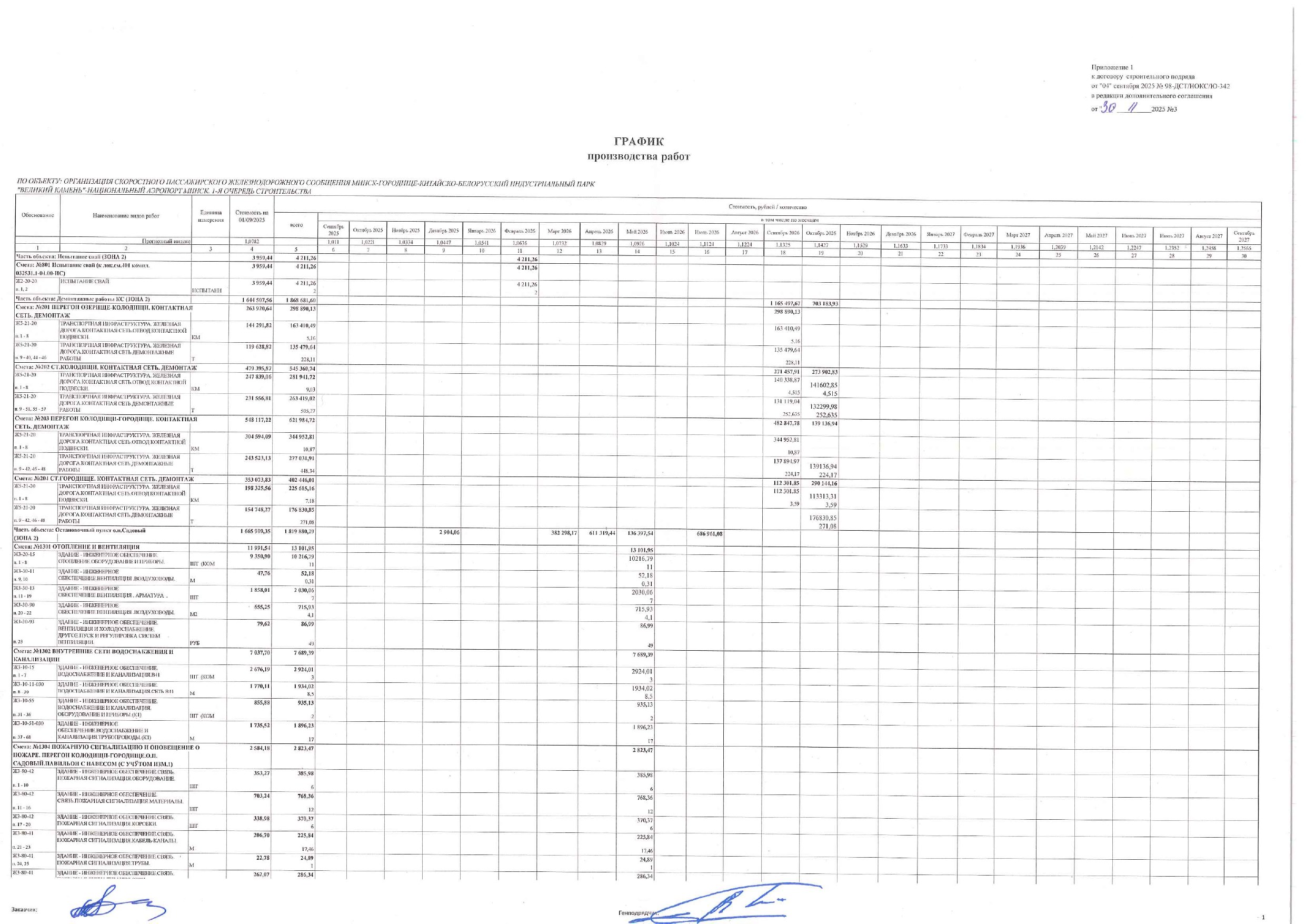
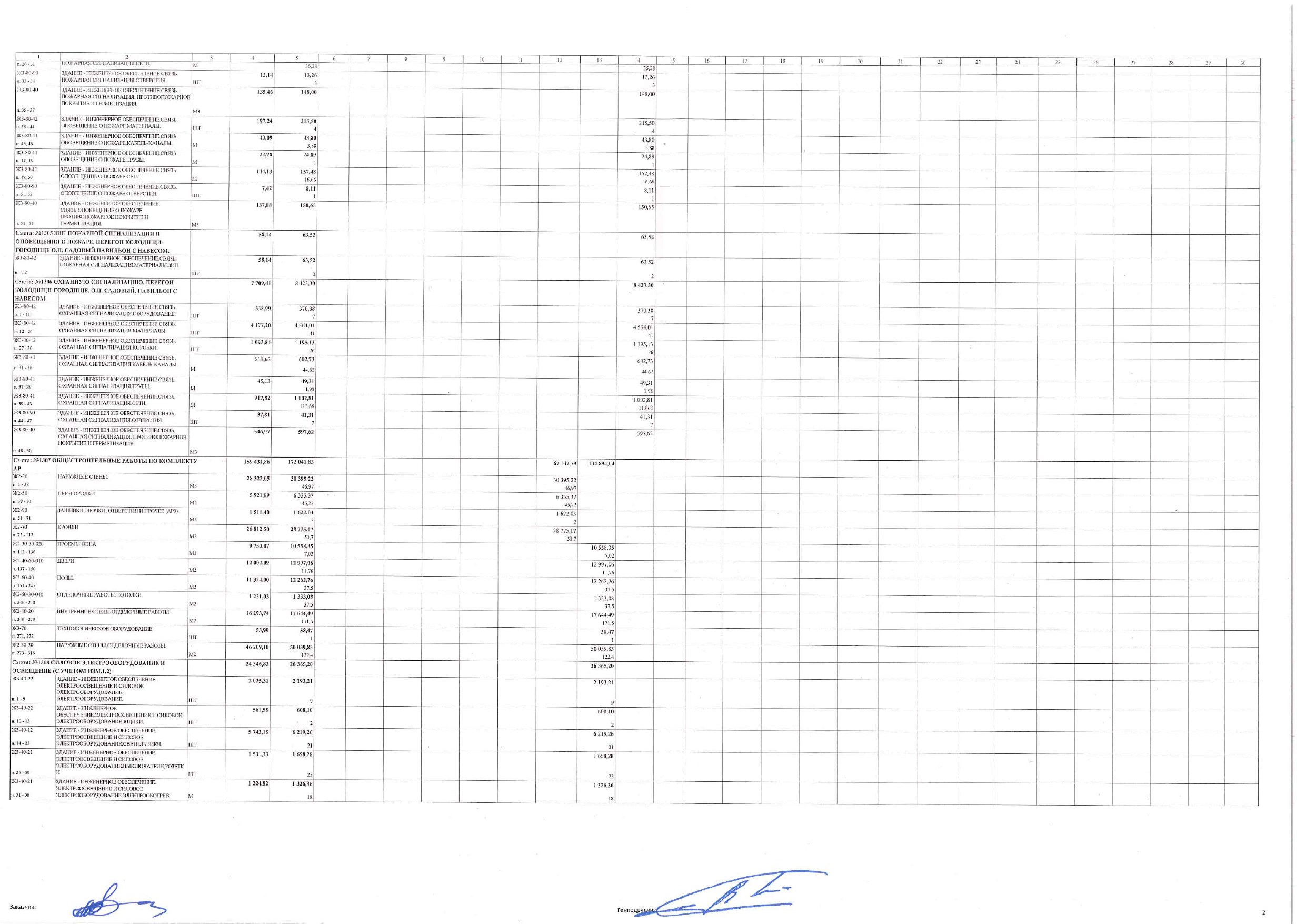
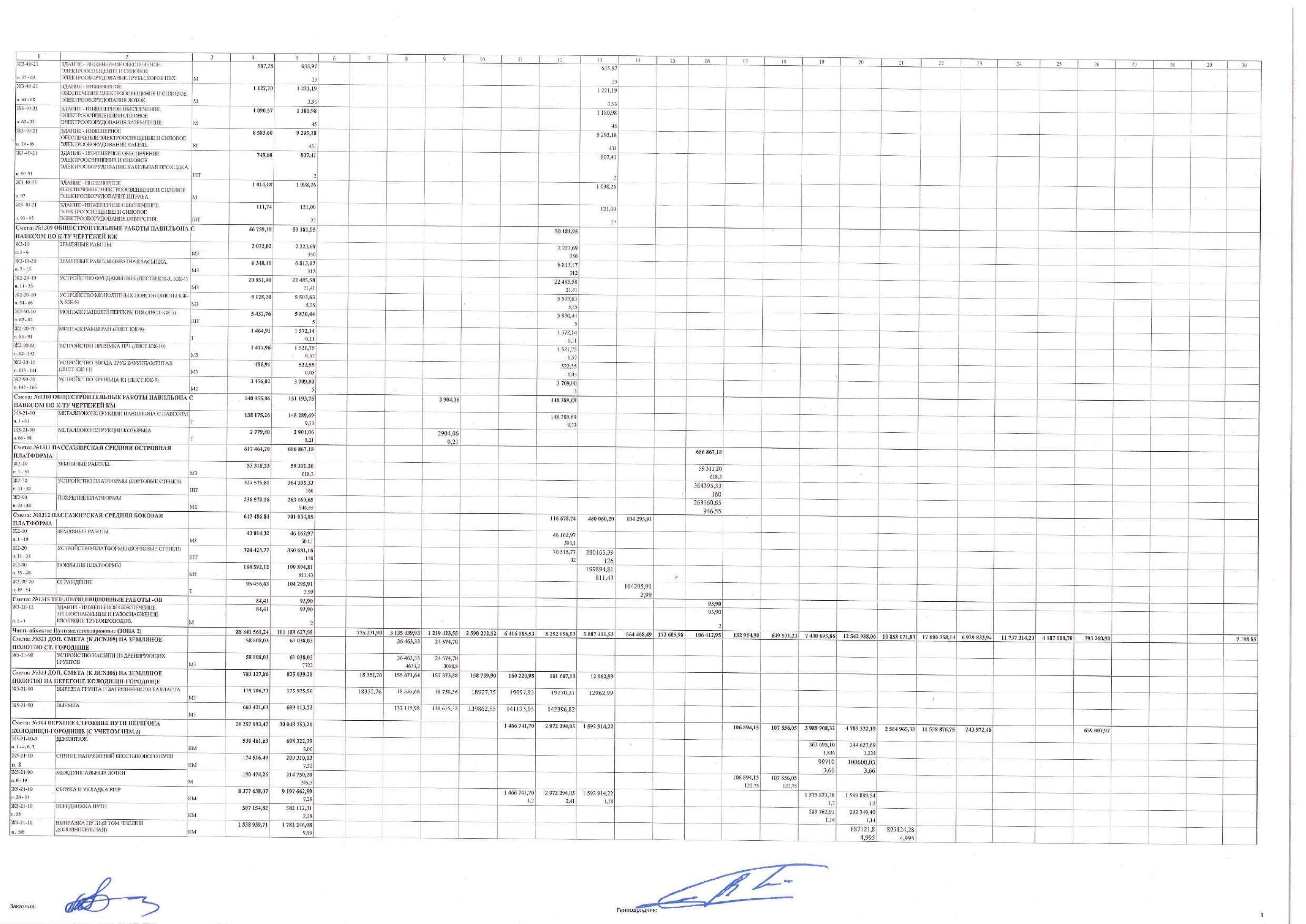
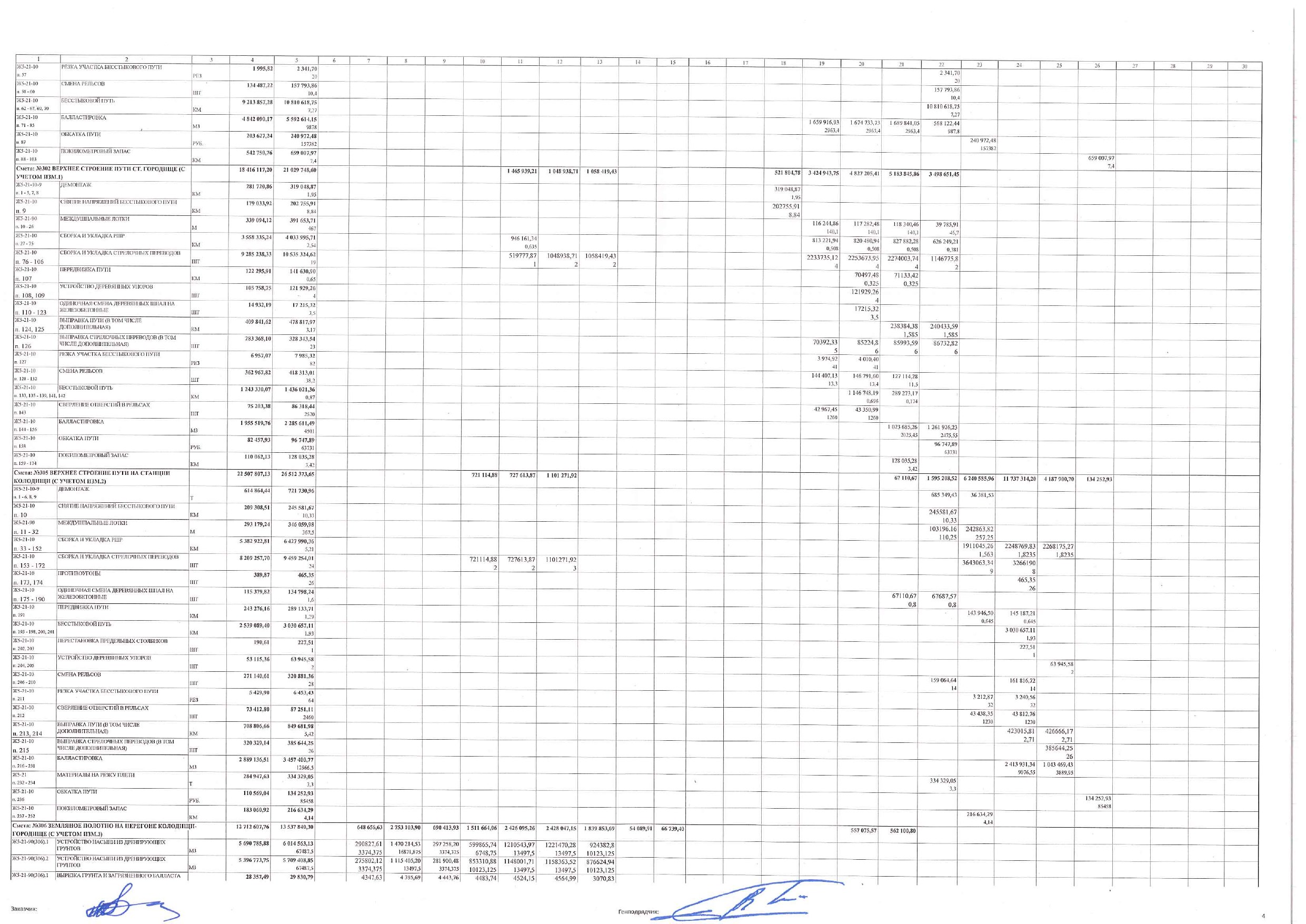
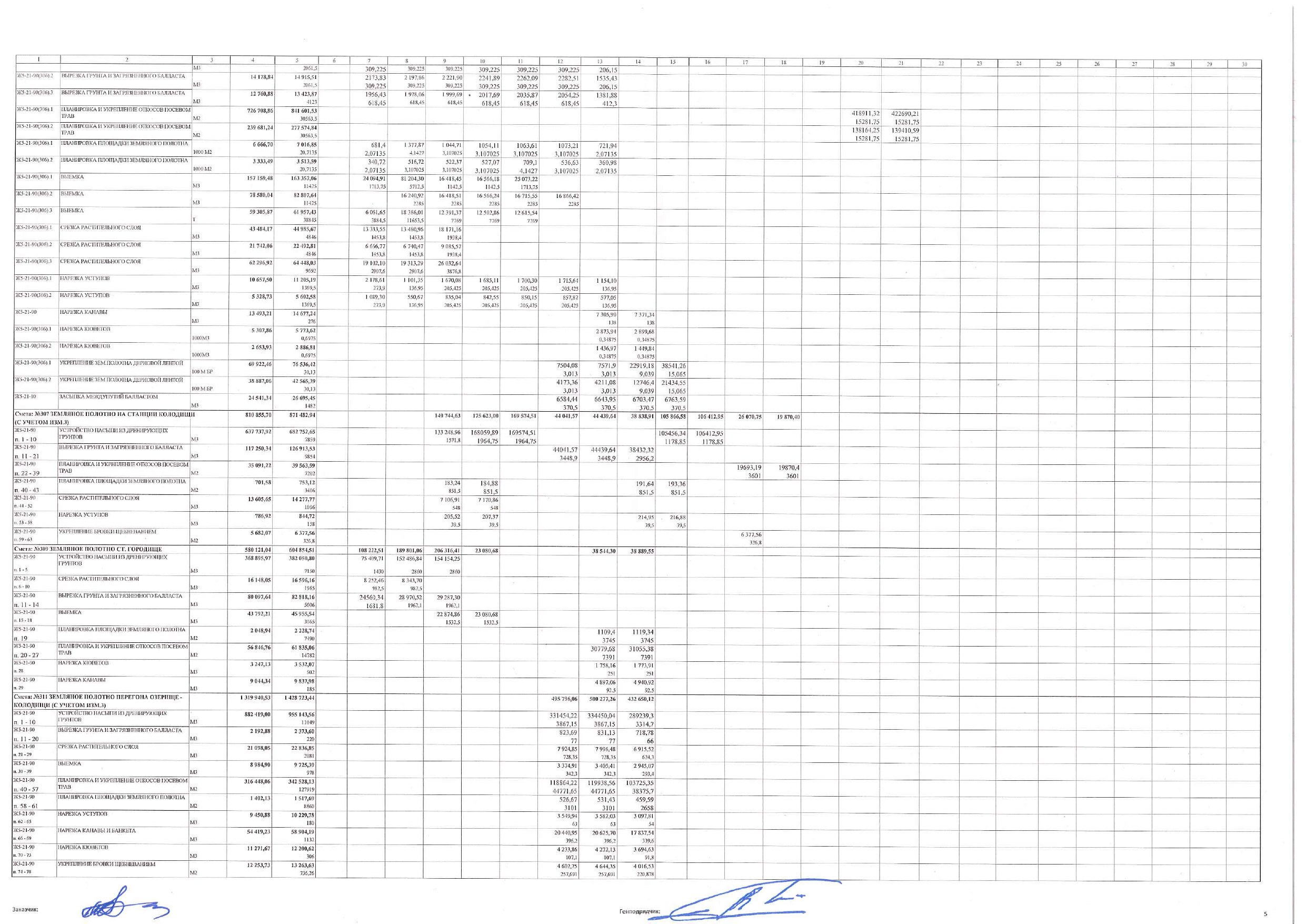
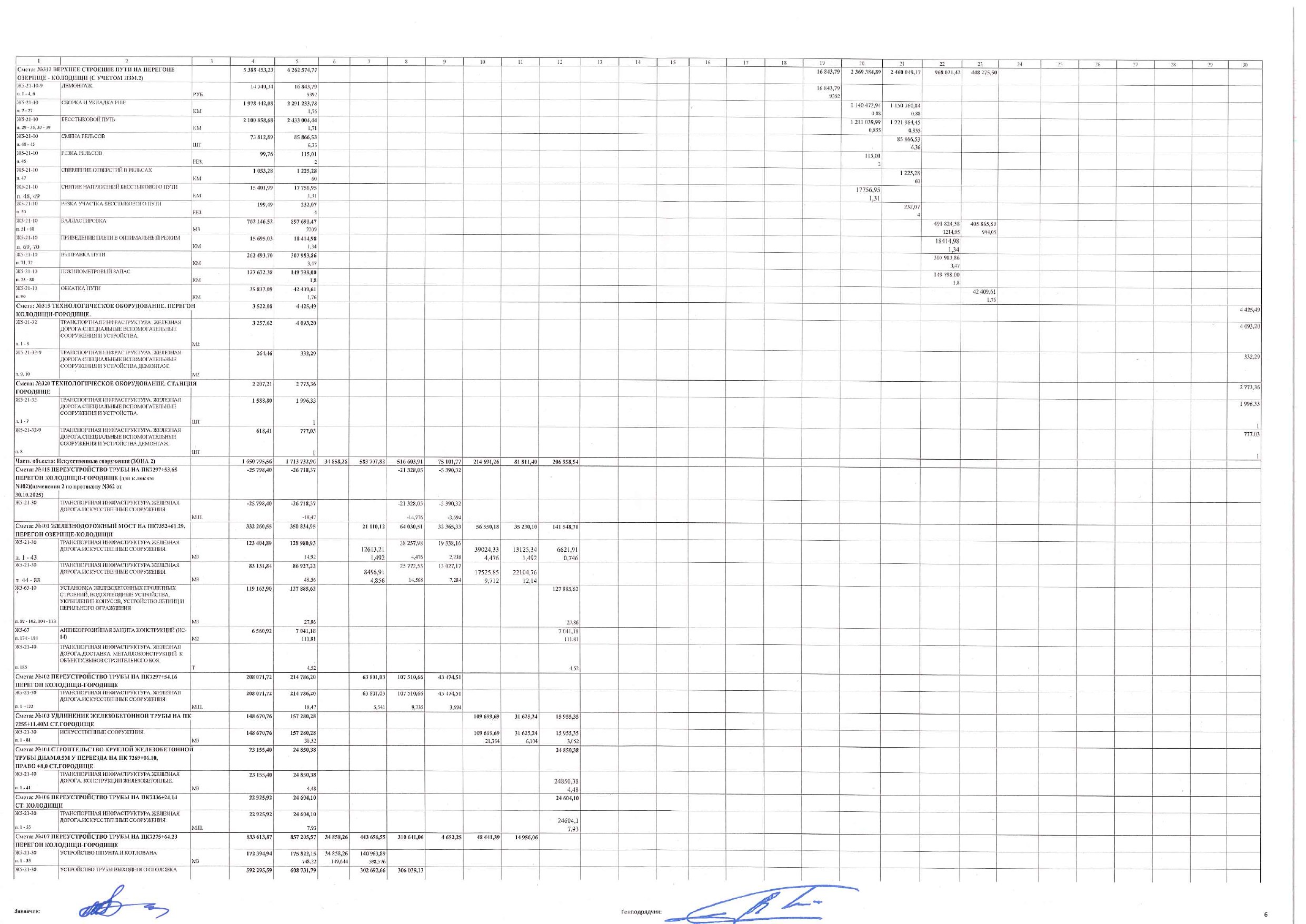
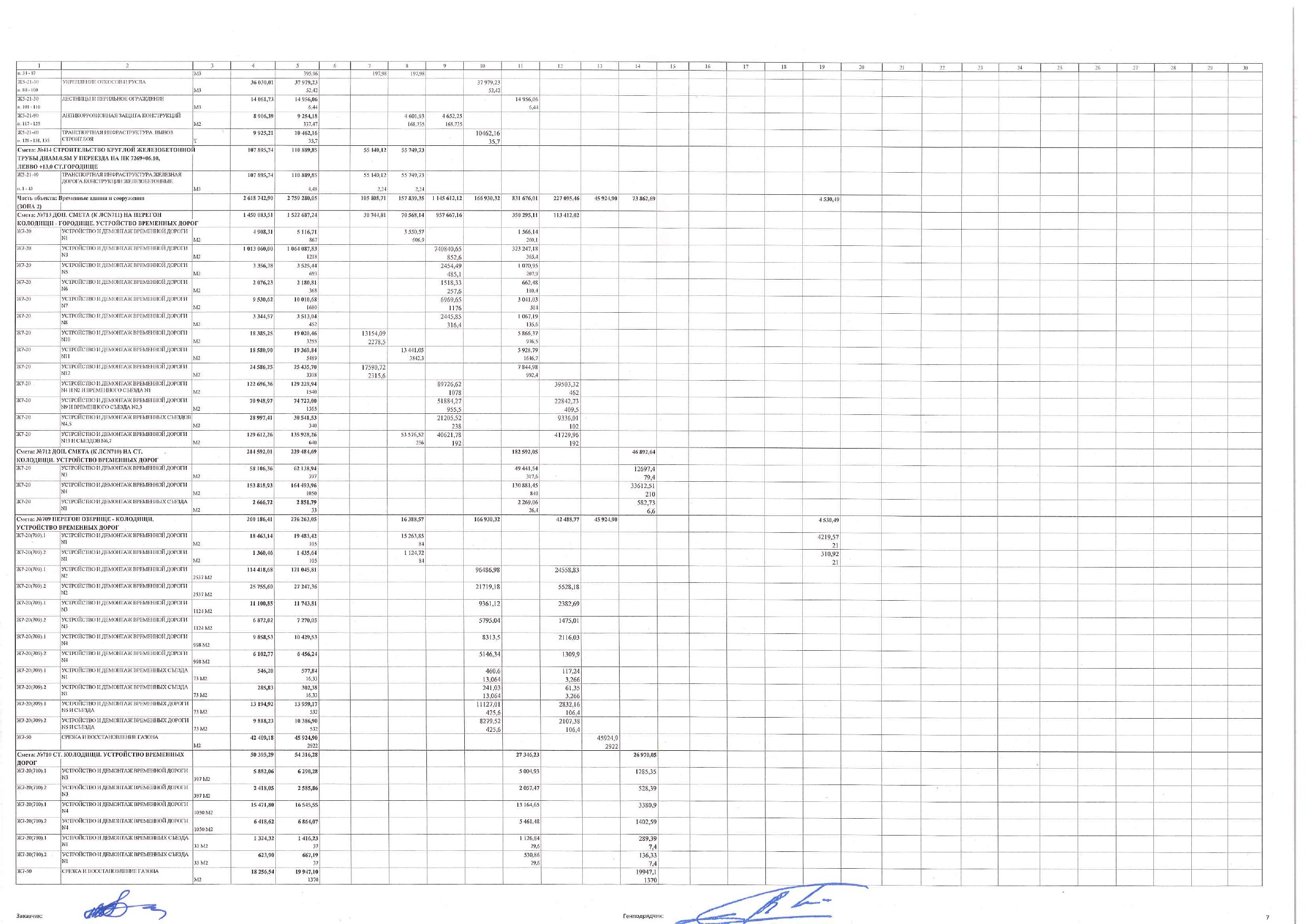
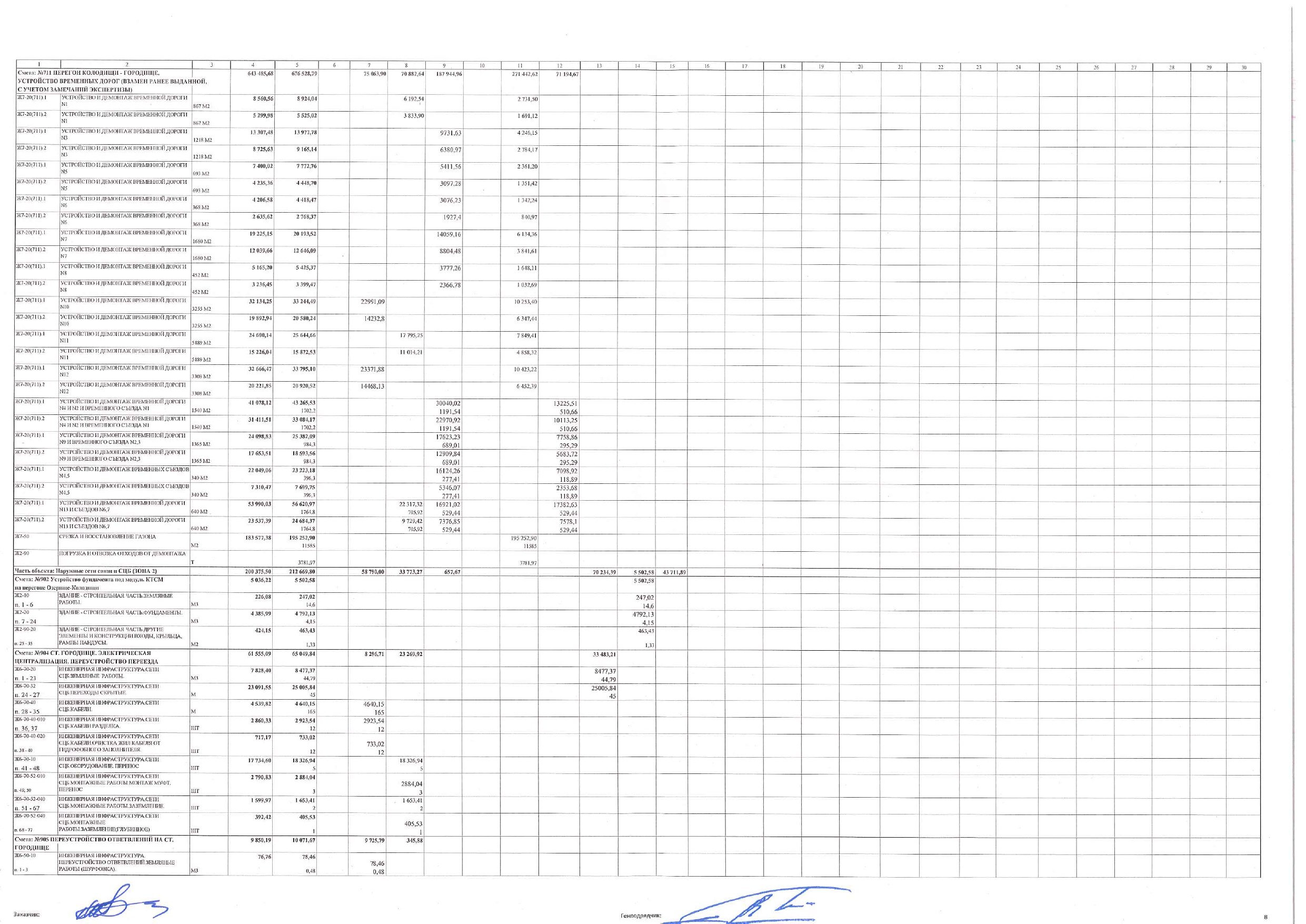
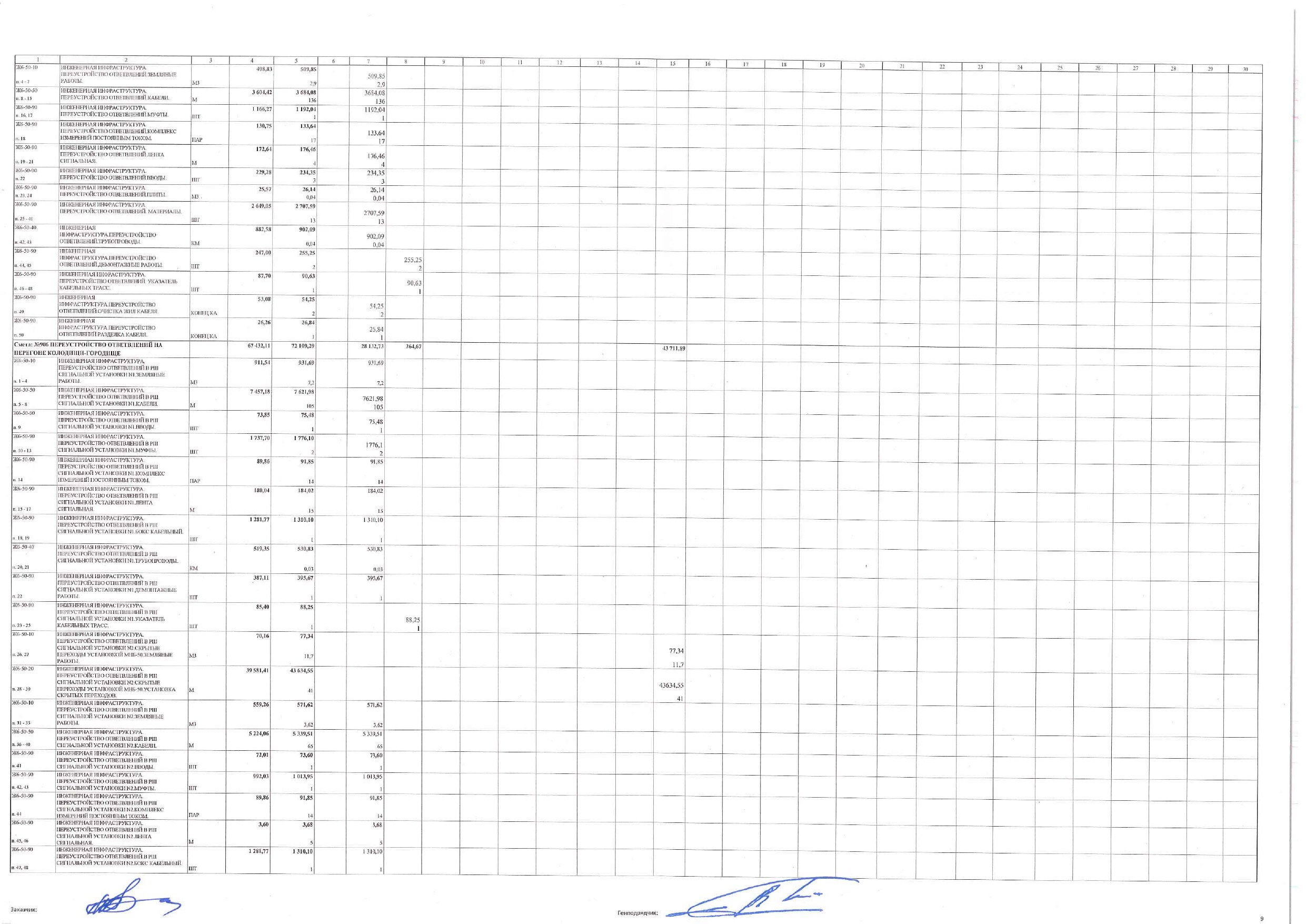
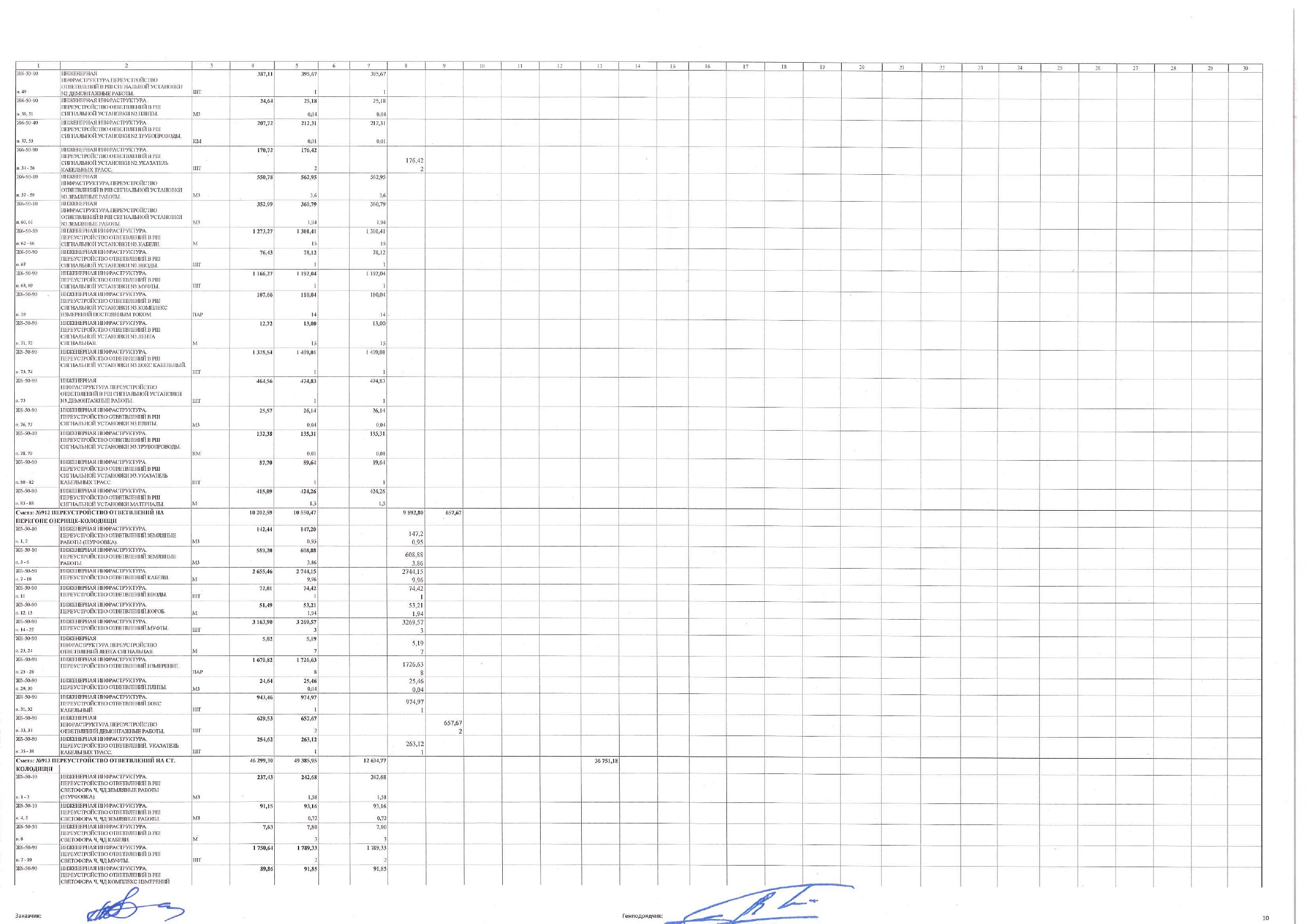
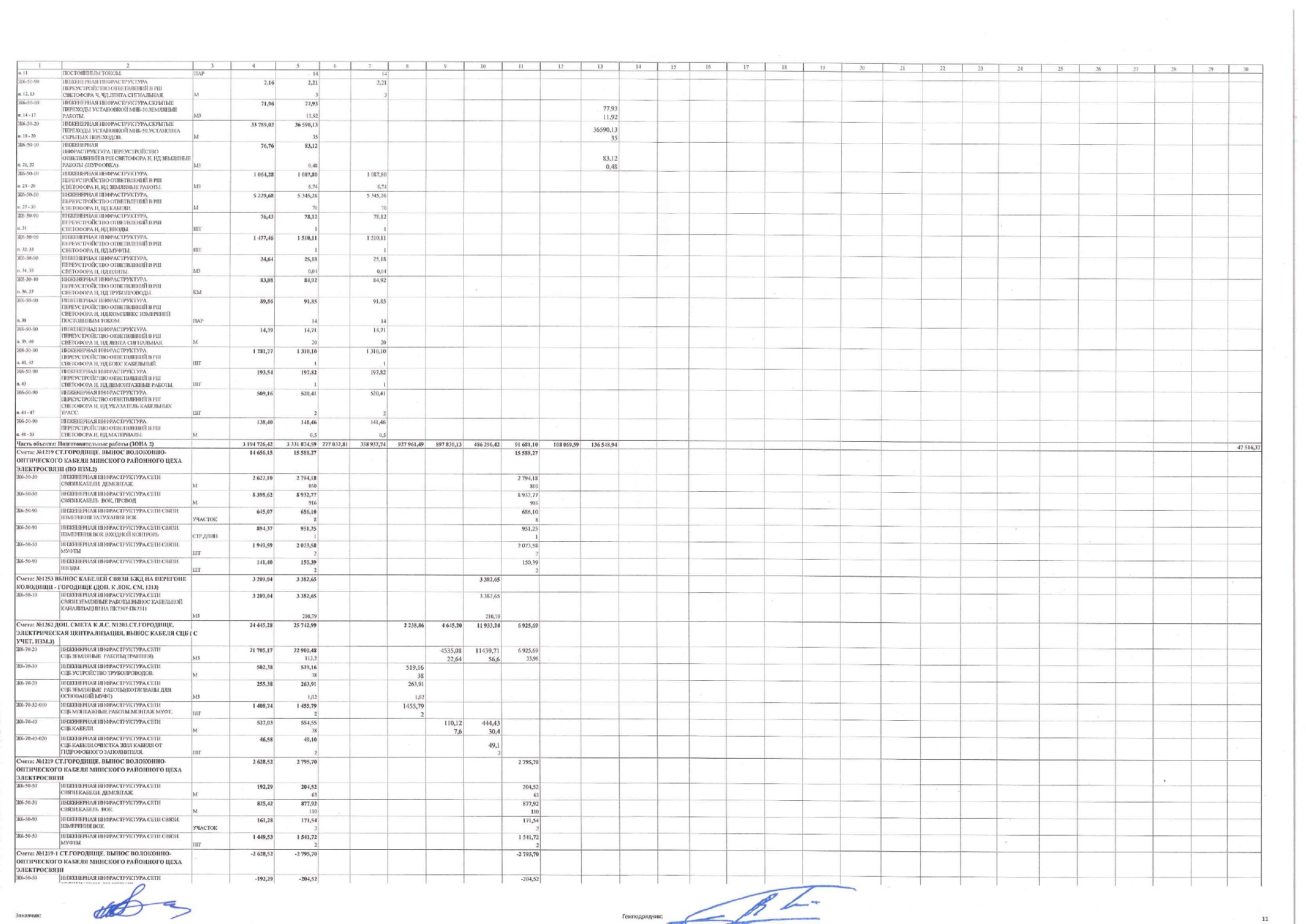
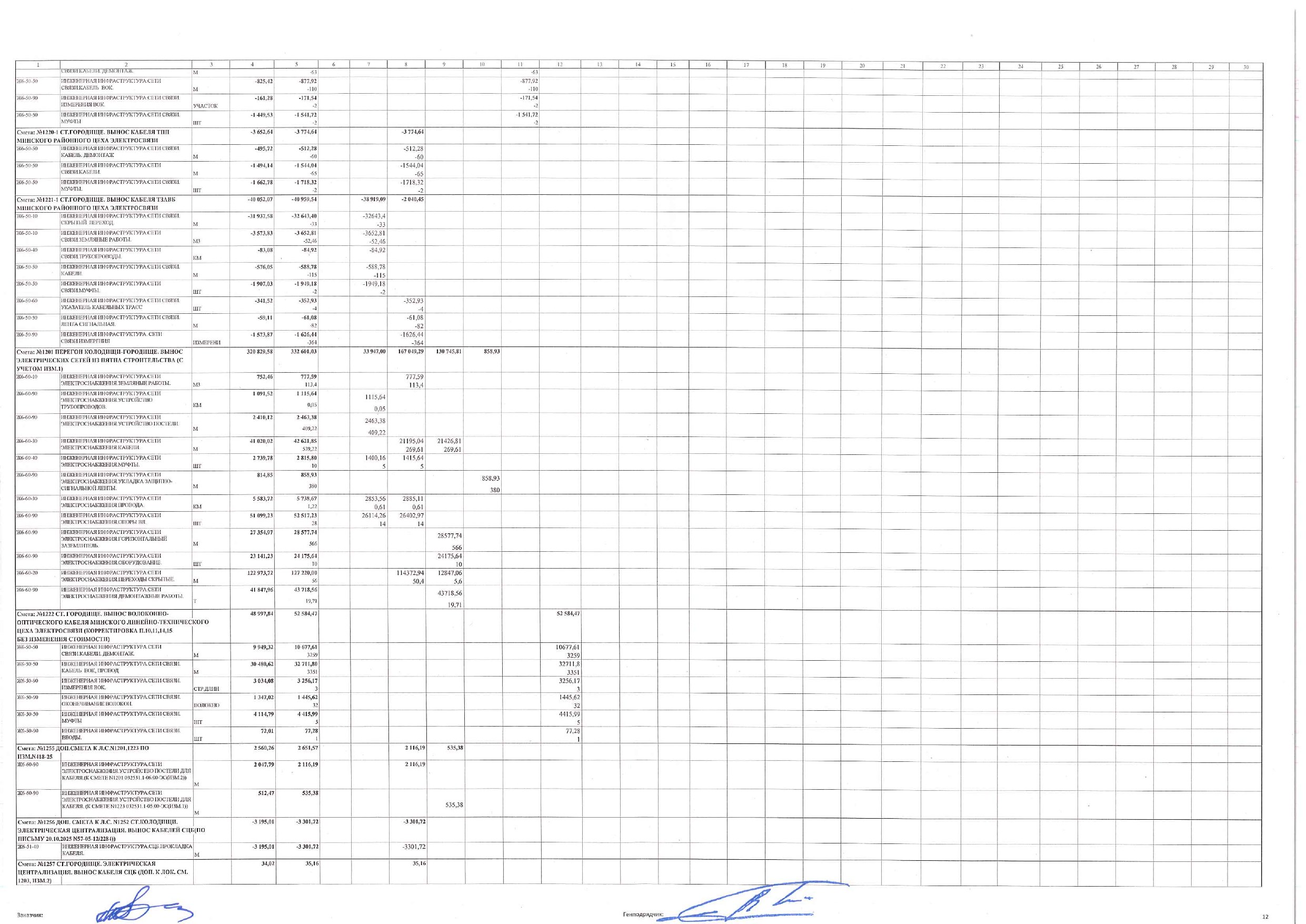
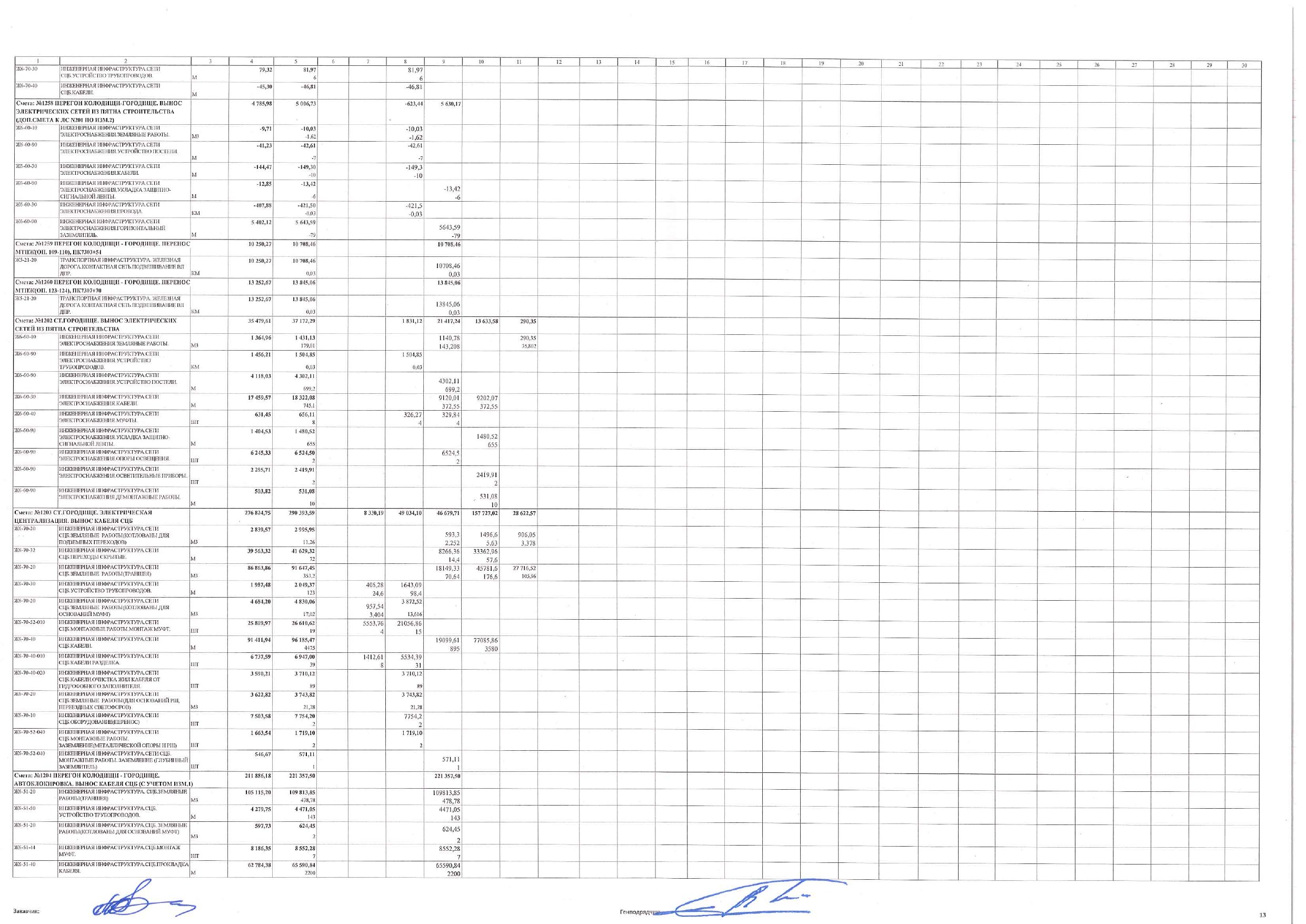
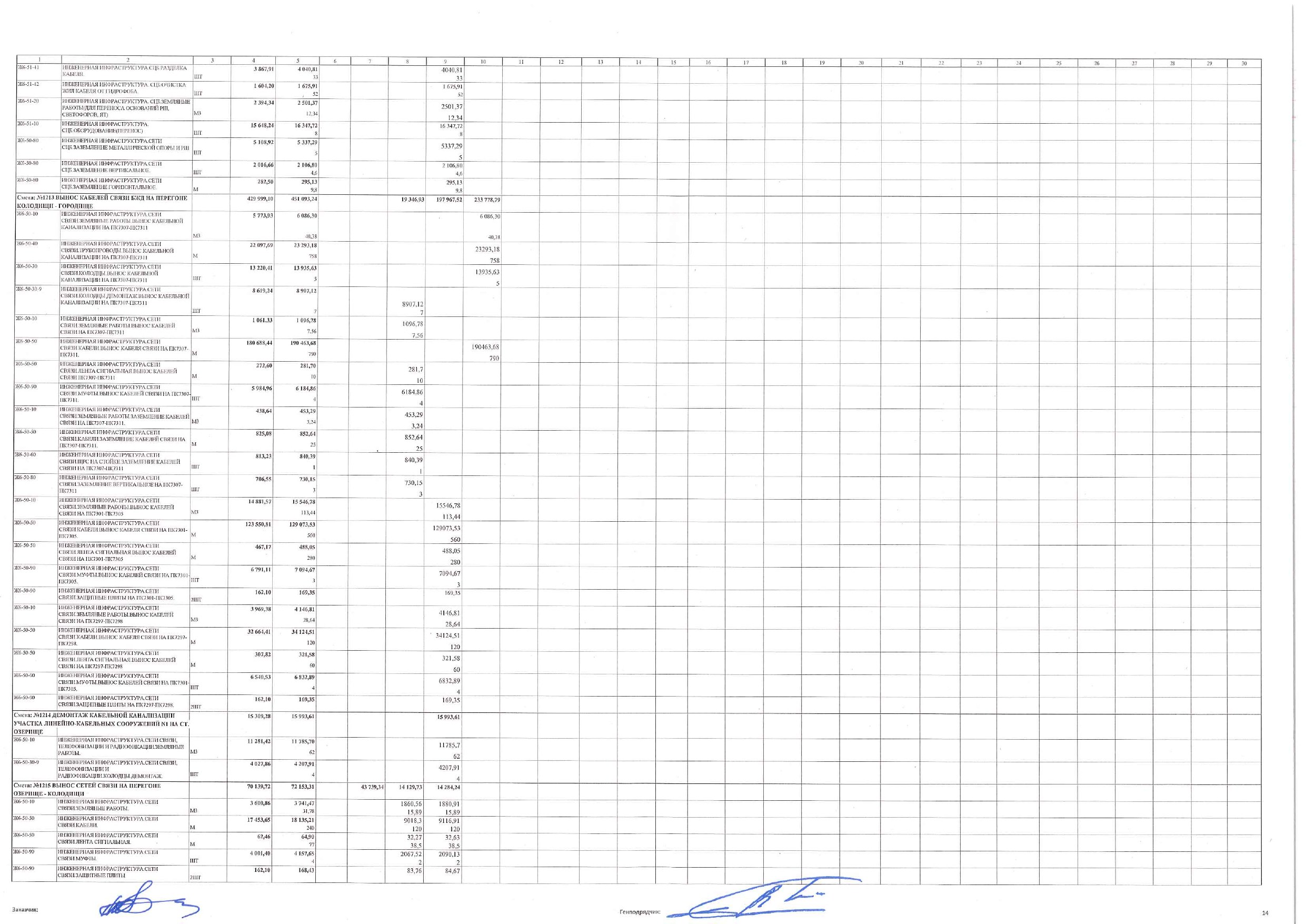
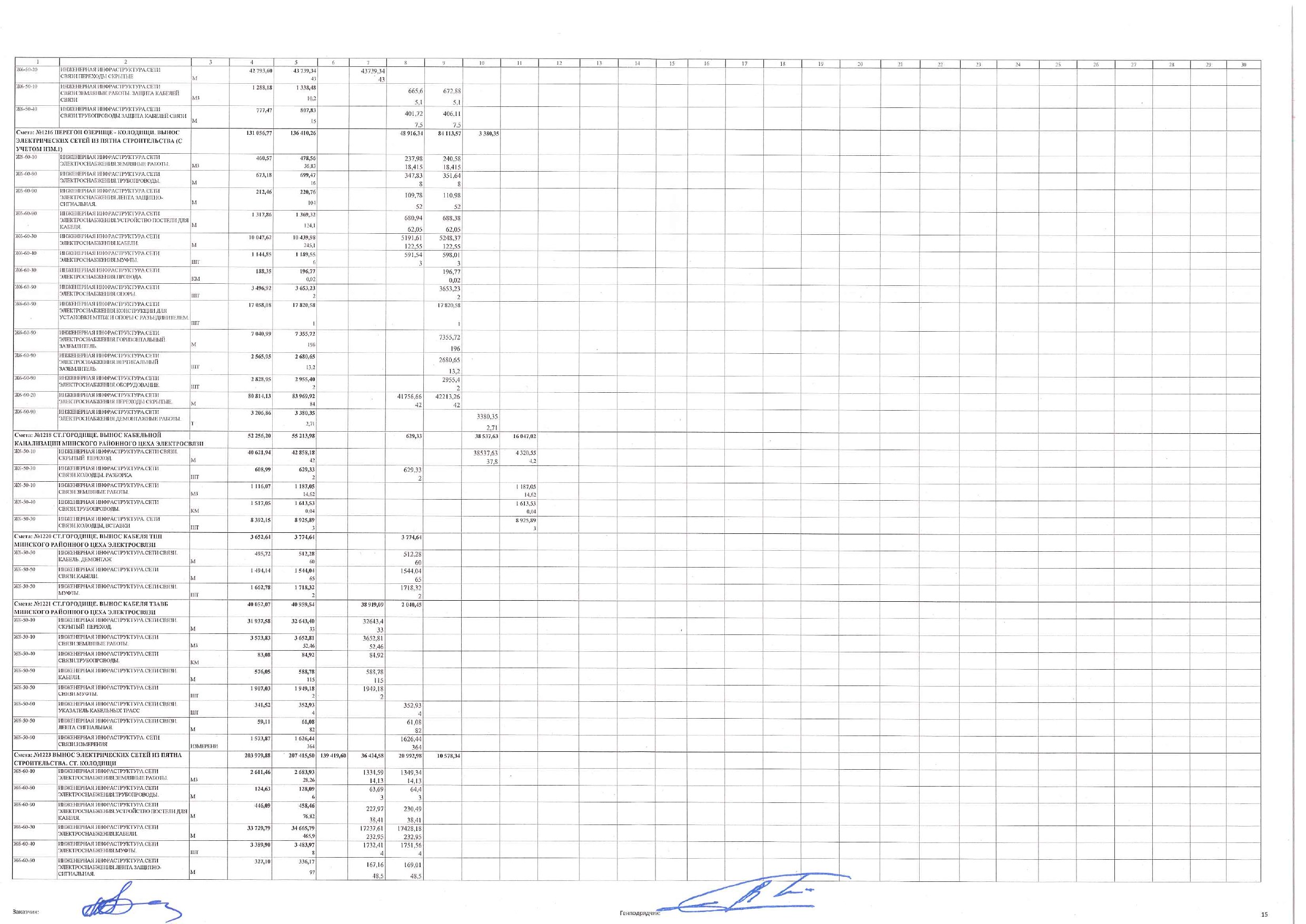
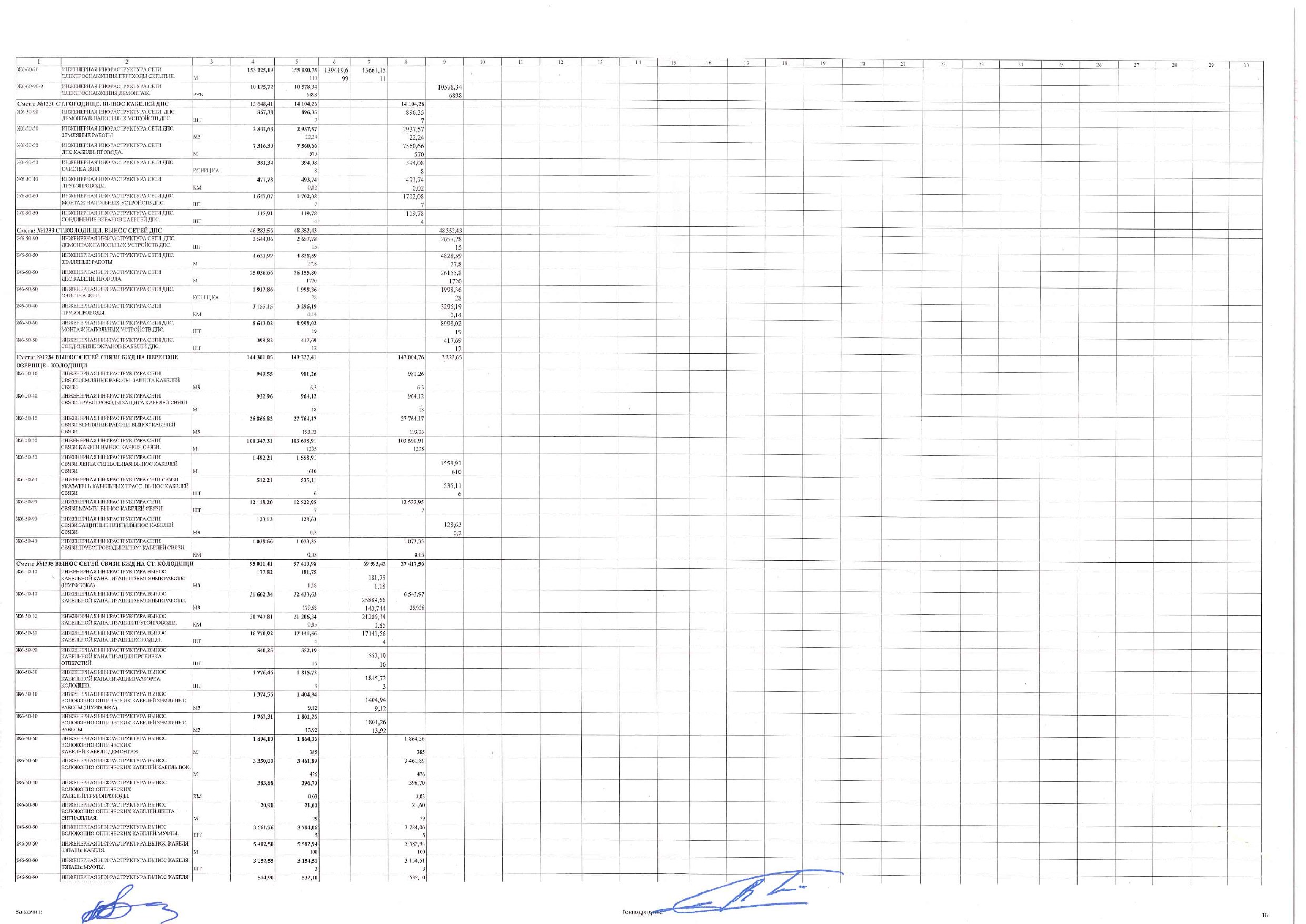
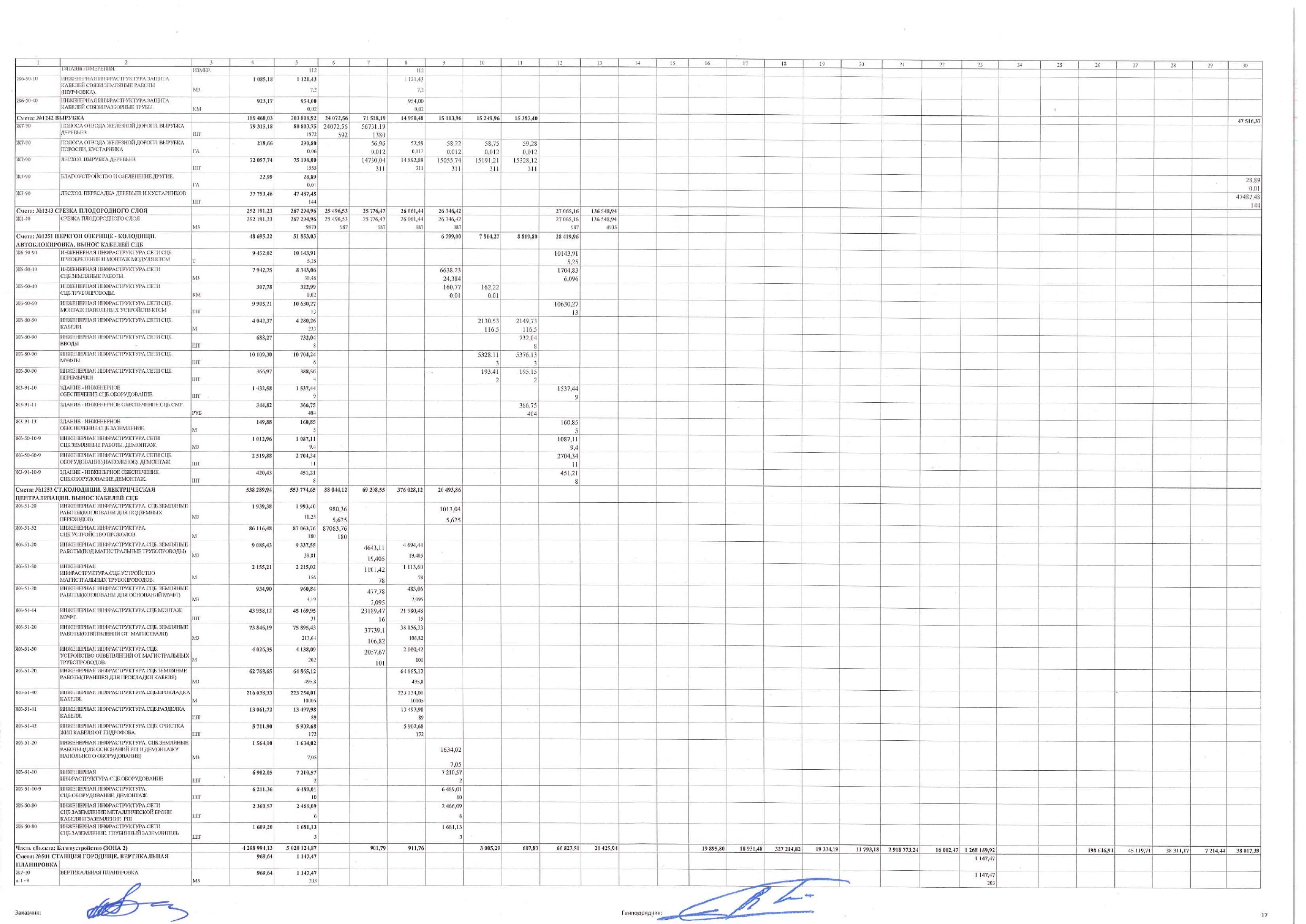
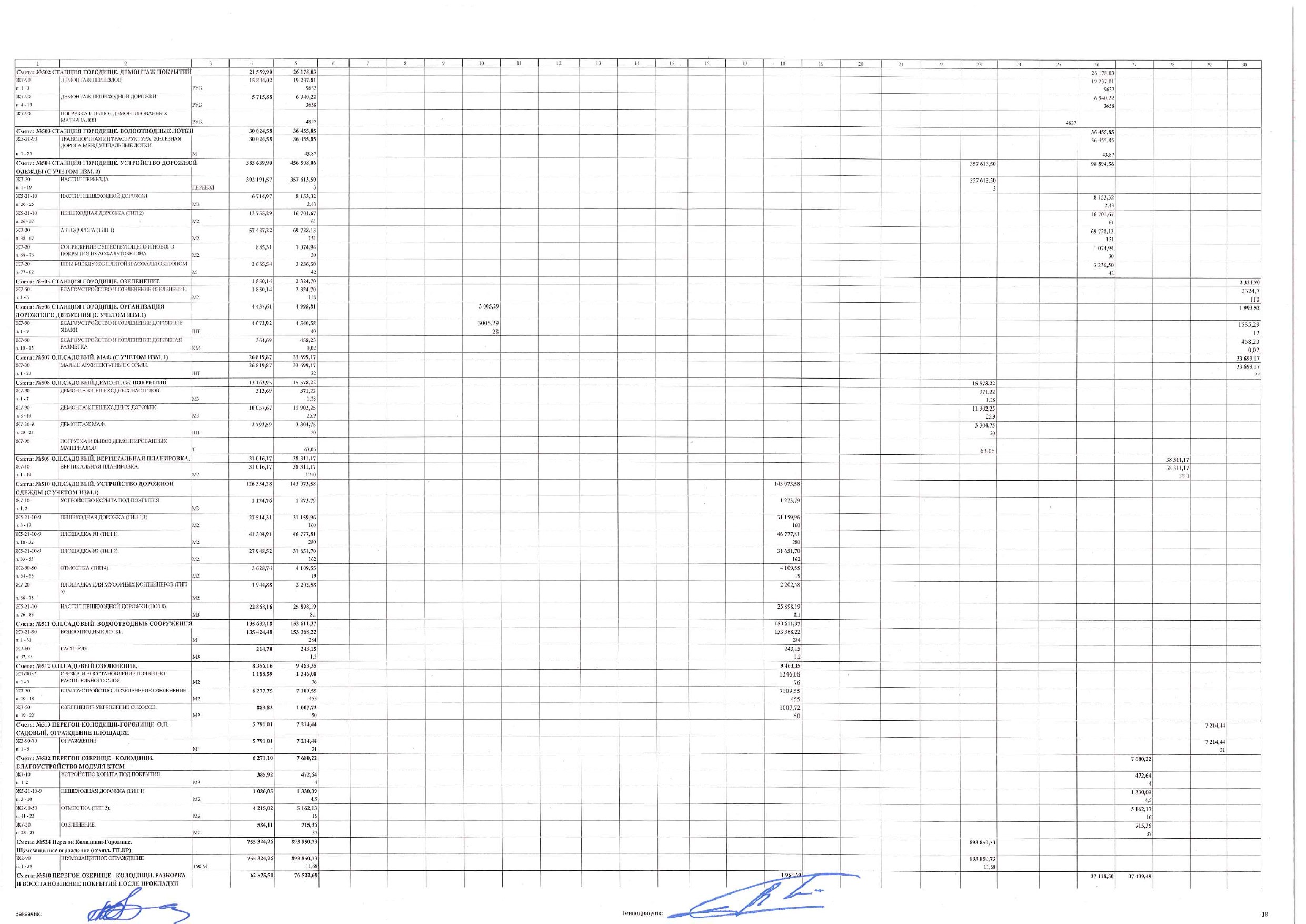
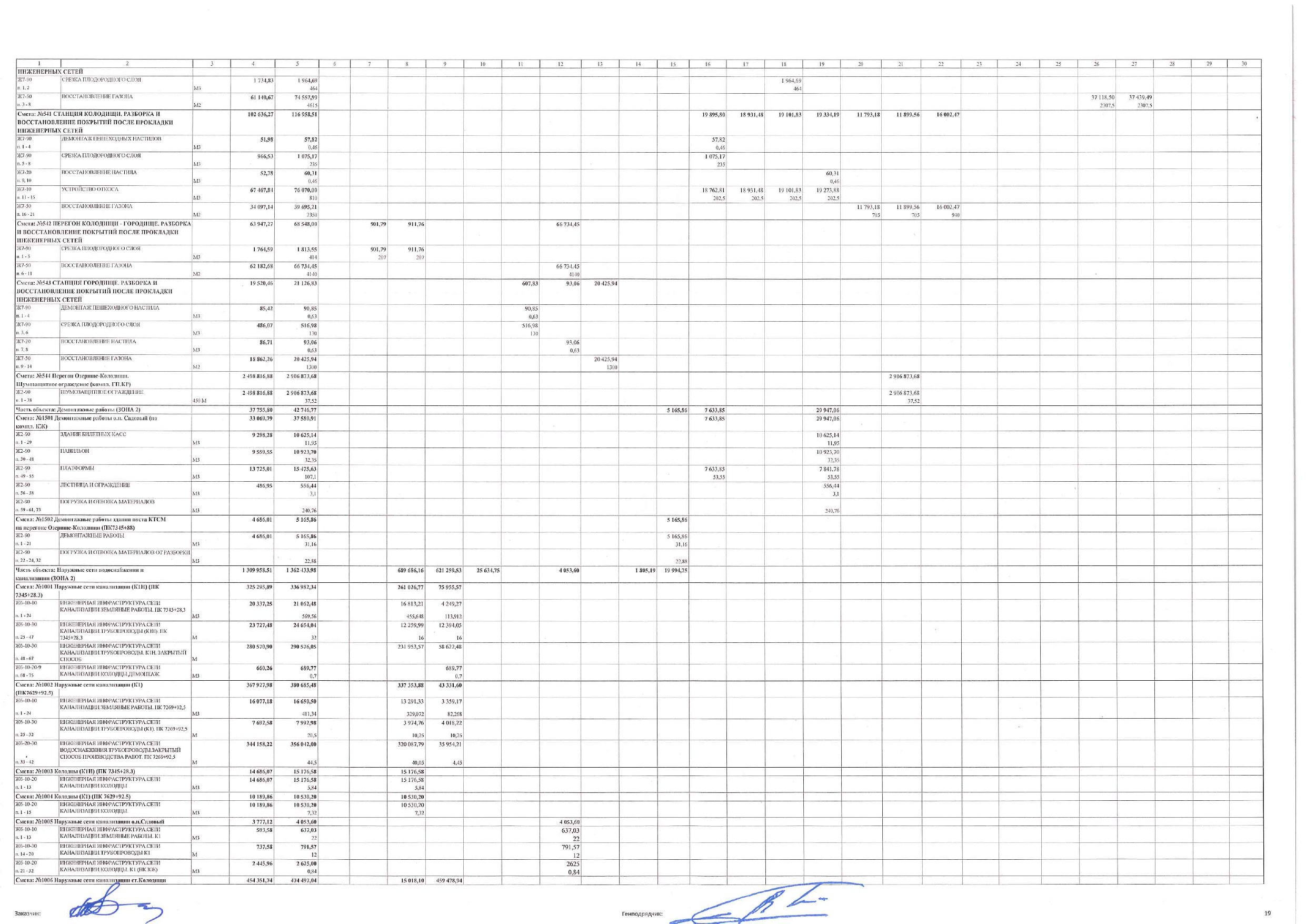
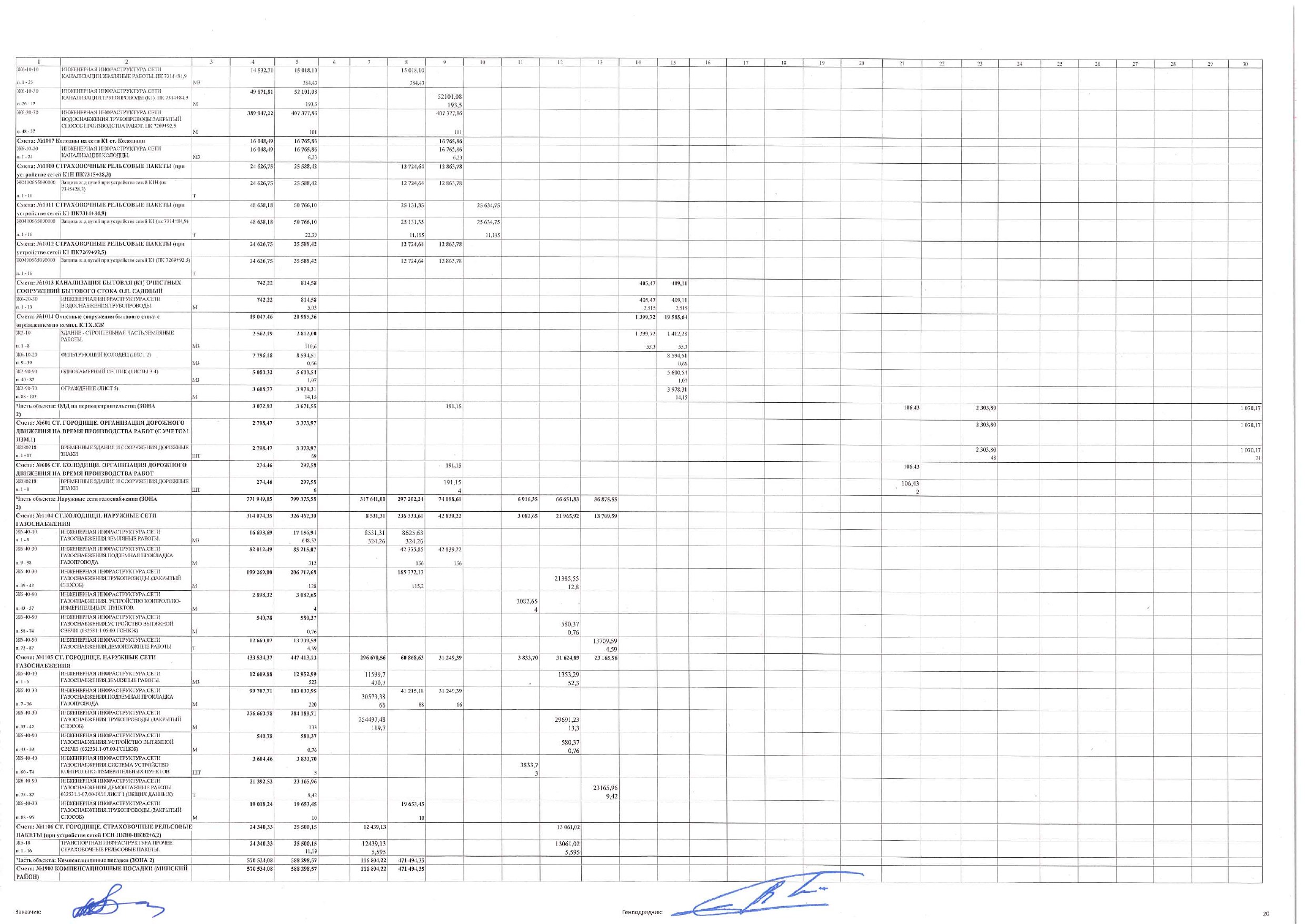
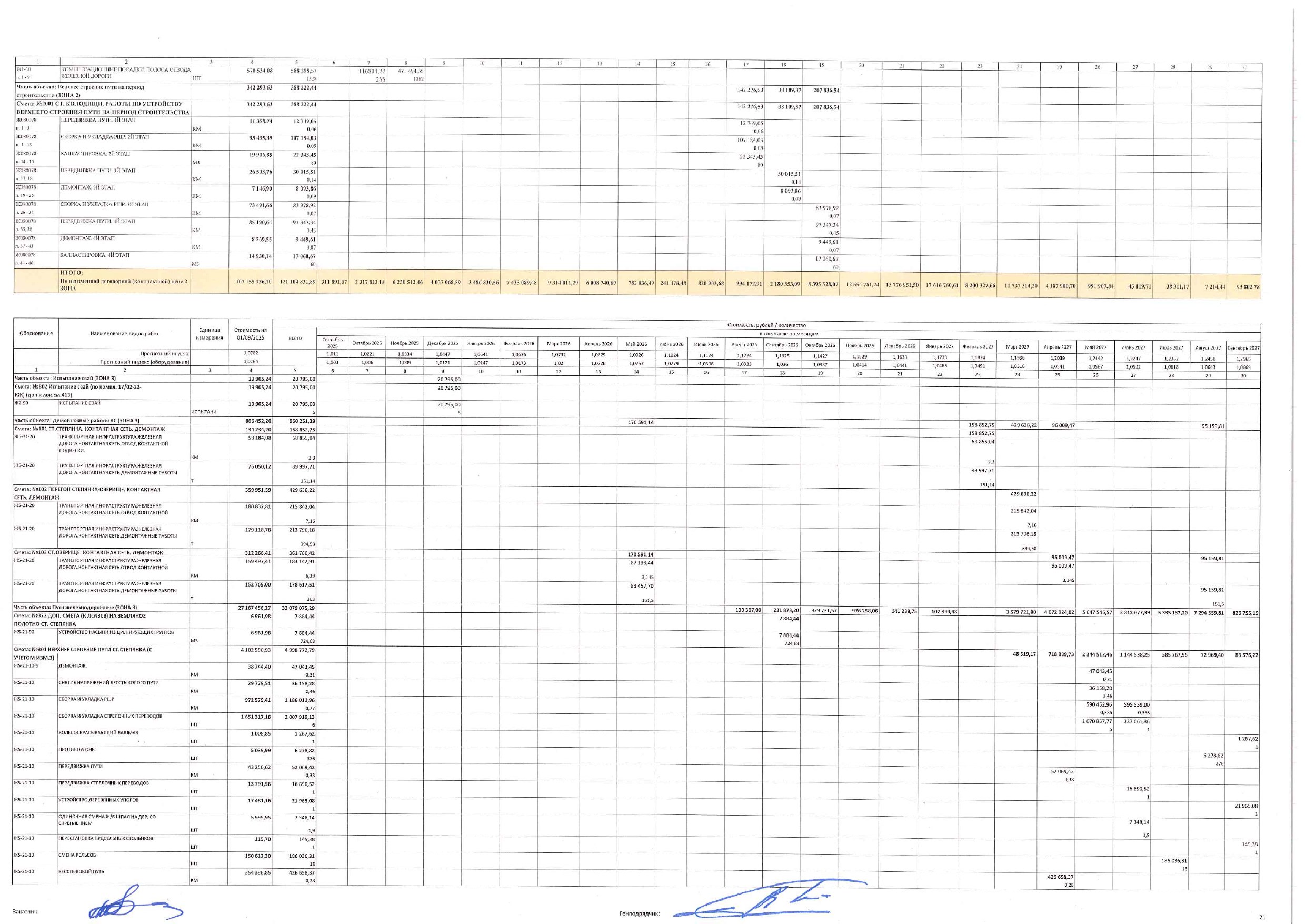
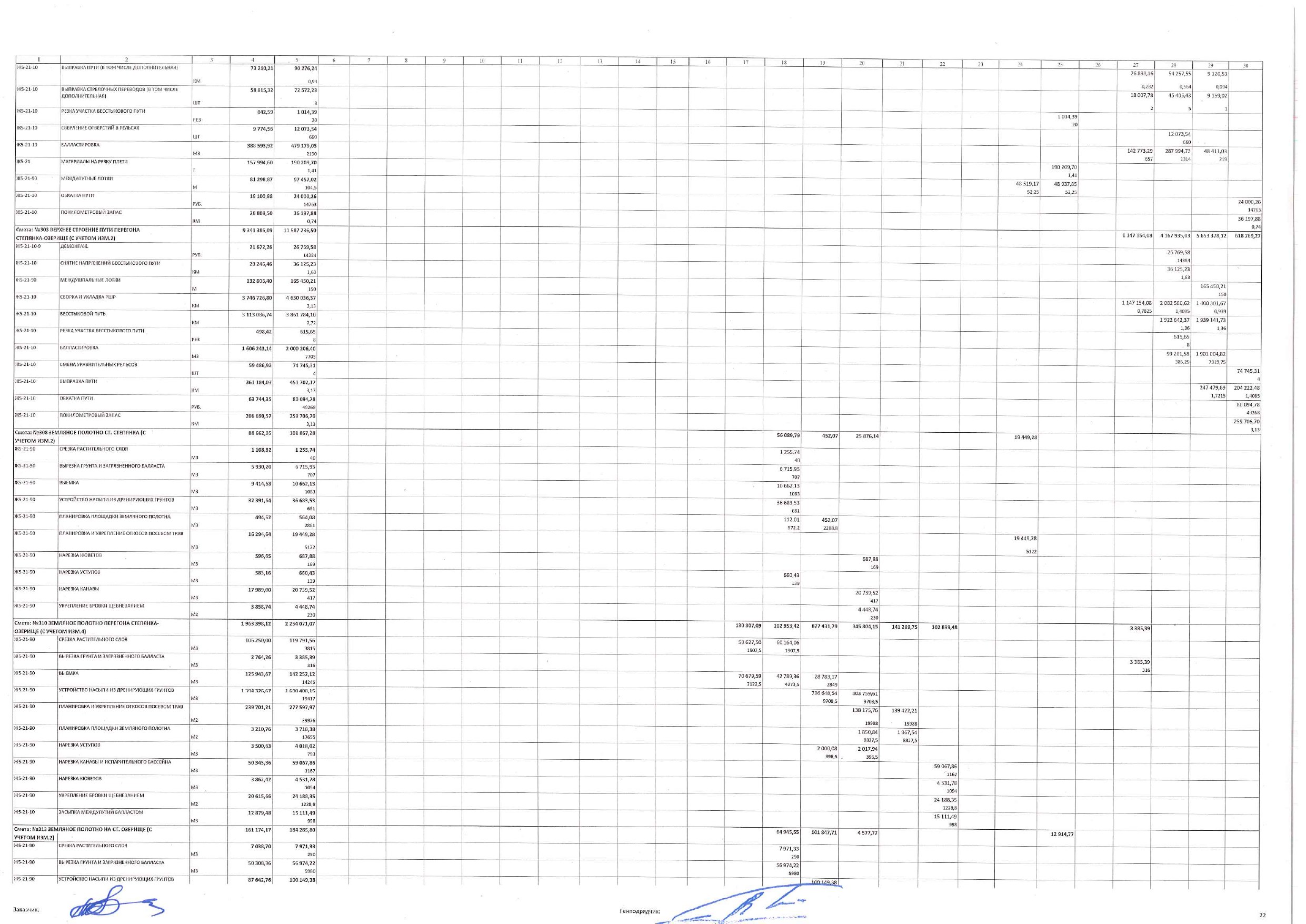
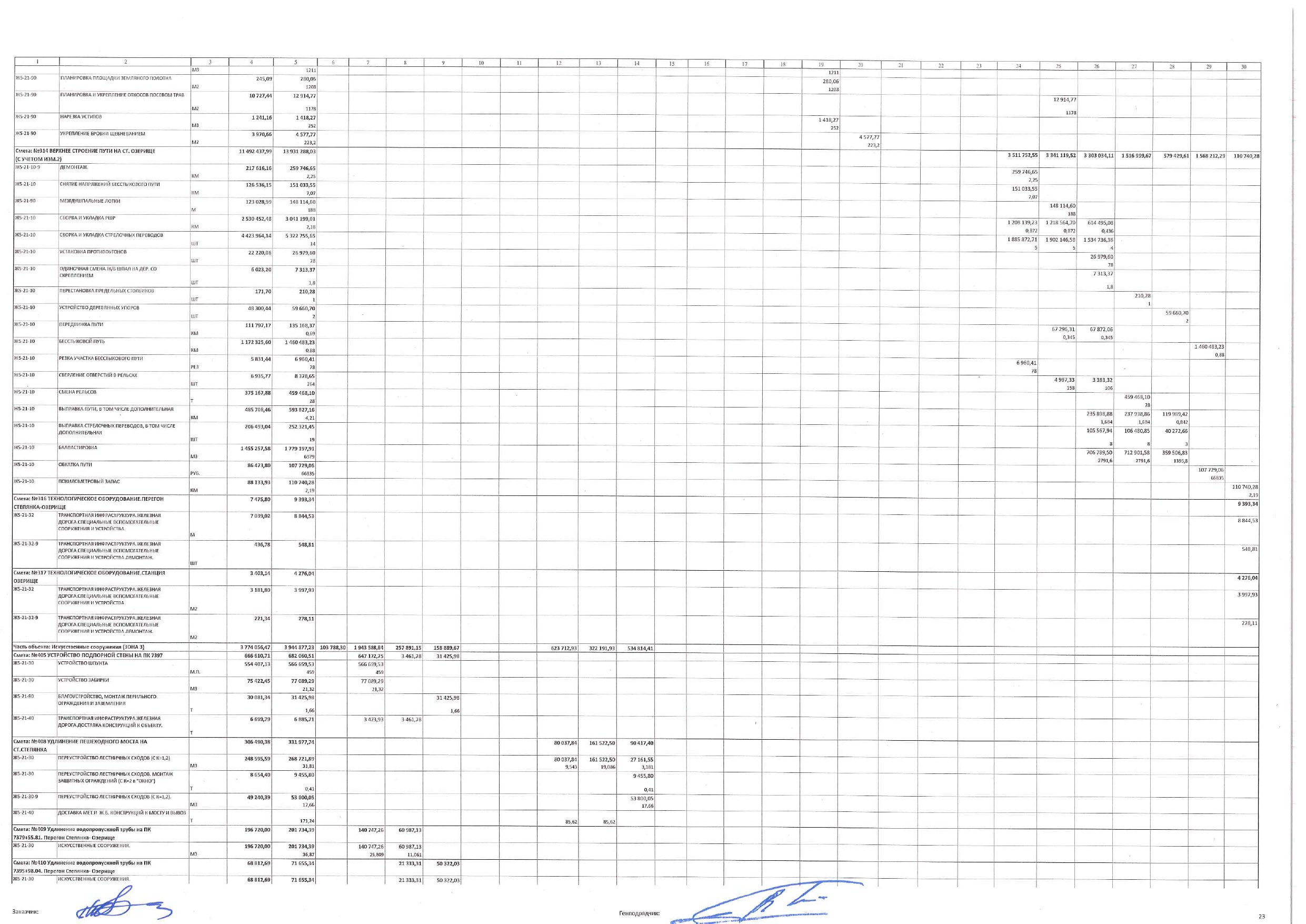
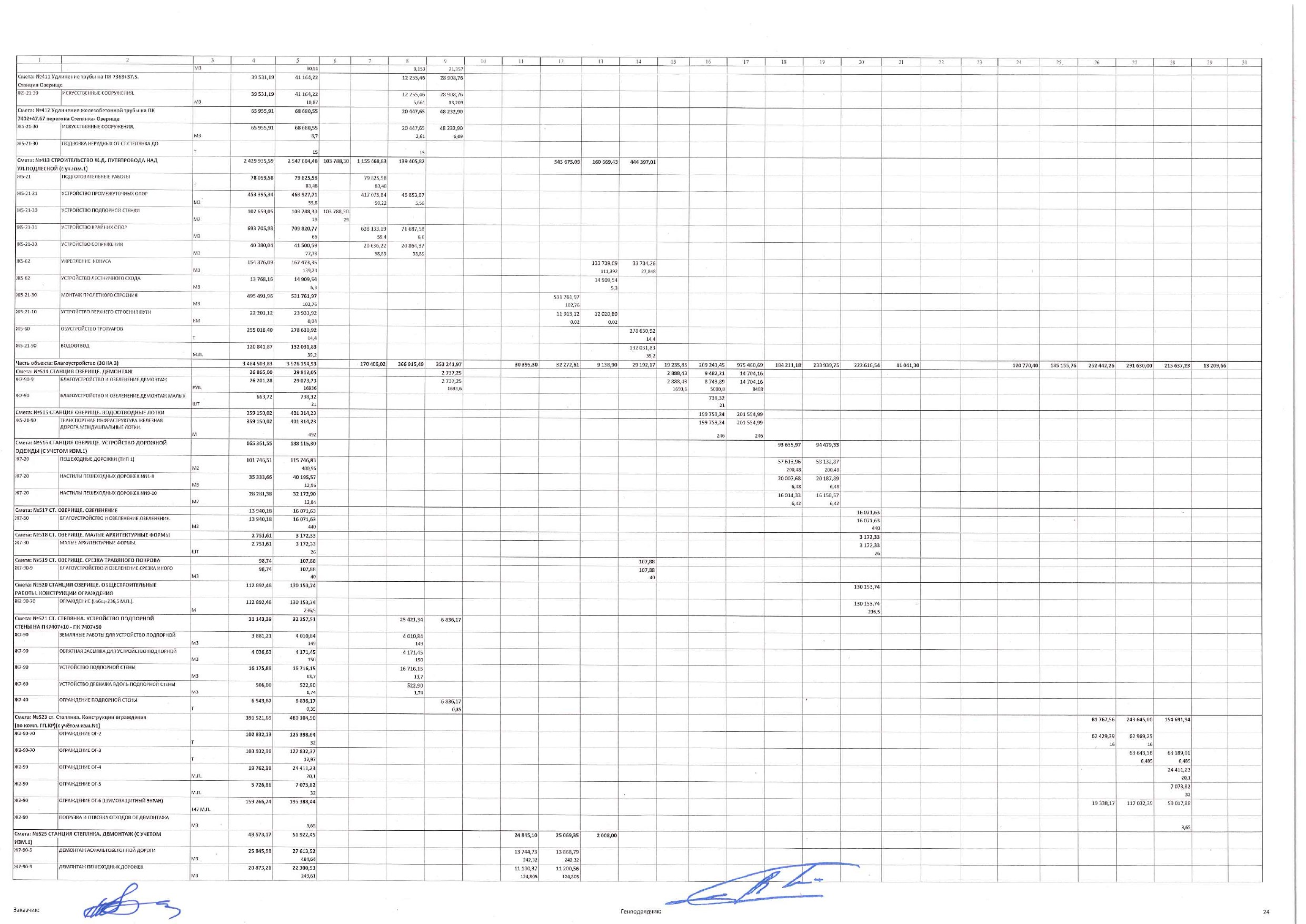
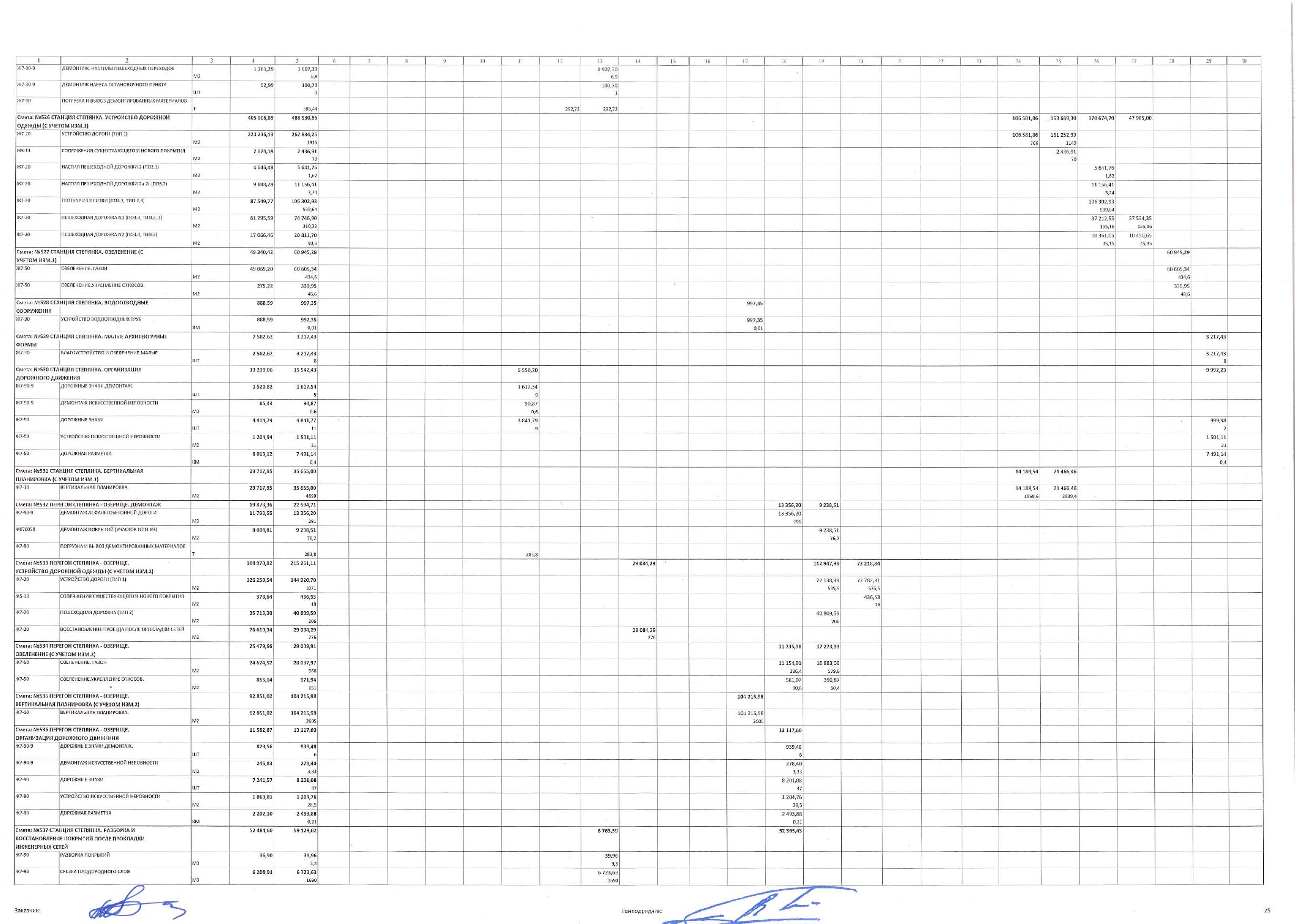
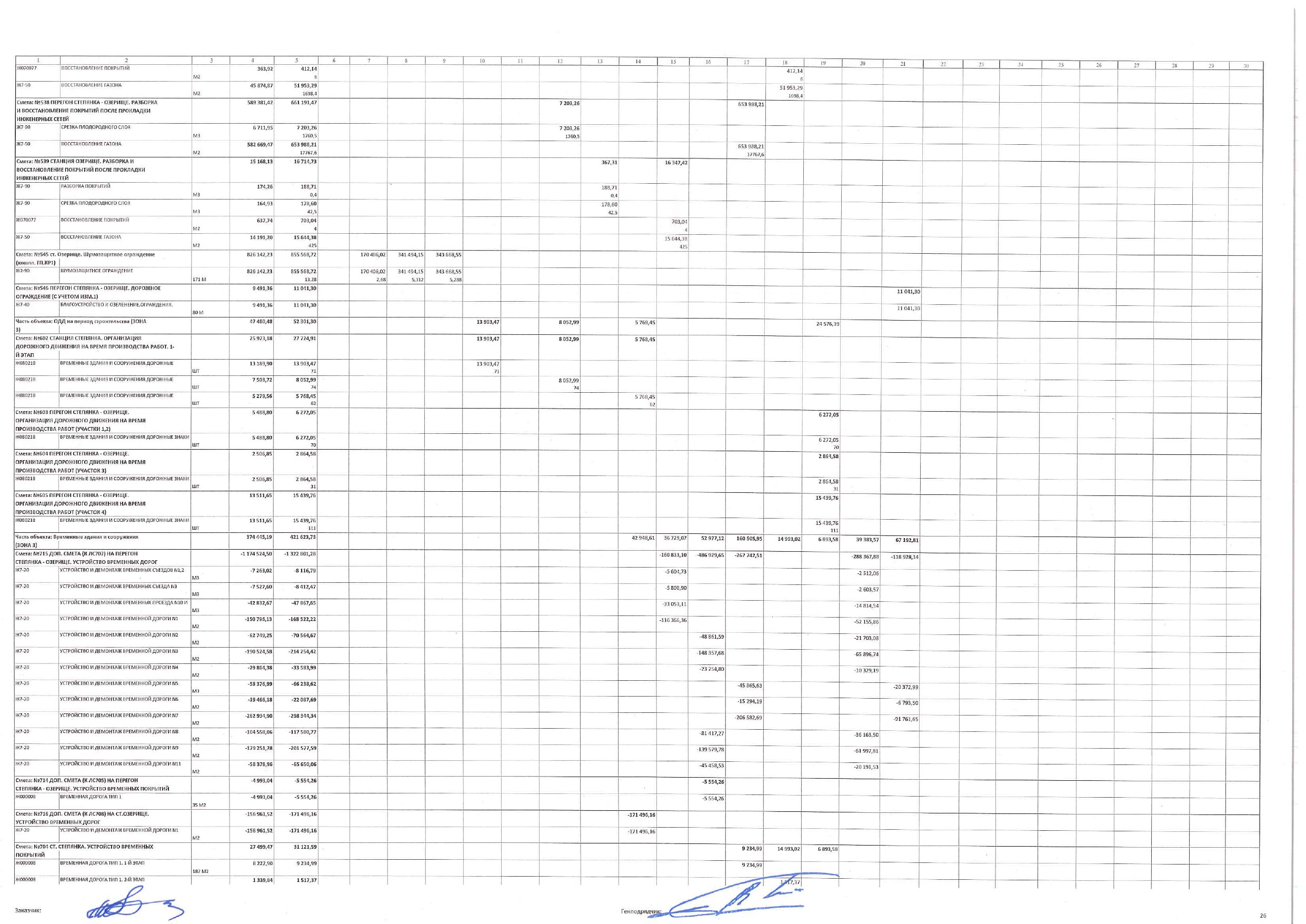
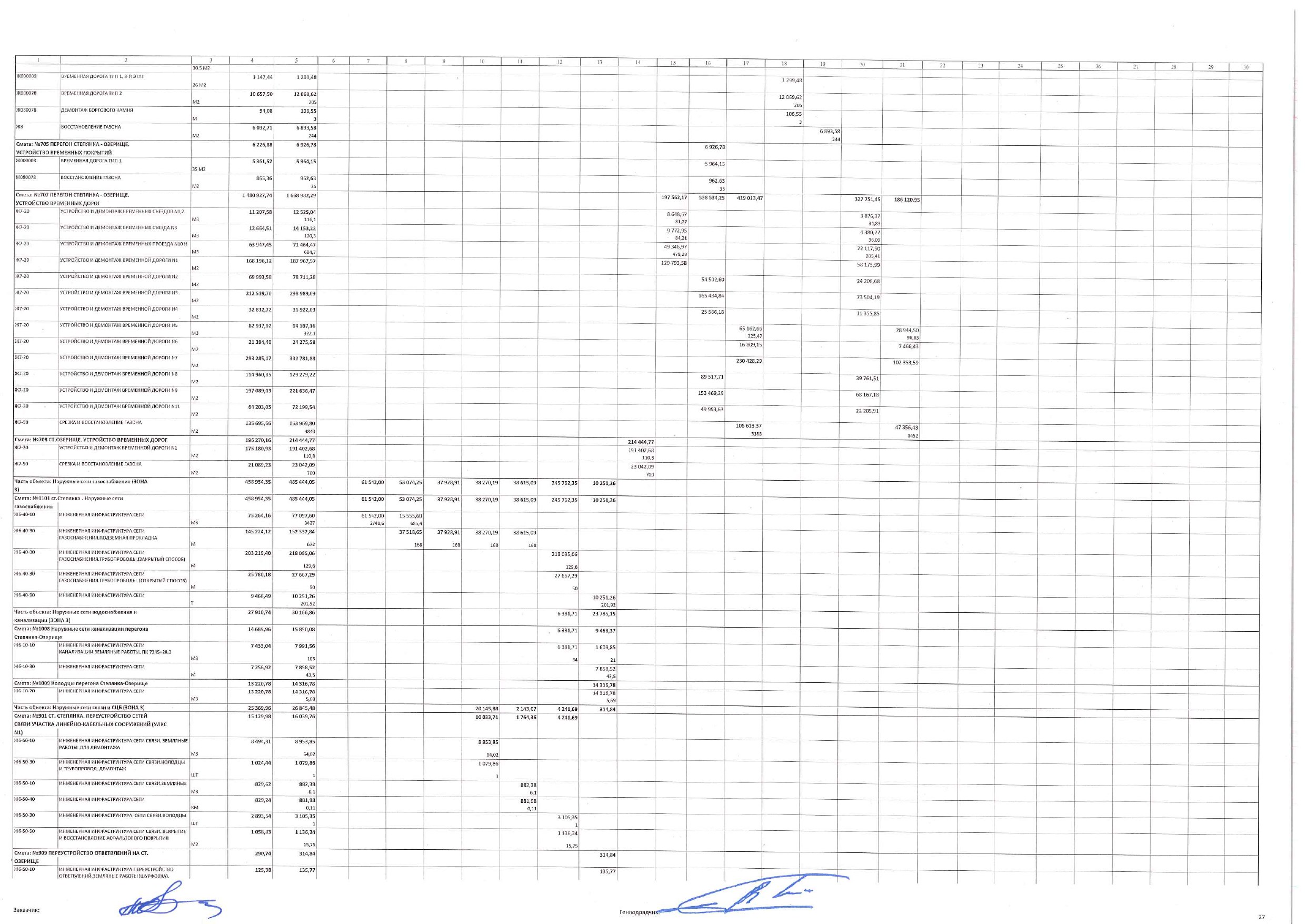
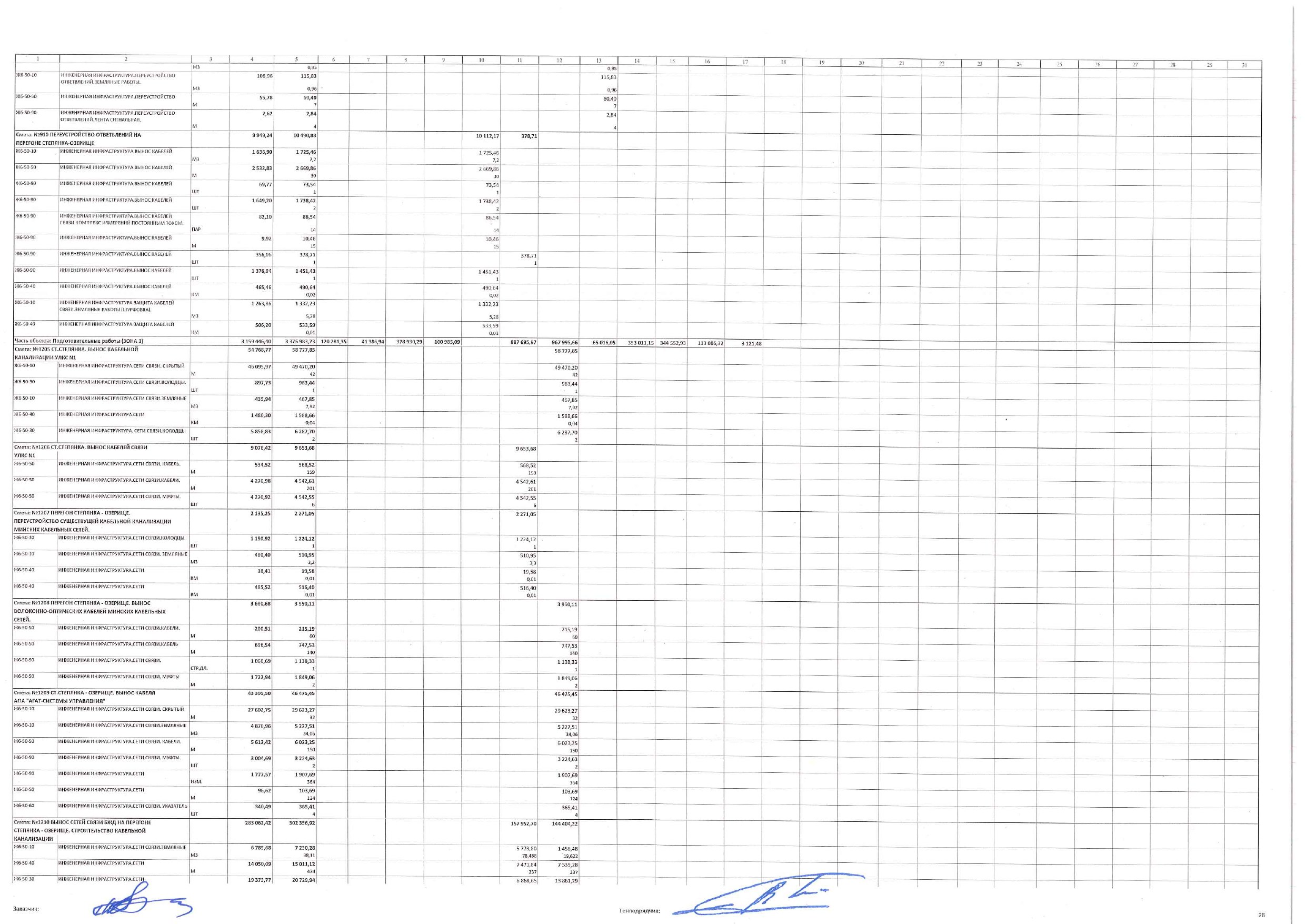
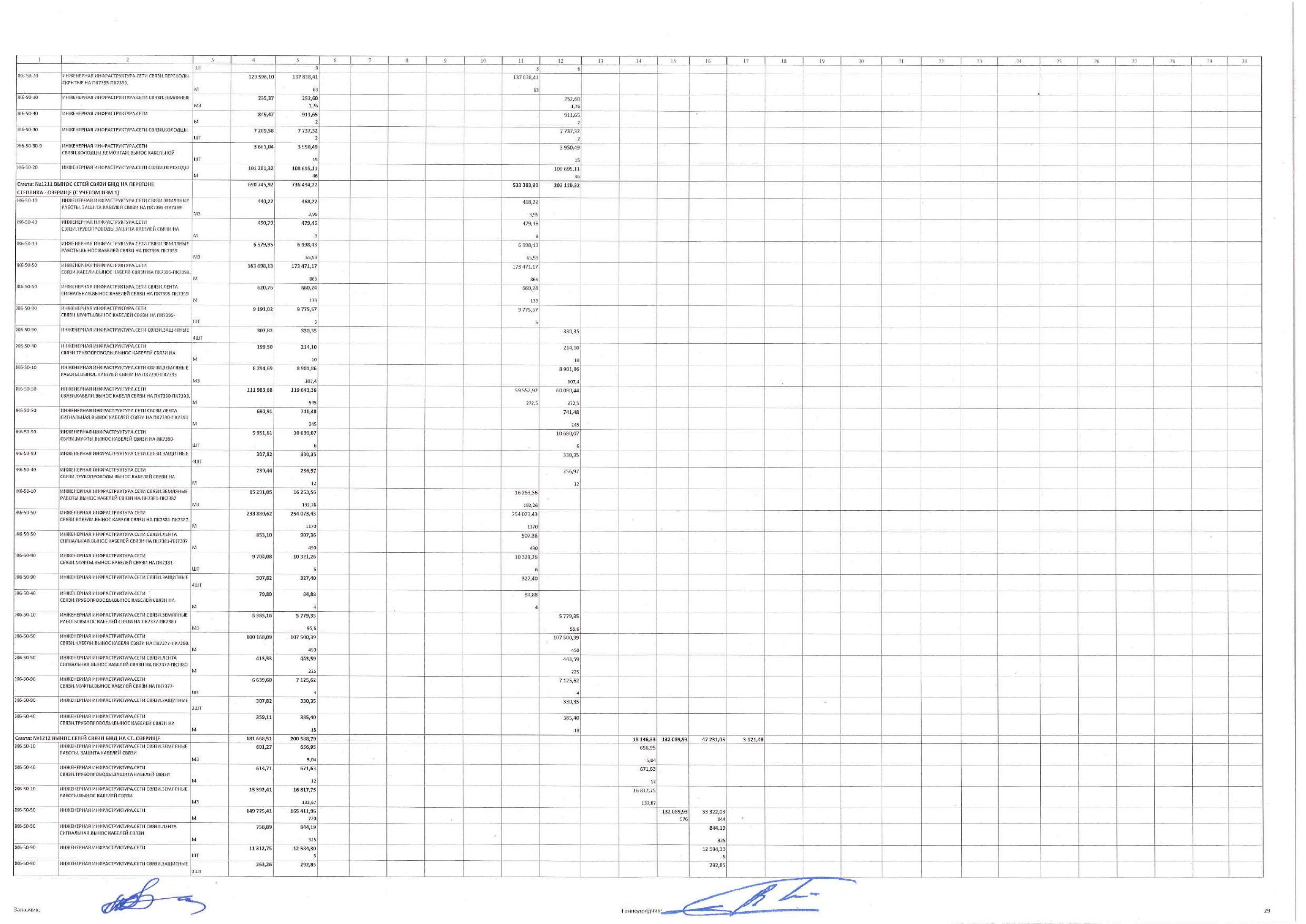
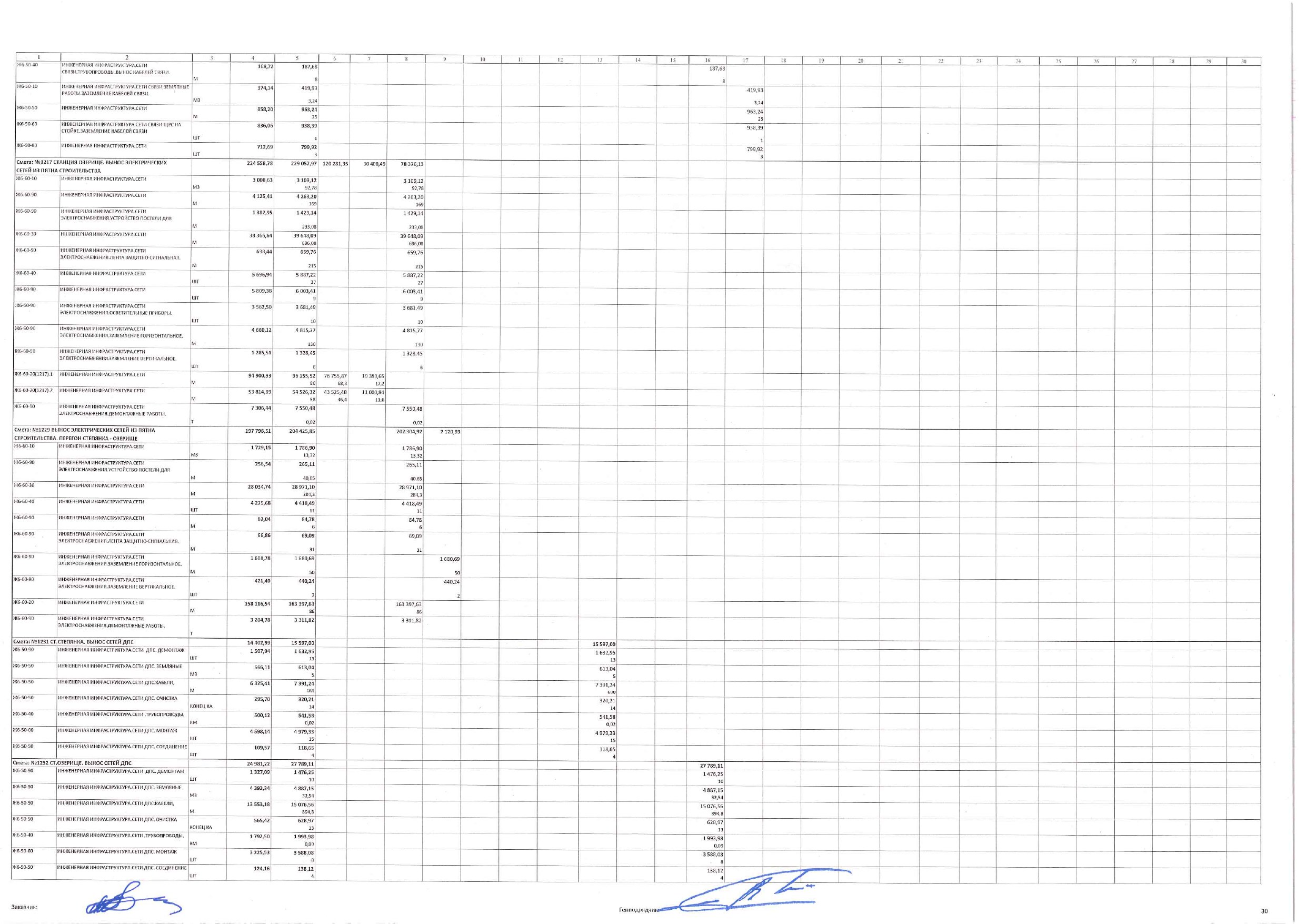
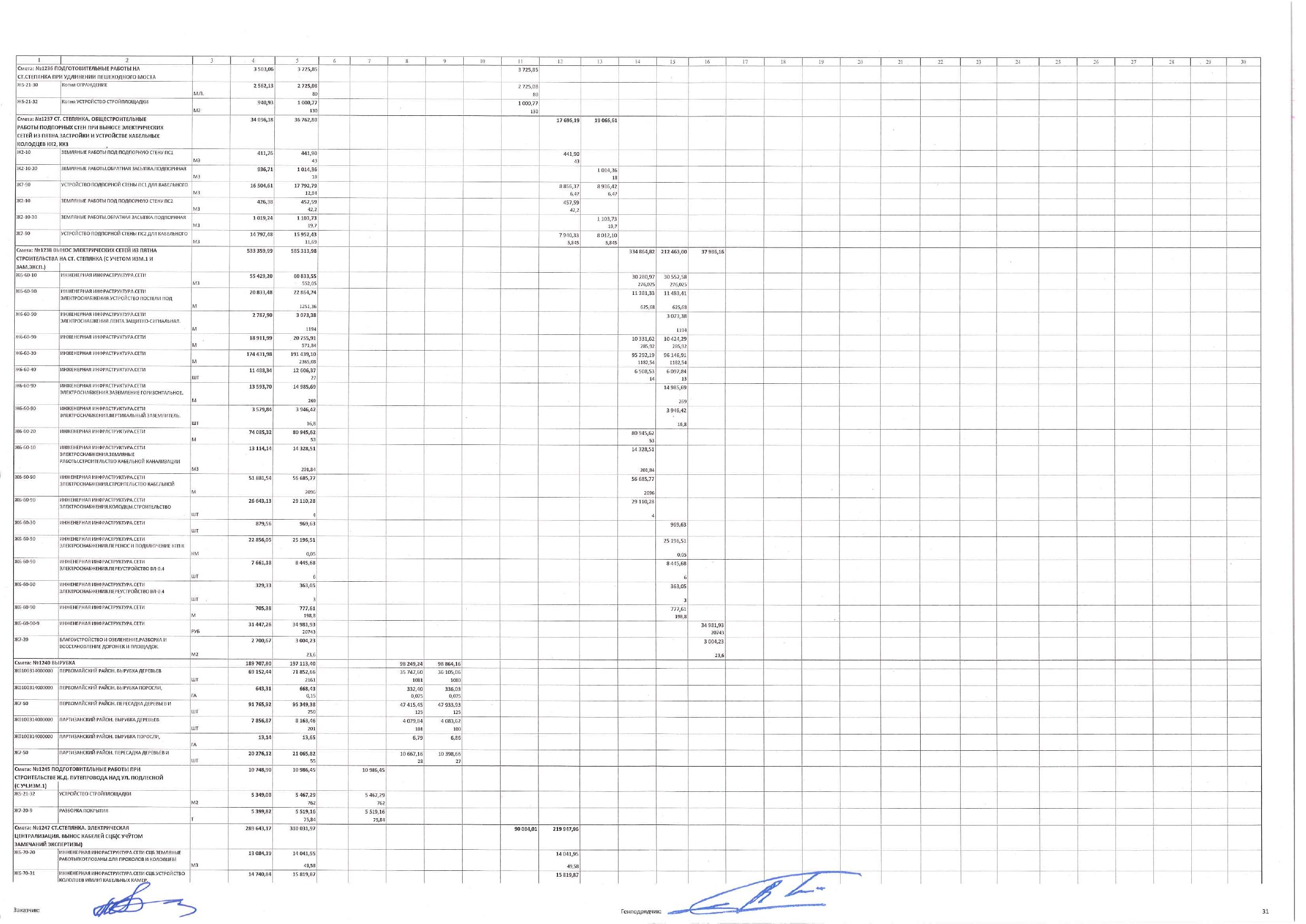
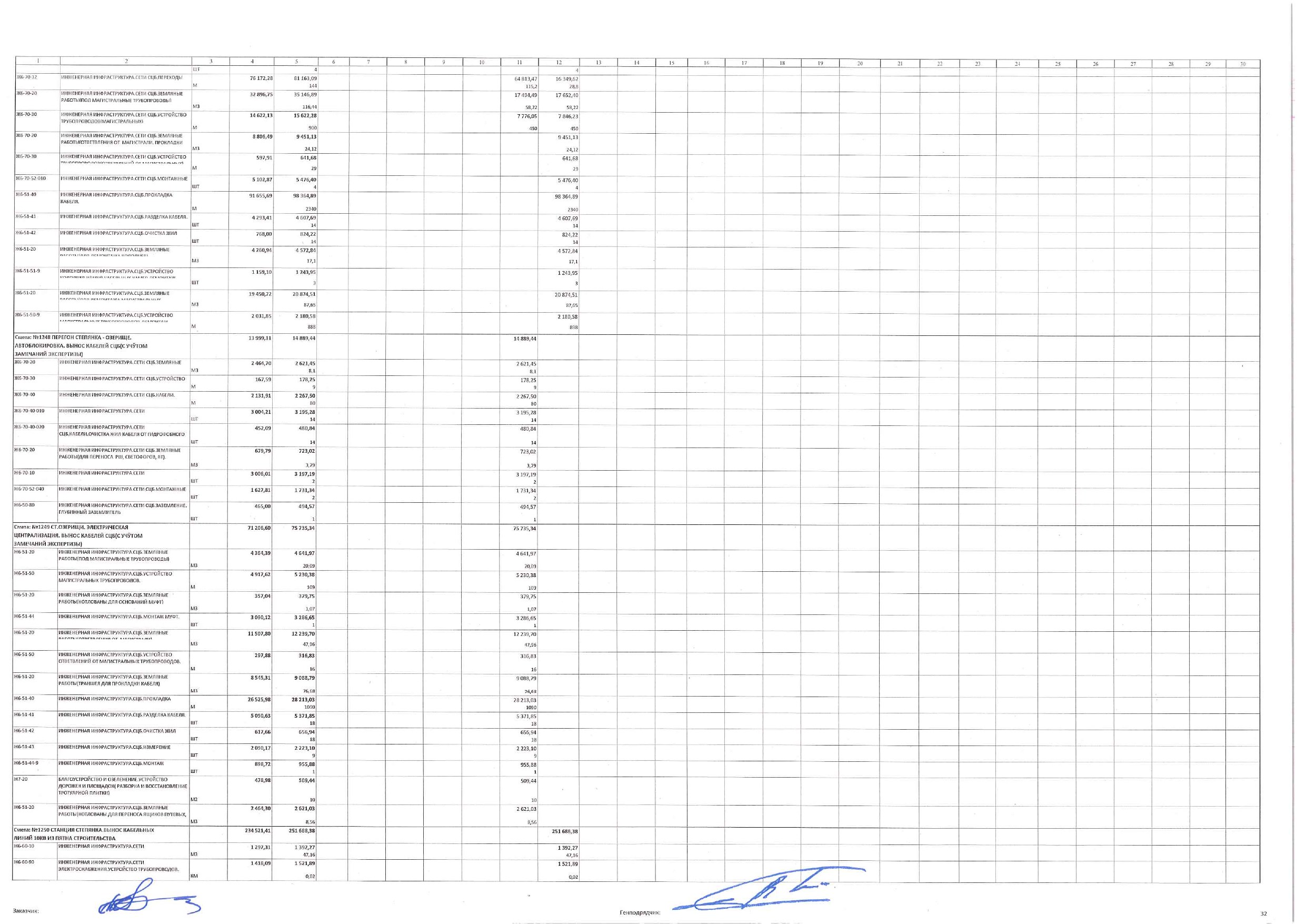
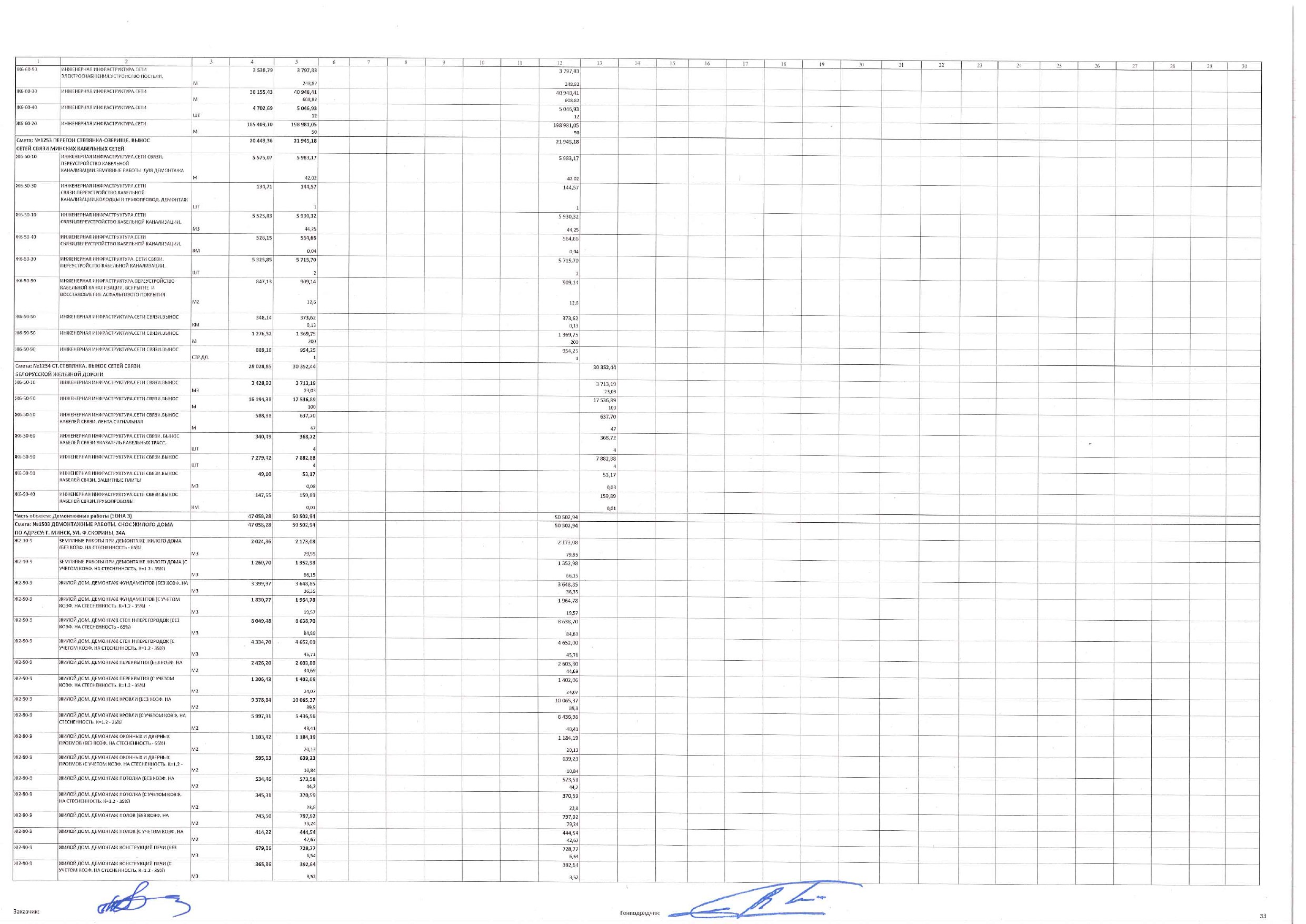
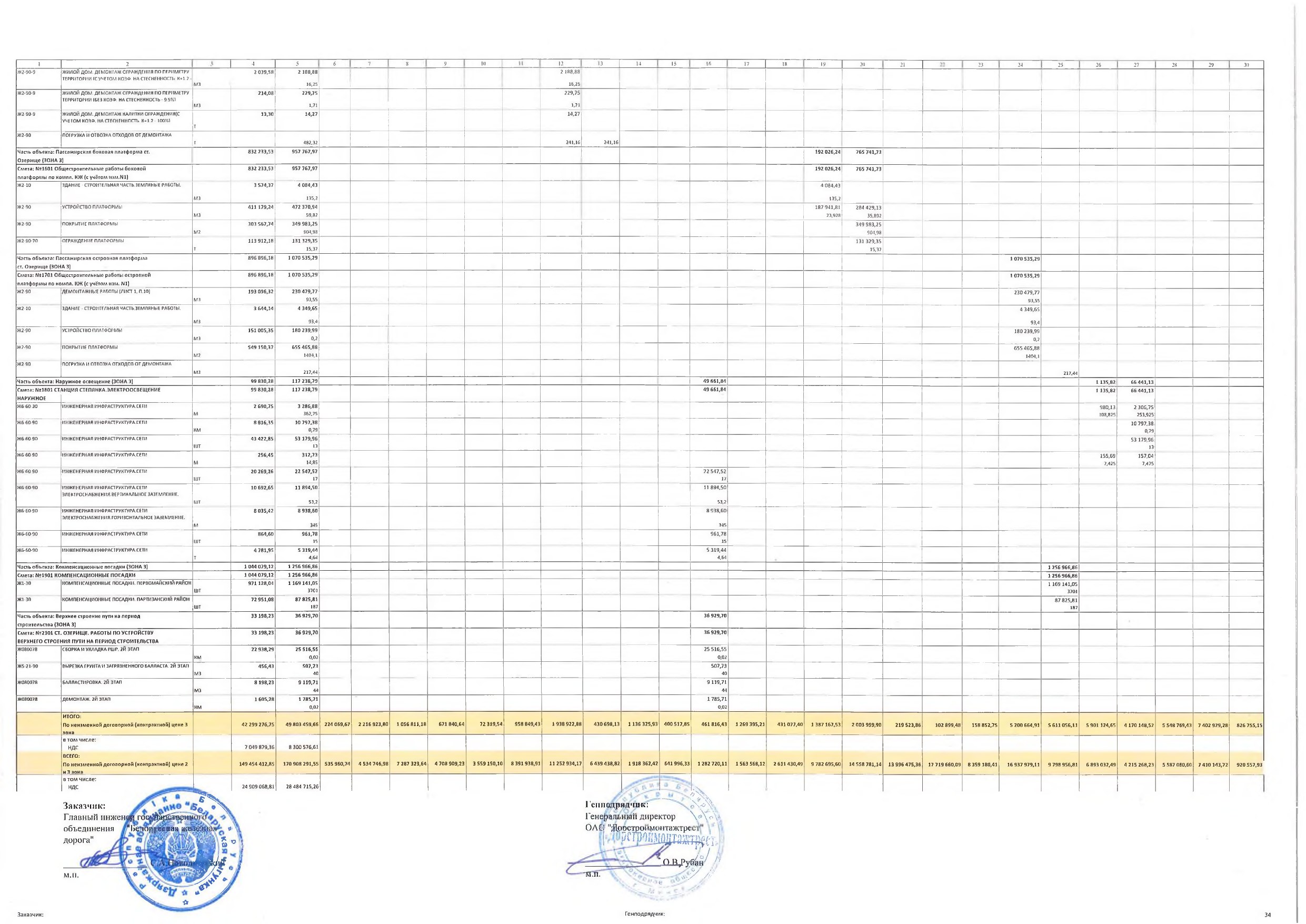
The money distribution by year in the new schedule is also different. For 2026, it allocates 89.5 million rubles at the contract price—13.5 million more than in the supplementary agreement No. 3 schedule. For 2027—78.2 million, almost the same as before. And another 17.9 million falls on 2028, which the old schedule did not reach.
Project being revised on the fly
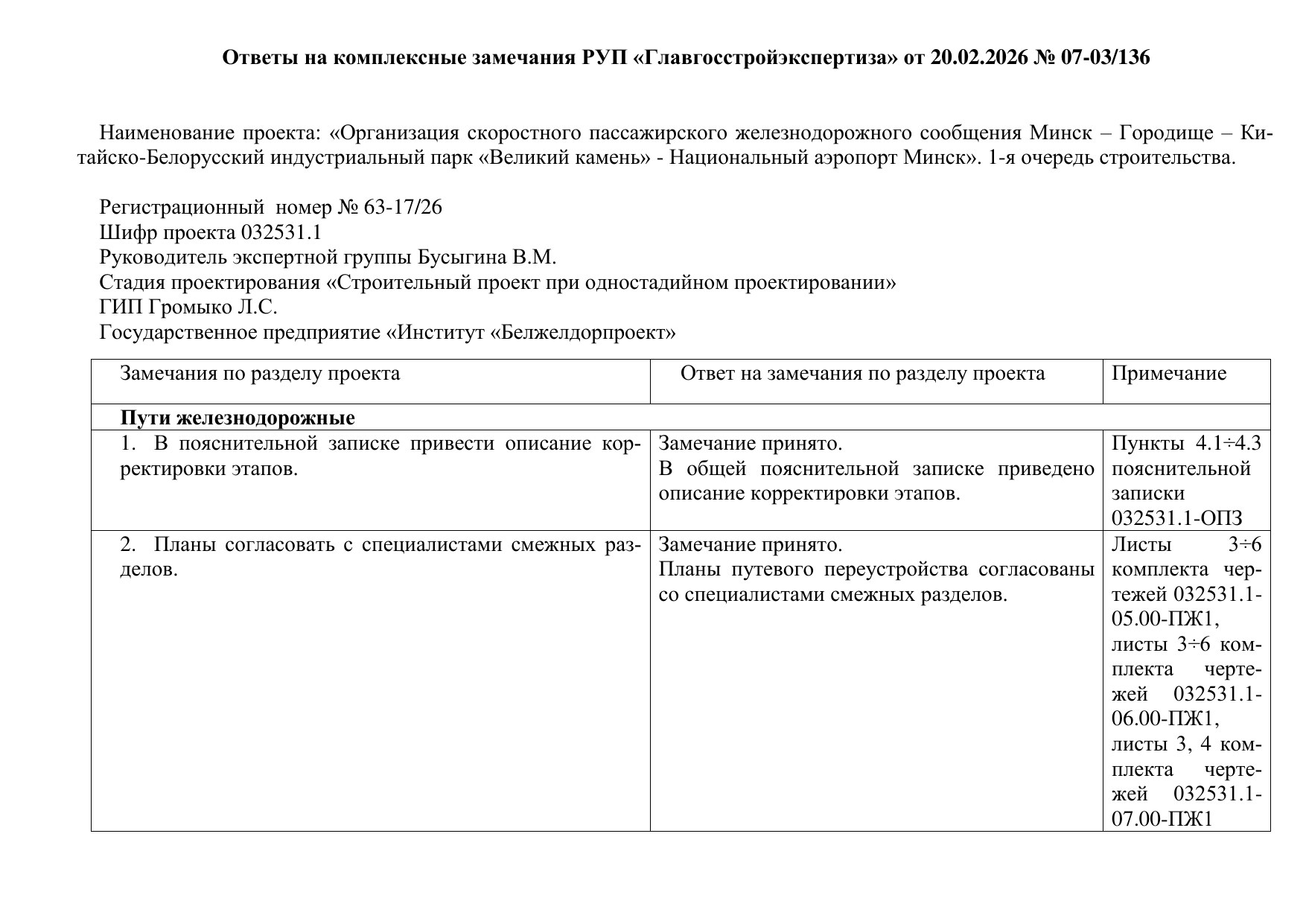
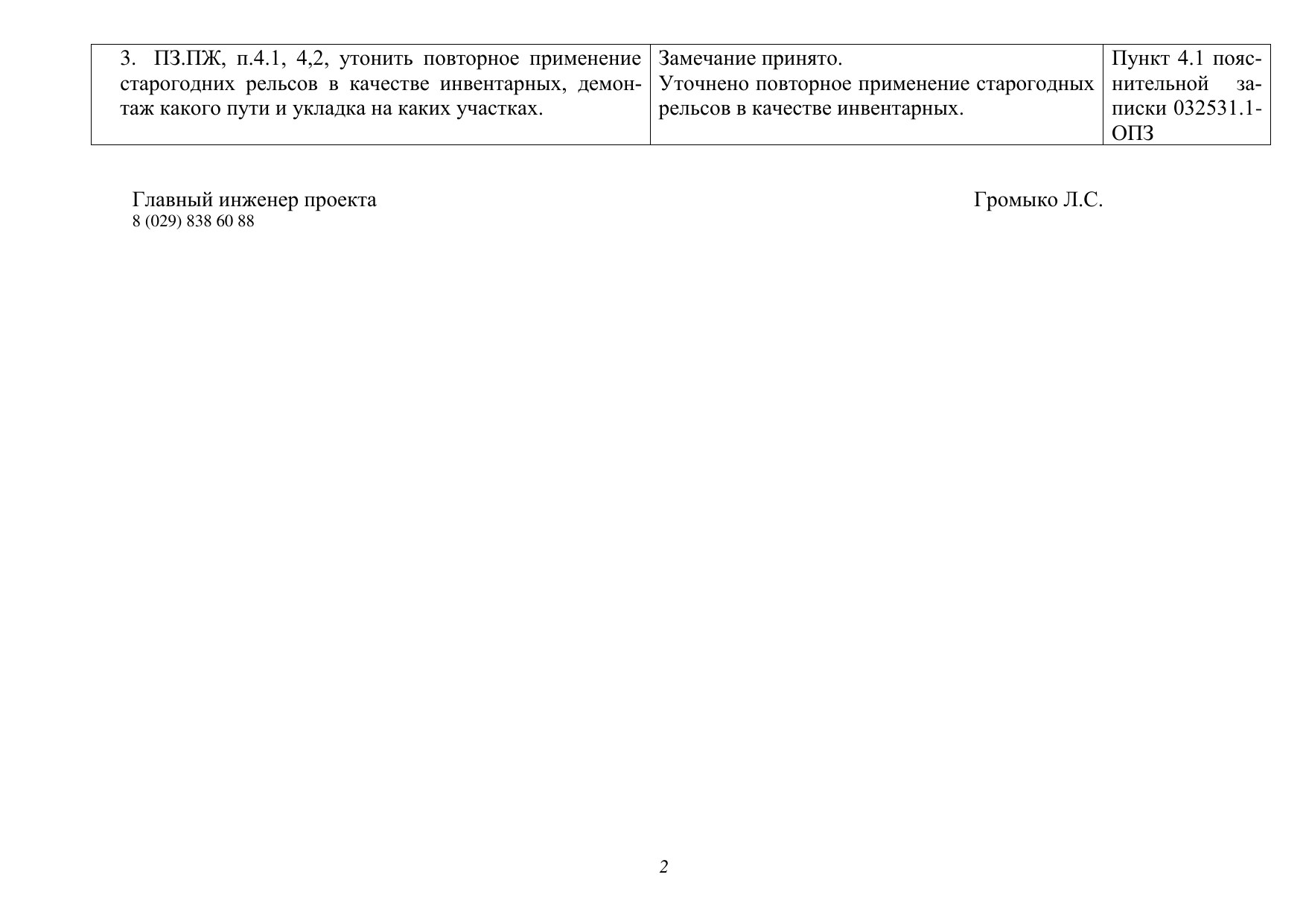
The price is rising, and the project, meanwhile, is being revised multiple times. The contract was signed on September 4, 2025, and already on September 26, amendment No. 7 to the design assignment appeared. Then the project was corrected according to the BCh minutes of December 15, 2025, and letters from the railway dated January 8 and 12, 2026, and in February 2026, the revised project was again under state expert review: comments from Glavgosstroyekspertiza are dated February 20.
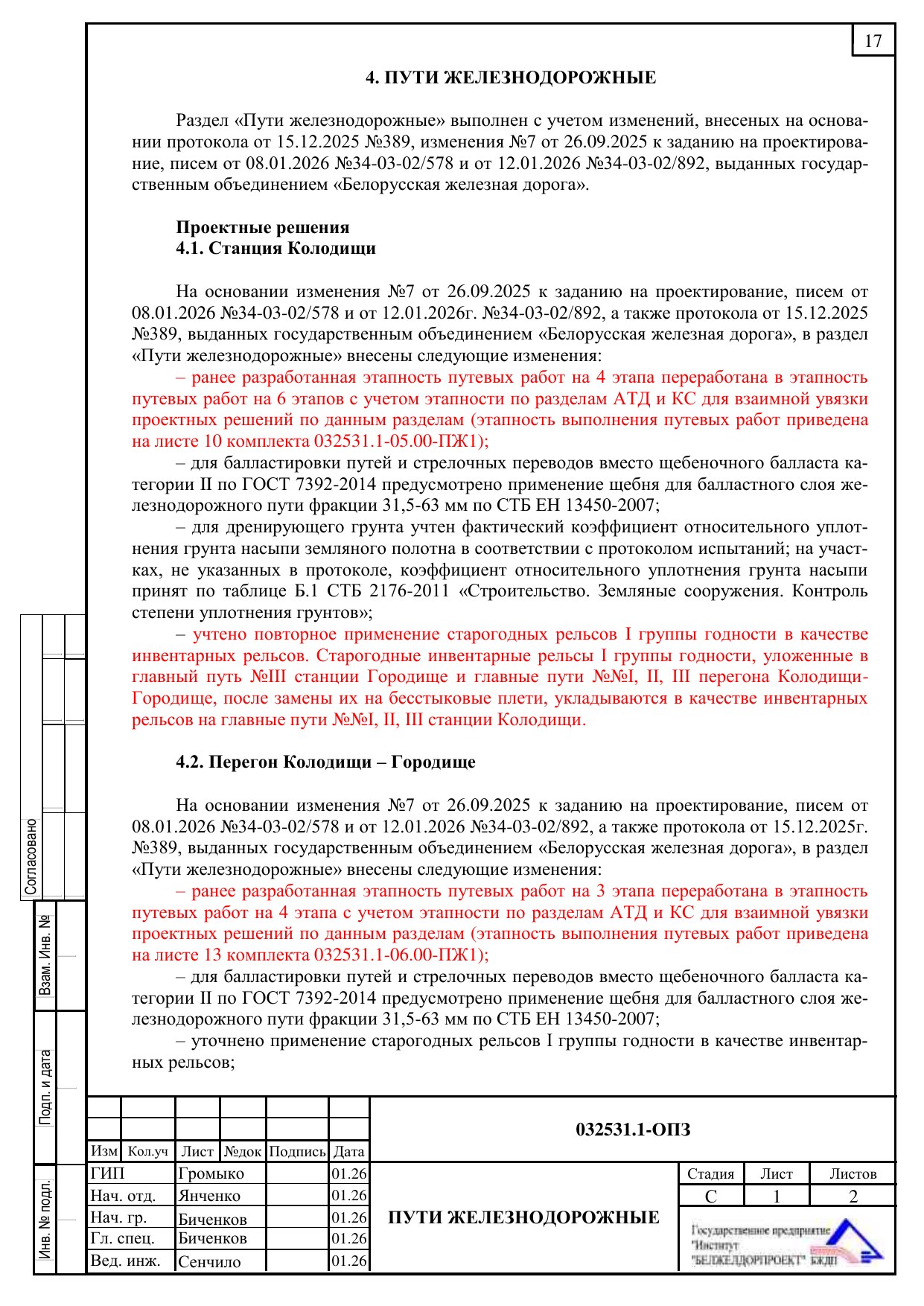
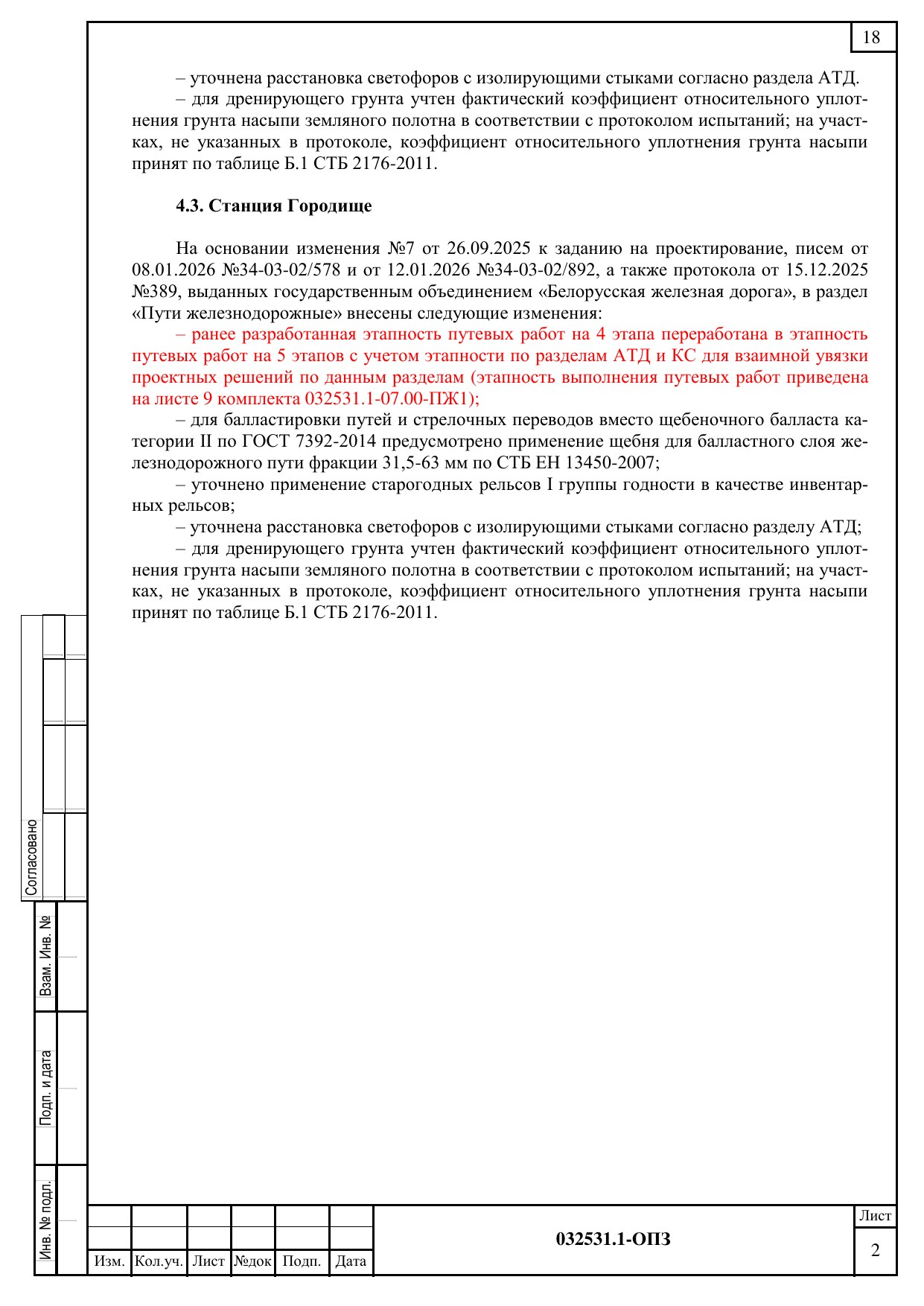
Among other things, the stages of track work were revised: at Kolodishchi station, there are now six instead of four; on the line section to Gorodishche, four instead of three; at Gorodishche station, five instead of four. On an active railway, this is not a formality: each stage must be coordinated with train movements, “windows,” switching of signaling and overhead contact system, and temporary operating schemes for stations and line sections.
This does not yet prove that the initial project was poor, but it prompts the question of how thoroughly all this was considered when the initial price was calculated. Especially since supplementary agreement No. 3 already changed 17 local estimates due to “technical and/or computational deficiencies.”
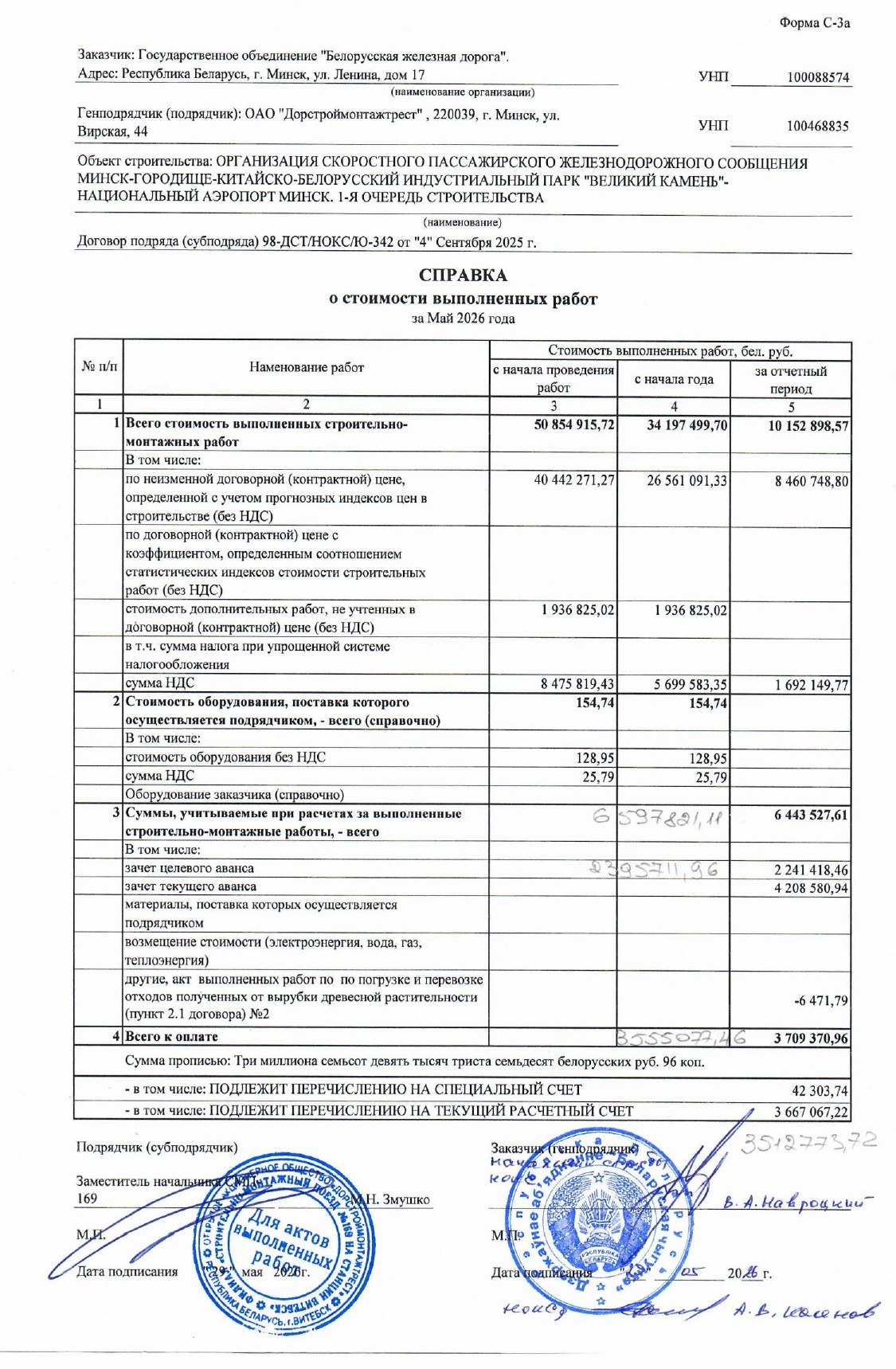
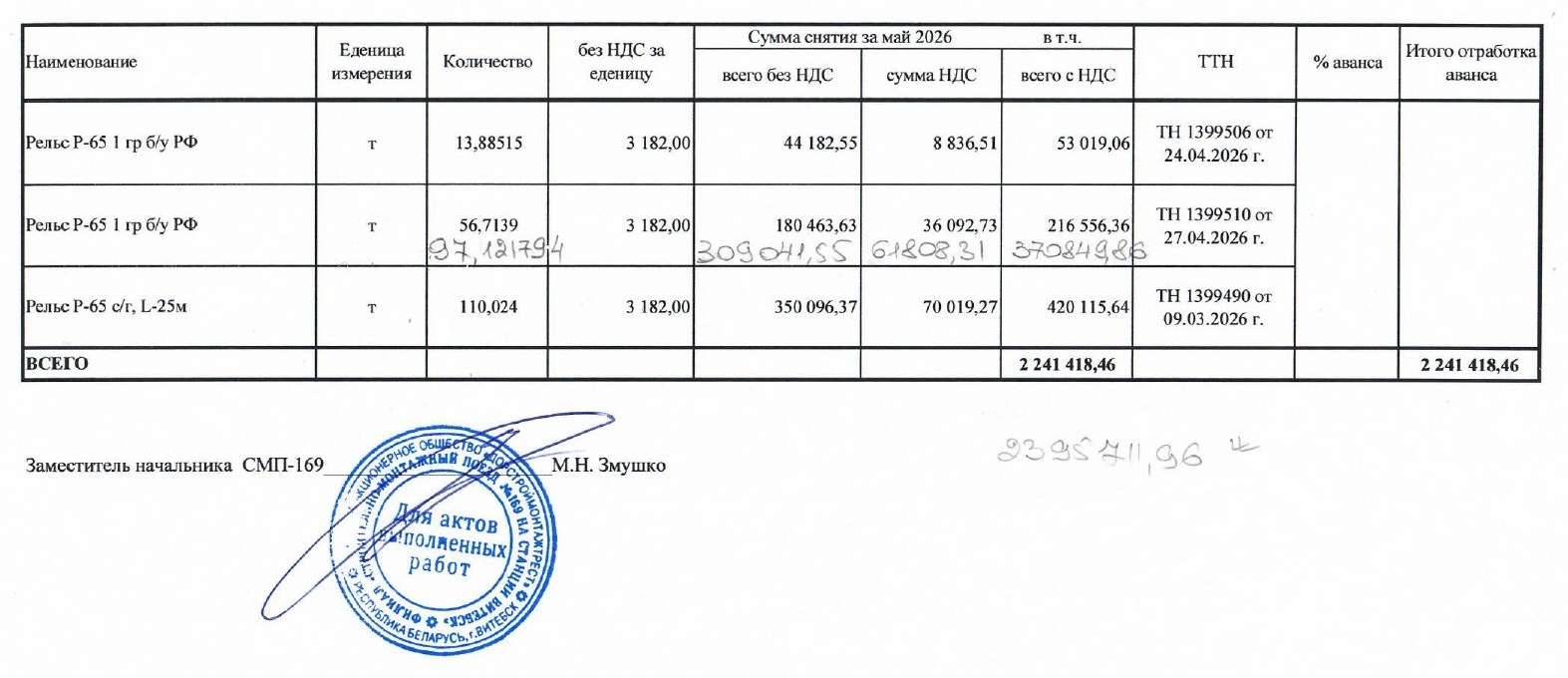
In February 2026, additional works emerged: draining soil had to be added on the Kolodishchi—Gorodishche line section and at Gorodishche station. This amounted to approximately 2.3 million rubles, including indices, and the estimates for these were drawn up as “works performed at the expense of unforeseen costs.” Rail solutions were also changed: used rails of Group I suitability are initially laid temporarily, and after replacement with continuous welded rail, they are moved to Kolodishchi station. The statement of the cost of work completed in May also includes such rails—”R-65 rail 1st gr. used RF”: they were credited to the contractor against an advance payment at 3,182 rubles per tonne without VAT. The permanent track according to the project will be assembled from new heat-treated rails.
Violations
State supervision also has complaints about the construction. In January 2026, an inspection by Gosstandart, the State Committee for Standardization, found seven violations at the site. For example, the reinforcing mesh for the culvert foundation was not made according to the project, there was no laboratory control of concrete strength or thermal engineering calculation for winter concreting, and work logs were kept incorrectly.
In summer, complaints arose regarding the Sadovy halt: the fastening of the building’s metal frame did not comply with the project. The order was not fulfilled on time, and in August, the contractor’s foreman was fined 22.5 rubles—half of the base amount.
It is too early to judge the quality of the entire construction based on these incidents. But together with frequent project revisions, they do not speak in favor of how the work and its control are organized. Technical supervision at the site is carried out by BCh itself as the client.
How much has been done
According to the statement of the cost of completed work, by the end of May 2026, the contractor had completed work worth 50.9 million rubles. Of this, about 2.3 million were additional works not included in the contract price, the rest was at the contract price. Two-thirds of the 50.9 million fell between January and May 2026, with 10.2 million in May alone.
Work worth 48.5 million was completed at the contract price—almost exactly what the schedule as amended by supplementary agreement No. 3 projected for the end of May (48.6 million). In other words, by May, construction was not behind schedule, and the new deadline appeared along with the new price. And this is the cost of completed work, not money transferred to the contractor, nor the percentage of project readiness.
To the airport—still just a plan
The second stage is being designed: a working plan for the infrastructure near the airport terminal already exists. How much money is allocated for it and whether a construction contract has been concluded has not been officially announced. August 2028 is the deadline only for the first stage, not the date when trains will start running to the airport.
Different deadlines are being mentioned. A government report, which we wrote about in early 2024, stated that work would be completed in 2028. In spring 2026, Onliner wrote that trains to the airport, “if all goes well,” would start running in 2029, “or even 2028.” In August, BCh representatives told BelTA about a 30-minute journey and approximately 20 pairs of trains per day, but did not name a completion date or cost.

Why build this railway?
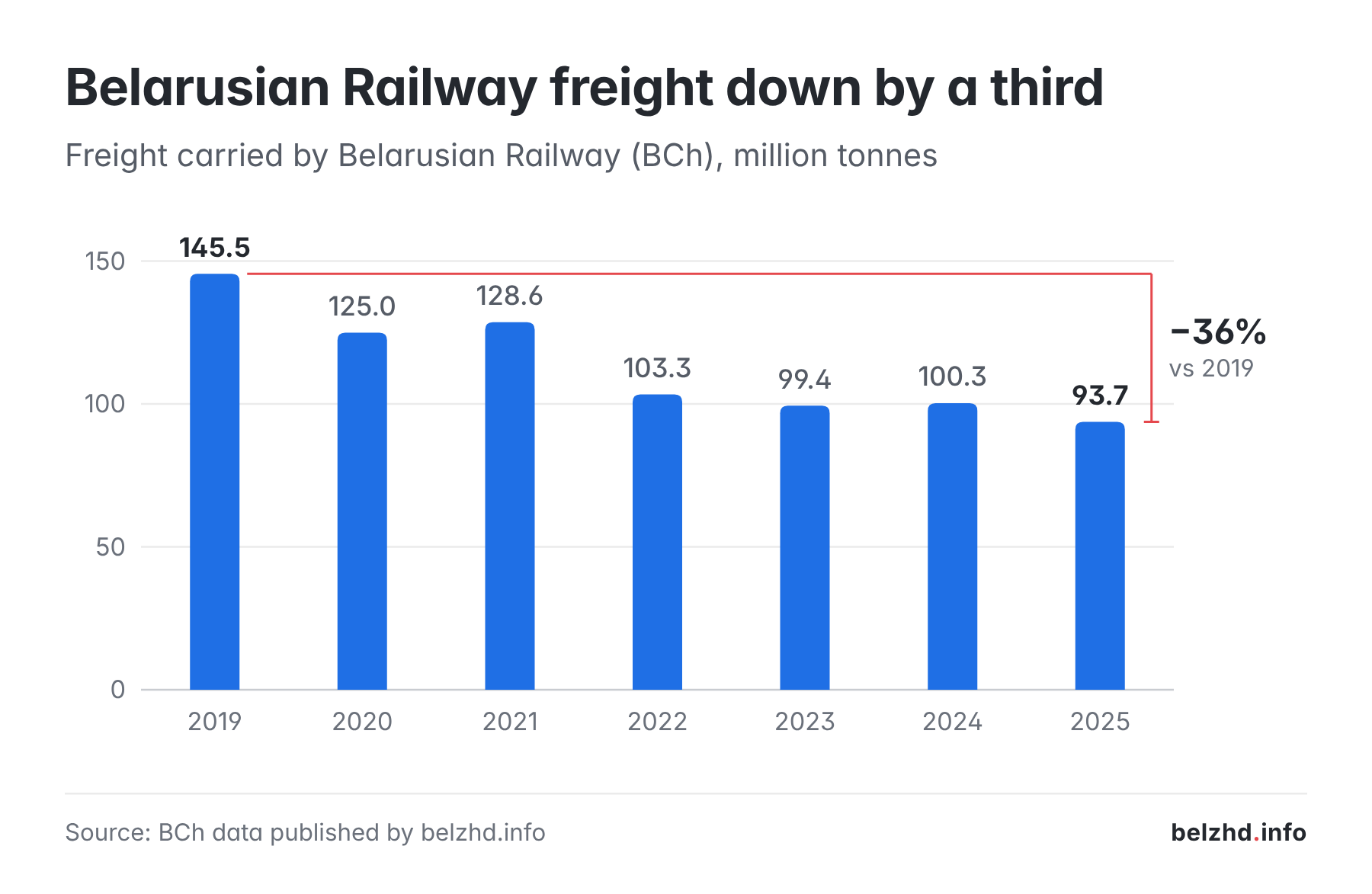
The third track will be useful even without the branch to the airport: it provides reserve line capacity for the future. But is this reserve needed now? Freight traffic on BCh has decreased by more than a third since 2019: from 145.5 million tonnes to 93.7 million in 2025. The overall figure, however, does not indicate the load on a specific section—making it even more important to understand what additional trains are planned to run here and why construction is necessary right now.
Essentially, several projects with different goals and funding are proceeding under one name: the branch to the airport, rail access to “Great Stone,” and the increase in line capacity of the Minsk hub. If the main goal is the airport, it is necessary to know how many passengers will travel by train and when it will actually deliver them to the terminal. If it’s “Great Stone,” what goods and in what volume will go there. If it’s the hub’s line capacity, then that’s what needs to be compared with the costs. And apart from the promised 30 minutes and 20 pairs of trains per day, almost nothing is known about the future service: how many stops there will be, how much the fare will cost, and how airport trains will fit into traffic on the existing line.
These questions are all the more pressing given that BCh has other concerns: serious restrictions in international transportation, worn-out rolling stock that is not being renewed fast enough, a shortage of spare parts for repairing imported equipment, and existing infrastructure that constantly requires investment. The point is not that a railway to the airport or the industrial park is unnecessary. But before spending hundreds of millions of budget rubles, one must calculate what will be gained for them.
There is also the question of alternatives. Would the same money yield a greater transport effect elsewhere? Will there be additional costs later for maintaining a new line if it turns out to be underutilized? The justification for construction should show not only its benefits but also why the chosen solution is better than others.
After so many years of promises, construction has finally begun. But already for the first stage, which itself will not lead to the airport, the new schedule allocates a fifth more money and almost a year more time. And the main thing remains unknown: when passengers will travel to the airport by train and what it will ultimately cost.
Related reading:
“High-speed commuter train” to the airport: you’ve been waiting eight years for what was promised, at your expense;
High-speed commuter train to the airport: Monitoring implementation;
Development plan or survival plan? What the Ministry of Transport instructed BCh for 2026 ;
From Stadler to ChME3: how spare parts shortages complicate BCh rolling stock repairs.