On August 13, 2026, in Moscow, at the Russian Ministry of Transport, First Deputy Minister of Transport and Communications of Belarus Grigory Glazko and State Secretary – Deputy Minister of Transport of the Russian Federation Dmitry Zverev signed the minutes of the meeting and the minutes of the session of the Joint Commission under the 2022 agreement on cargo transportation through transport corridors. Neither ministry has disclosed what is recorded in these minutes.
The agenda also included progress on the draft Action Plan for the implementation of Section 5, “Transport,” of the Main Directions for Implementing the Treaty on the Creation of the Union State for 2027–2029. The Union State Council of Ministers approved the Main Directions themselves on October 1 in Minsk. Neither the text itself nor the transport section has been published to date.
We obtained a copy of the draft plan as of July 2026, as well as the positions of several Belarusian agencies on an earlier version of it. We compared them with the 2019–2021 documents, when Minsk and Moscow were preparing the previous “roadmap” for unifying the transport market, including within the framework of building the Union State.

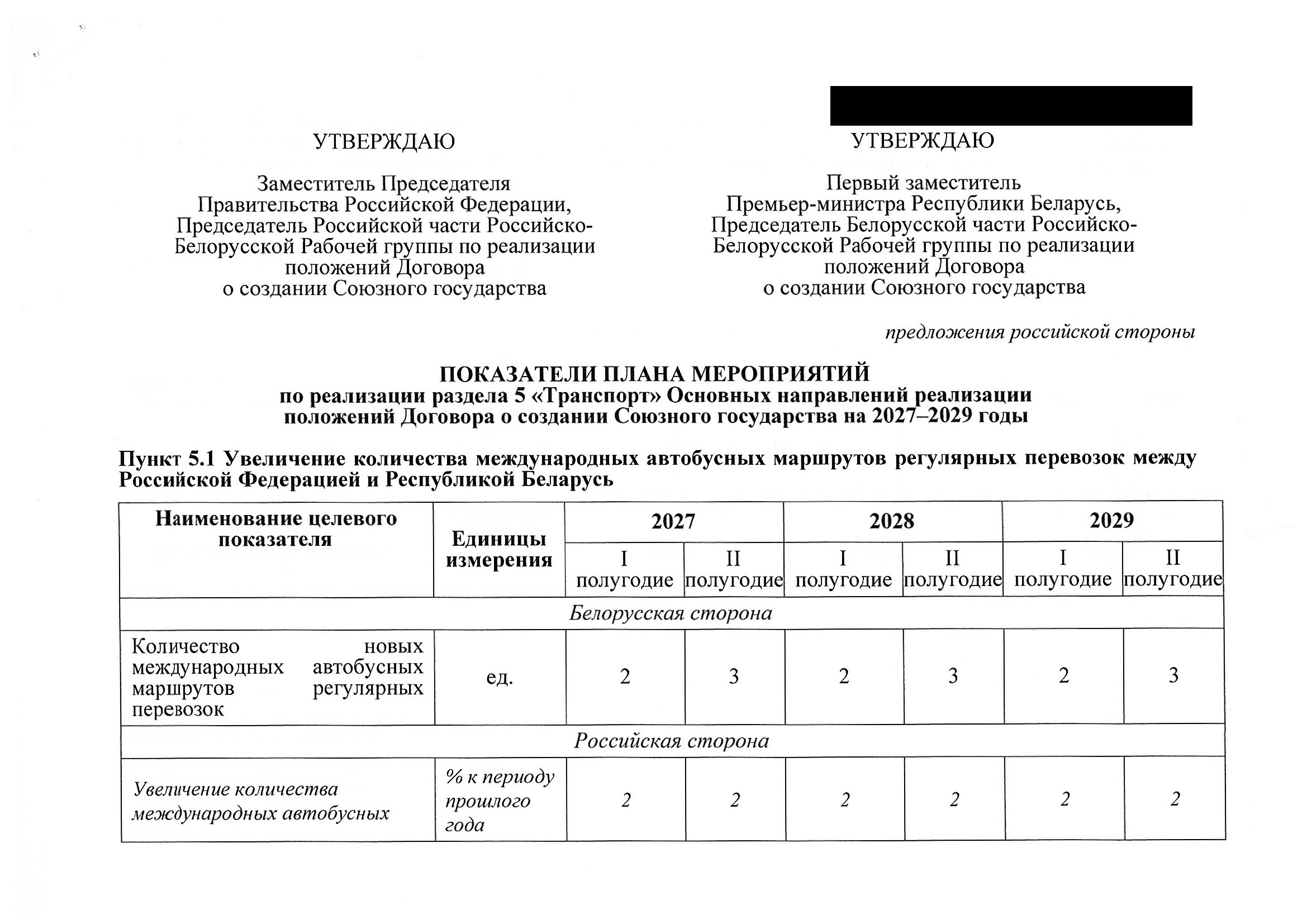
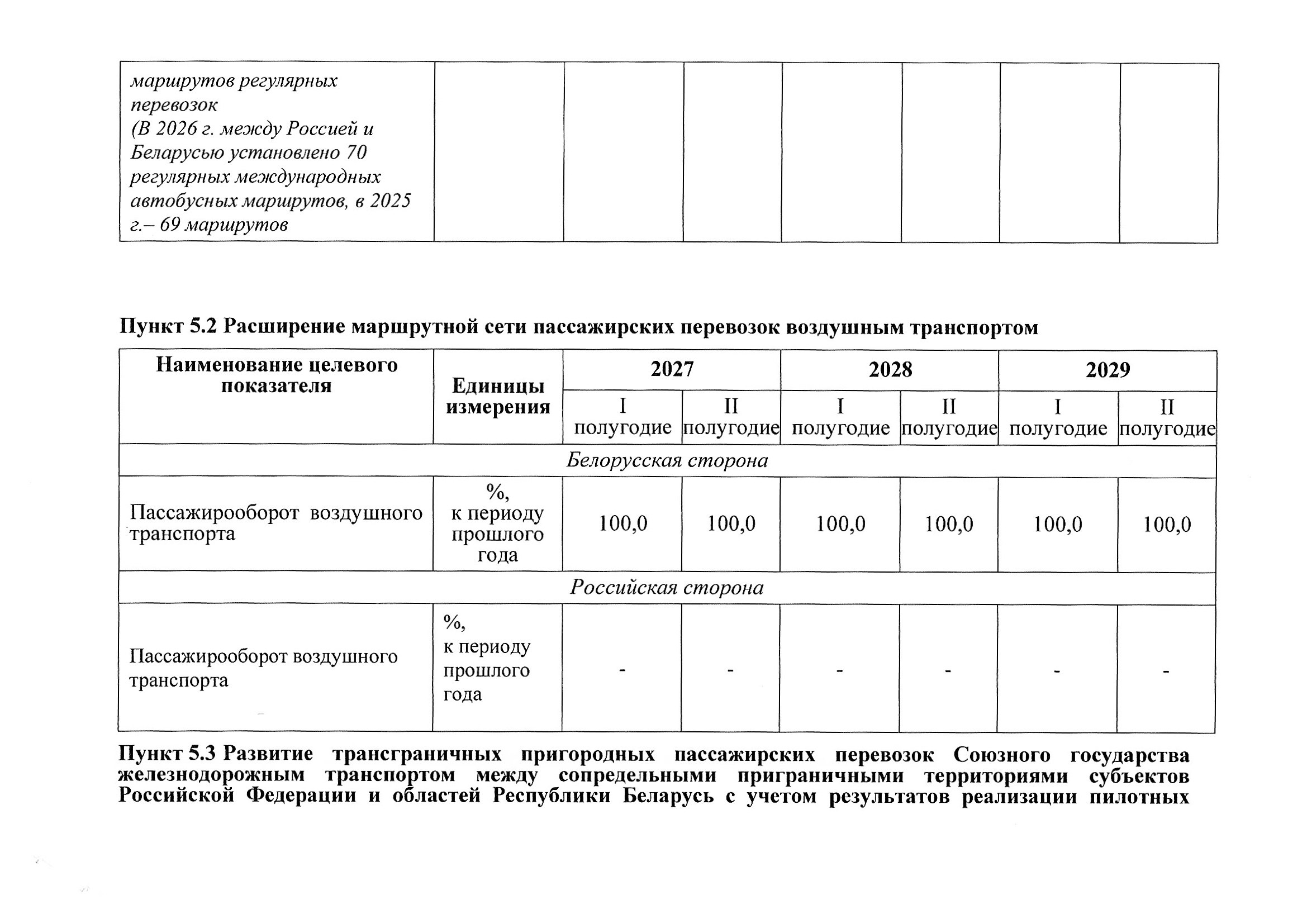
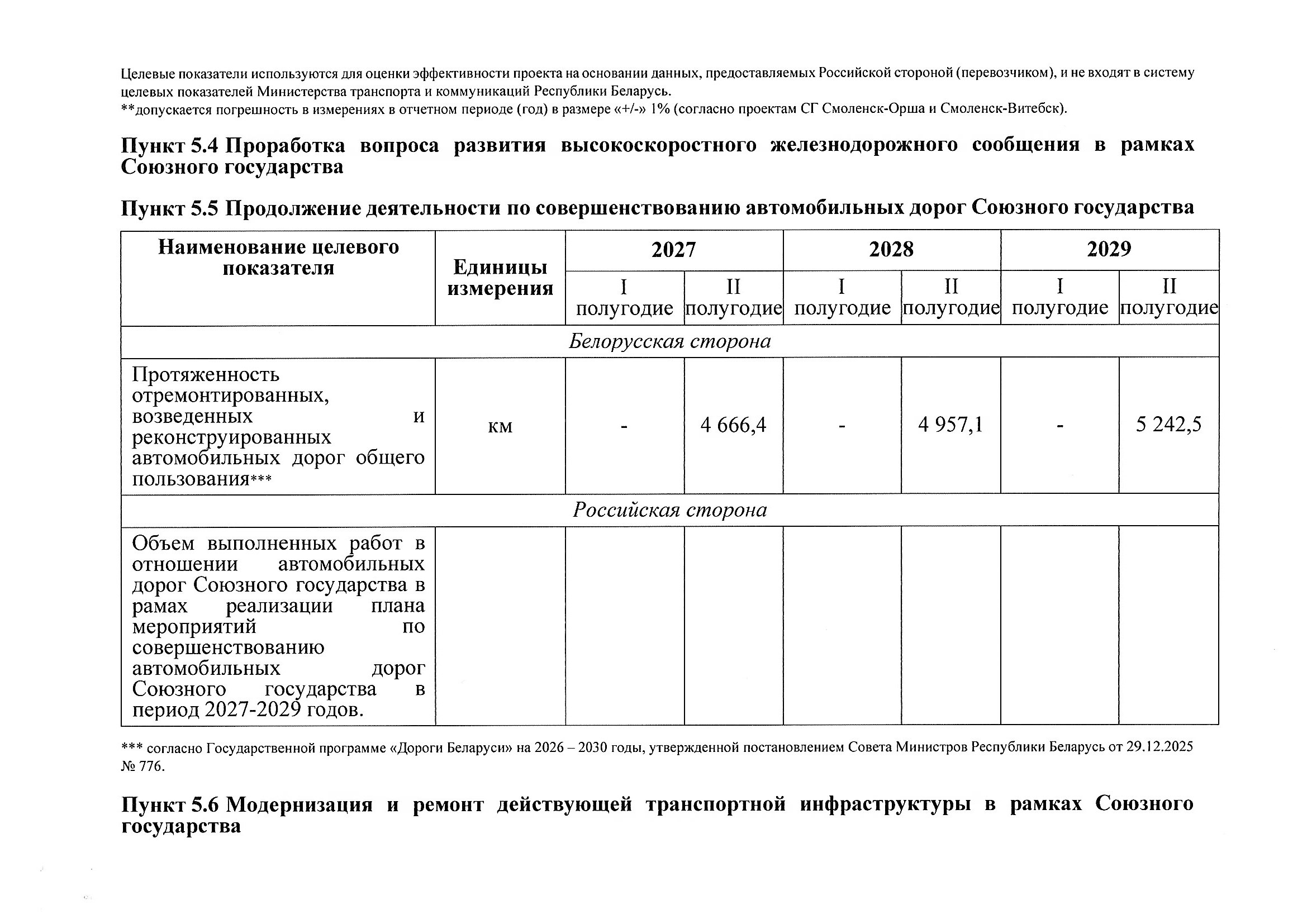
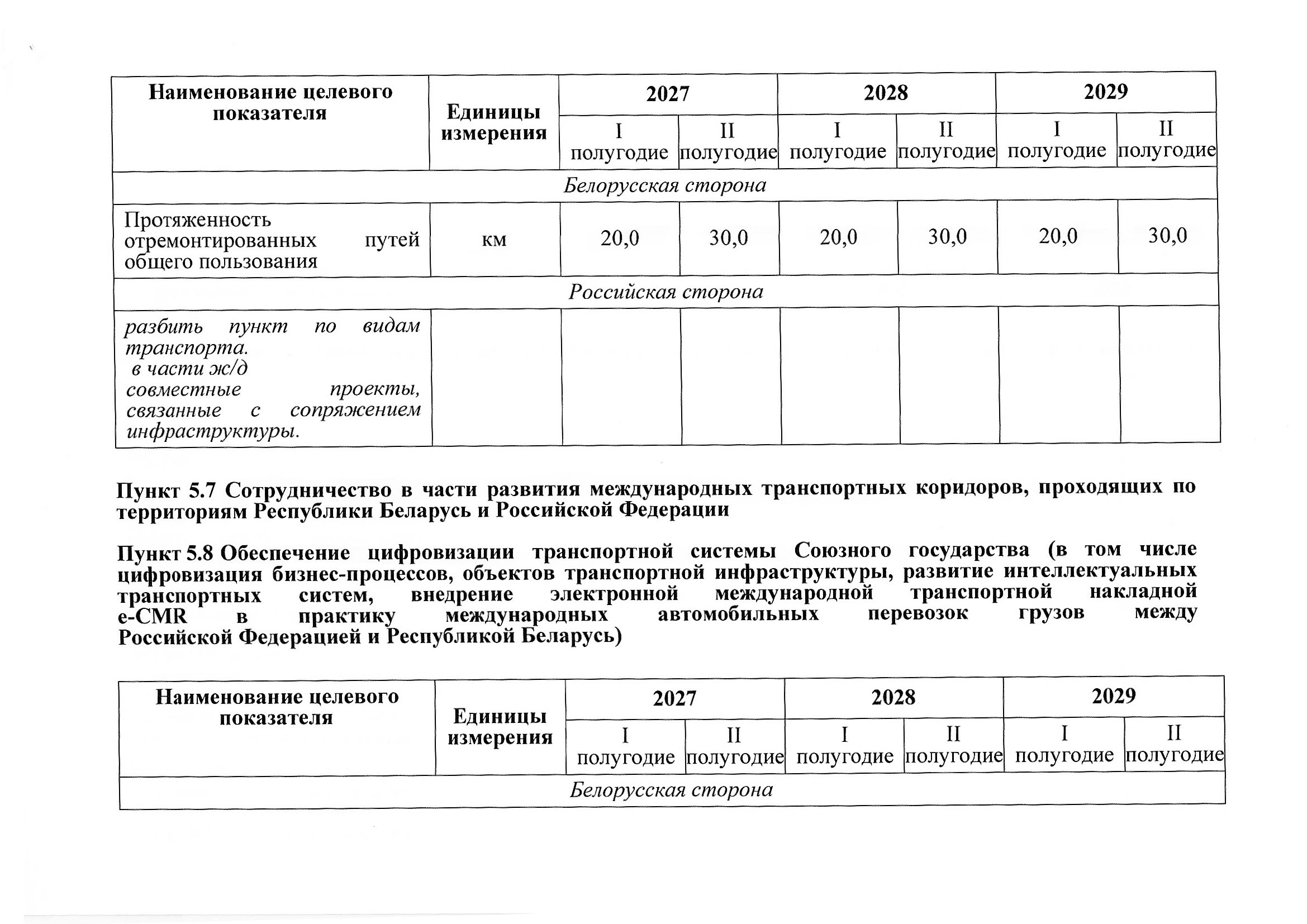
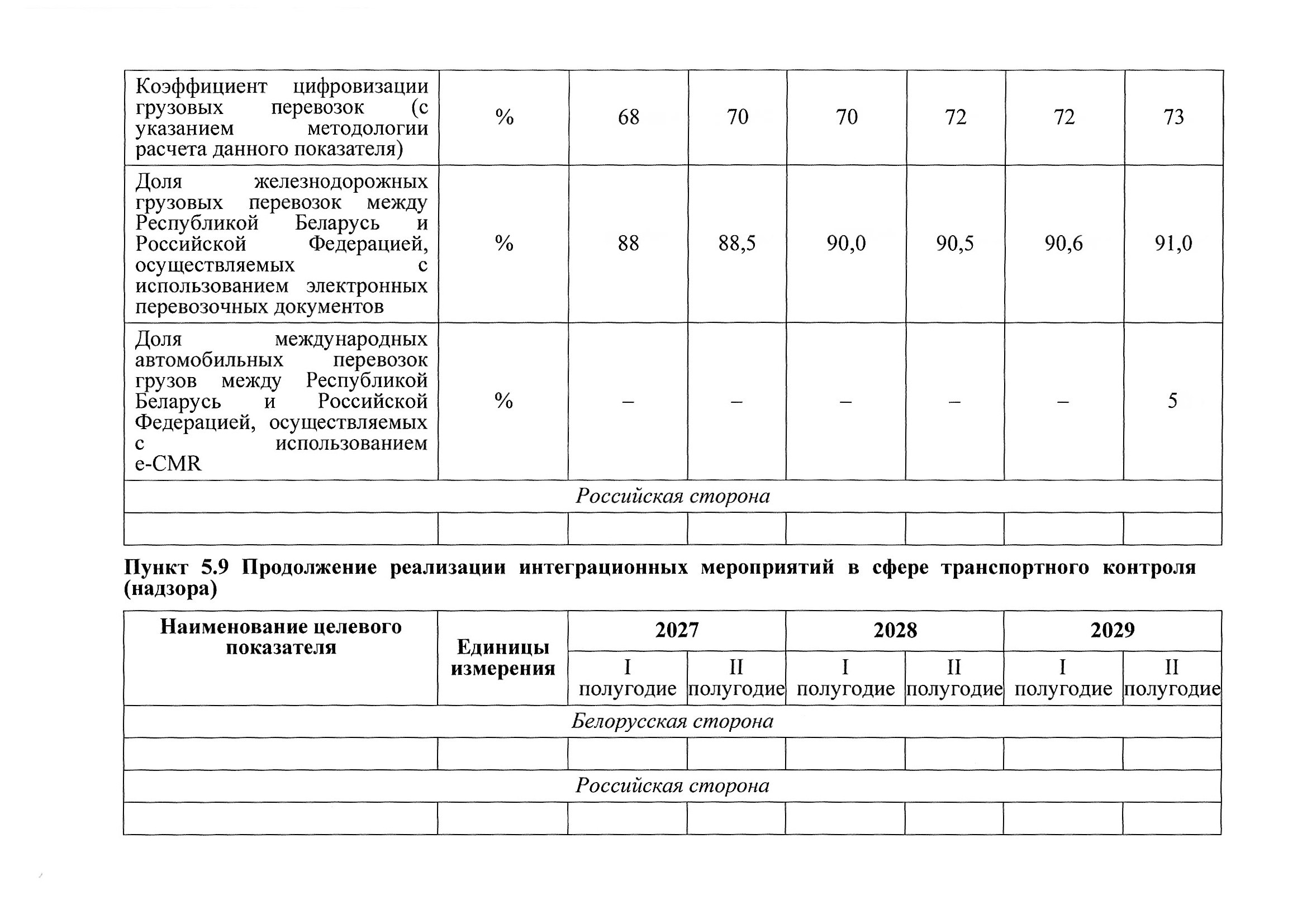
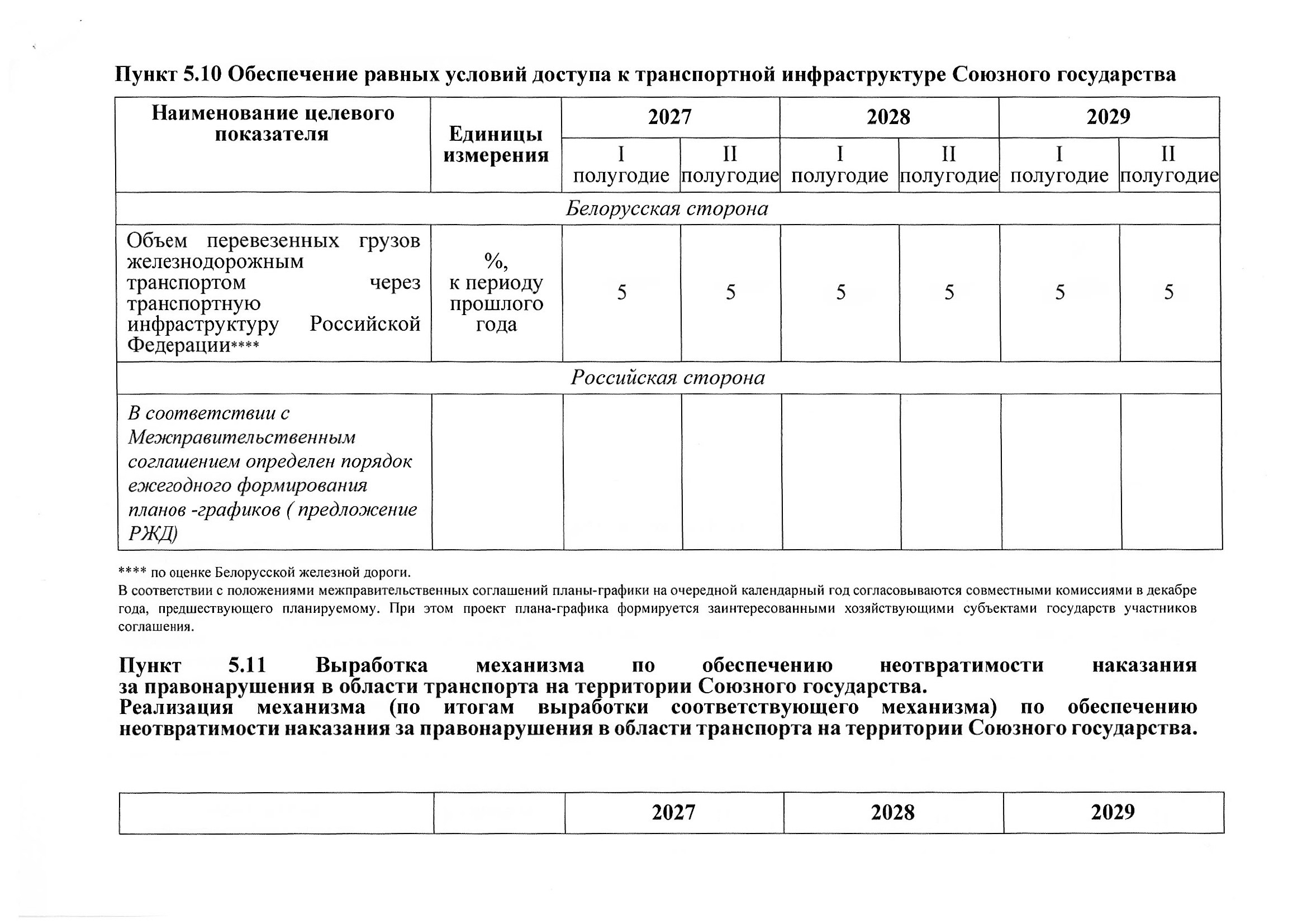
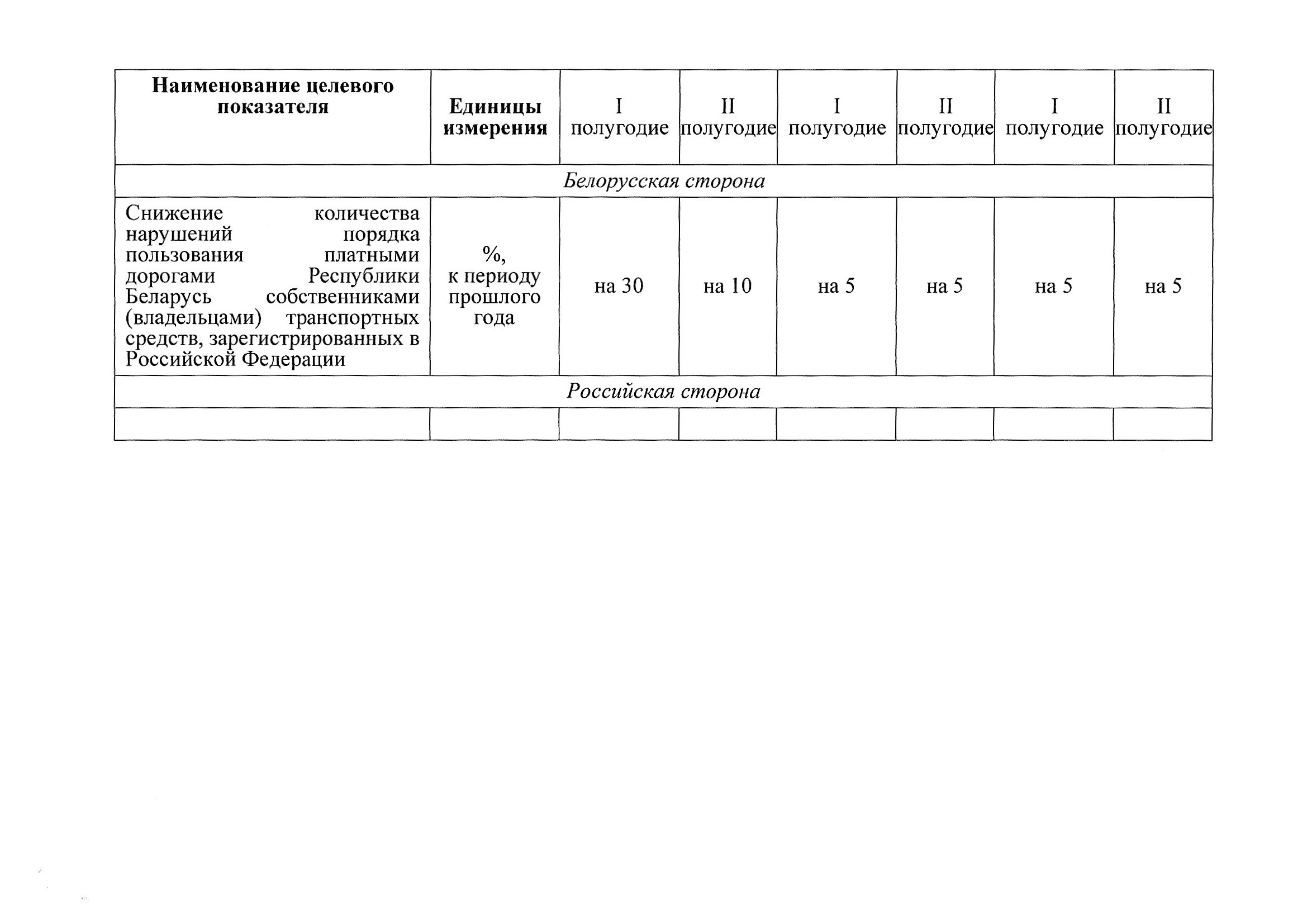
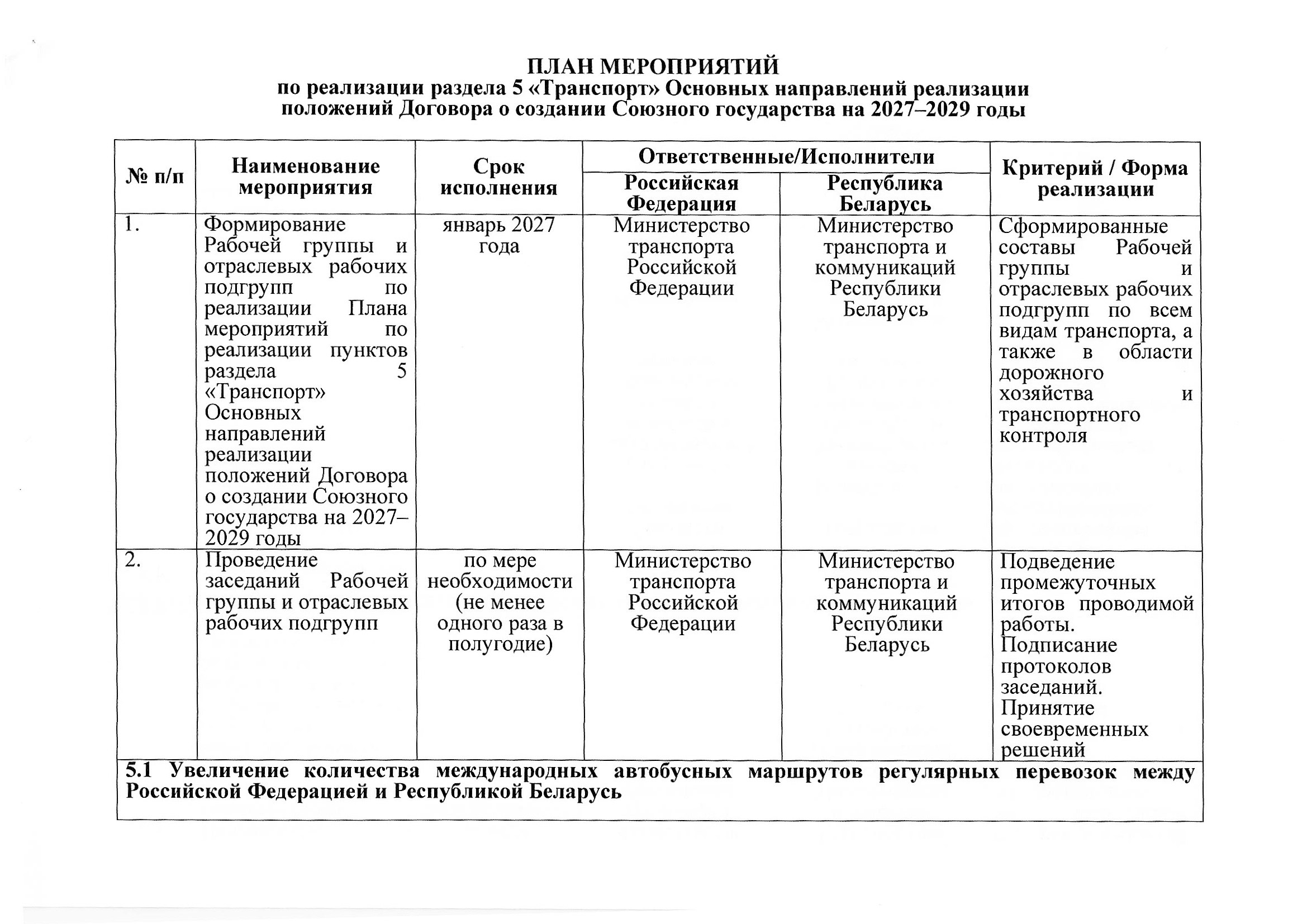
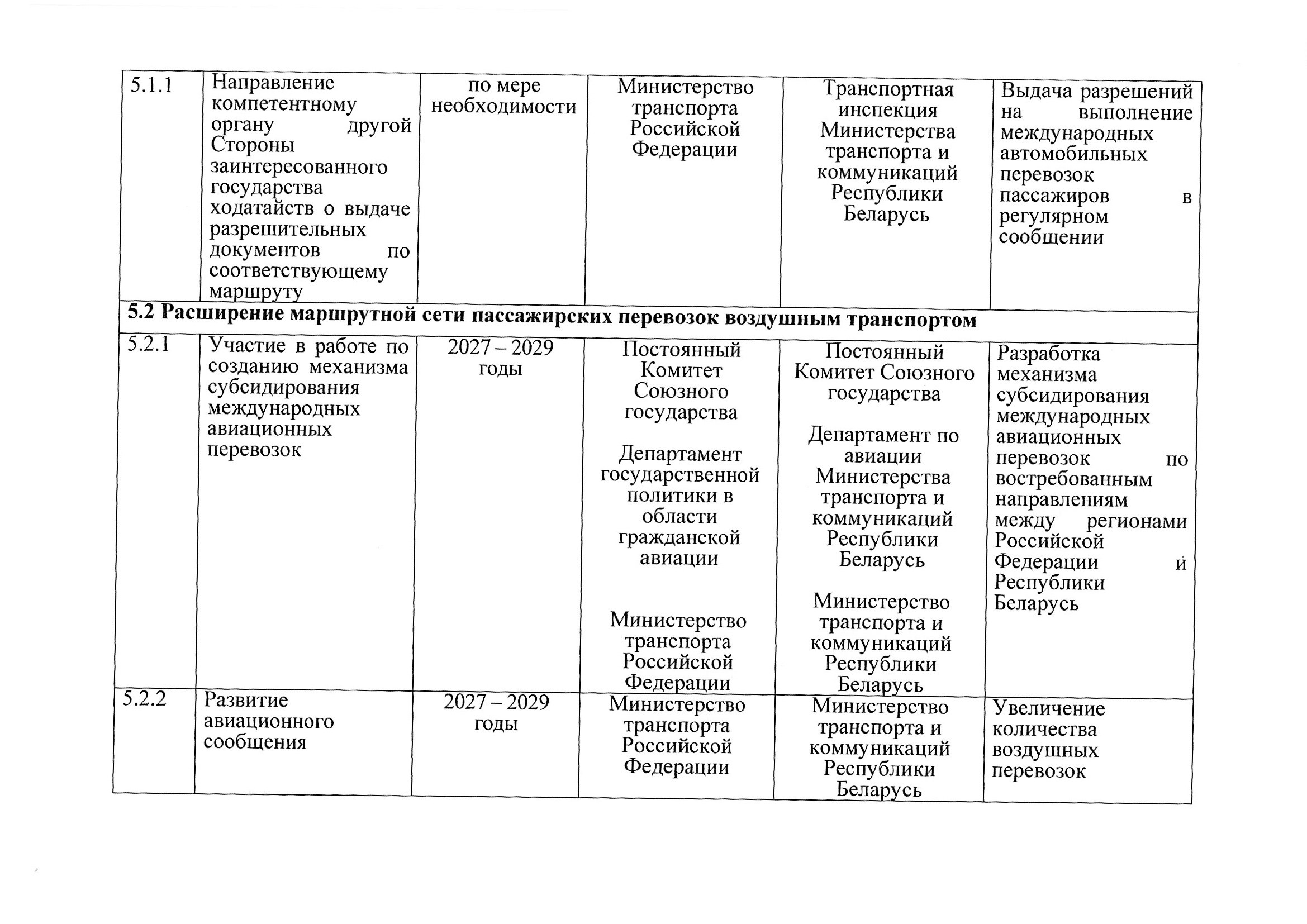
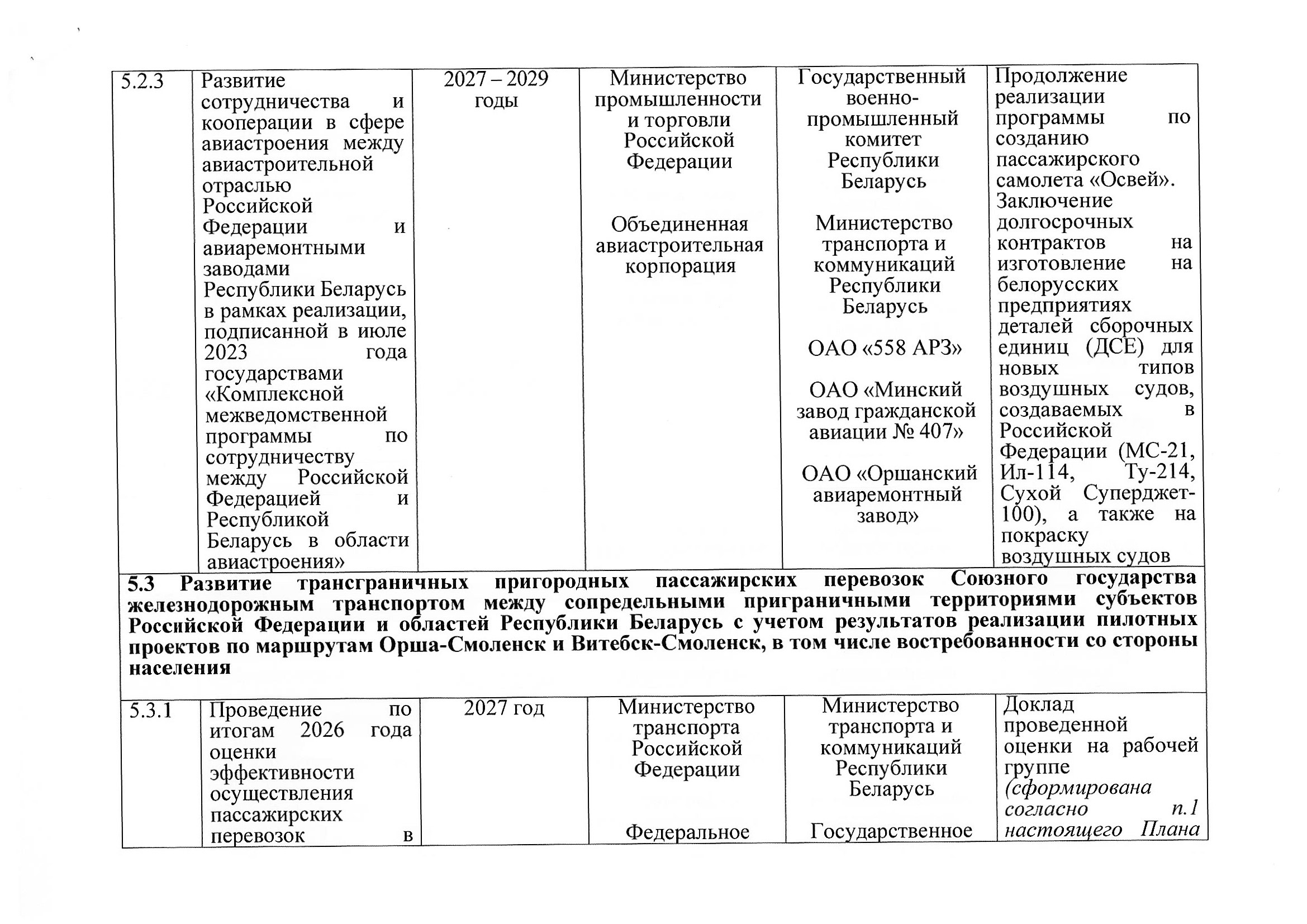
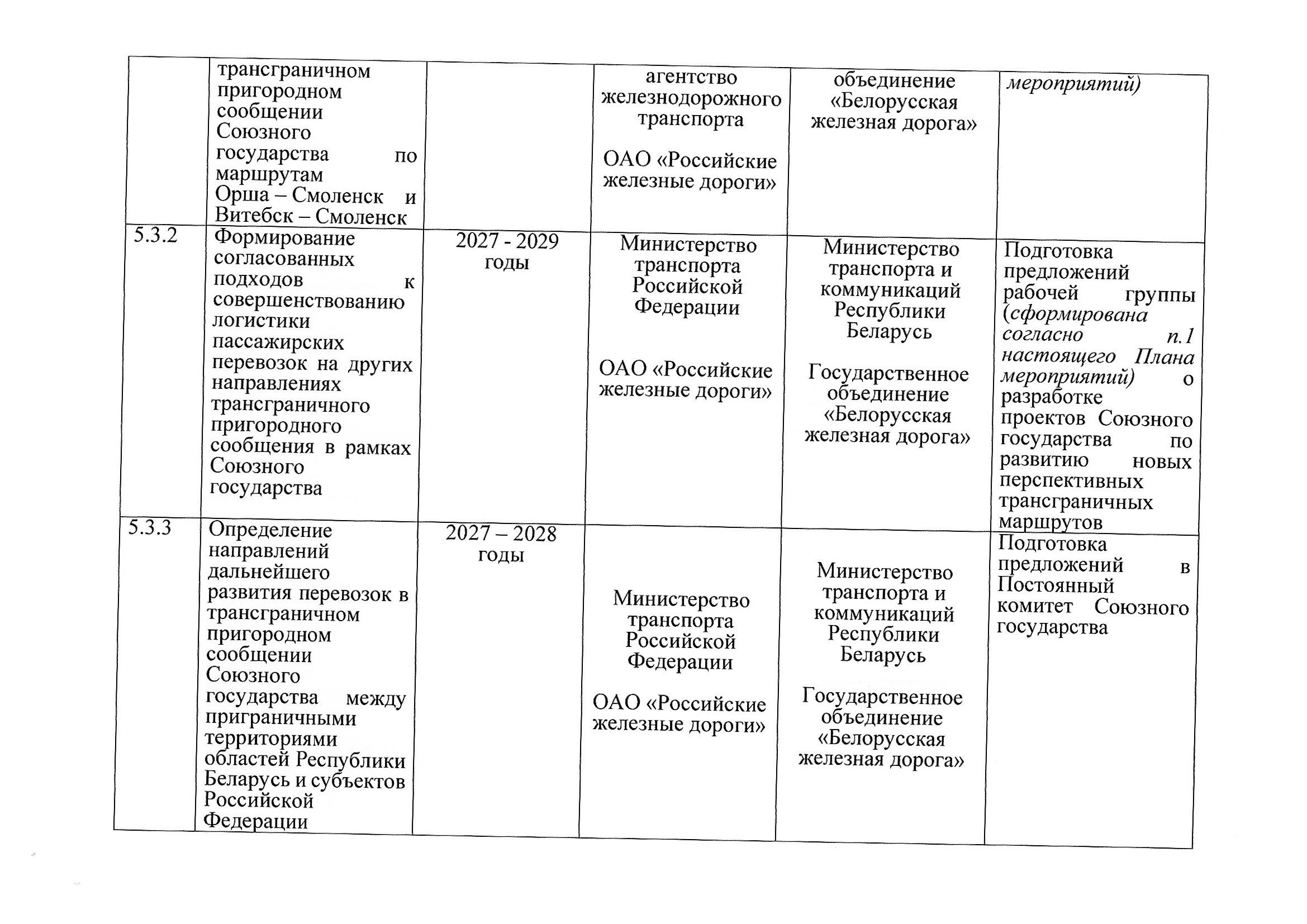
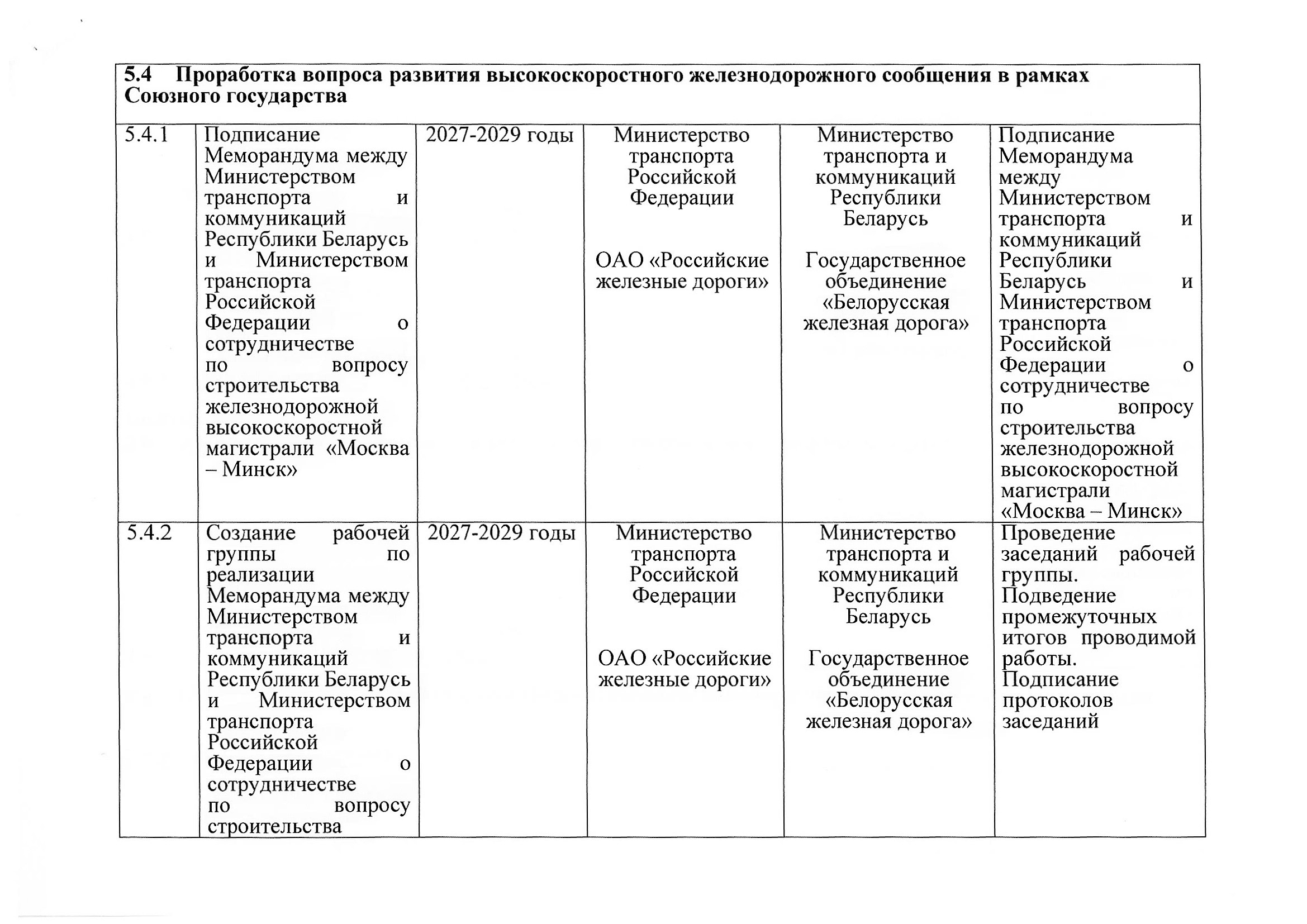
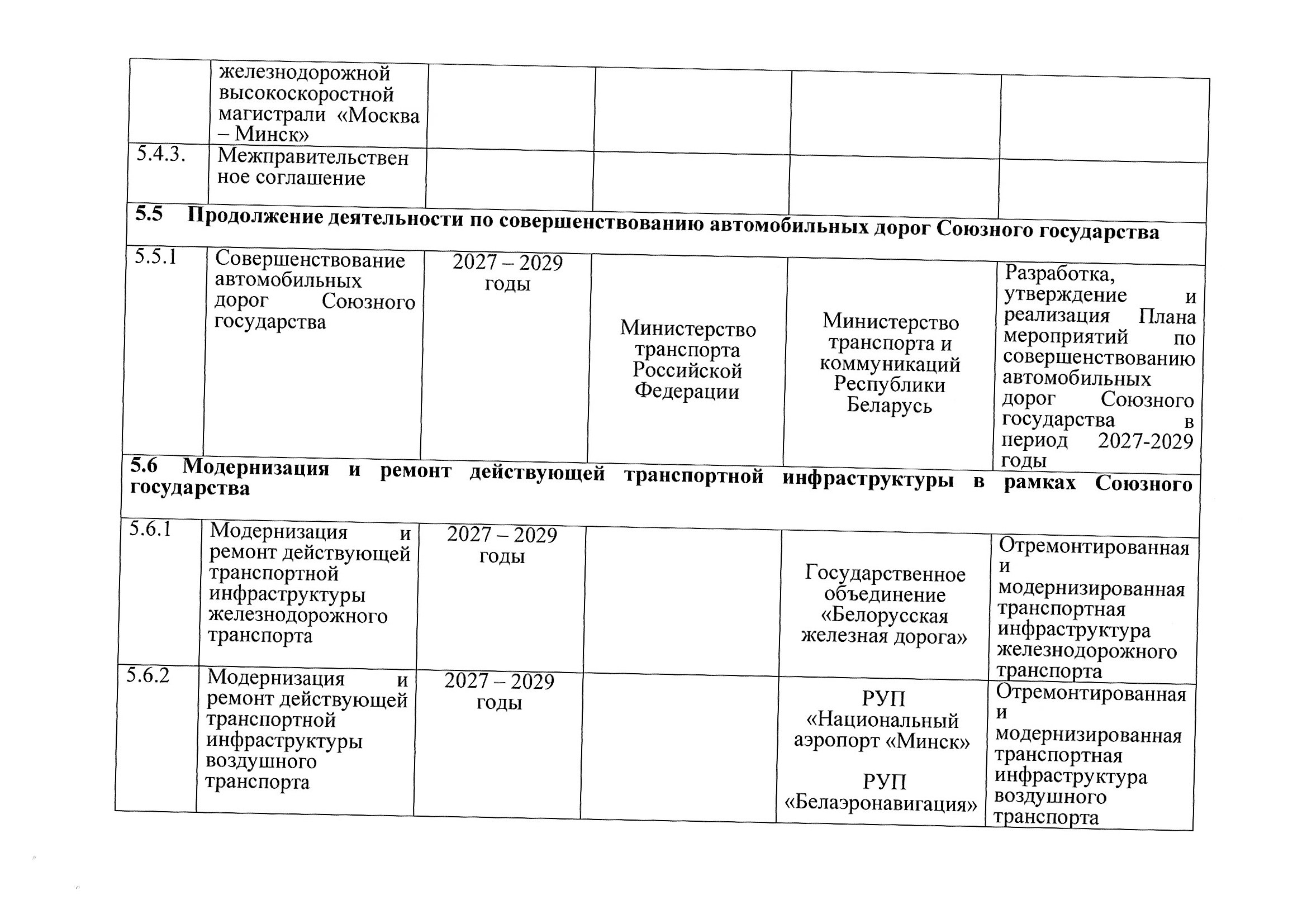
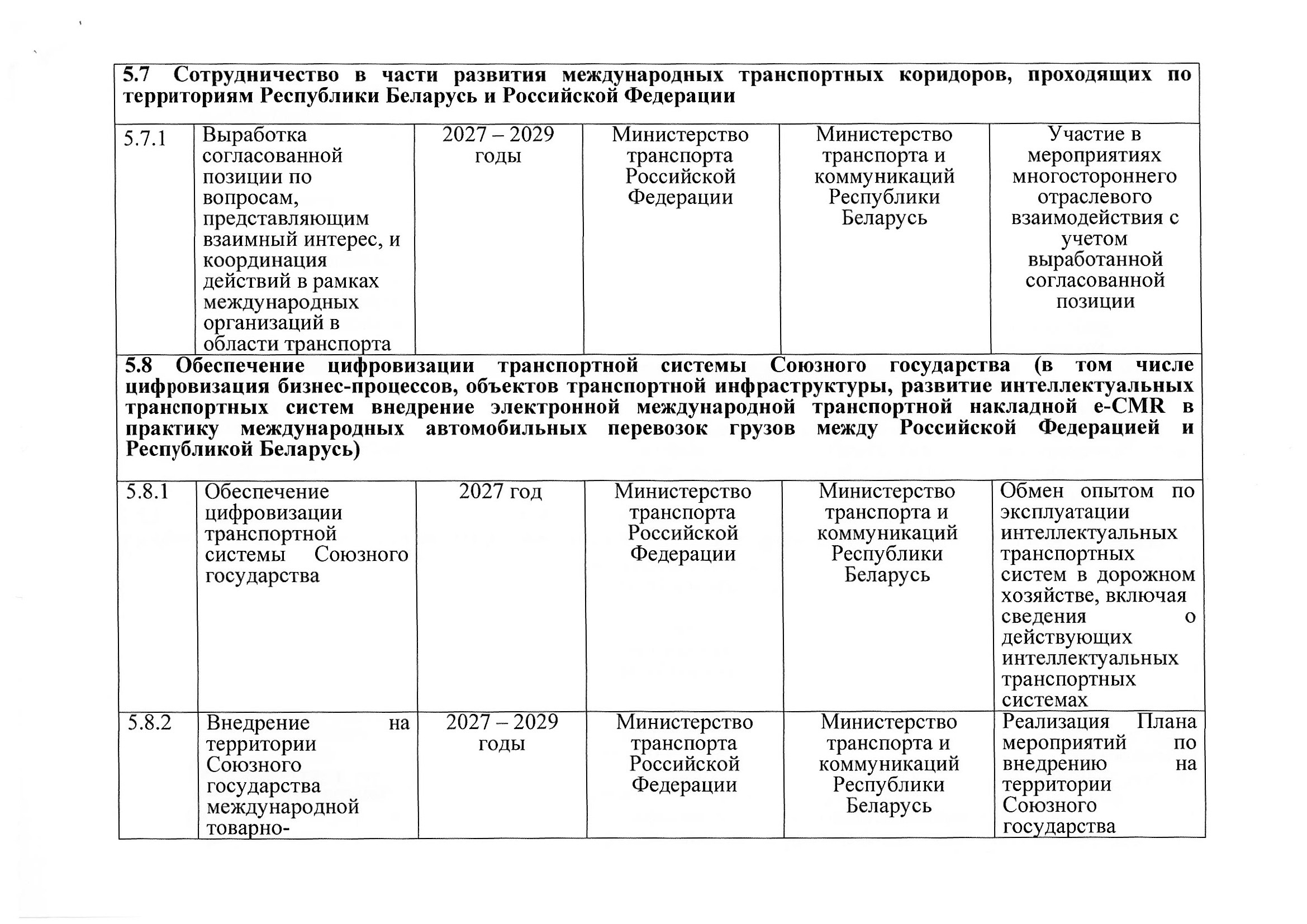
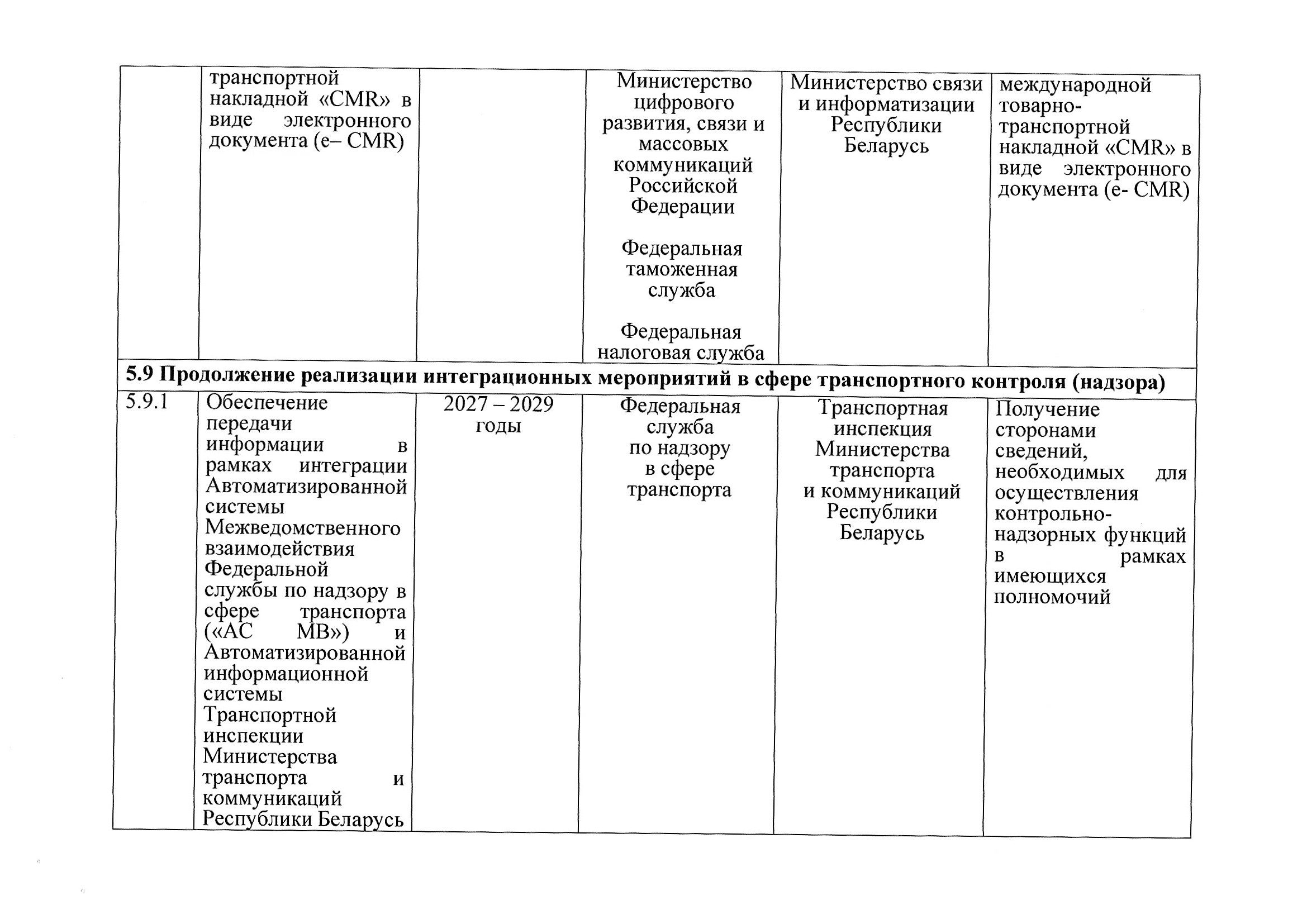
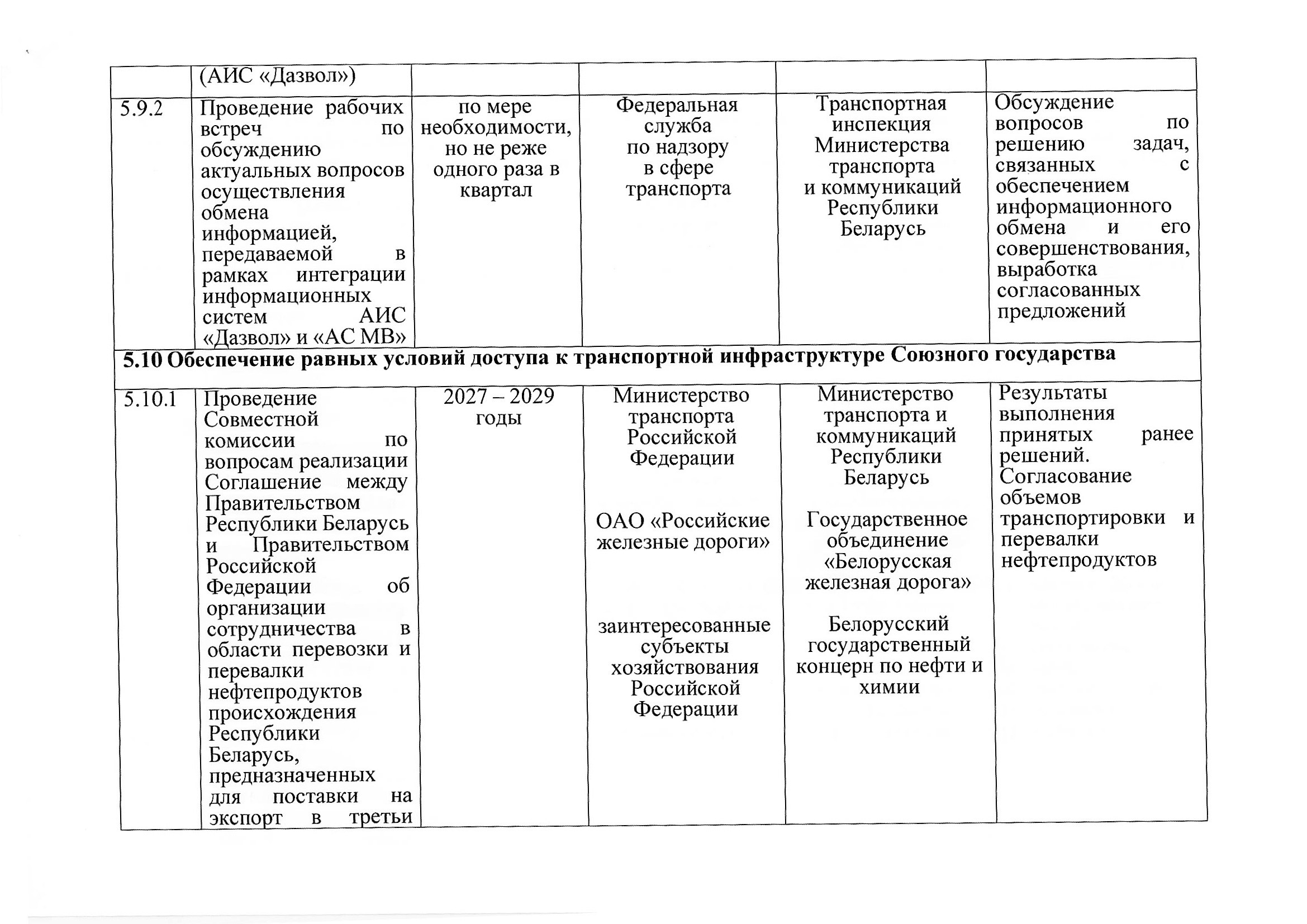
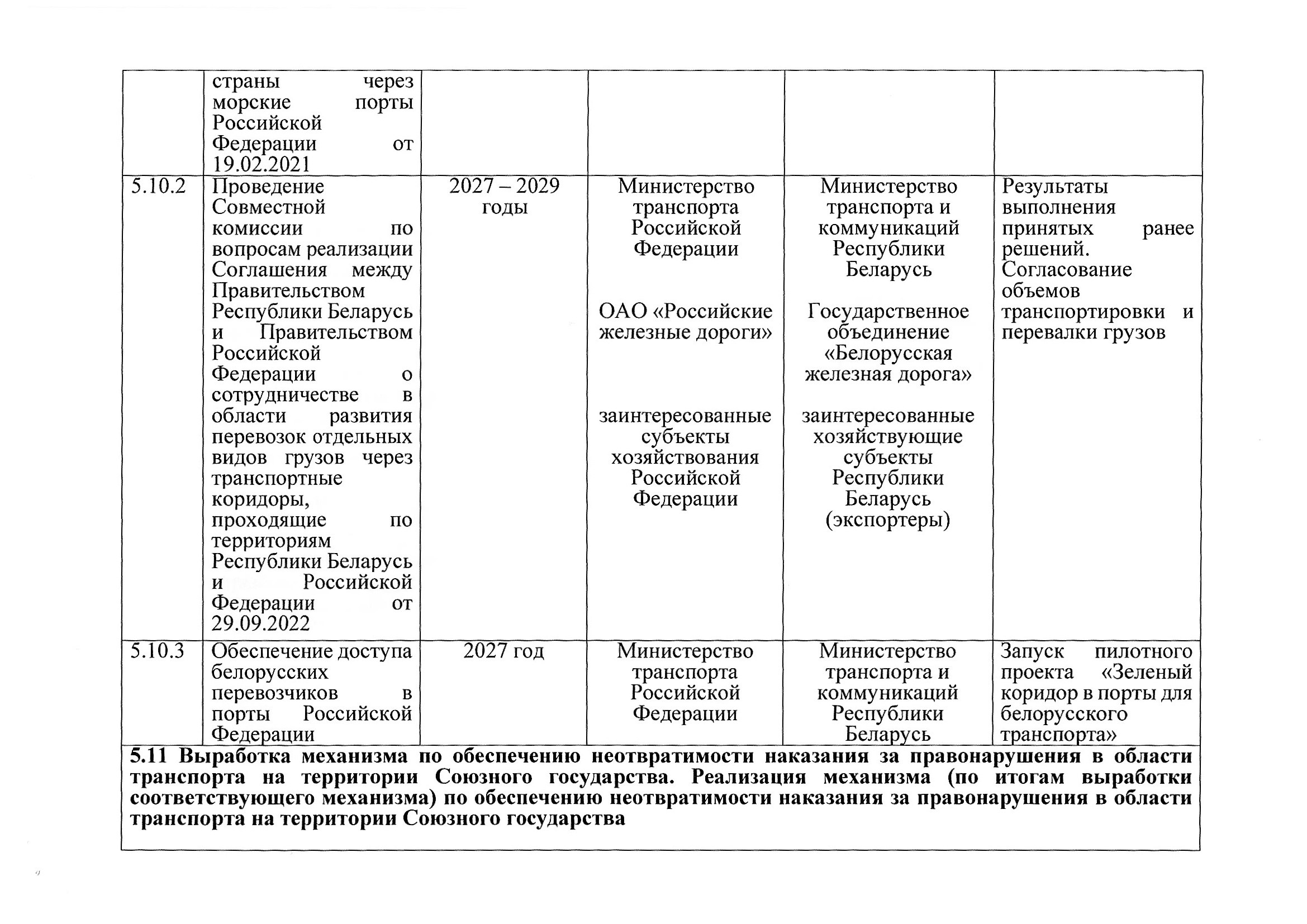
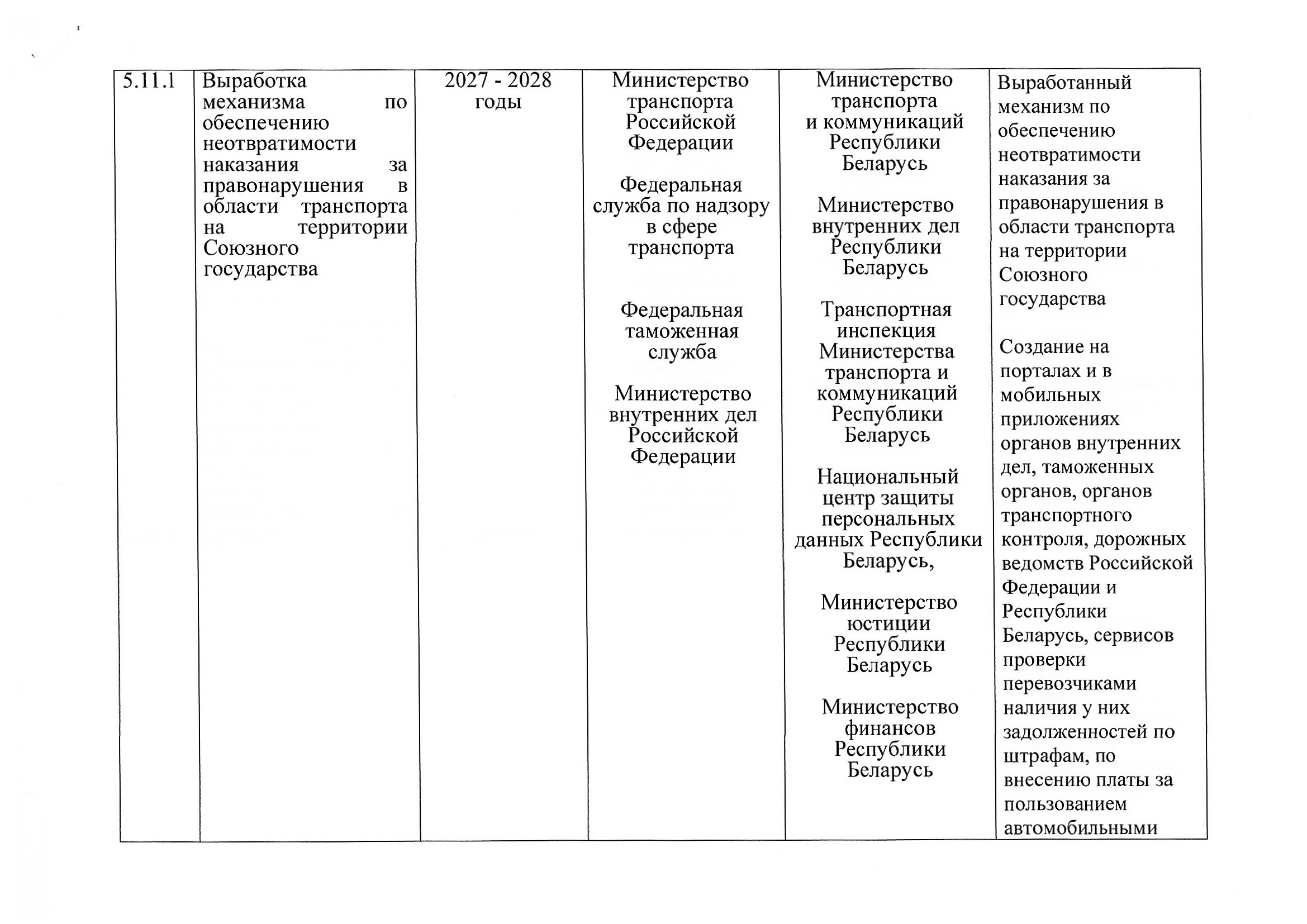
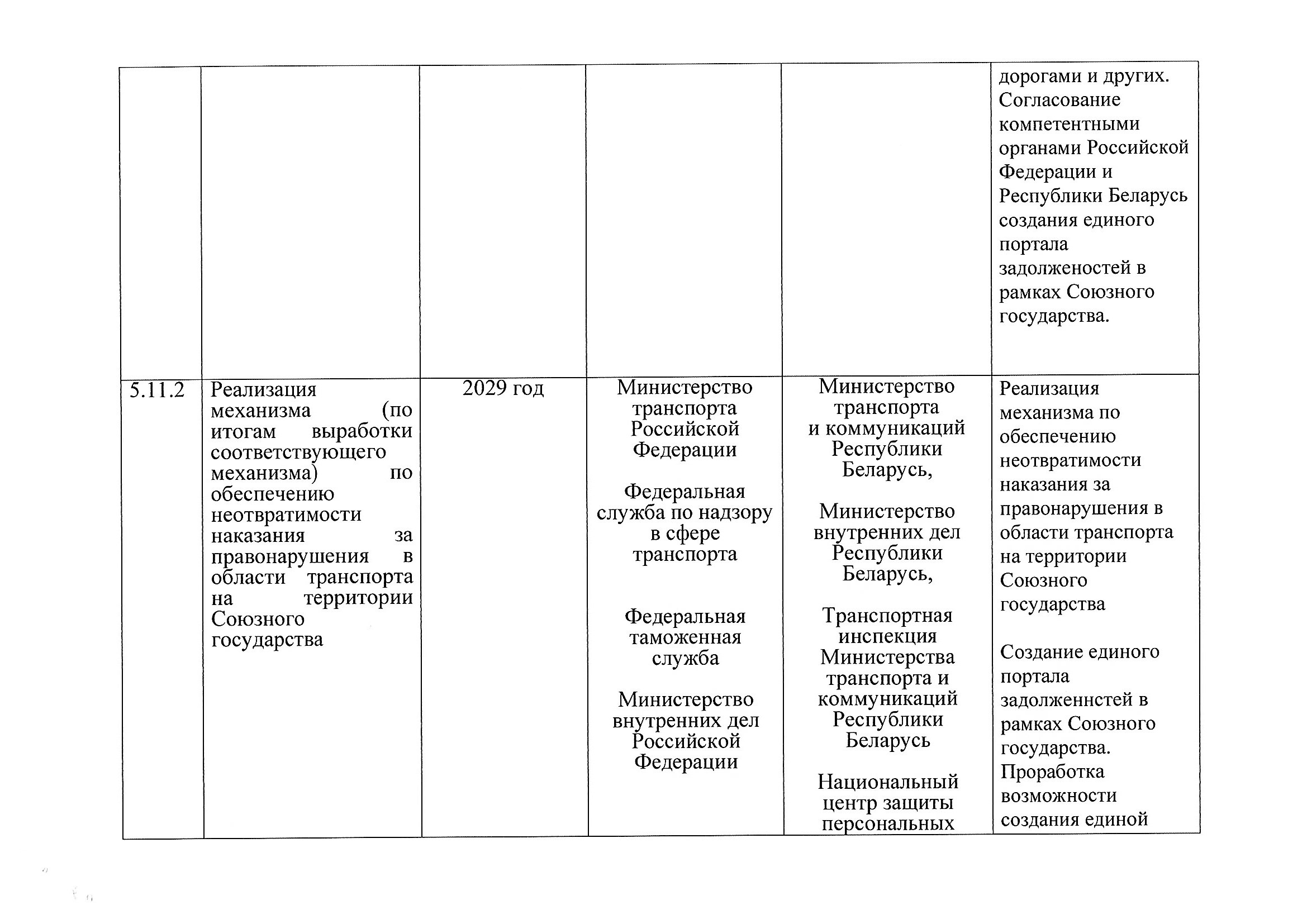
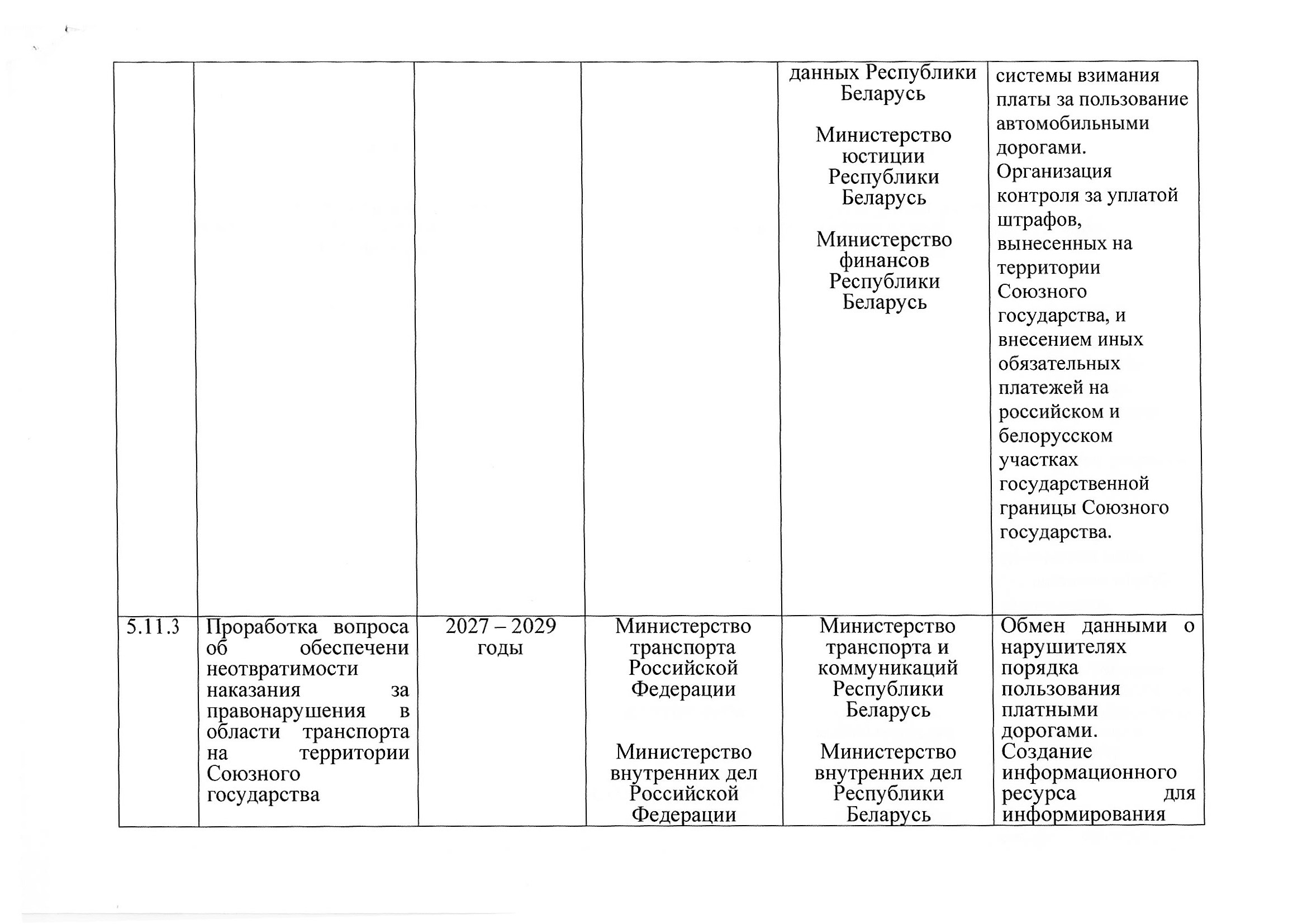
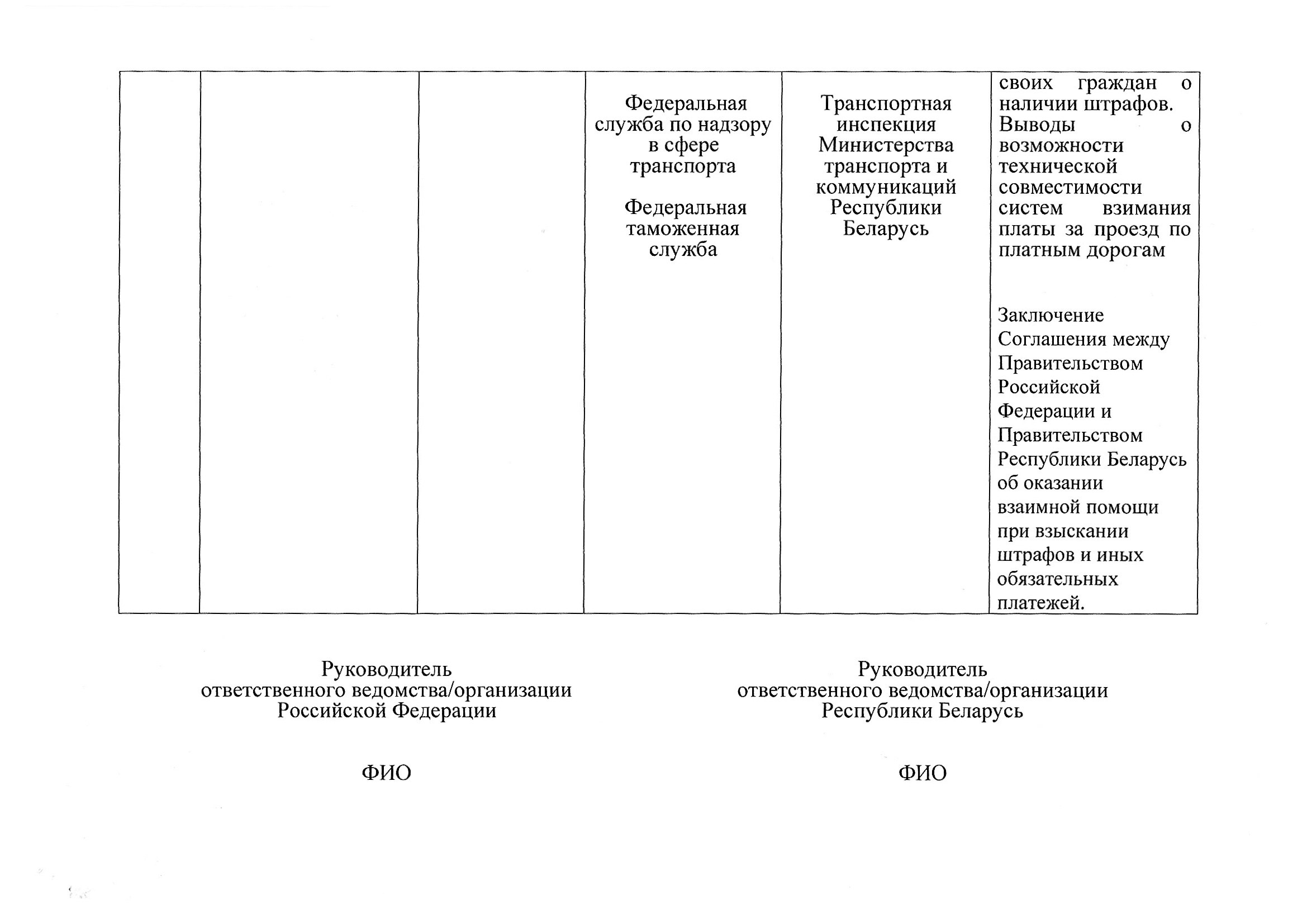
The resulting picture is telling. Seven years ago, the Russian Ministry of Transport proposed “synchronizing” Belarusian railway legislation with Russian law, opening Belarusian infrastructure to carriers, and operating traffic according to a consolidated train diagram, while the Belarusian side struck these points out. Now Minsk is taking on specific figures and asking for guarantees of access to Russian infrastructure, while Moscow provides almost no figures of its own in the railway items: its columns contain a reference to the intergovernmental agreement, a note reading “Russian Railways’ proposal,” or a request to “break the item down by mode of transport.”
Let’s go back to 2019. In September, following a working meeting with the Prime Minister on Union-building matters, the Belarusian Ministry of Transport and Communications began preparing proposals for the draft Roadmap for Unifying Regulation of the Belarusian and Russian Transport Markets for 2019–2020. The railway section was assigned to BCh. On September 23, an expert-level meeting of the ministries was held in Moscow.
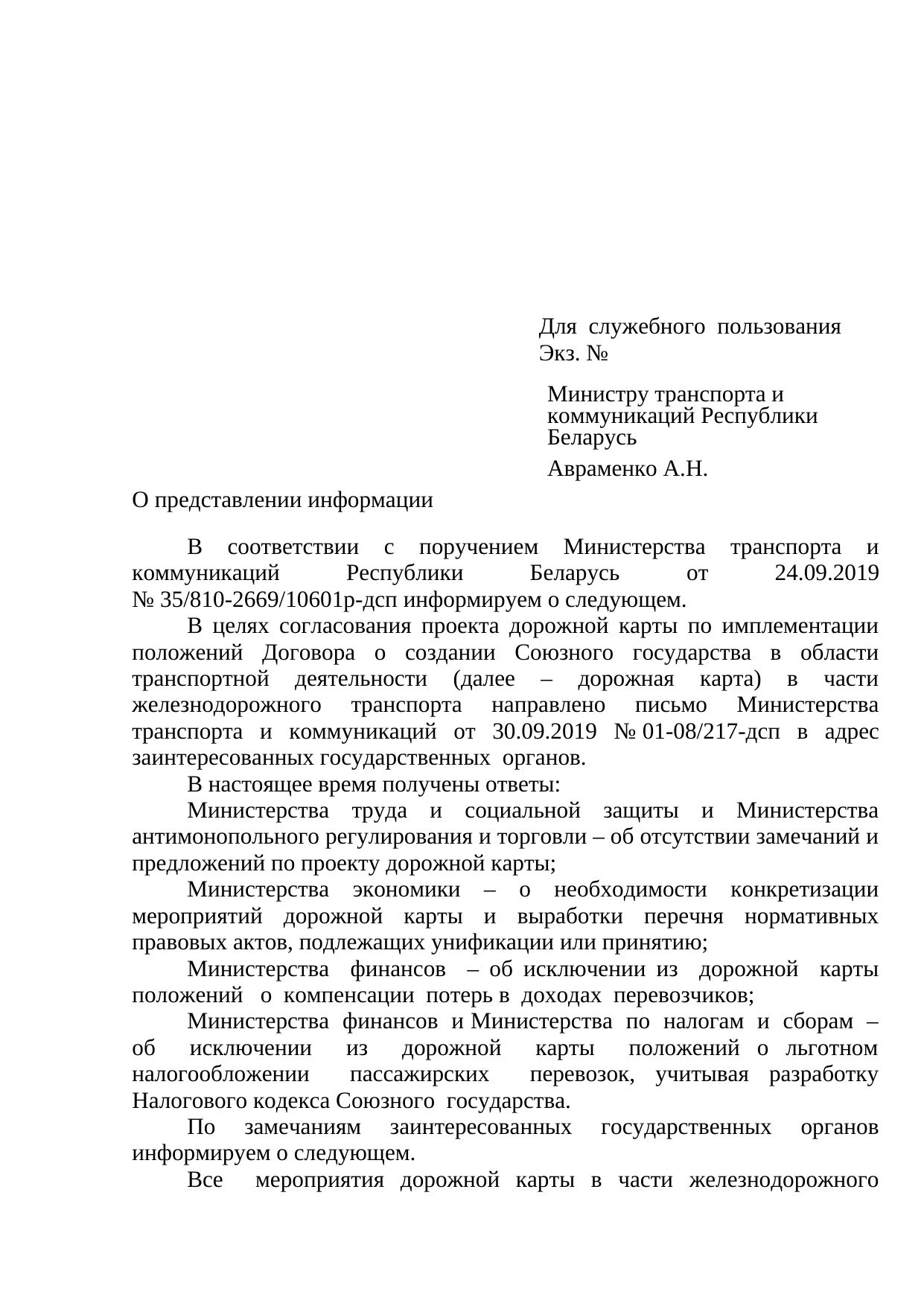
Even then, the shared text contained formulations that would later become points of contention. They were absent from the version BCh sent to the Ministry of Transport and Communications in late September: BCh had excluded tariffs, citing the antimonopoly ministry’s jurisdiction, and carriers’ access to infrastructure, without further explanation. The Belarusian version was approved by the relevant ministries and prepared for dispatch to Moscow.
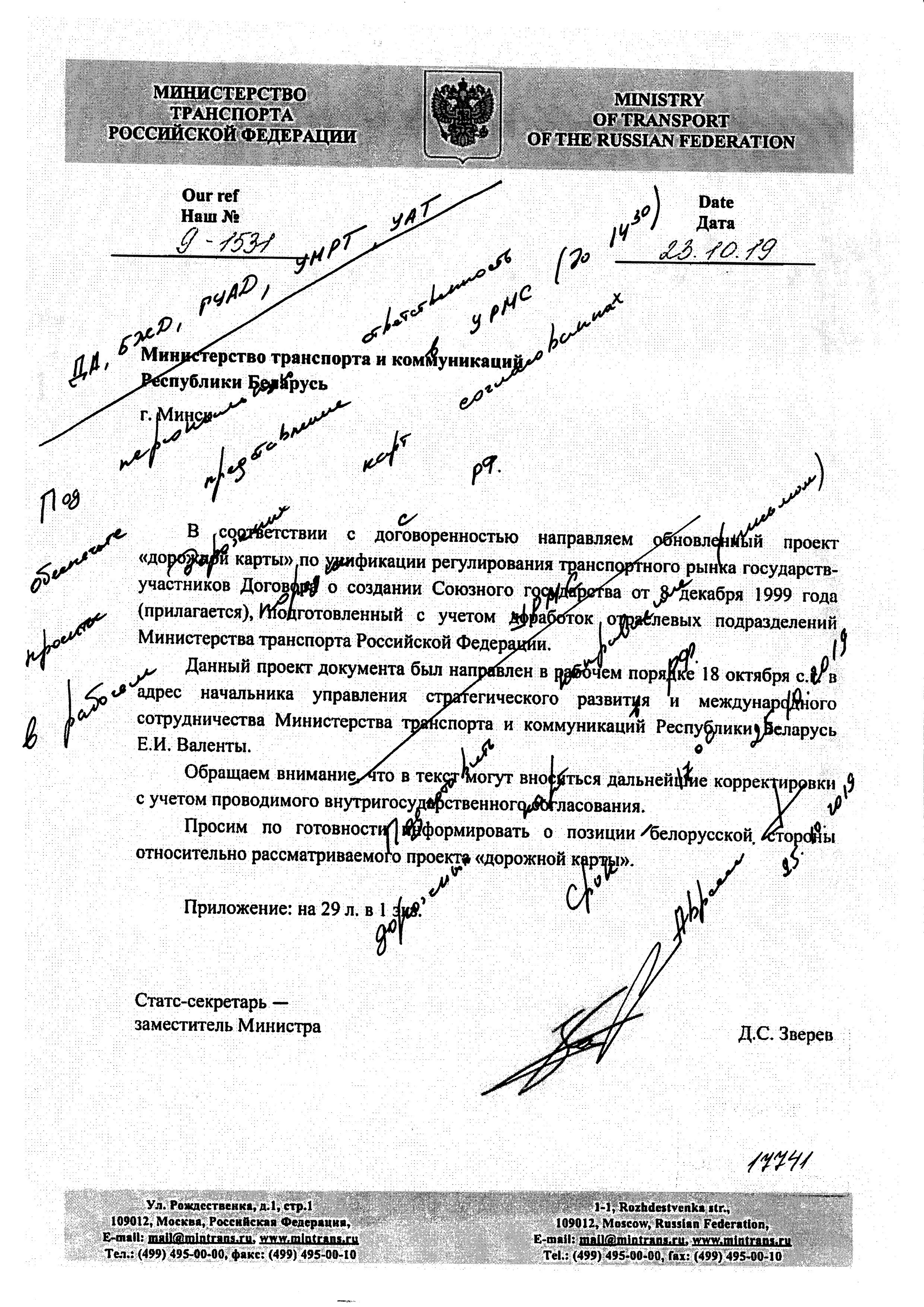
Moscow’s response followed on October 18. The Russian side informally forwarded its consolidated draft “roadmap” to Minsk, and on October 23 Deputy Minister of Transport of the Russian Federation Zverev sent it officially — an “updated draft,” “prepared taking into account revisions by the sectoral divisions of the Ministry of Transport of the Russian Federation.” This was the same Zverev who, seven years later, would receive the Belarusian delegation in Moscow.
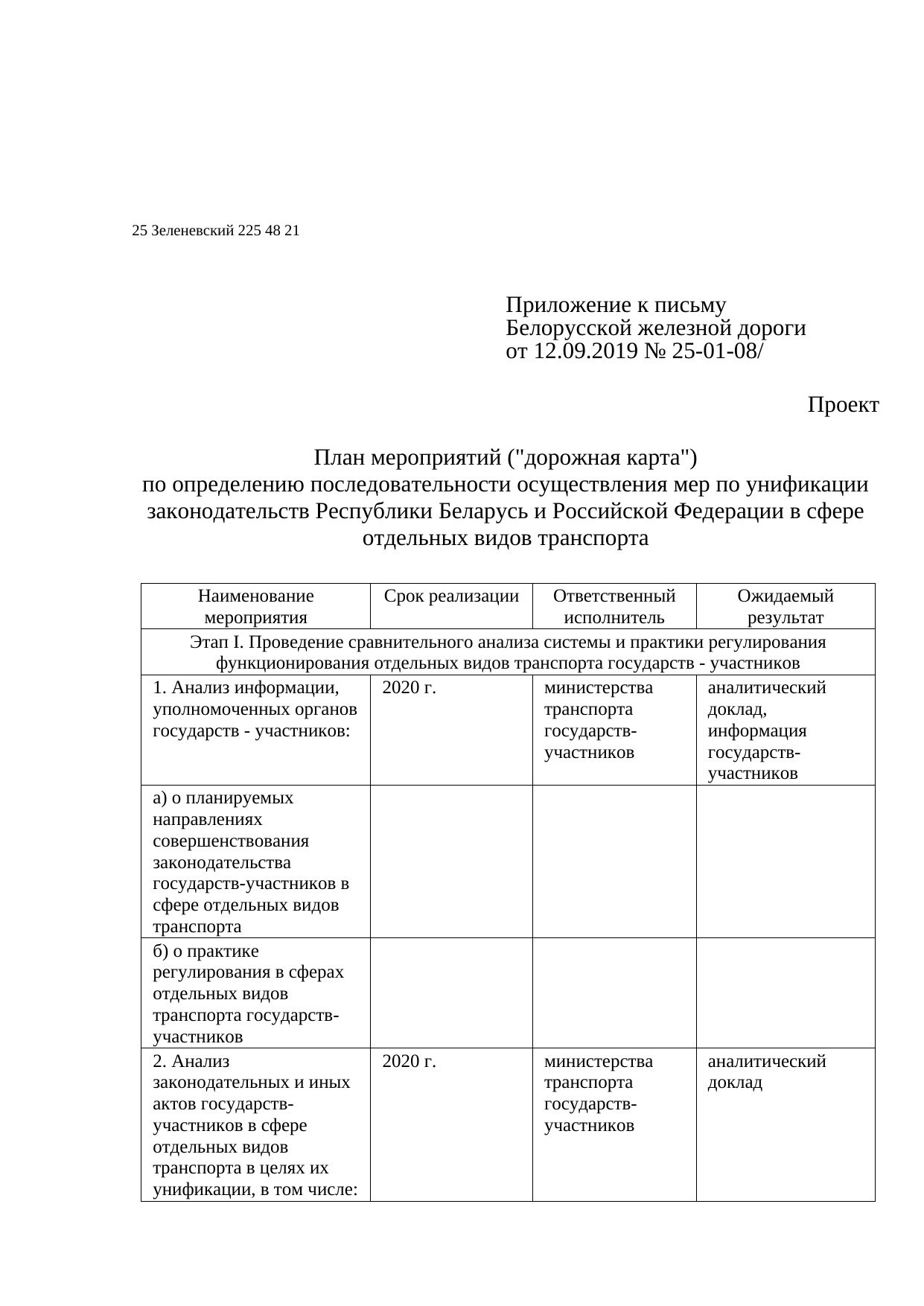
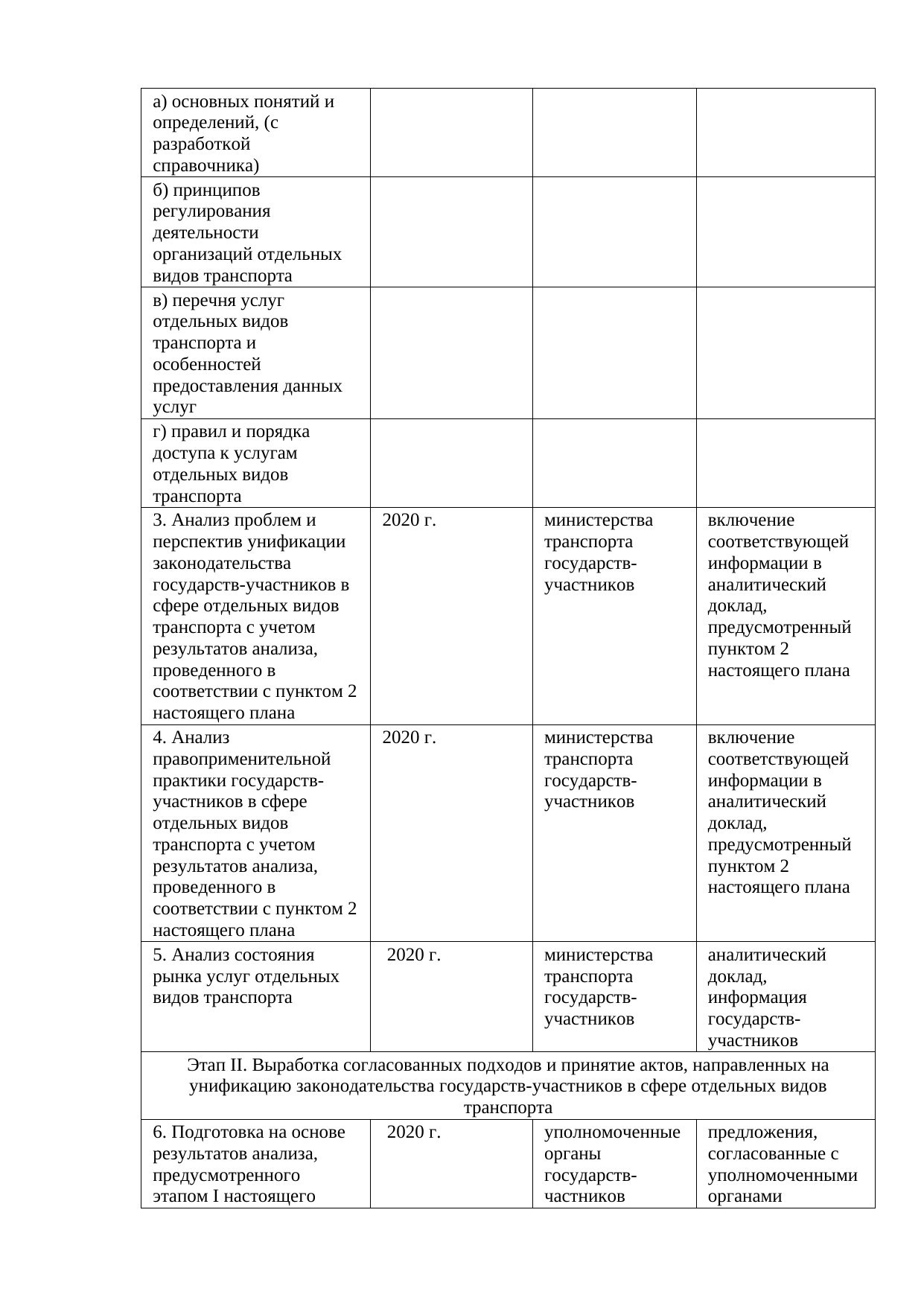
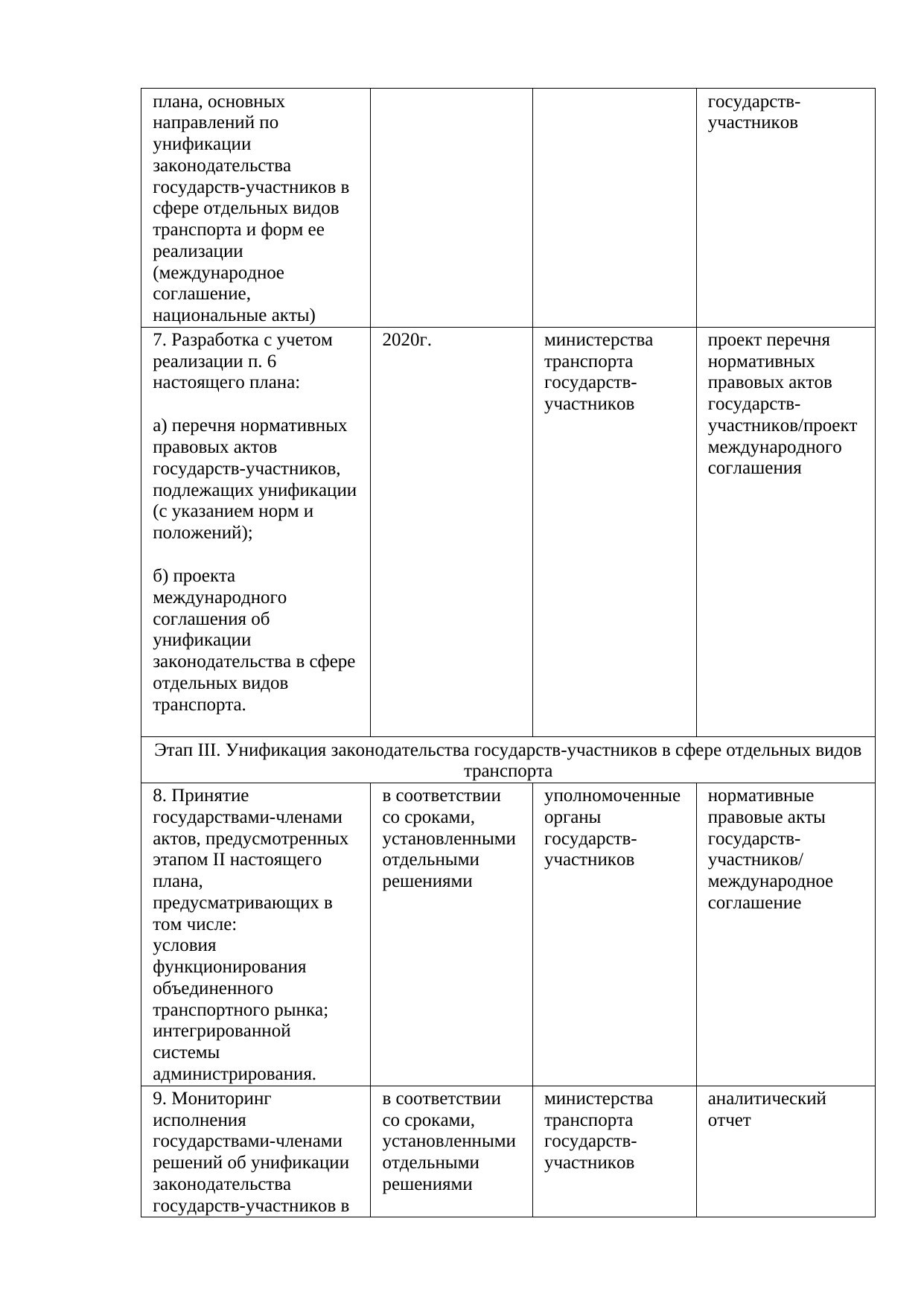
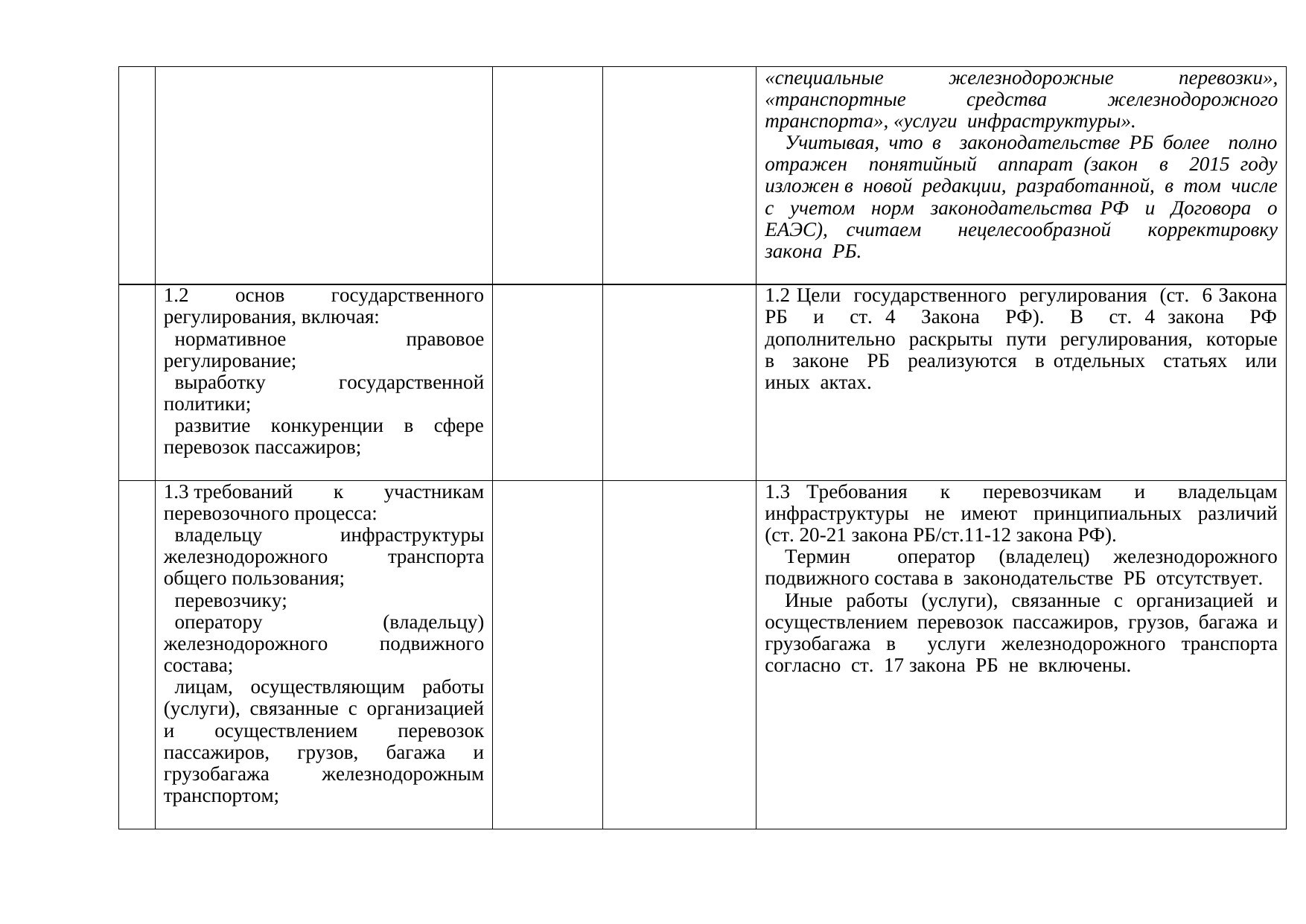
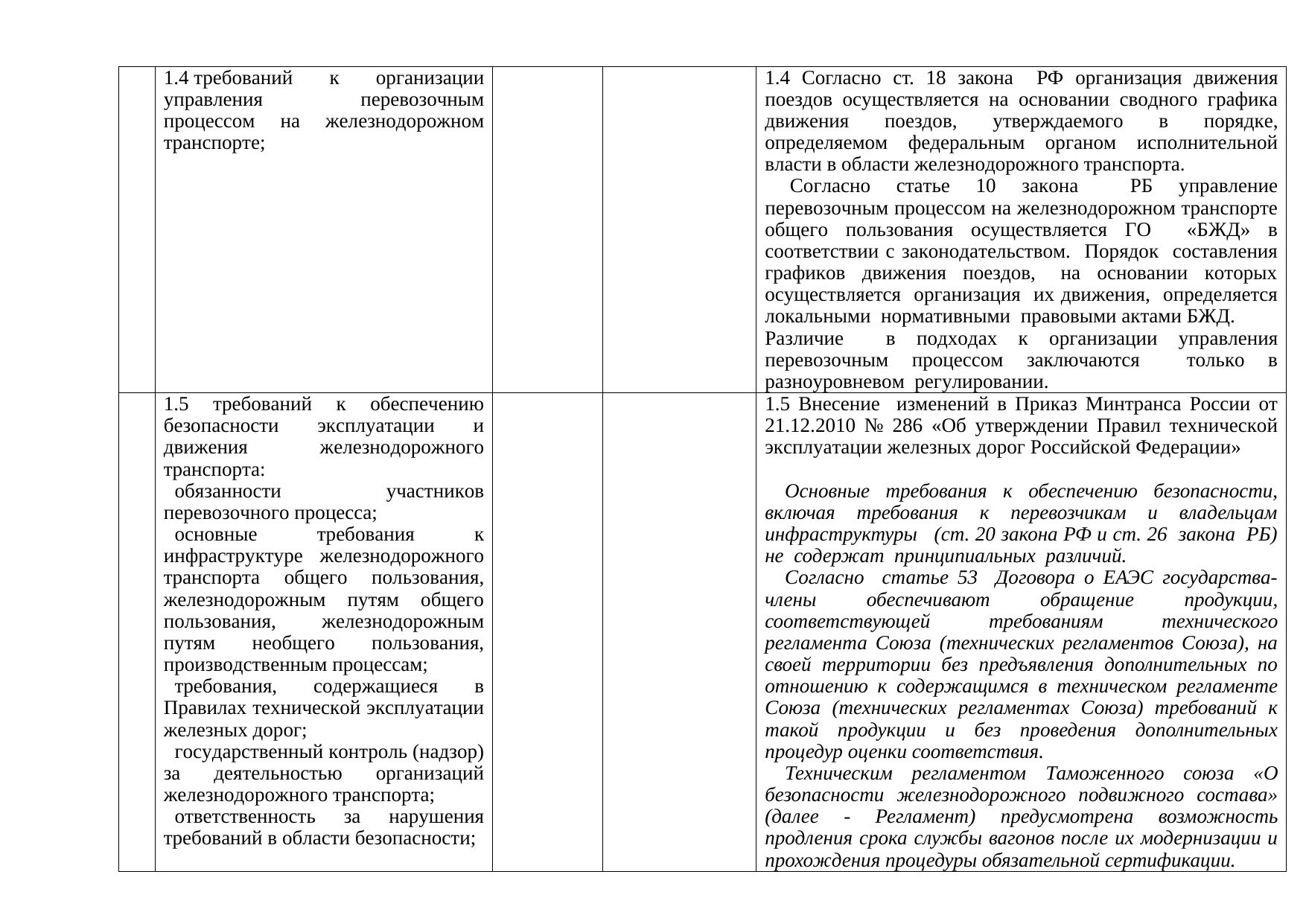
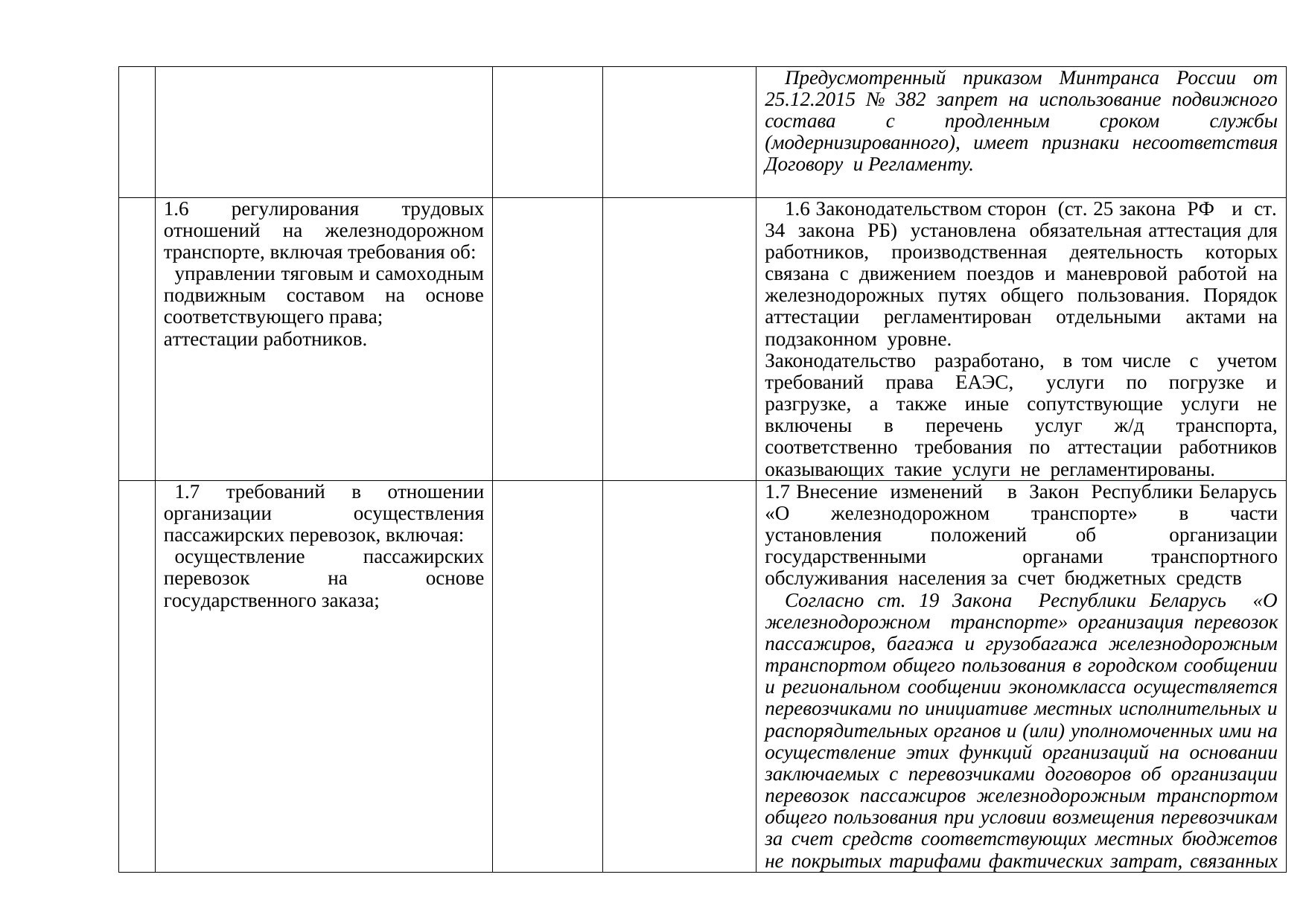
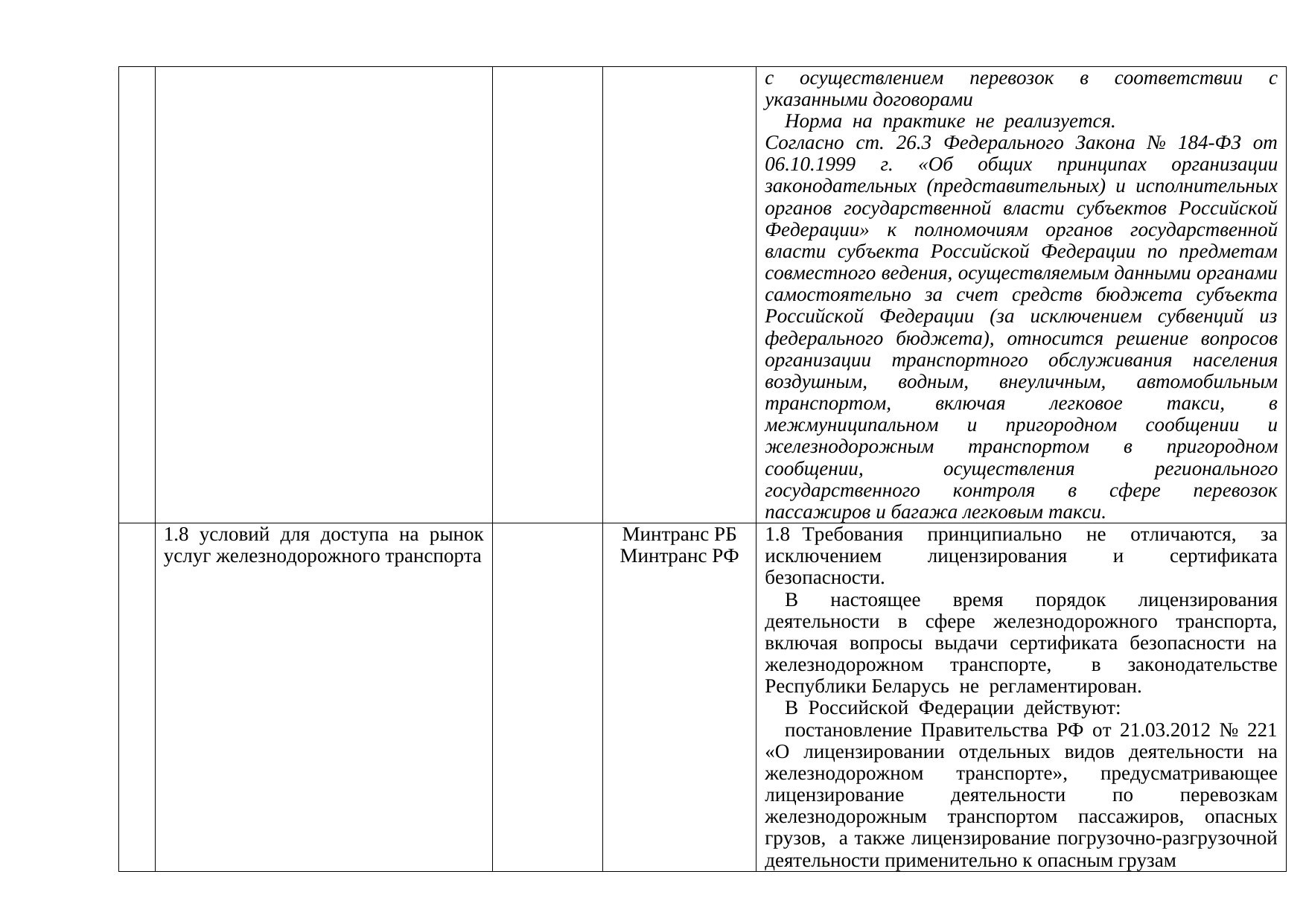
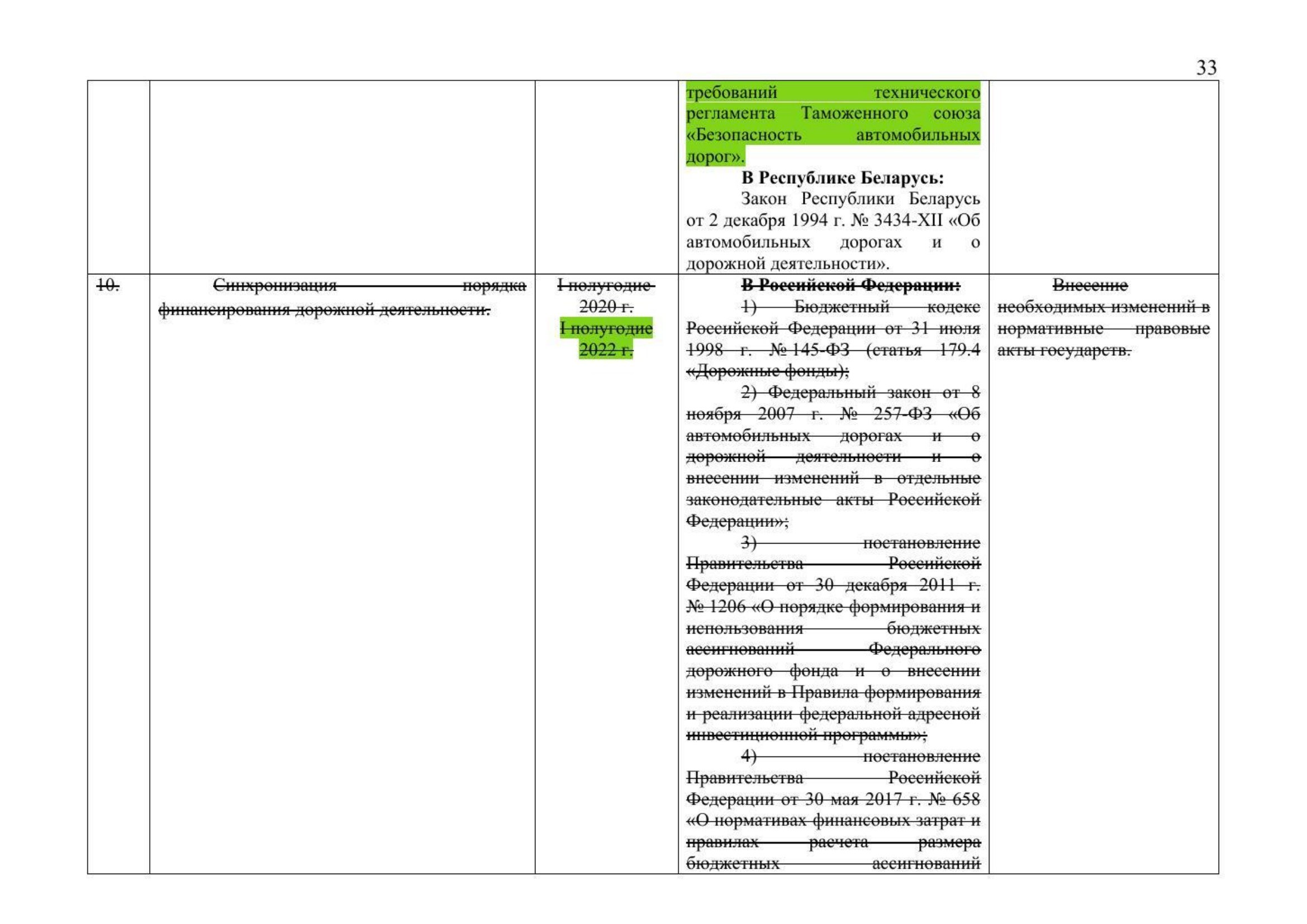
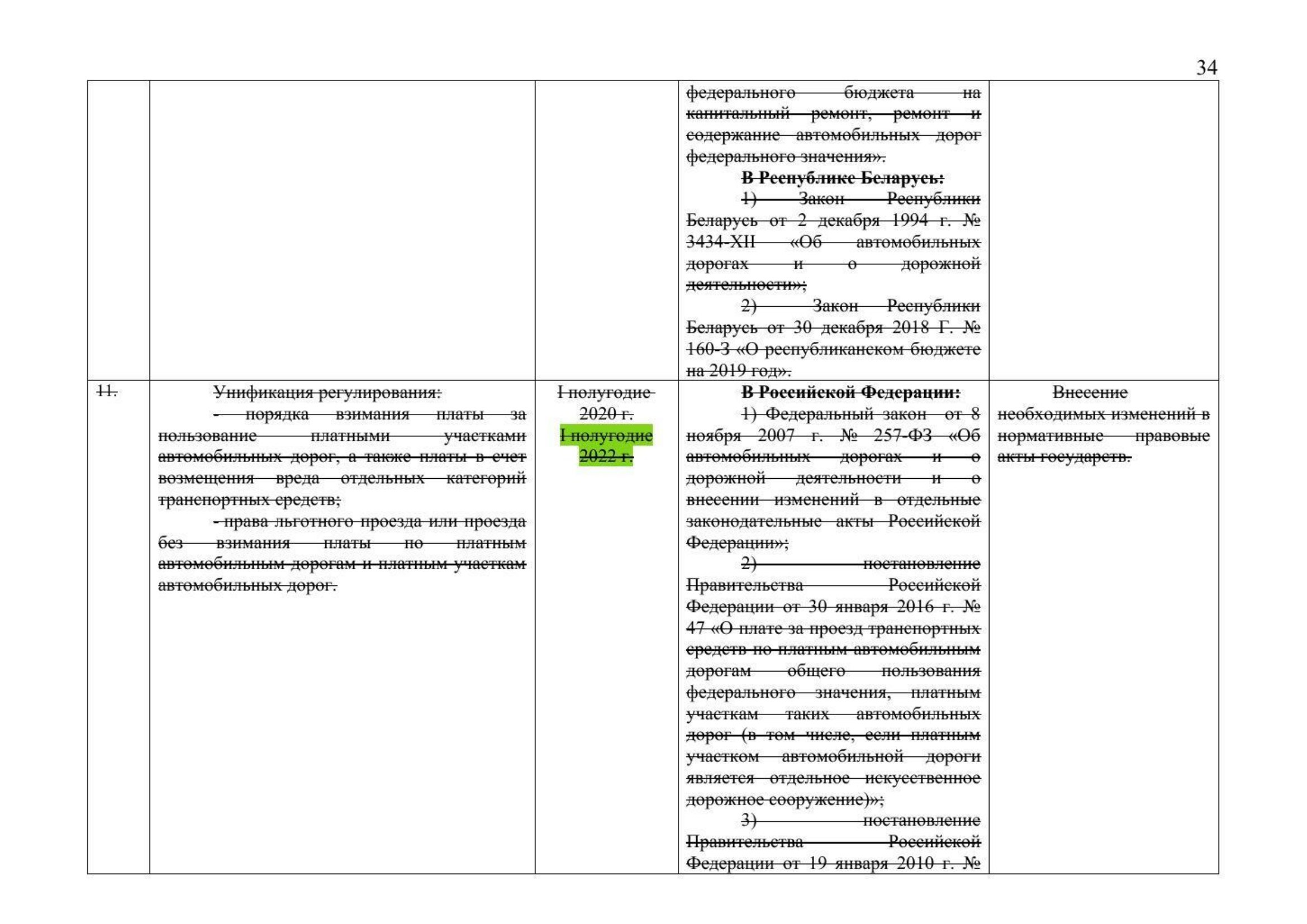
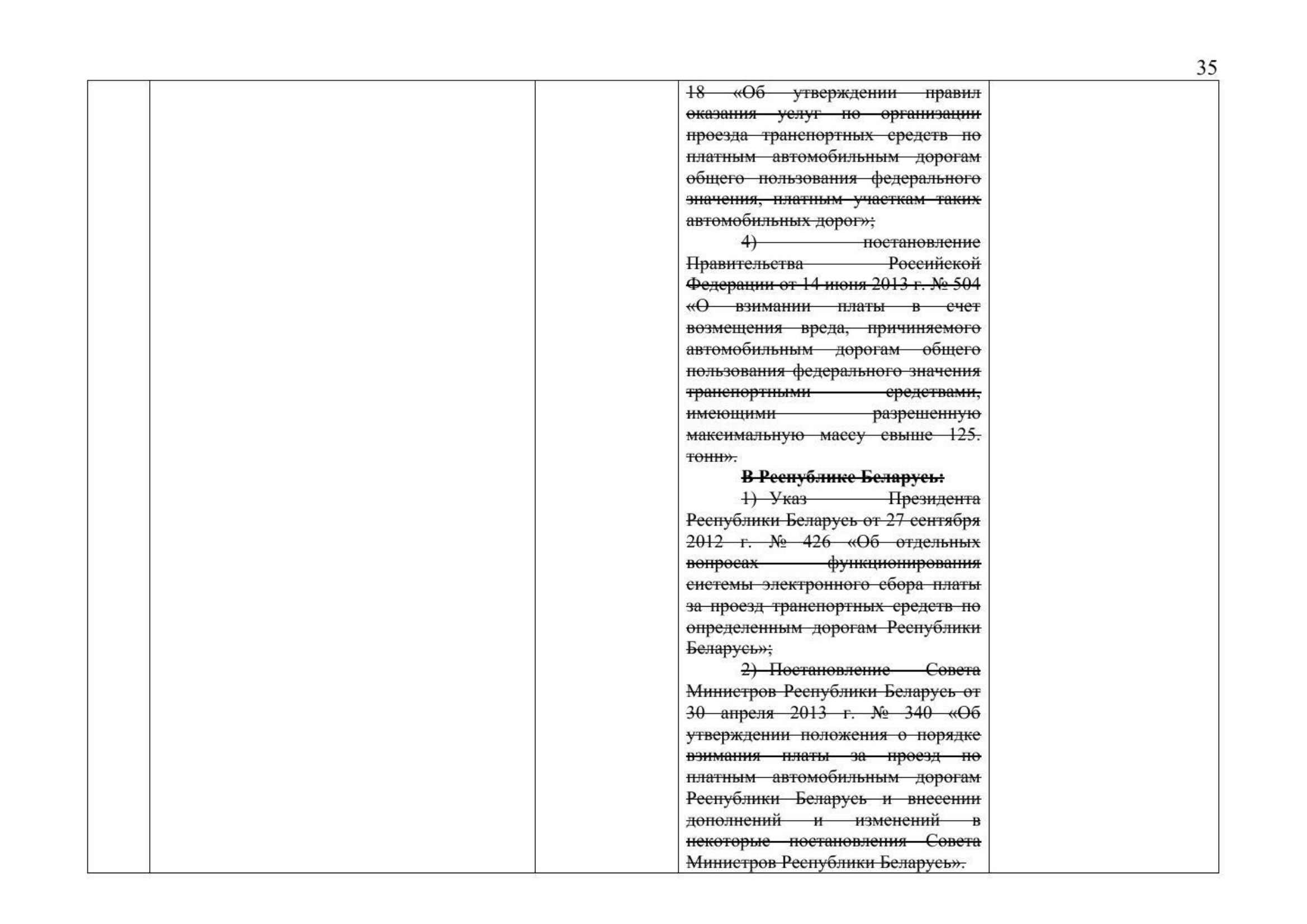
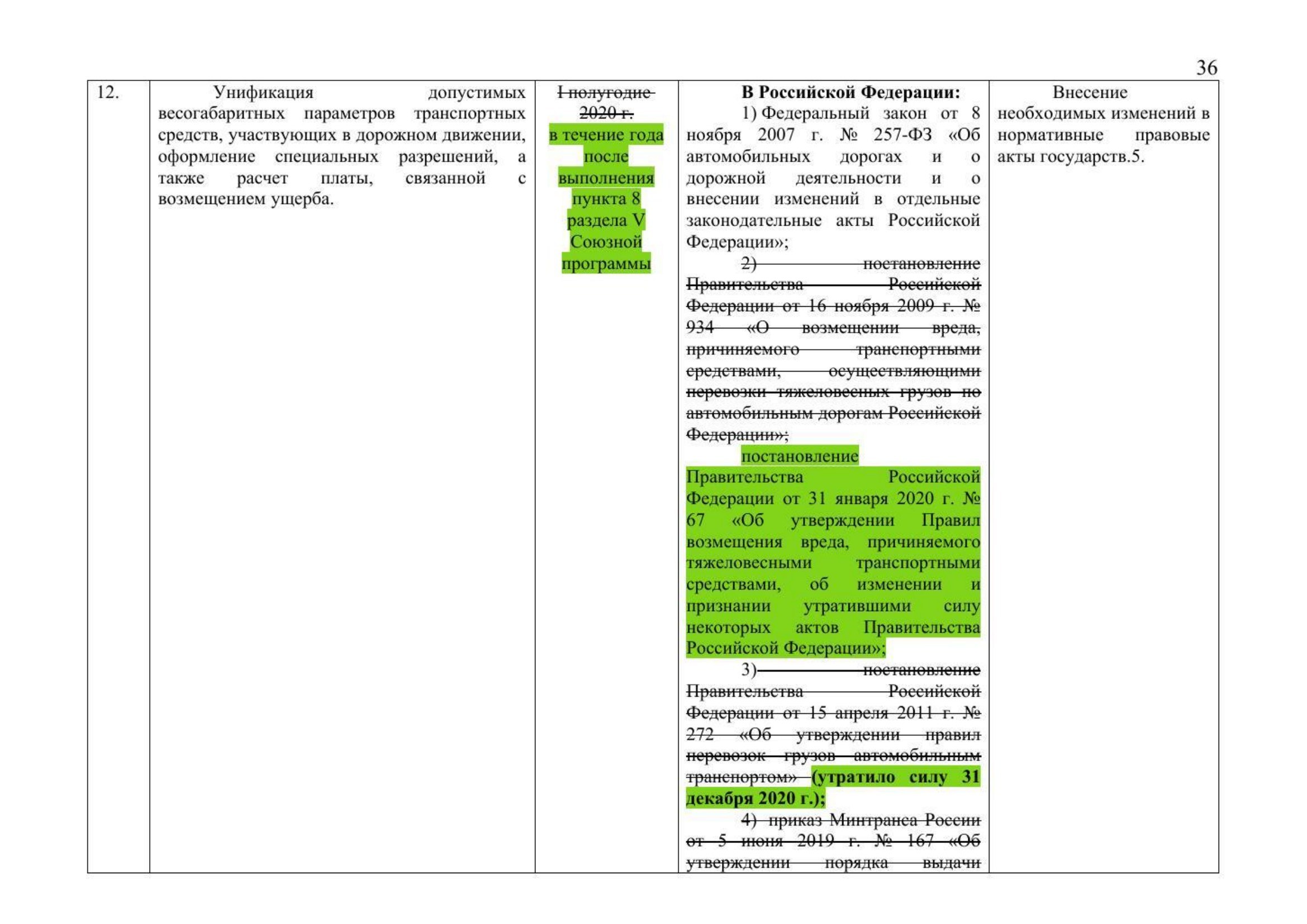
A comparison table, placing the Russian Ministry of Transport’s version and BCh’s proposals side by side, shows where Moscow started from.
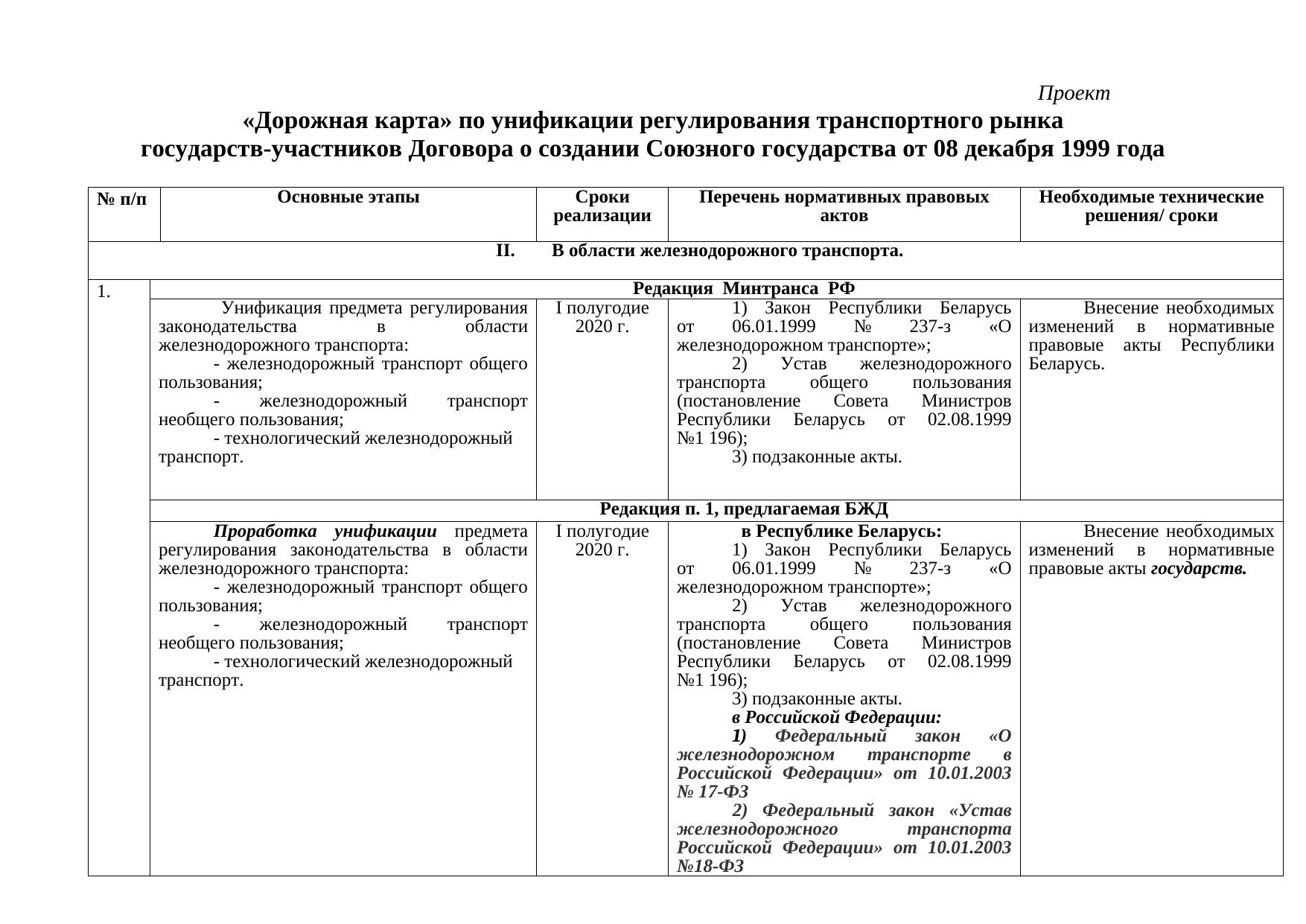
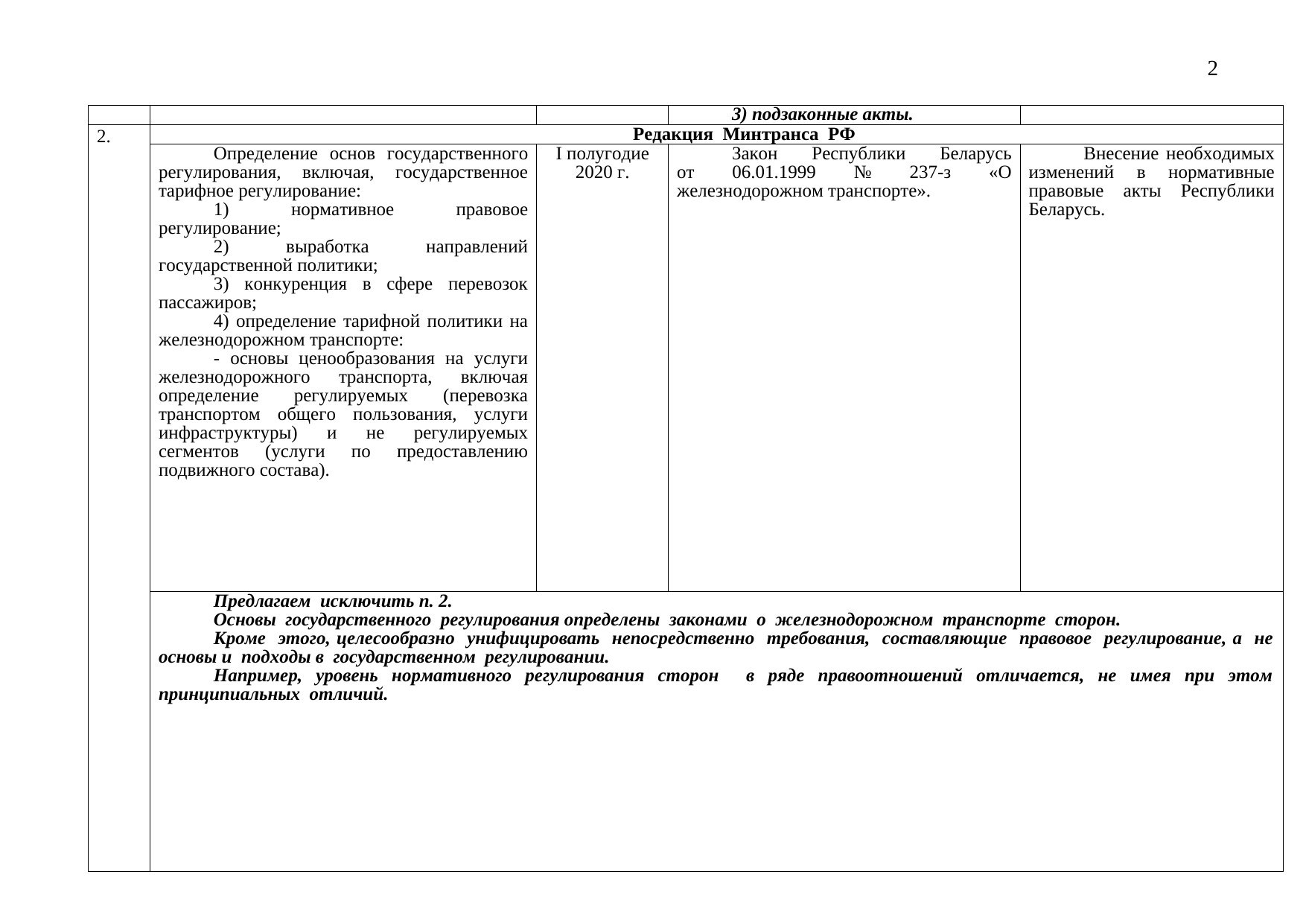
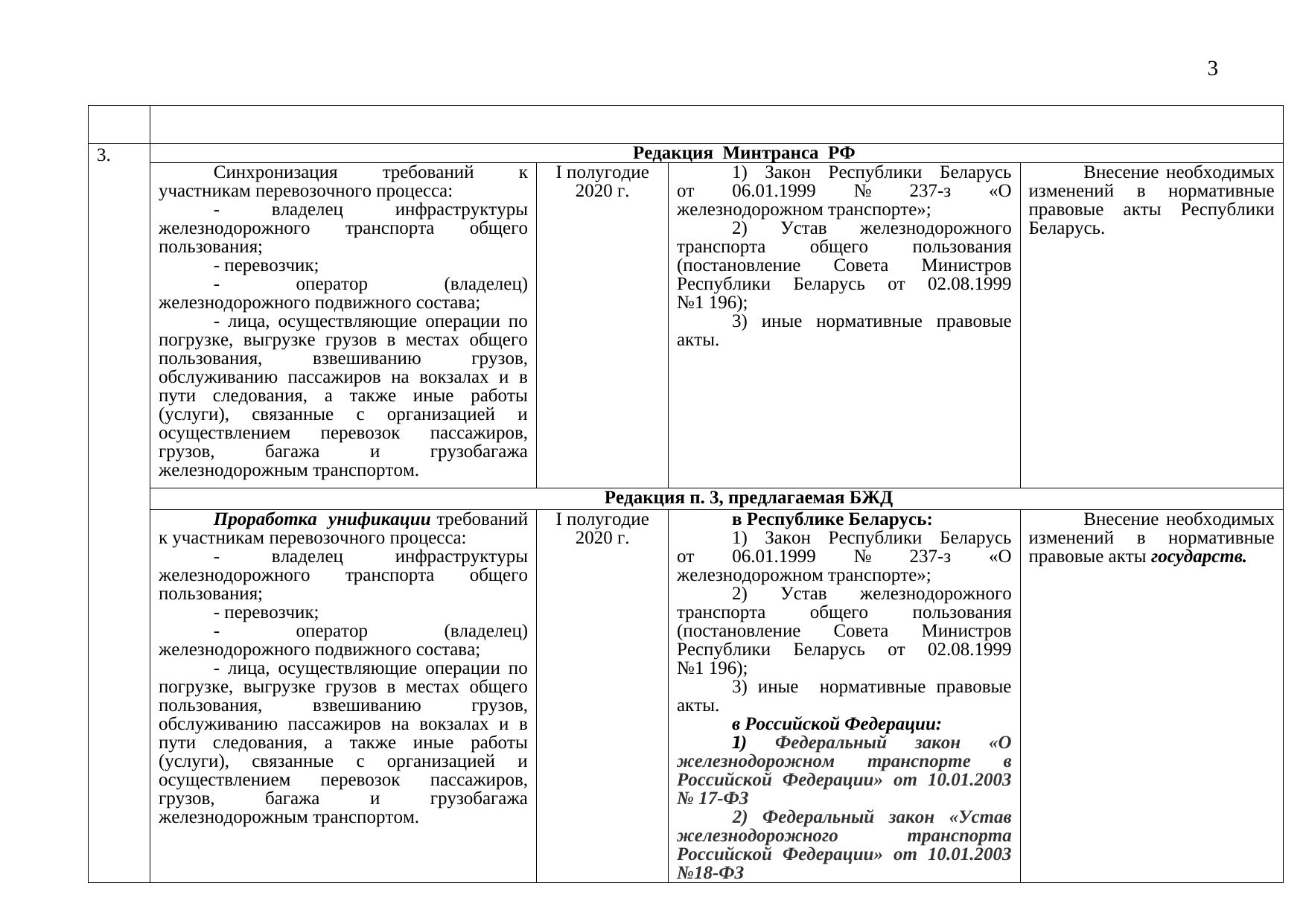
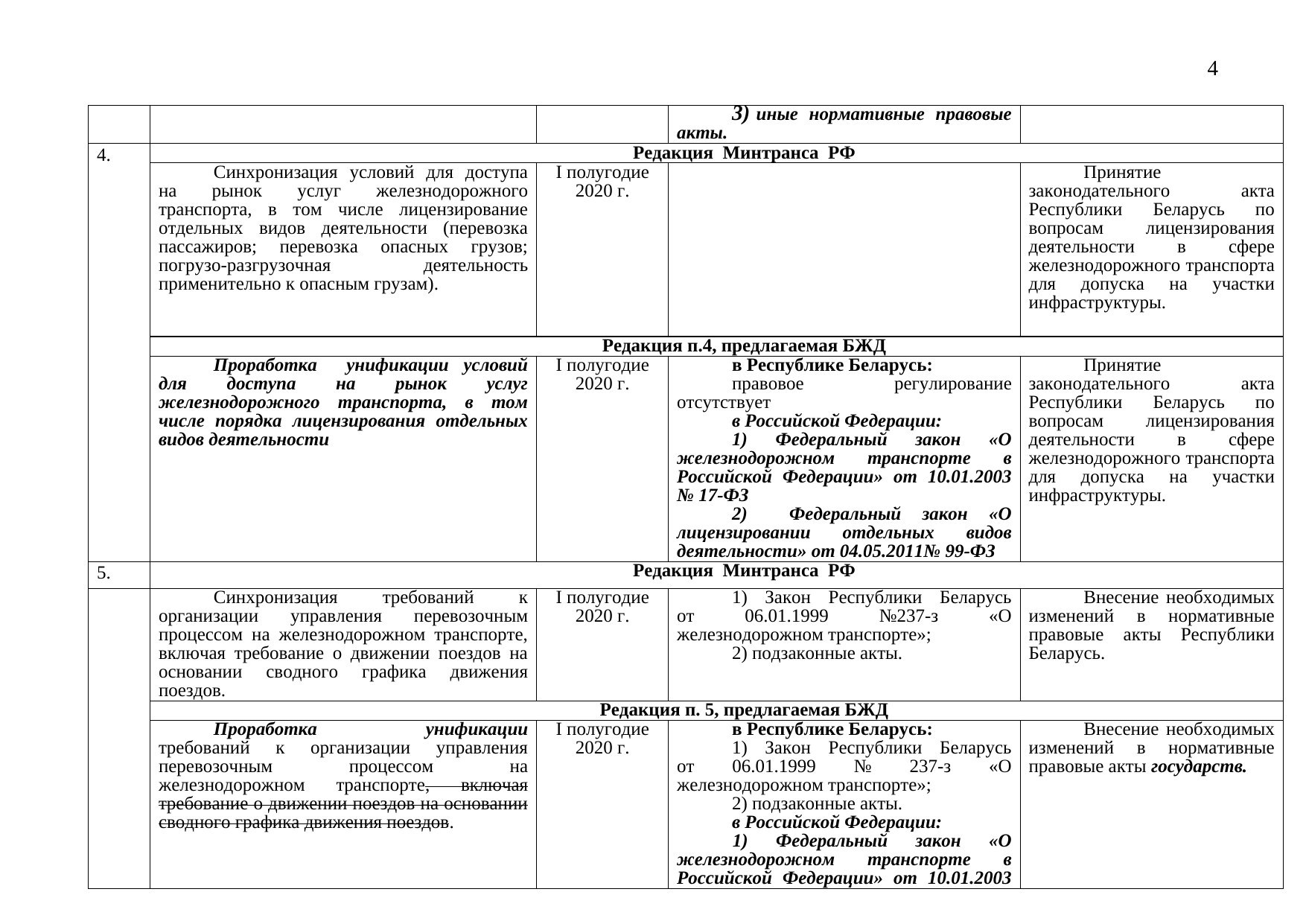
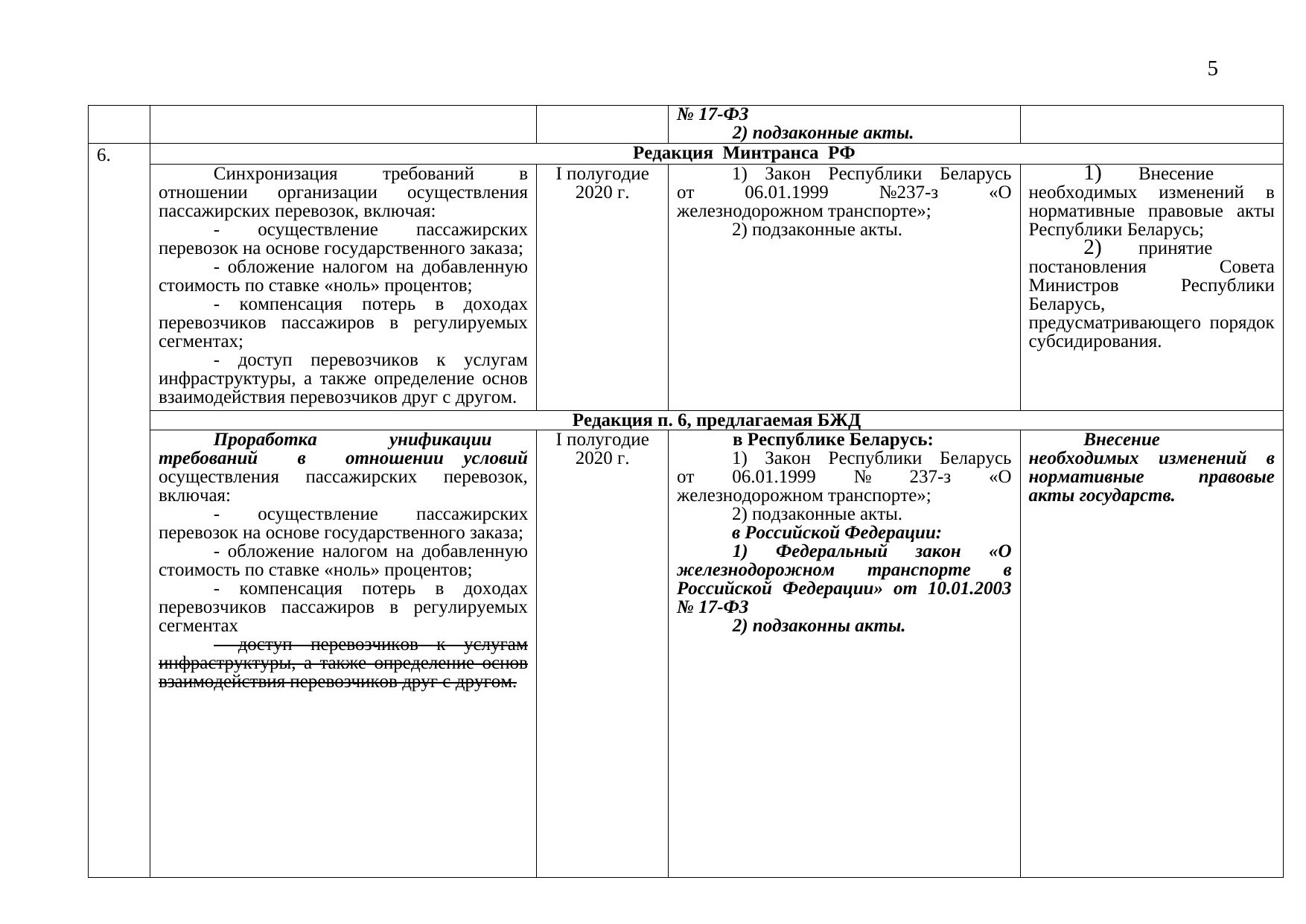
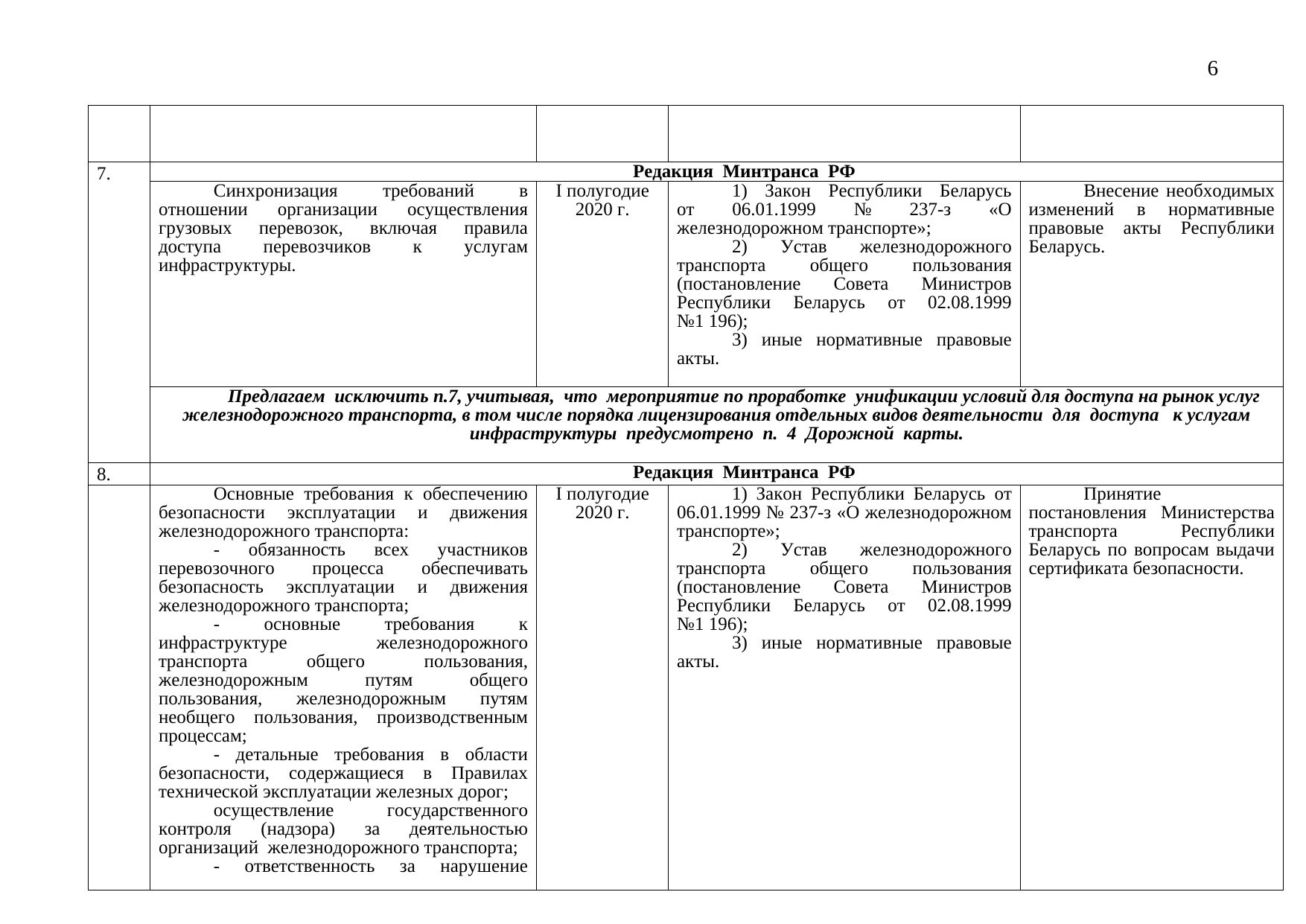
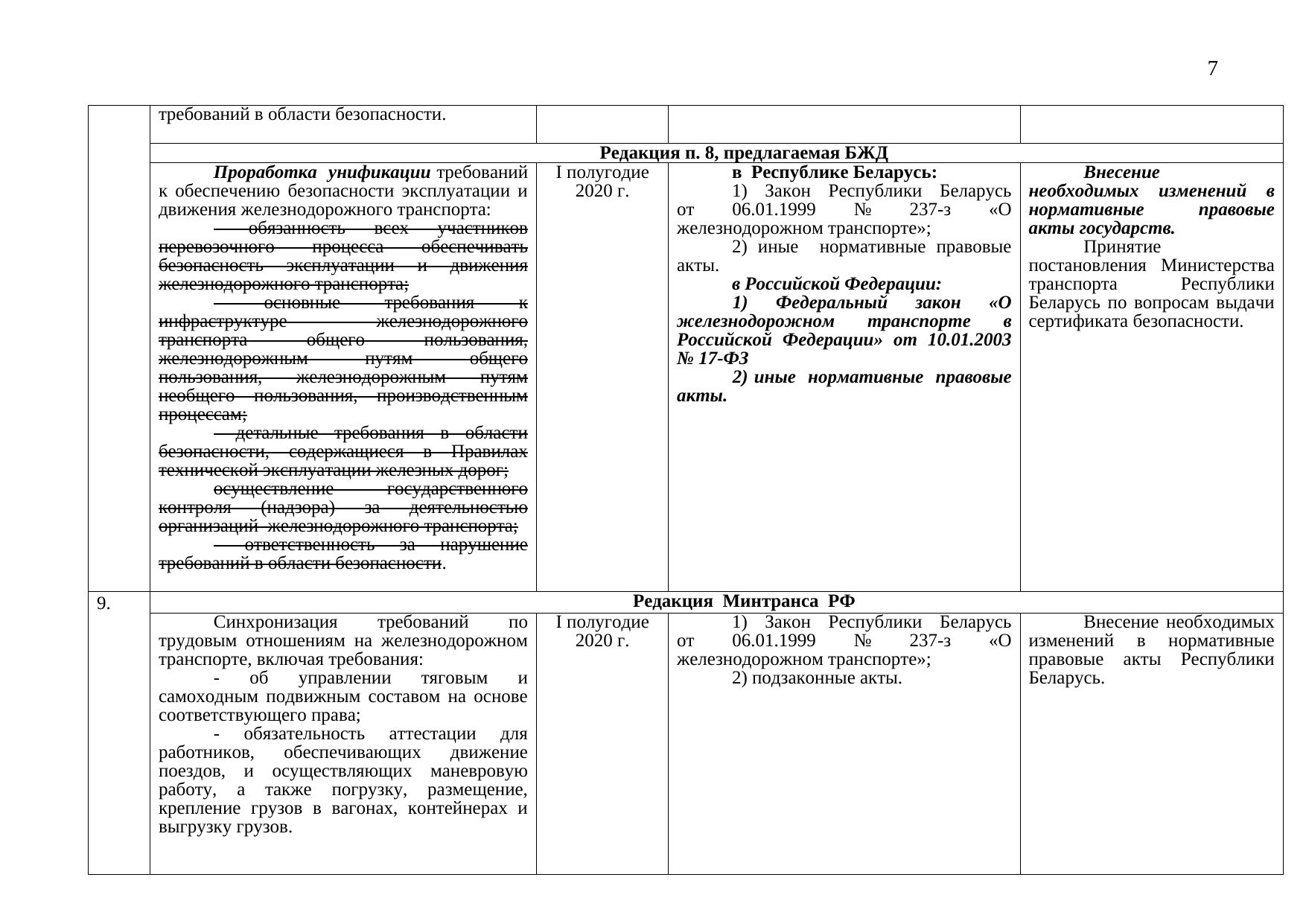
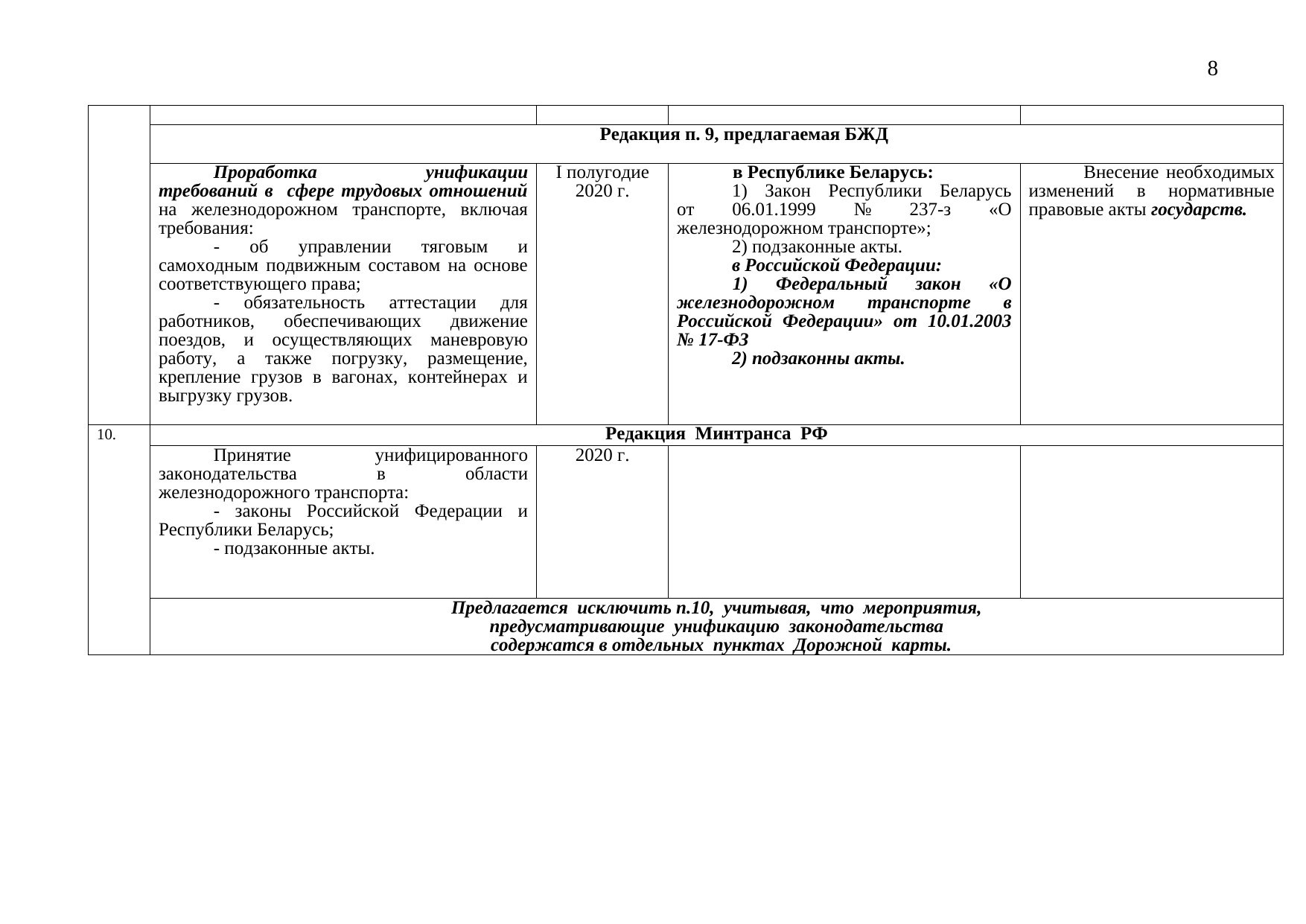
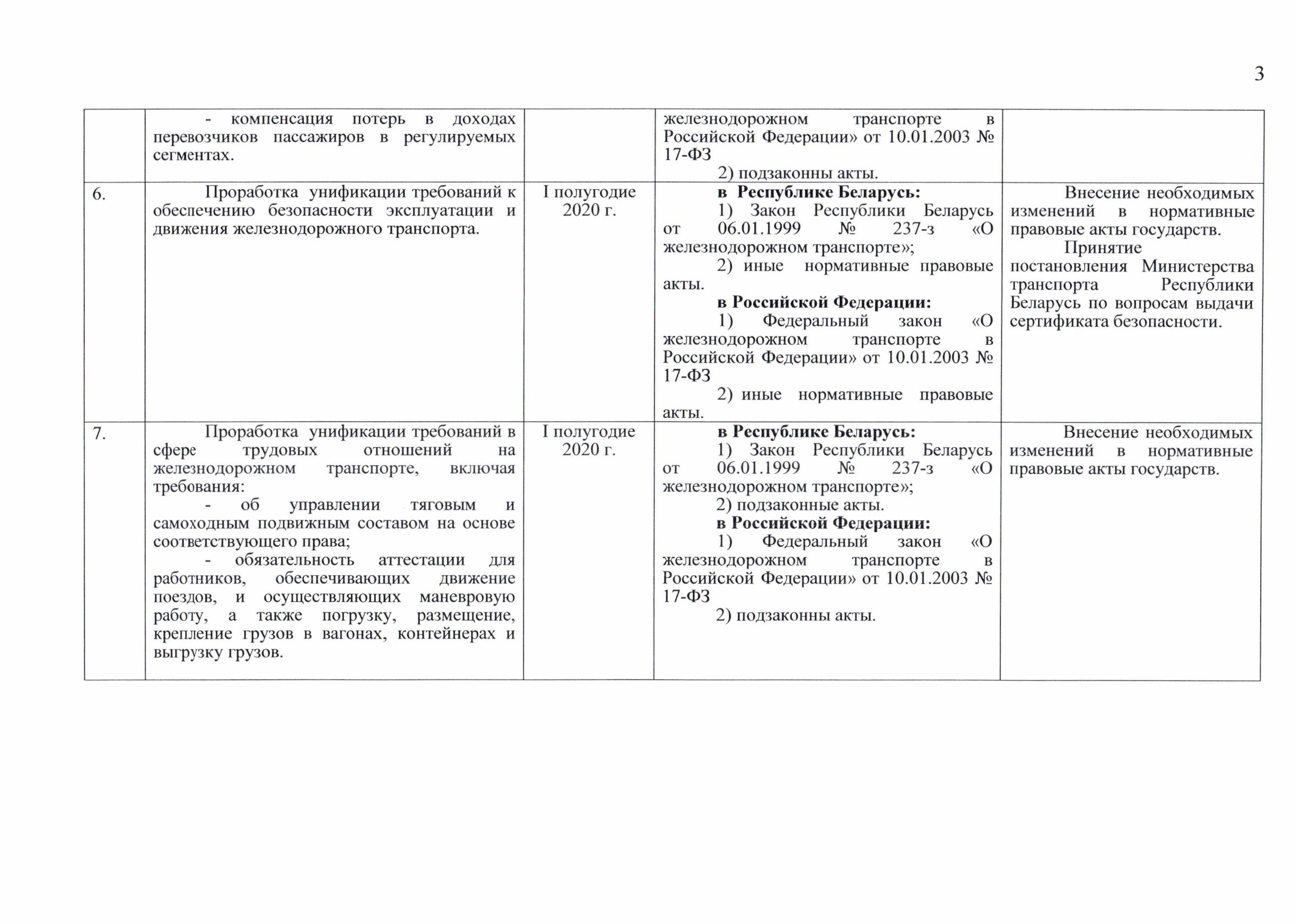
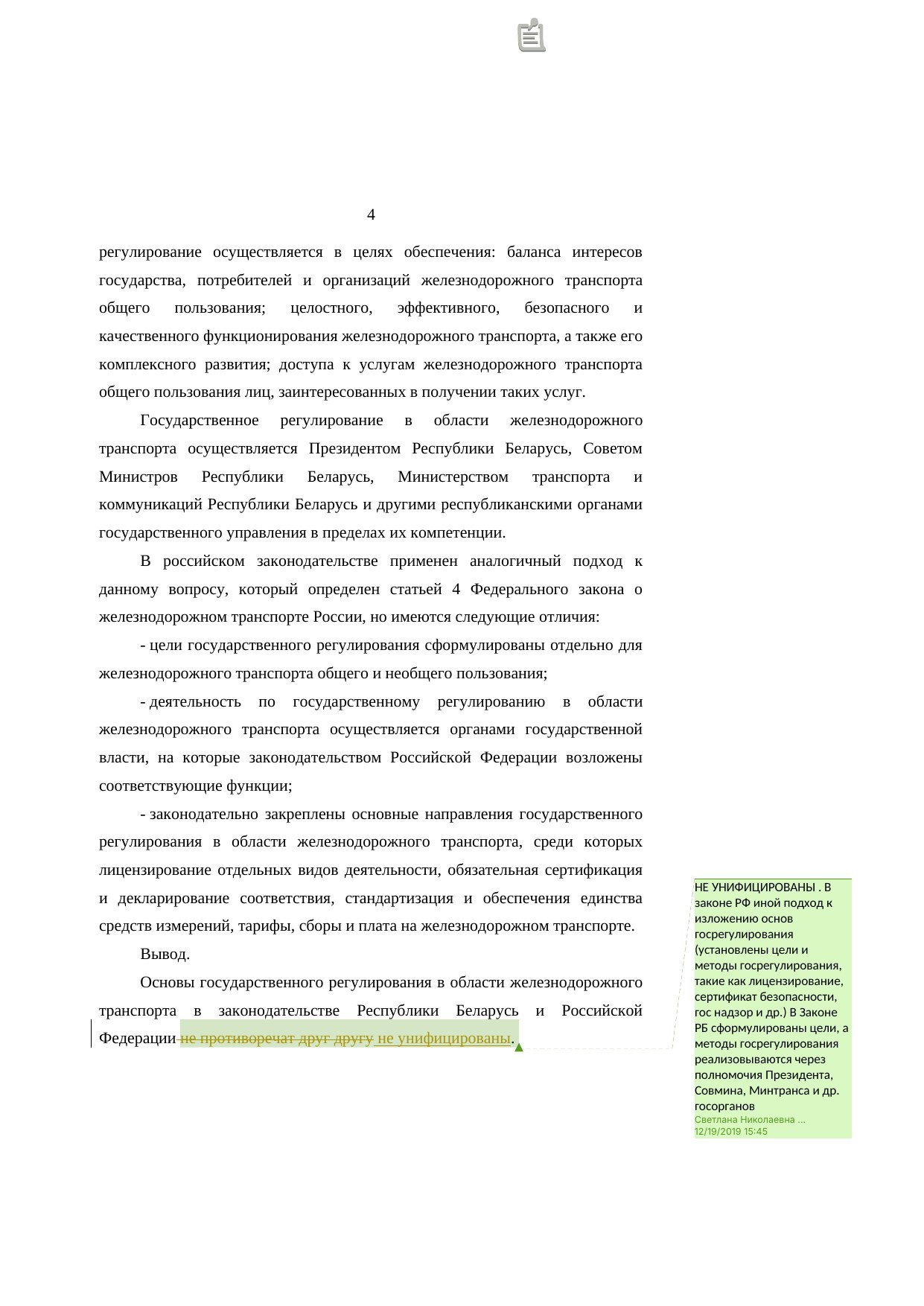
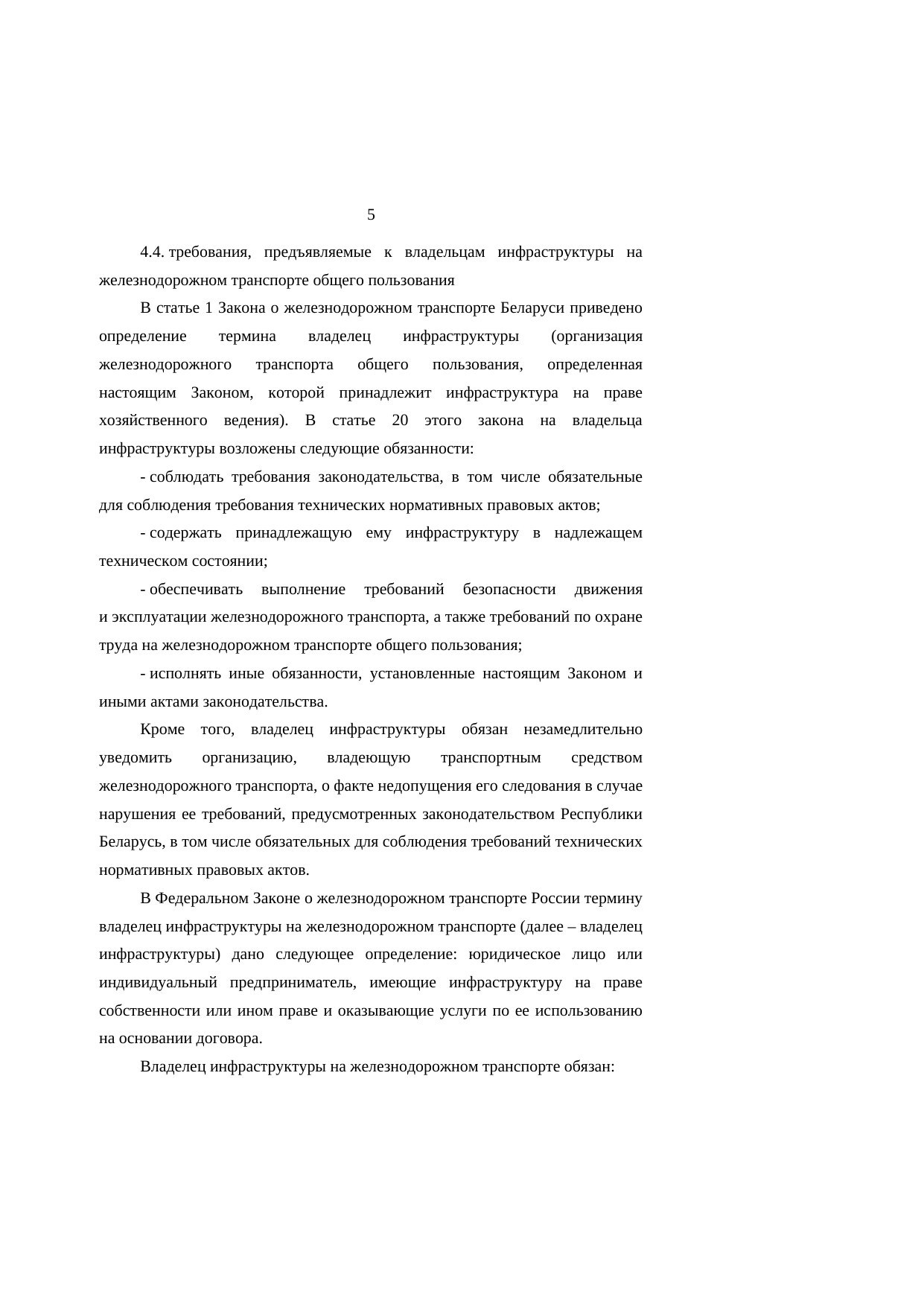
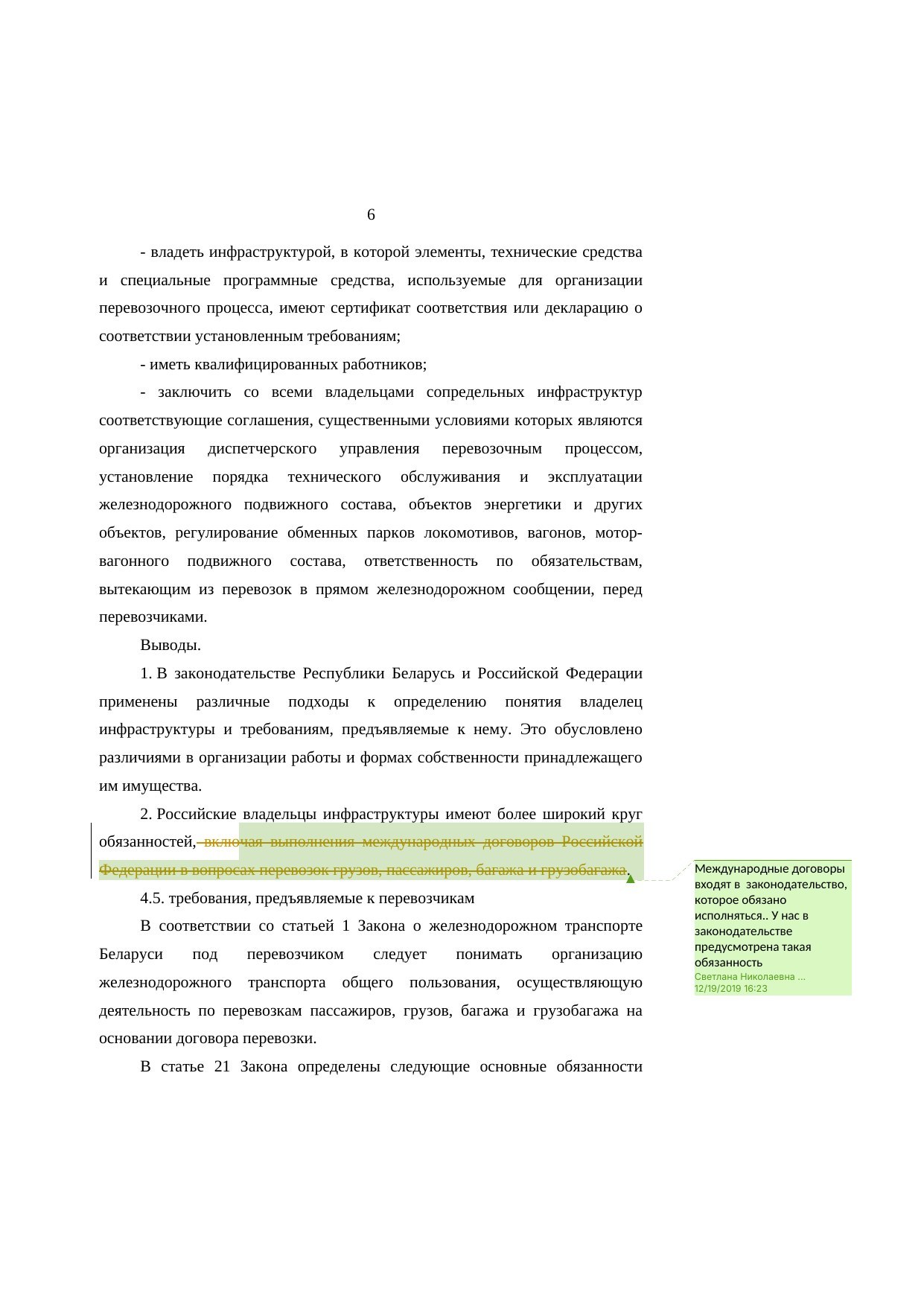
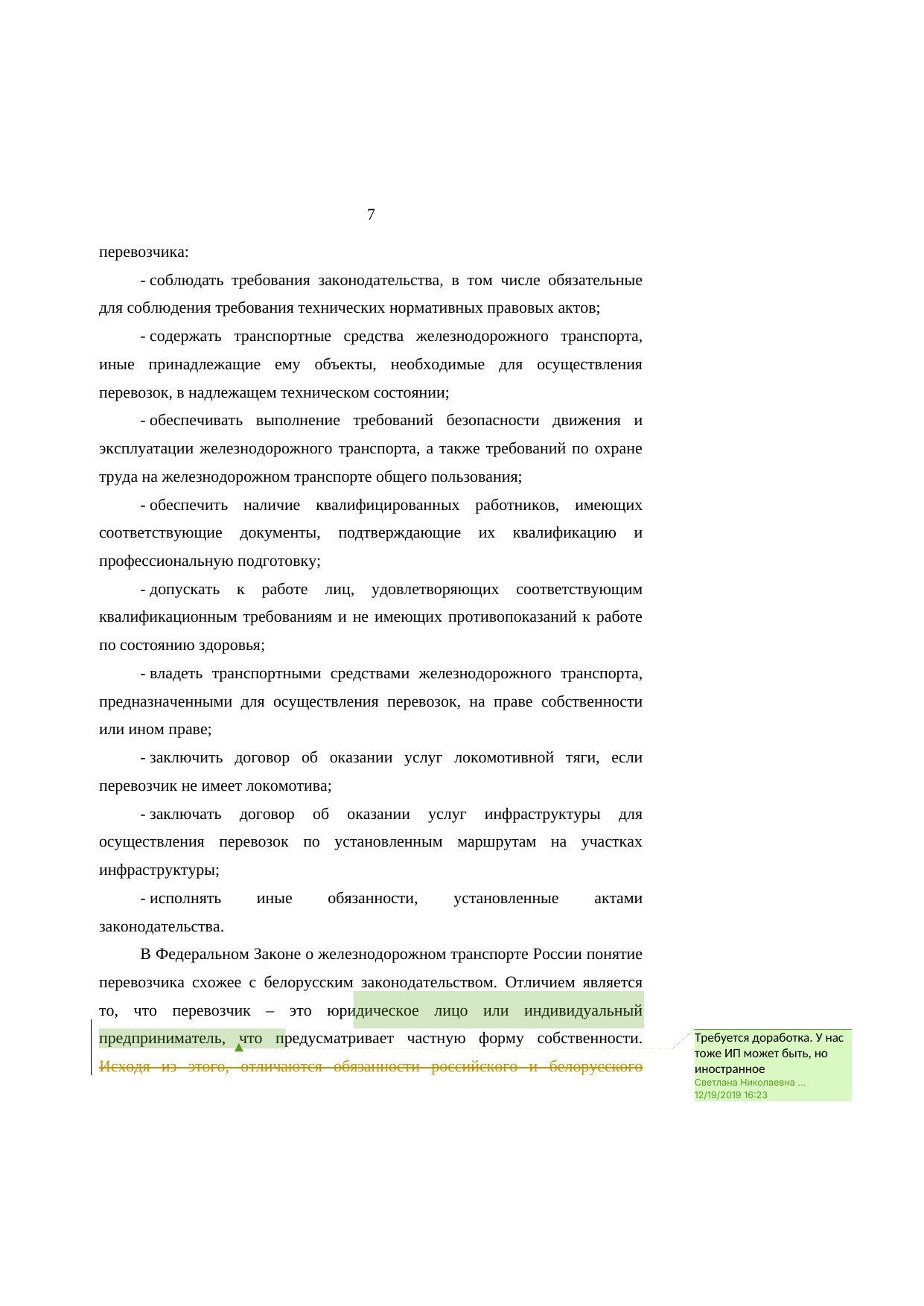
First, in most of the railway items, the issue was not unification but “synchronization” of requirements. On its own, this was not yet a program: the Russian draft used the same word for items on road infrastructure, where amendments were proposed for the laws of both countries. What mattered was something else. In the “necessary technical solutions” column of the railway section, the Russian version provided for amendments only to the legal acts of the Republic of Belarus, and the list of acts included only Belarusian laws. At the same time, in the aviation and road sections of the same draft, amendments in most items (11 of 14 and 4 of 5, respectively) were provided for in the legislation of both countries. Only the maritime section was built on the same one-sided pattern as the railway section.
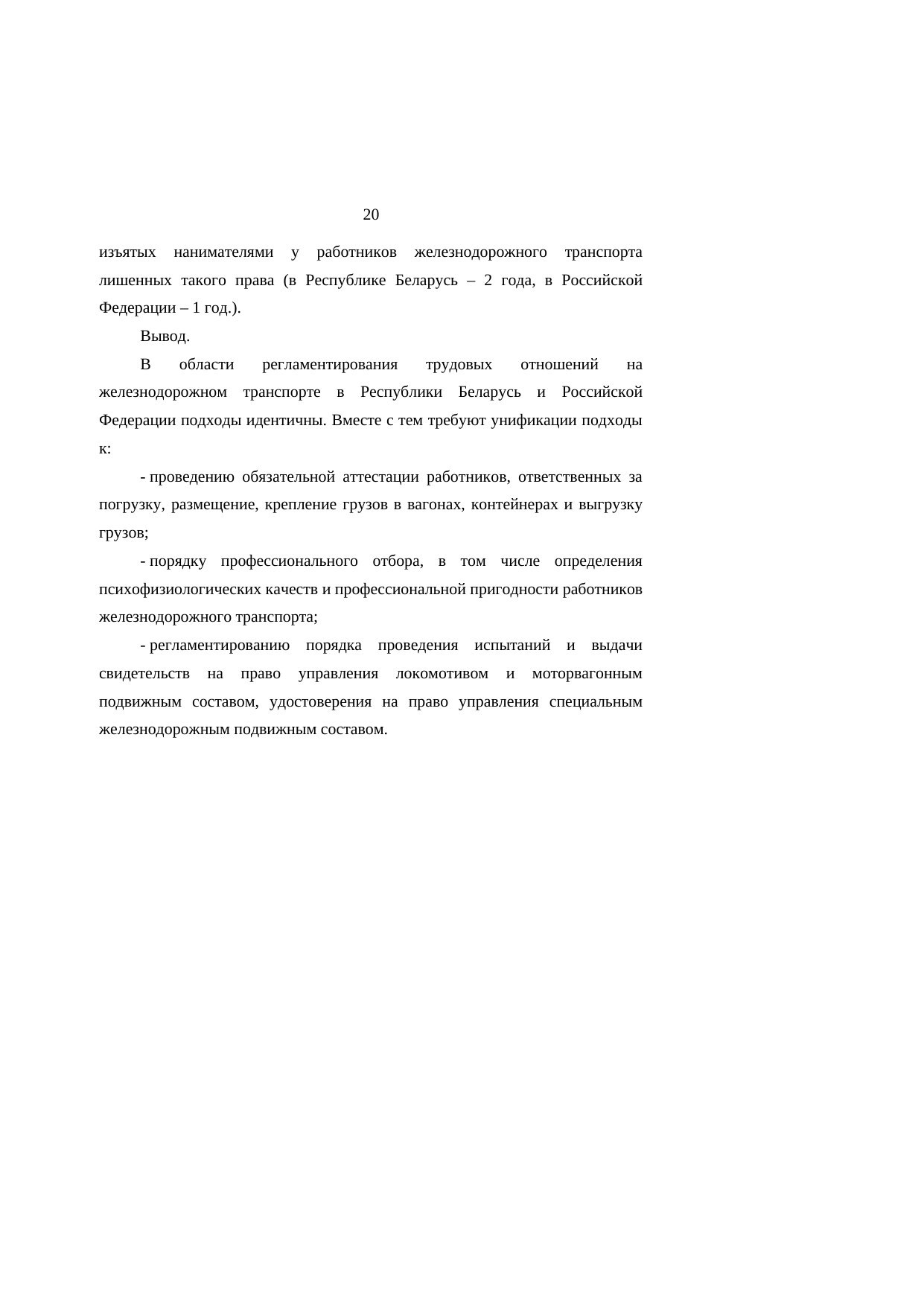
Second, the list included items that affected the very operating model of BCh:
- carriers’ access to infrastructure services and the basic framework for interaction between carriers;
- the organization of train movement based on a consolidated train diagram. This is a requirement of Article 18 of the Russian law on railway transport, under which the consolidated diagram is approved in a manner established by the federal executive authority. In Belarus, the procedure for drawing up train diagrams is determined by BCh’s own internal acts. BCh itself, however, considered this difference to be “only” a difference in the level of regulation;
- the adoption by Belarus of a Council of Ministers resolution on the procedure for subsidizing passenger transportation;
- and, as item ten — the adoption of unified legislation as early as 2020.
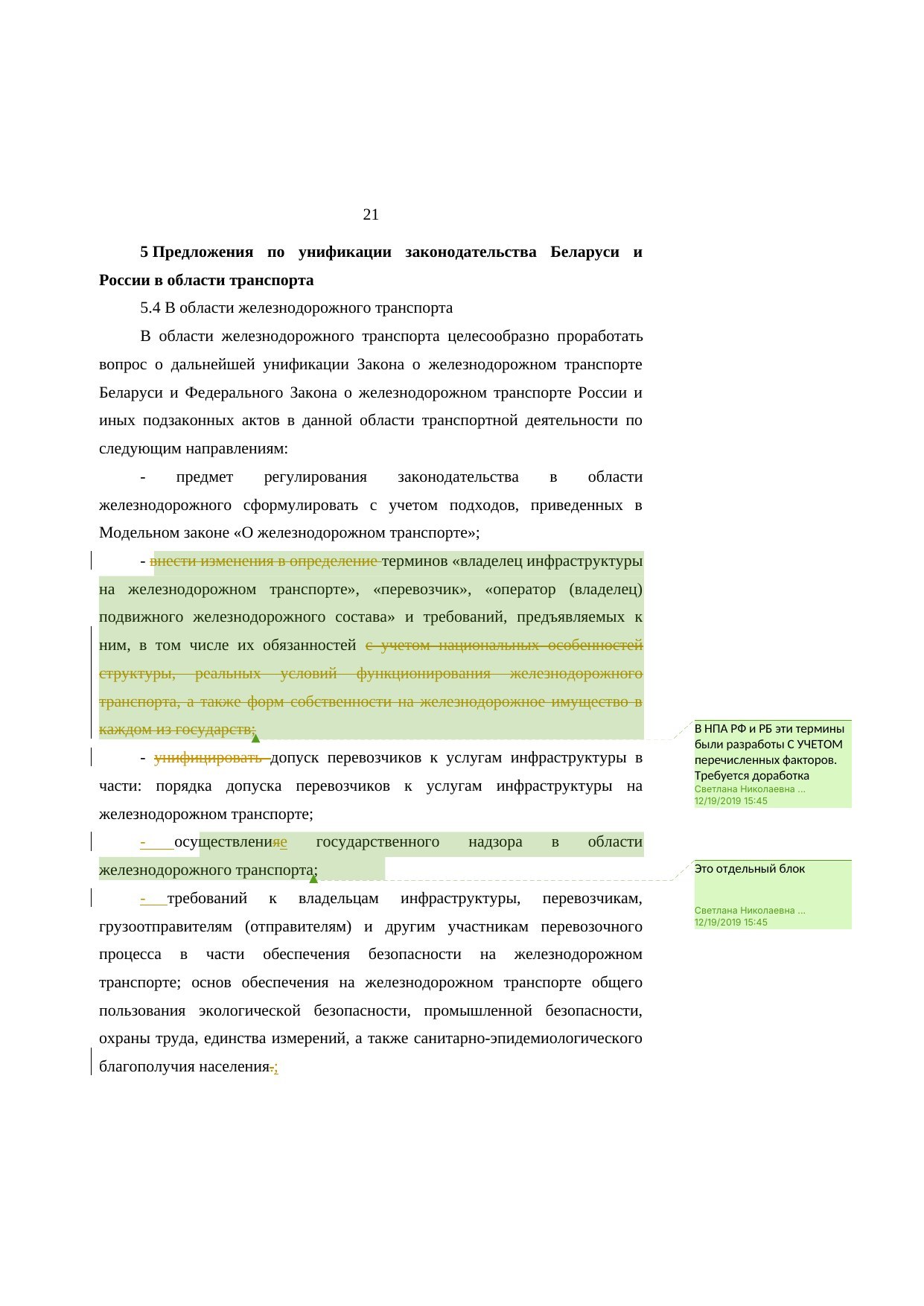
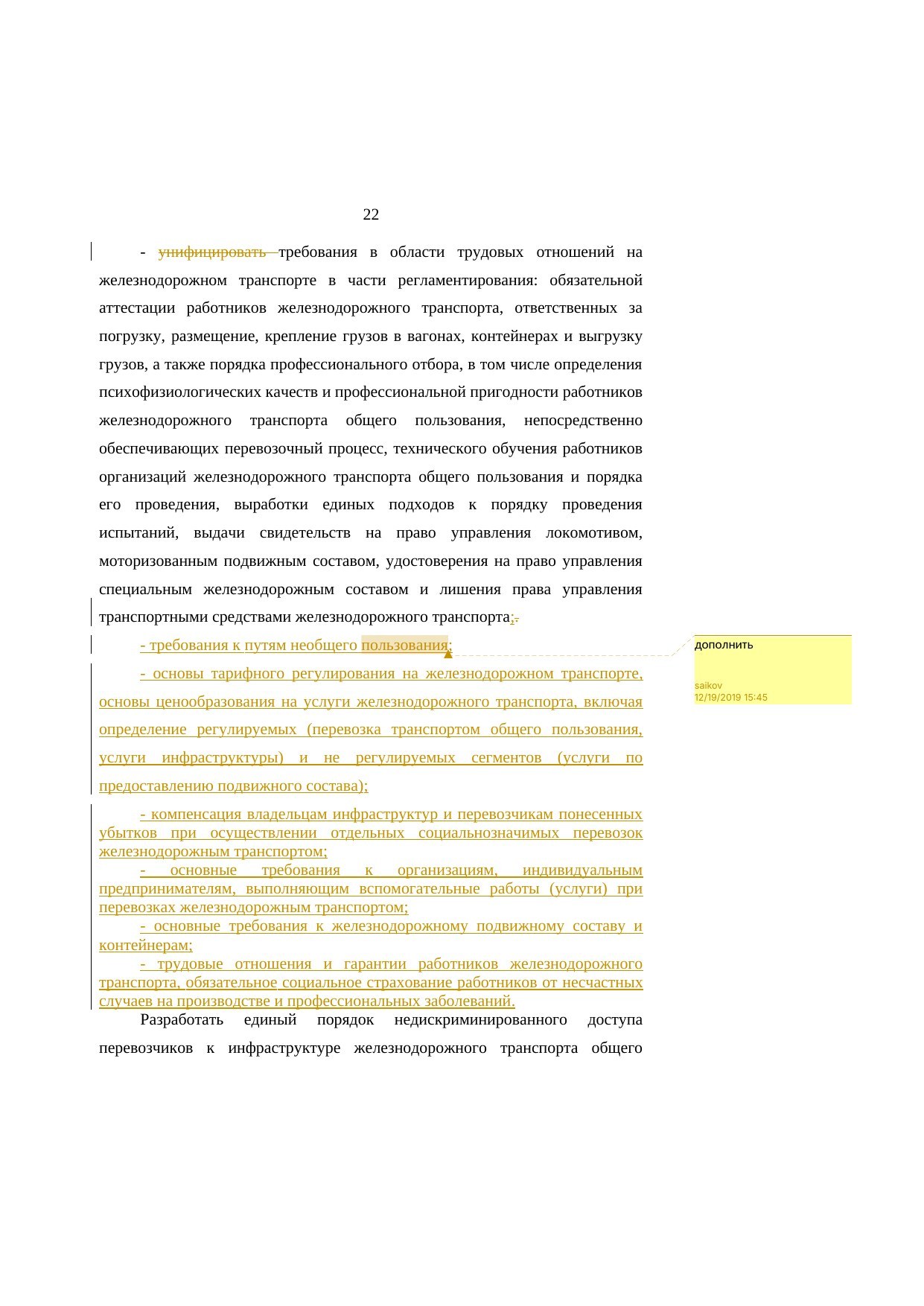
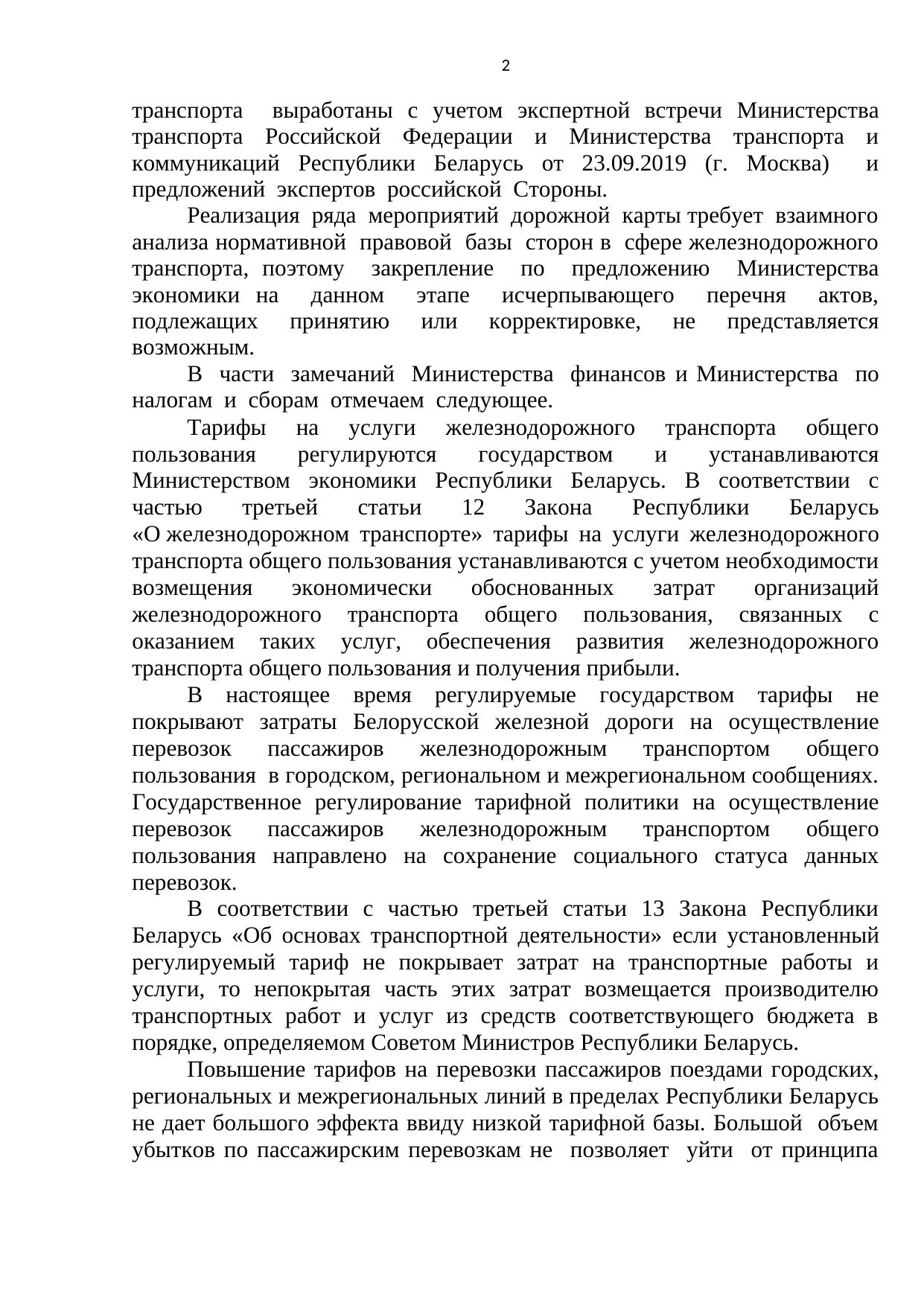
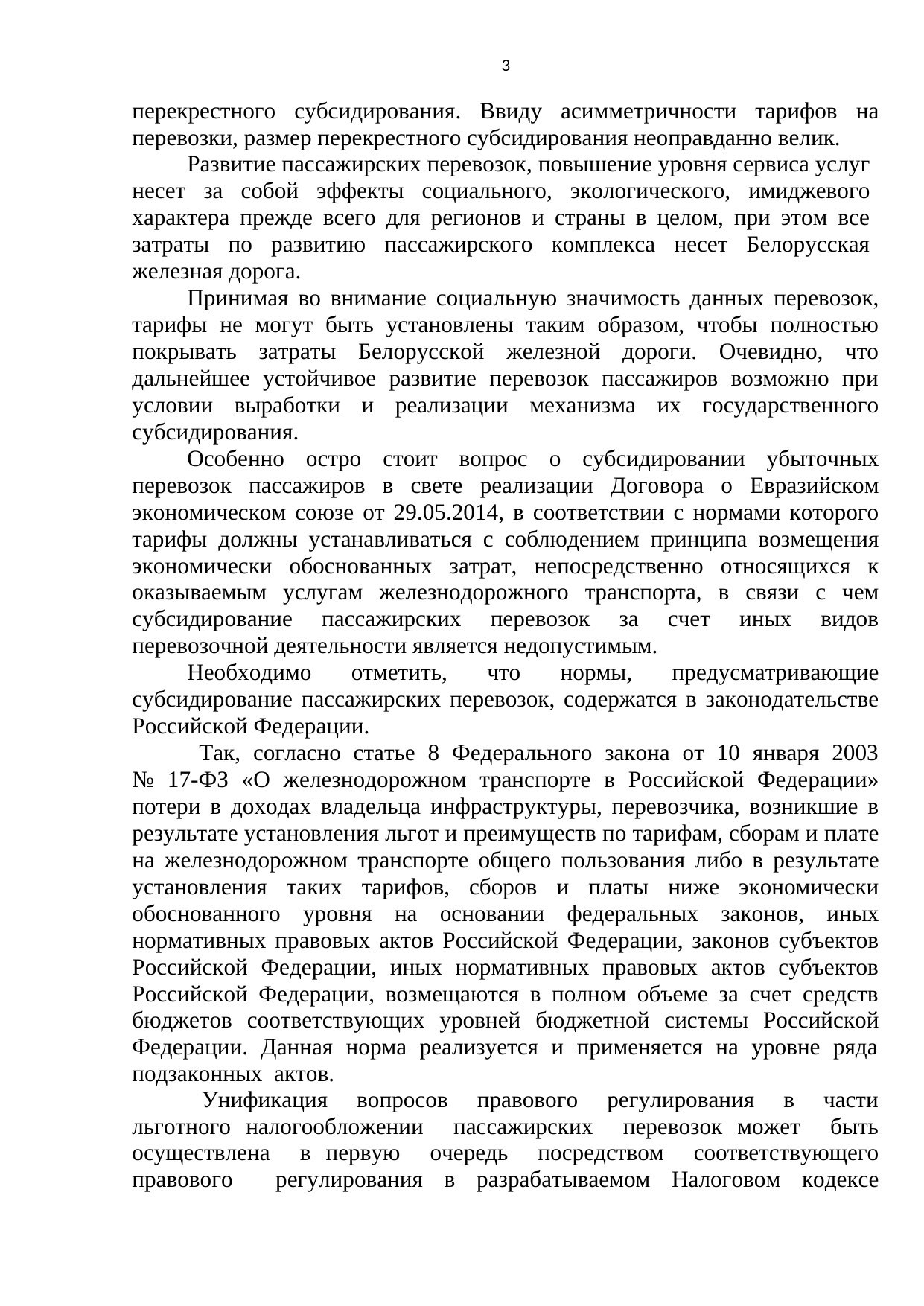
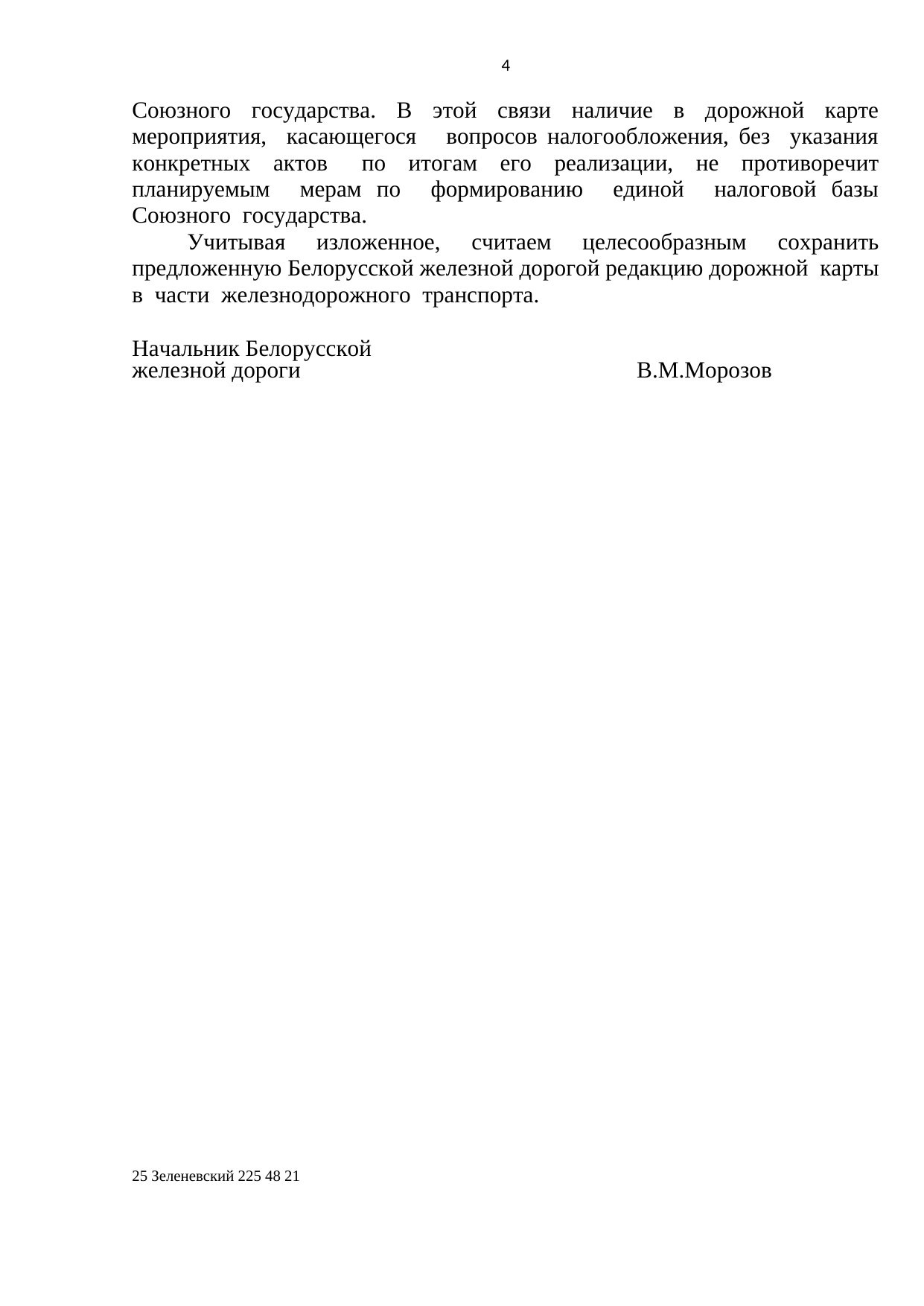
BCh’s response was ready even before Zverev’s official letter. On October 21, the railway’s then-head, Vladimir Morozov, sent his amendments to Minister Alexei Avramenko. Russian laws were added to the list, amendments were proposed for the acts of both countries, and “synchronization” was replaced with “work on unification.” BCh proposed deleting the item on the basics of state regulation, including tariff regulation, the consolidated train diagram, the provisions on carriers’ access to infrastructure, and item ten.
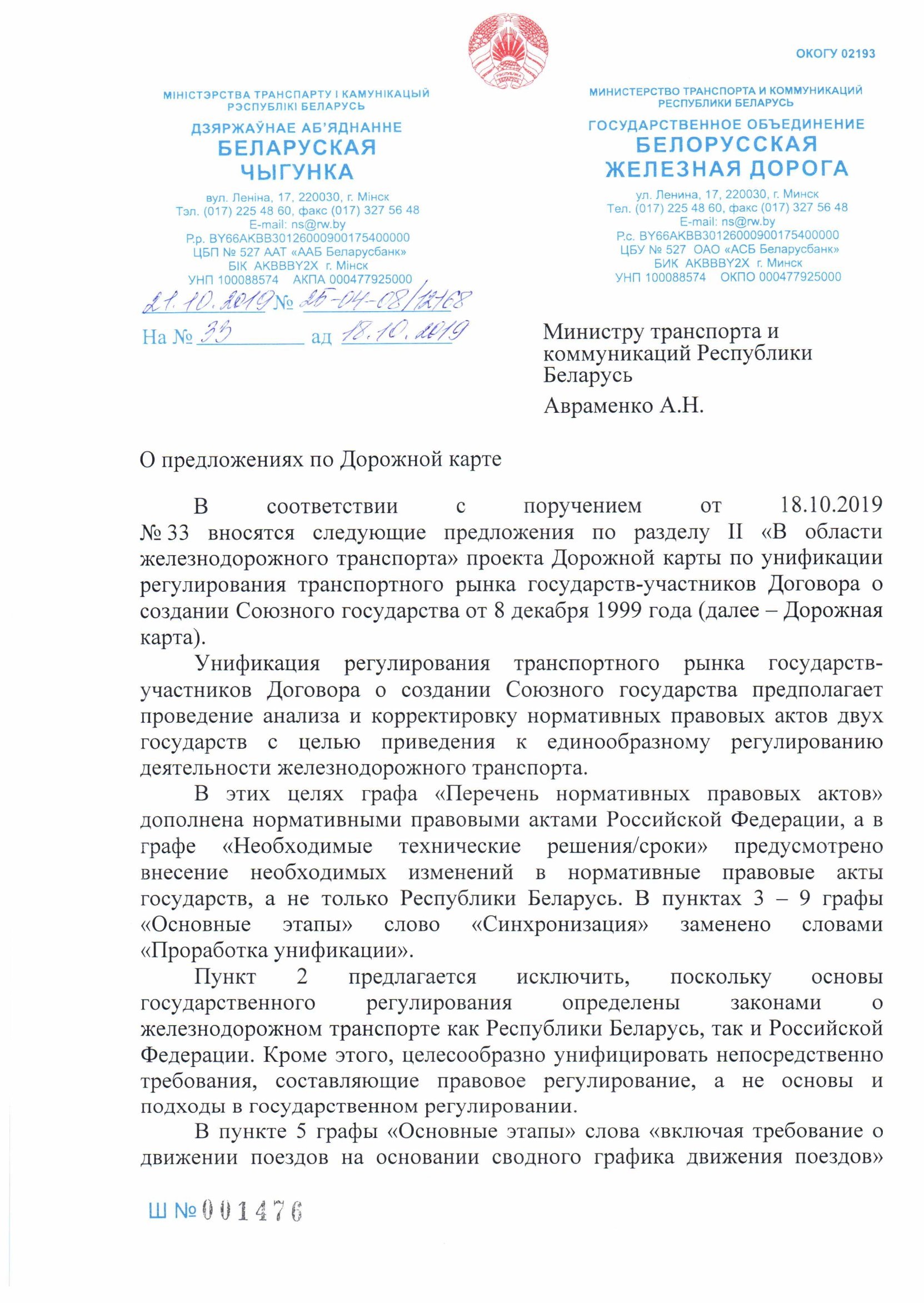
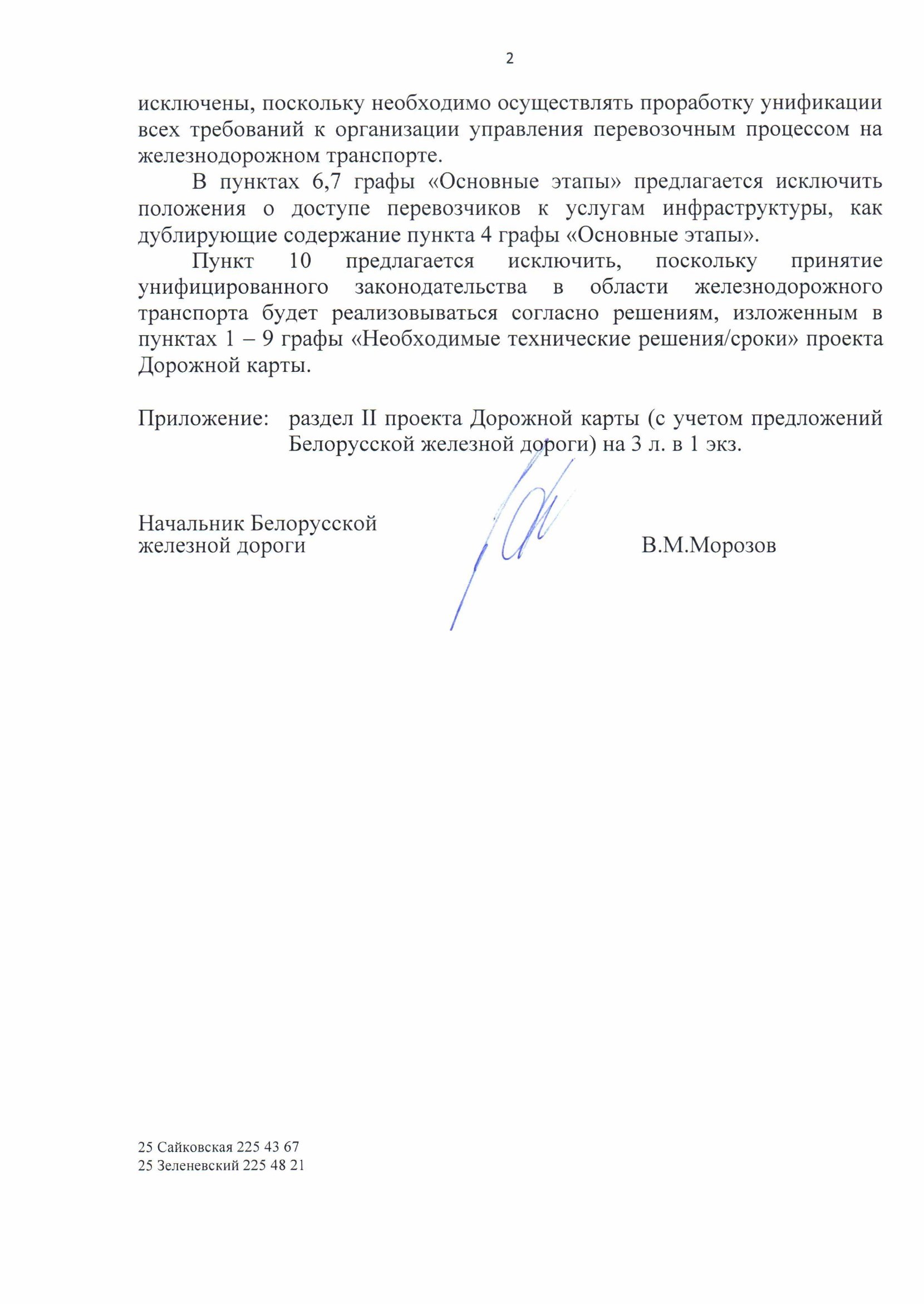
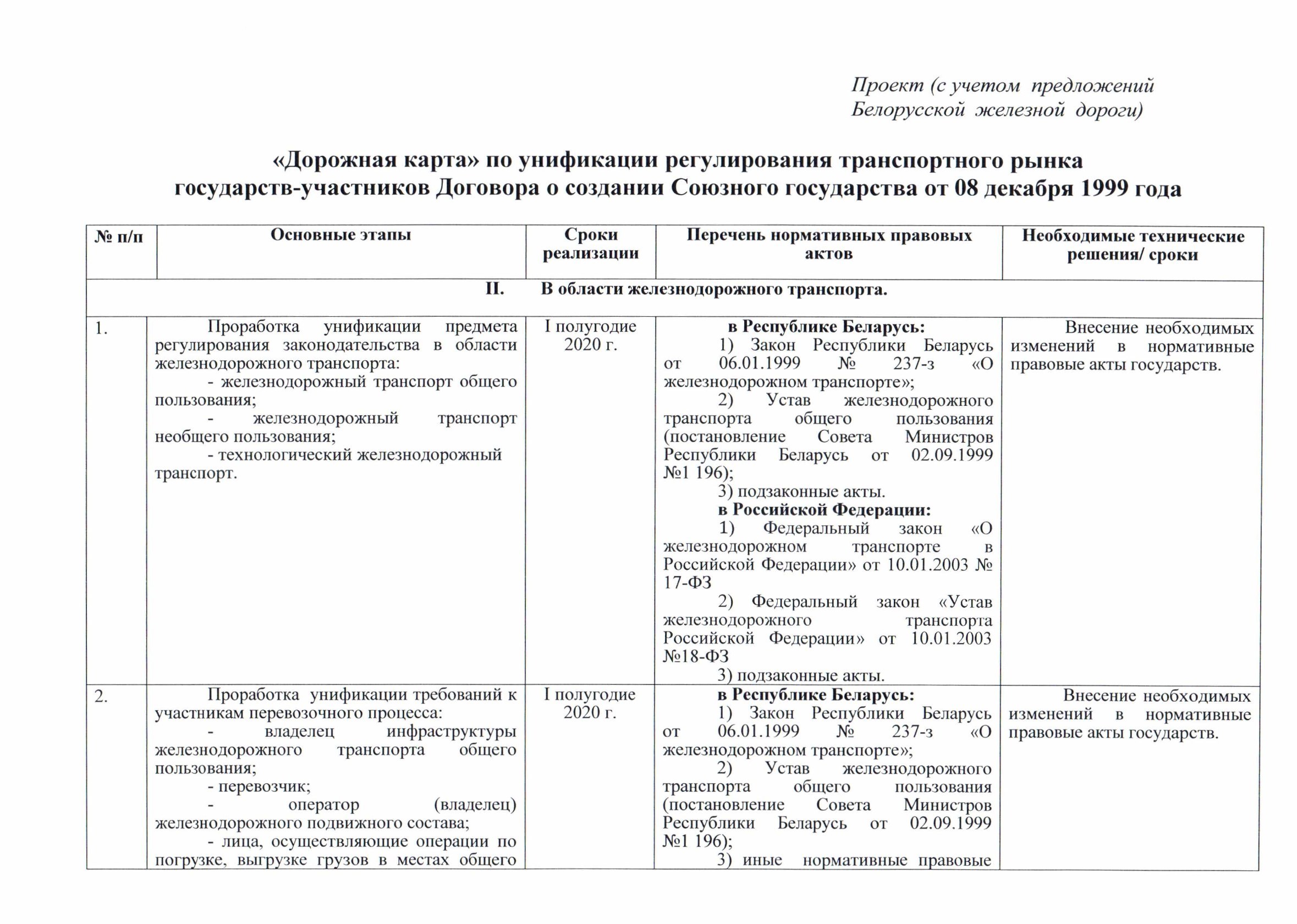
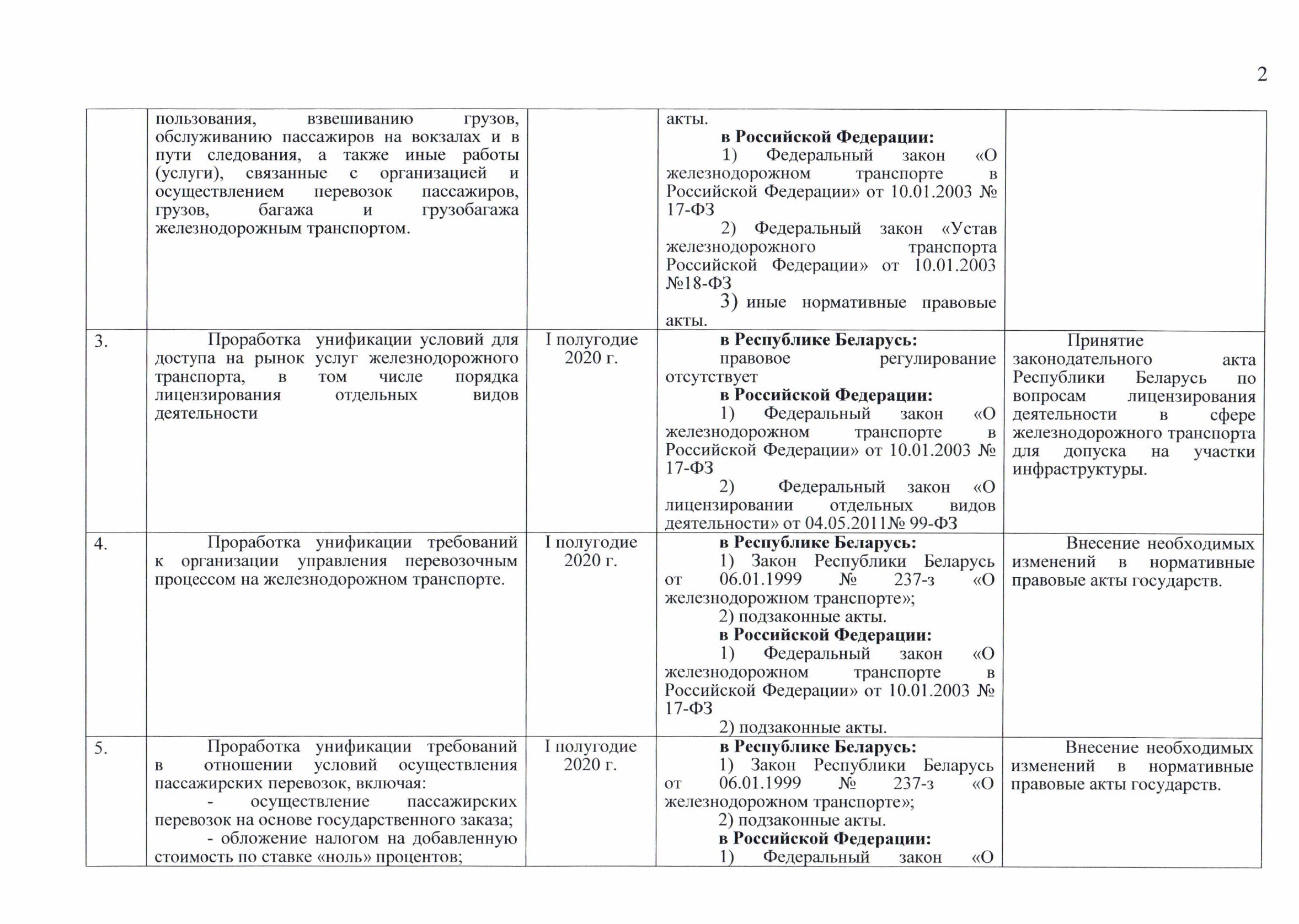
The justifications are couched in bureaucratic style. The basics of regulation, it is argued, are already defined by the laws of both countries, and what needs unifying are specific requirements. The consolidated train diagram is a special case; “work should be done to unify all requirements” for managing the transportation process. Access to infrastructure duplicates another item. Finally, a separate item on adopting unified legislation is unnecessary, since amendments are already provided for in every item.
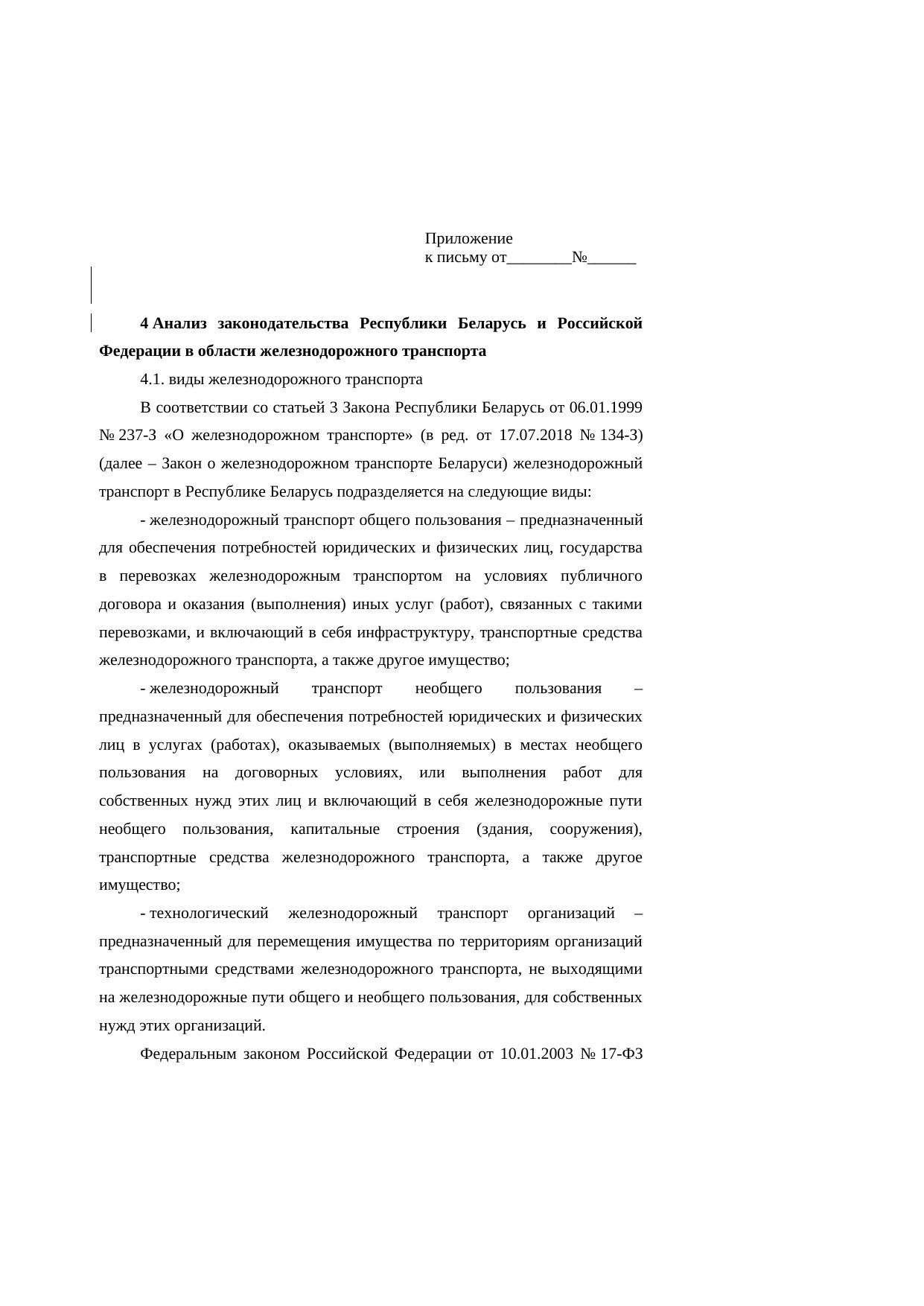
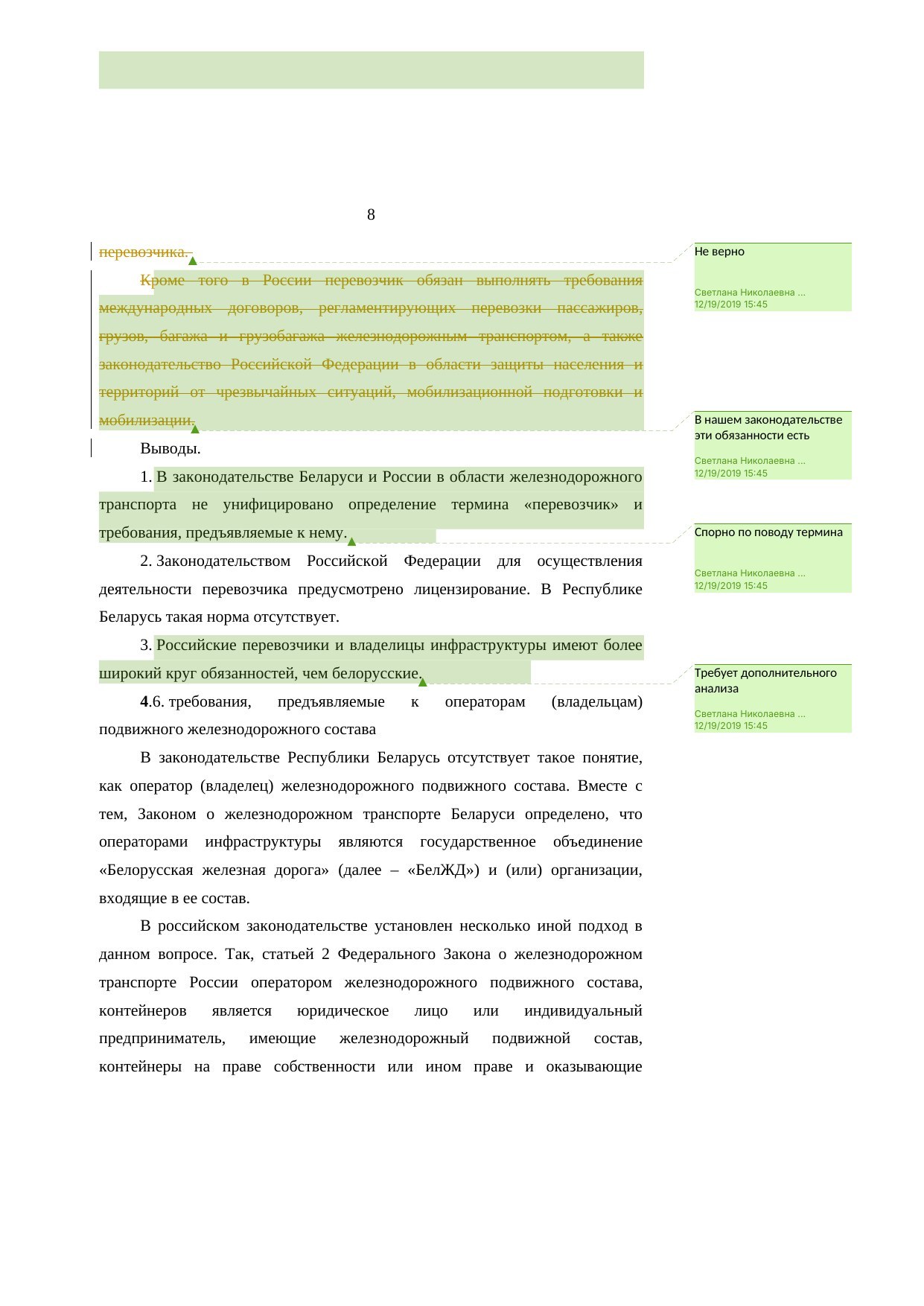
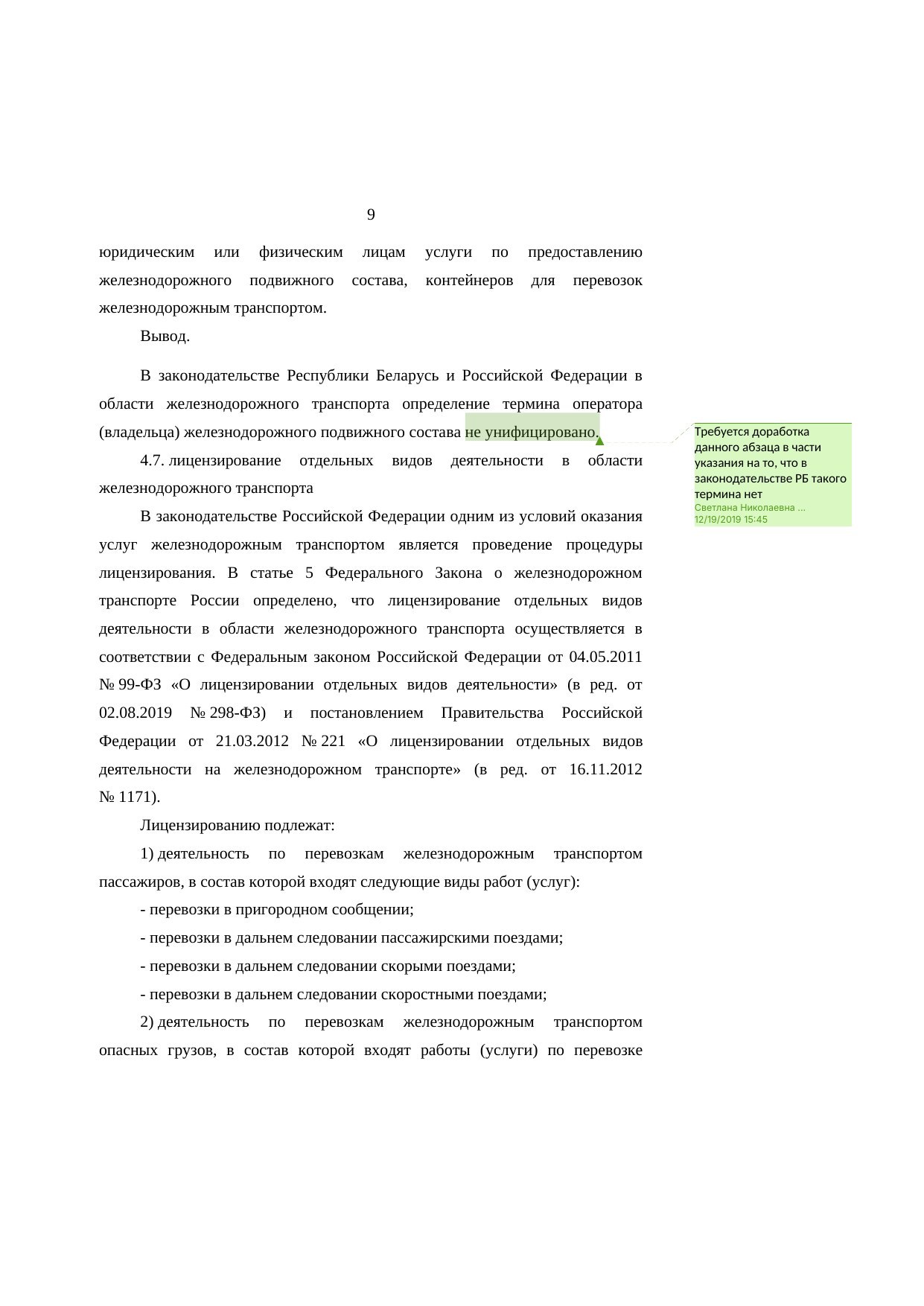
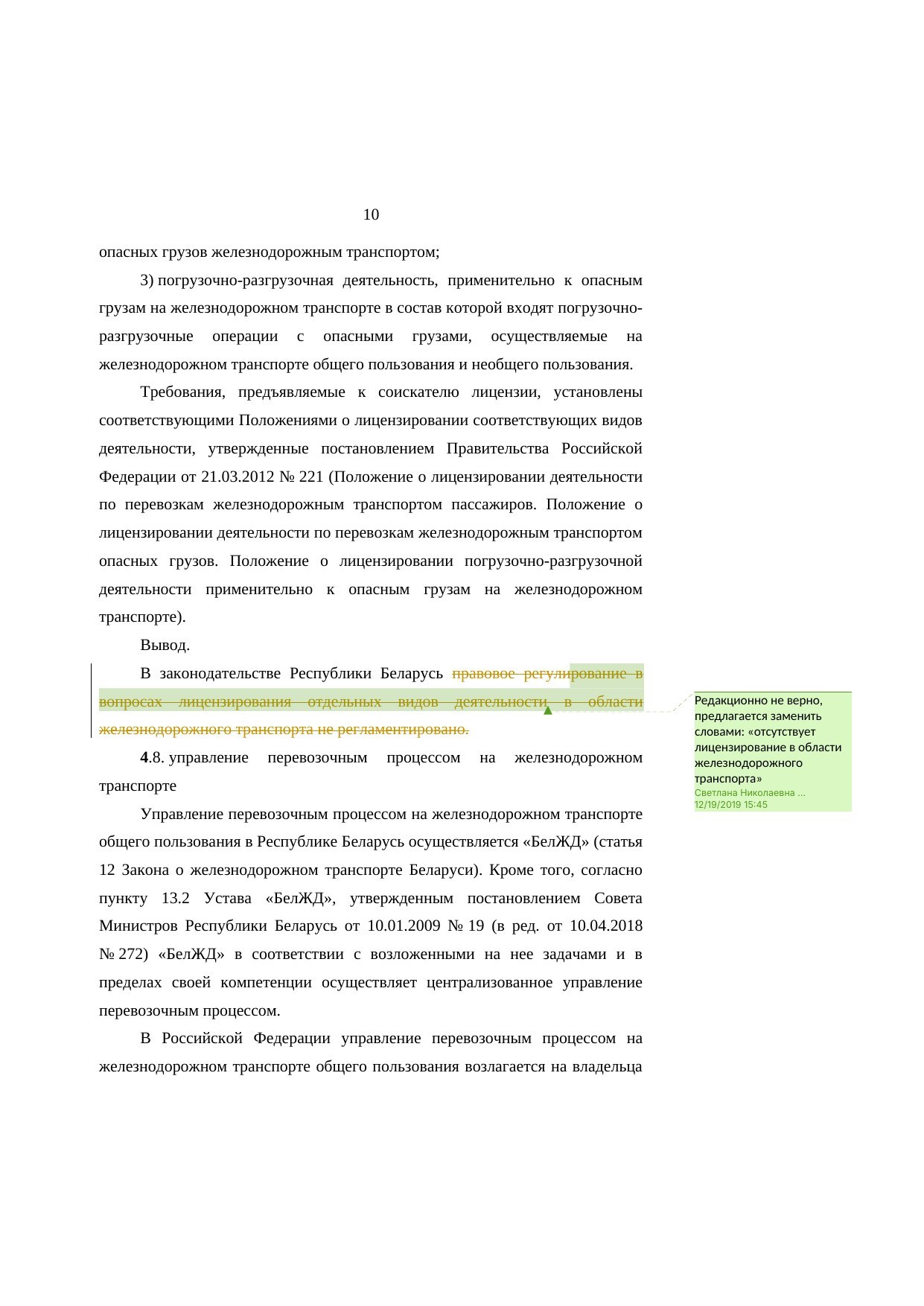
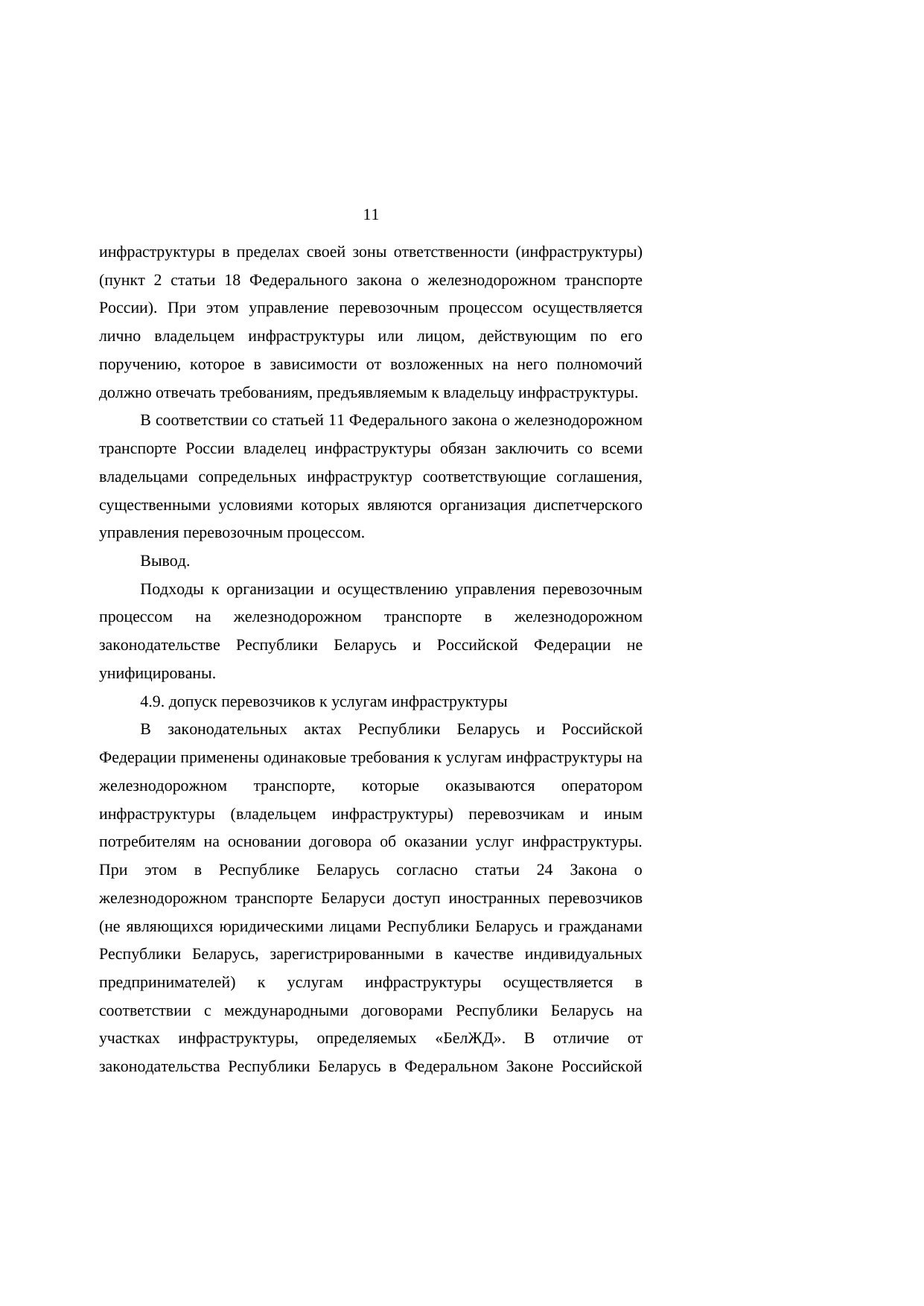
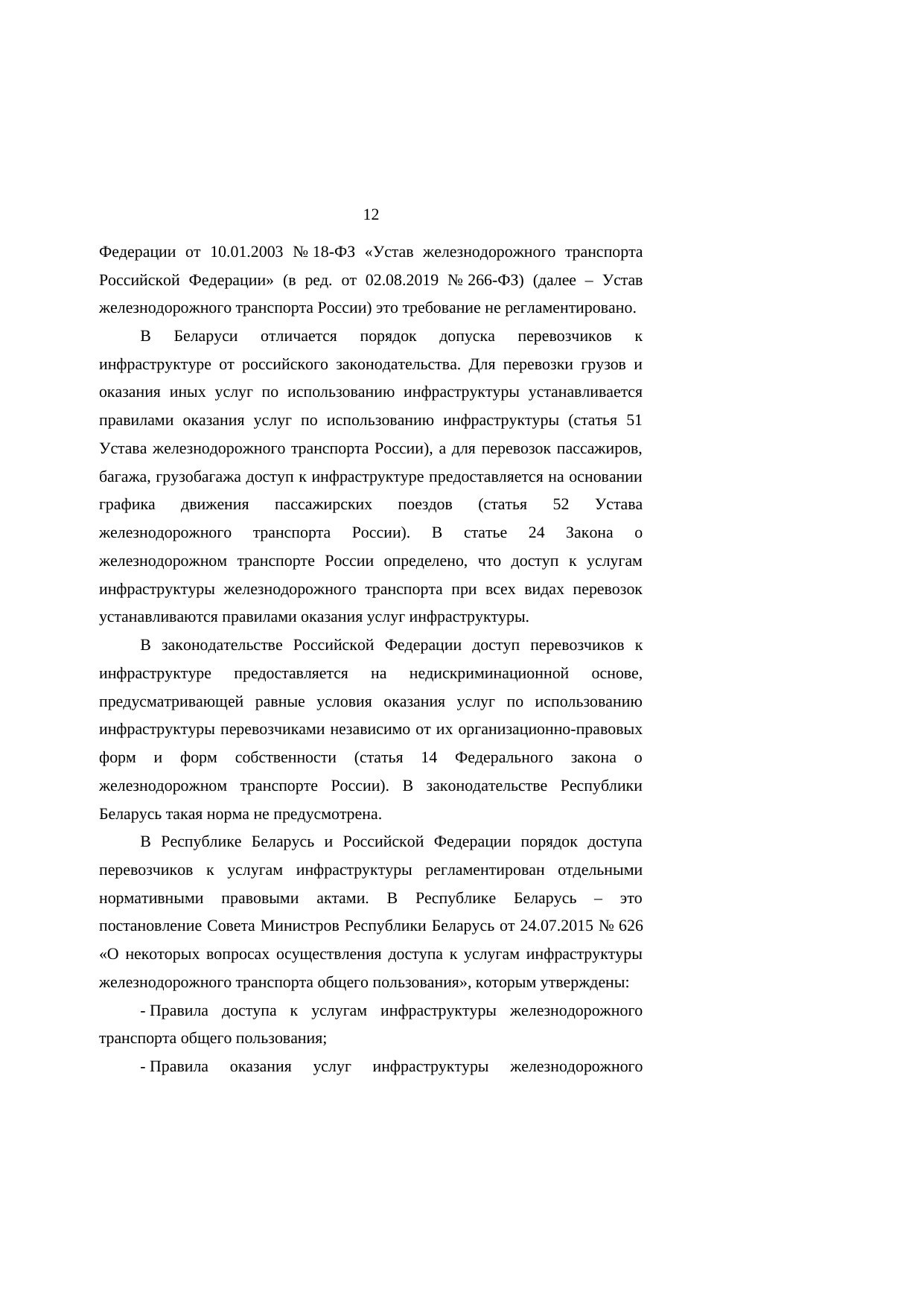
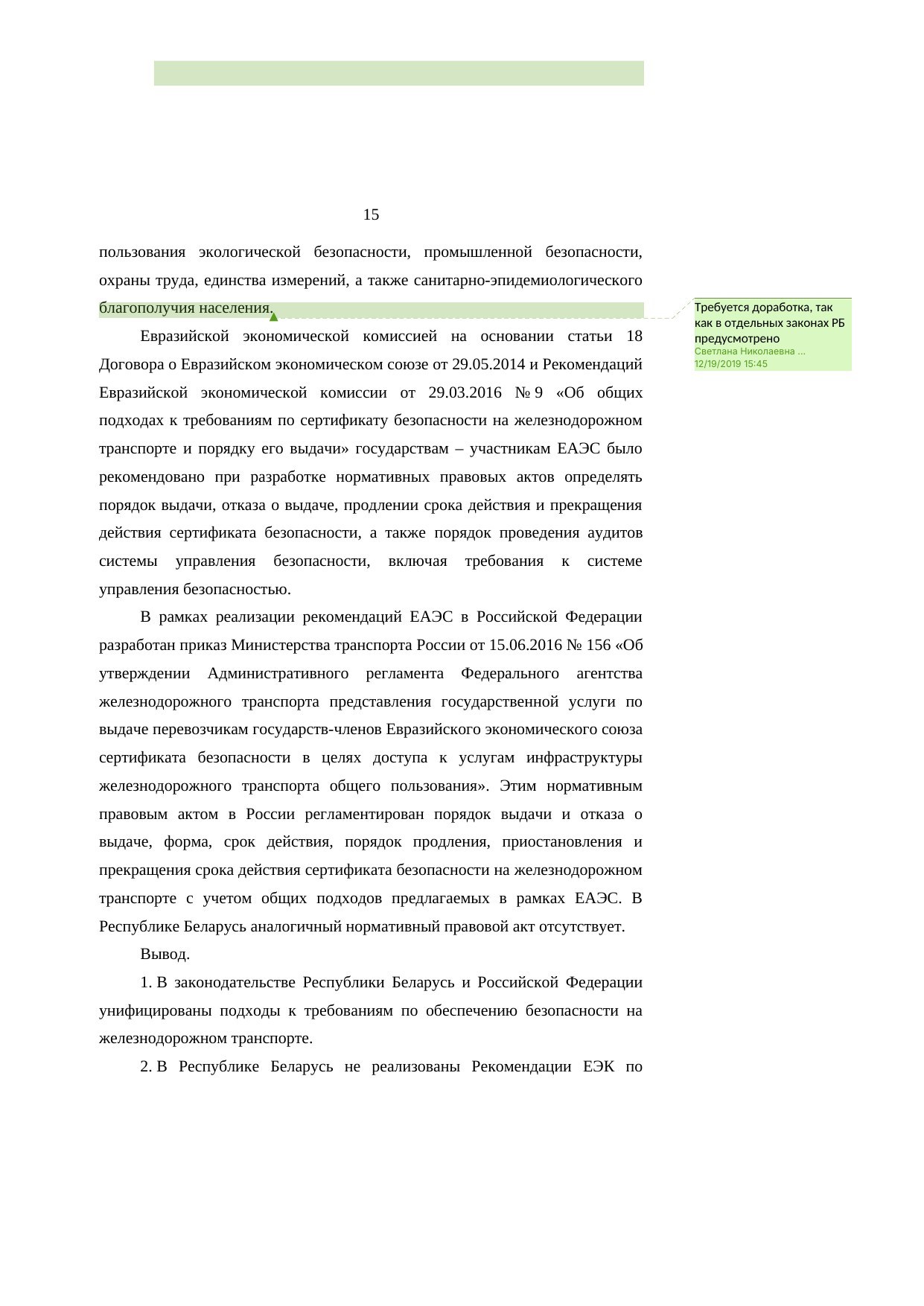
The real attitude toward the whole undertaking is evident from “for official use only” documents. As early as September 2019, in a draft letter to the Ministry of Transport and Communications, BCh stated that “there are currently no problematic issues that could be resolved through the unification of railway transport legislation”: regulation was already being improved within the EAEU, the CIS Railway Transport Council, and the OSJD.
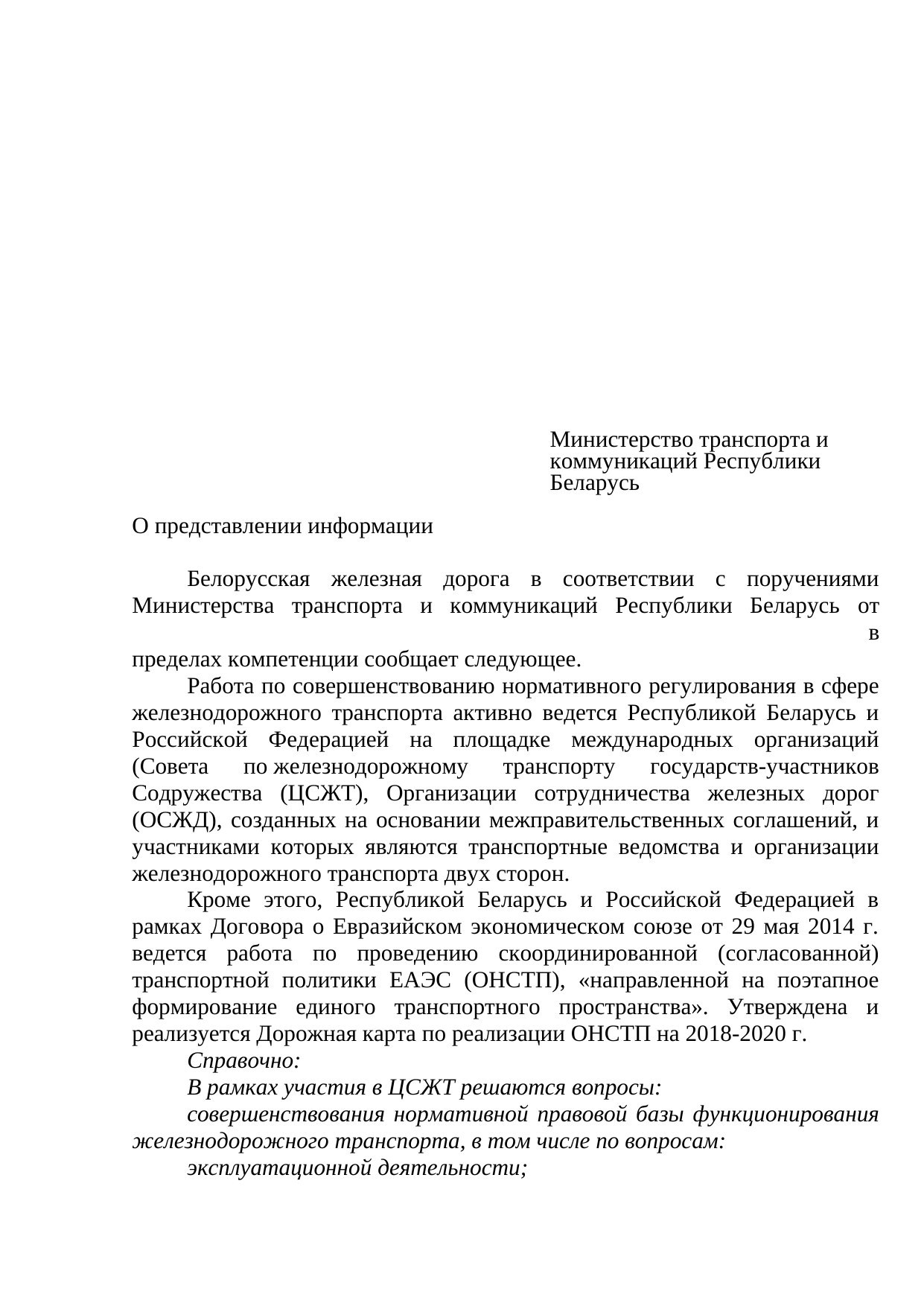
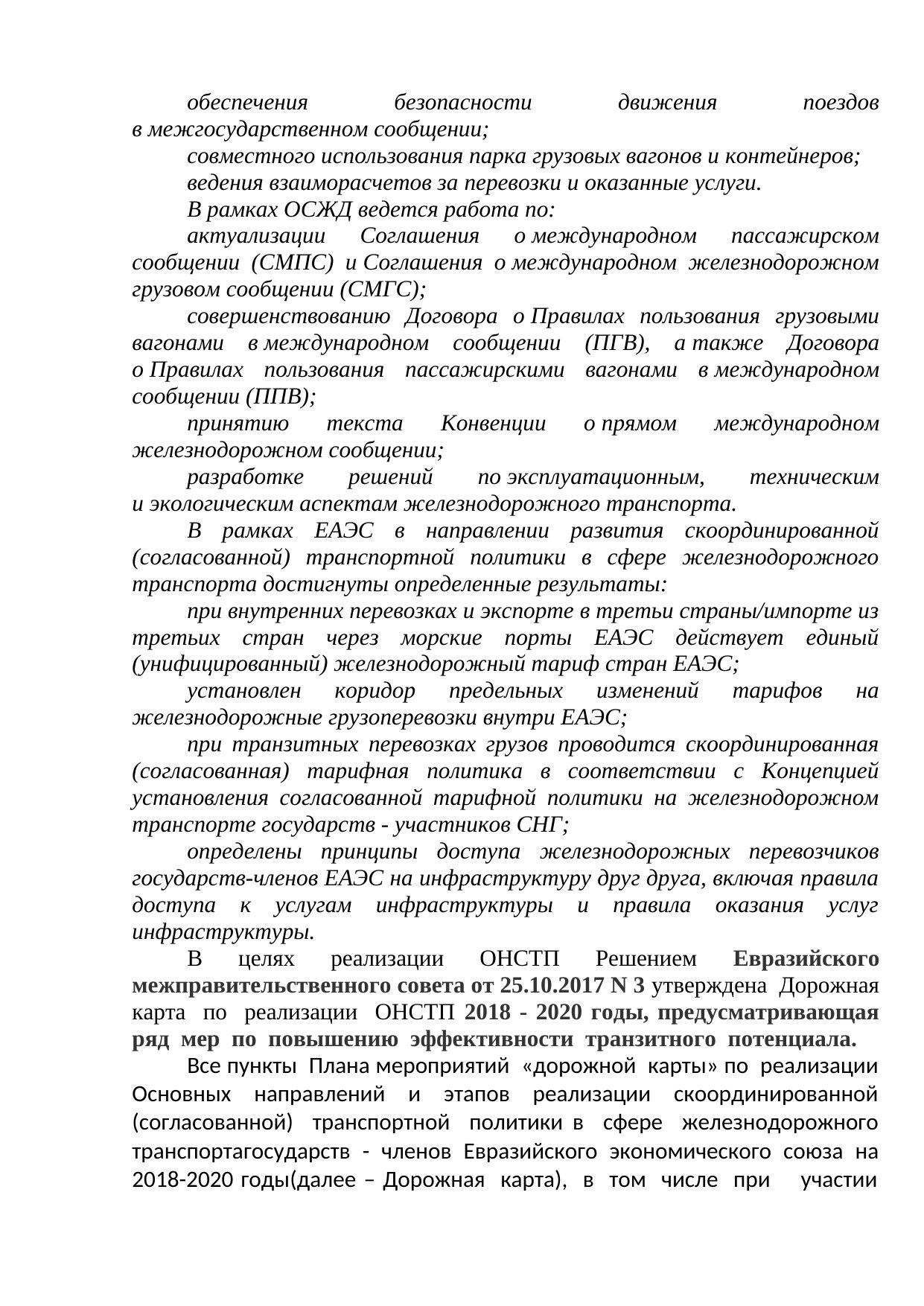
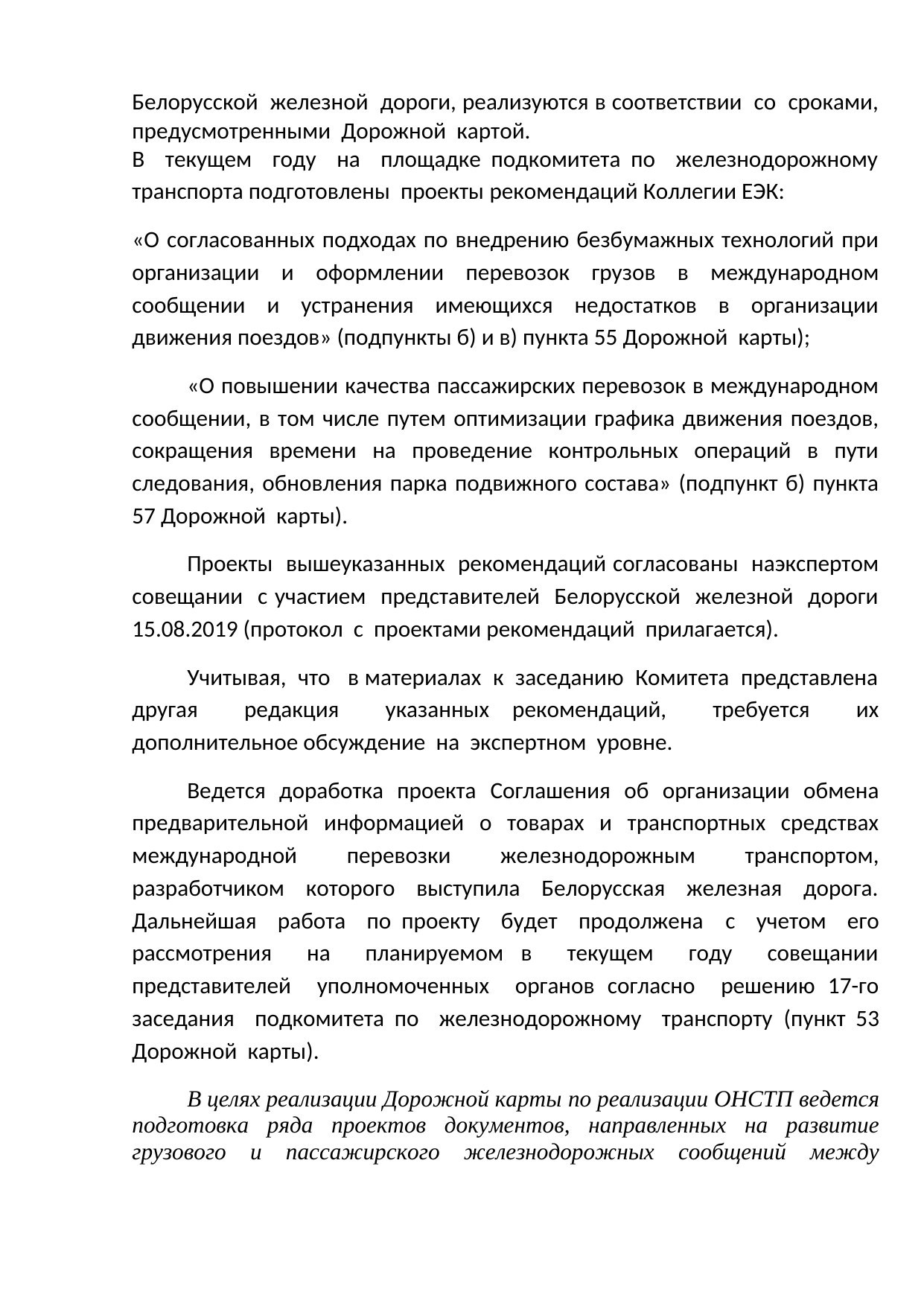
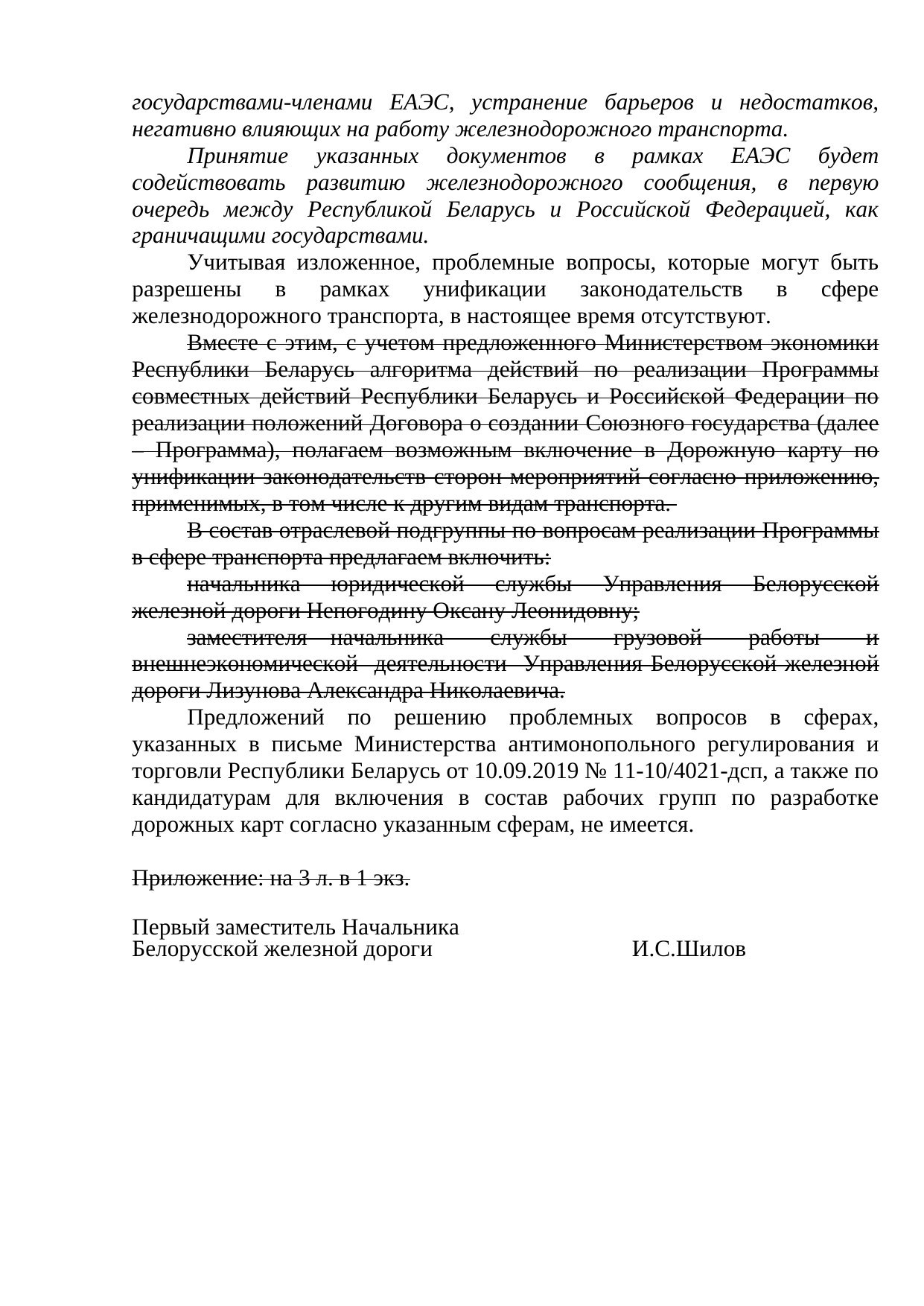

And in the draft reply to the Russian ministry prepared by BCh, it was stated outright that current Belarusian railway transport legislation “complies with the provisions of international treaties to which the Republic of Belarus is a party.”
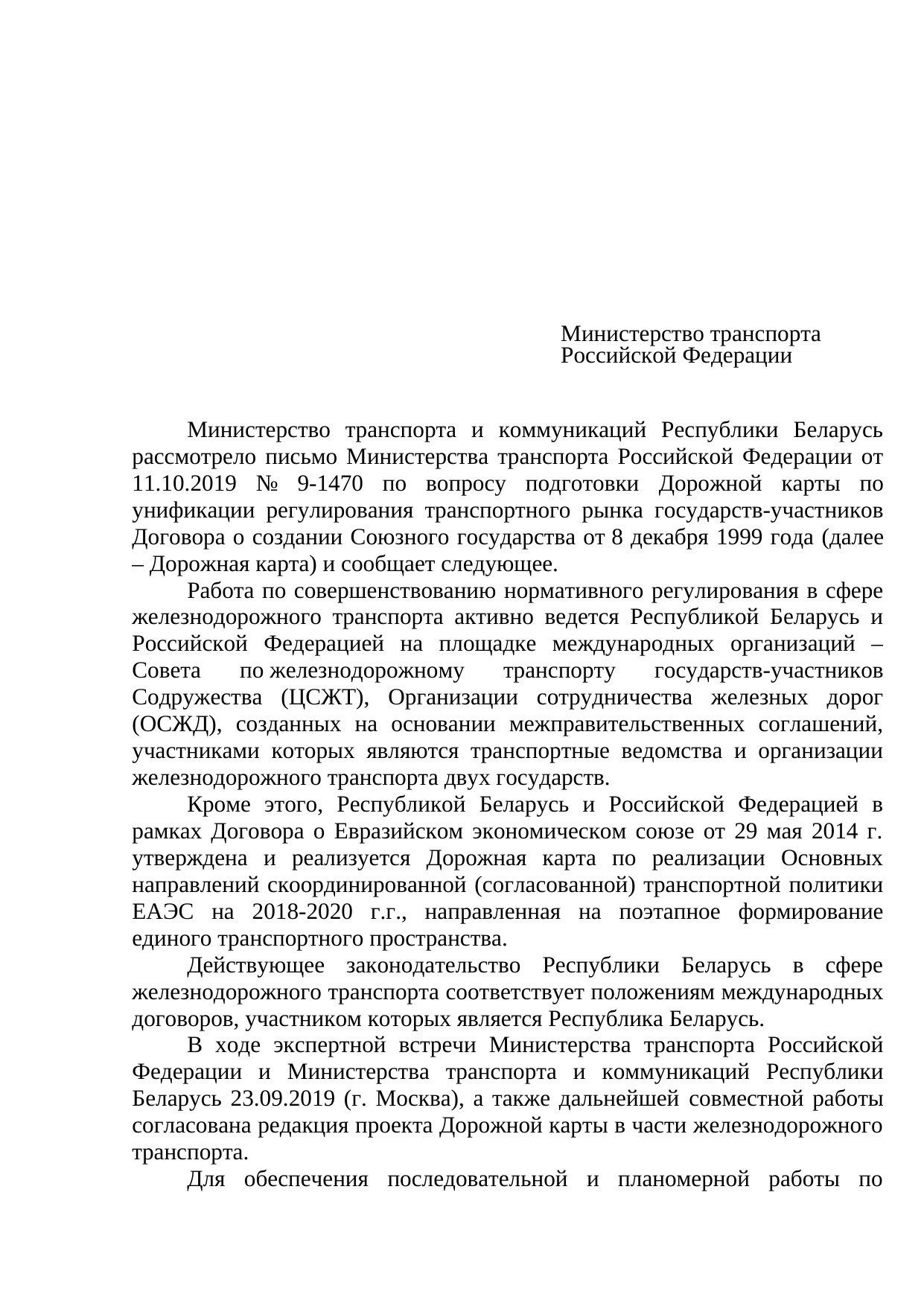
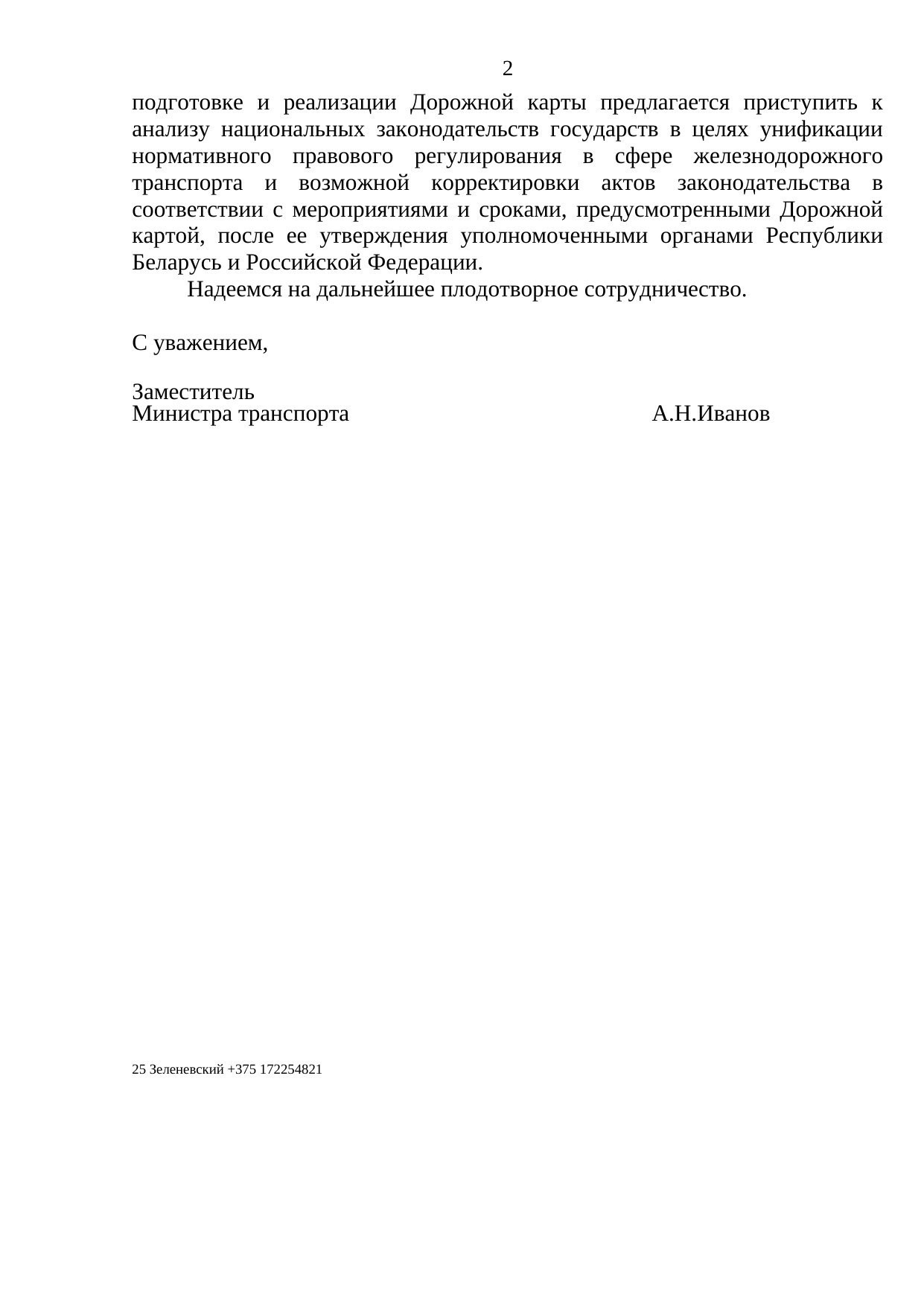
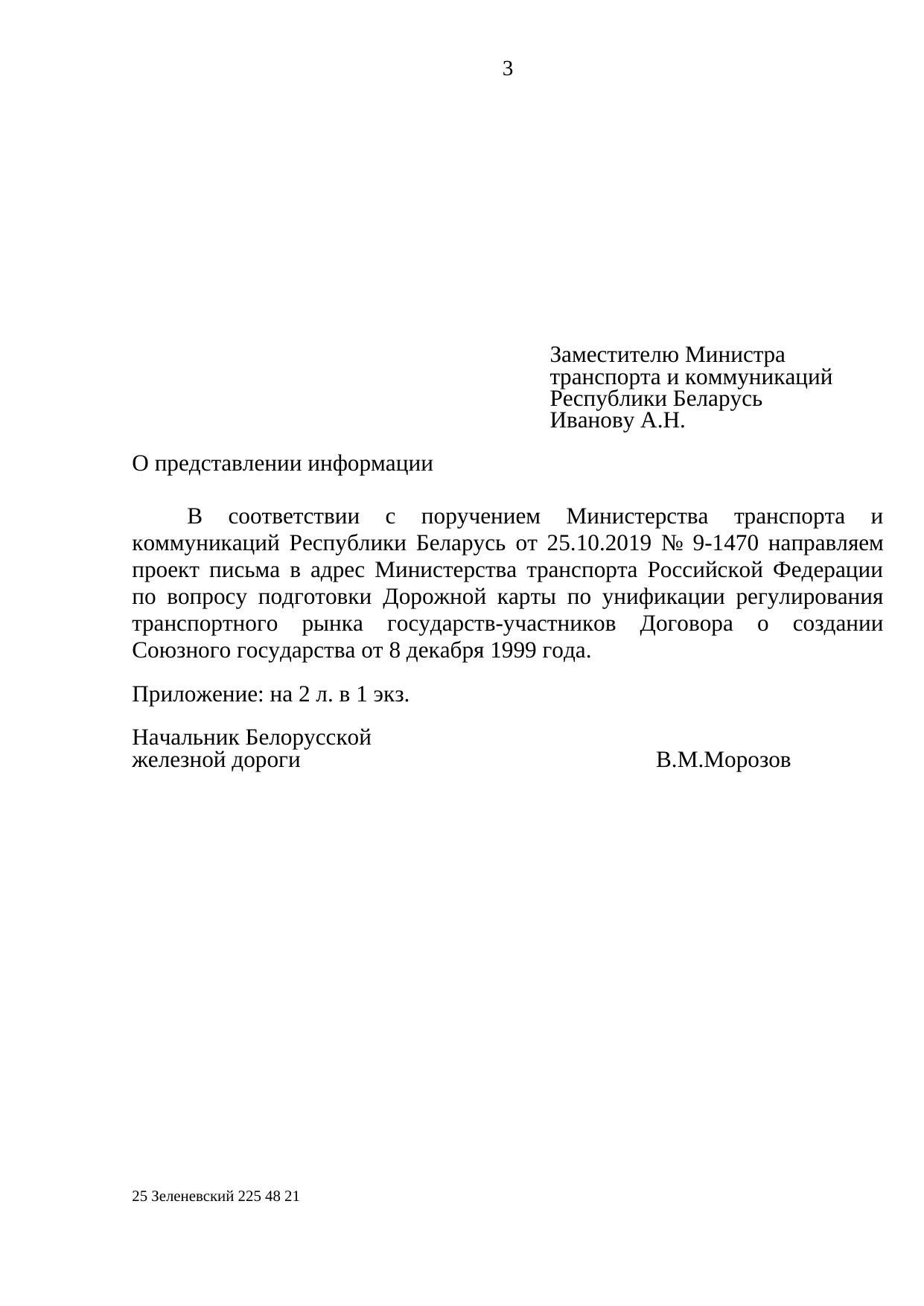
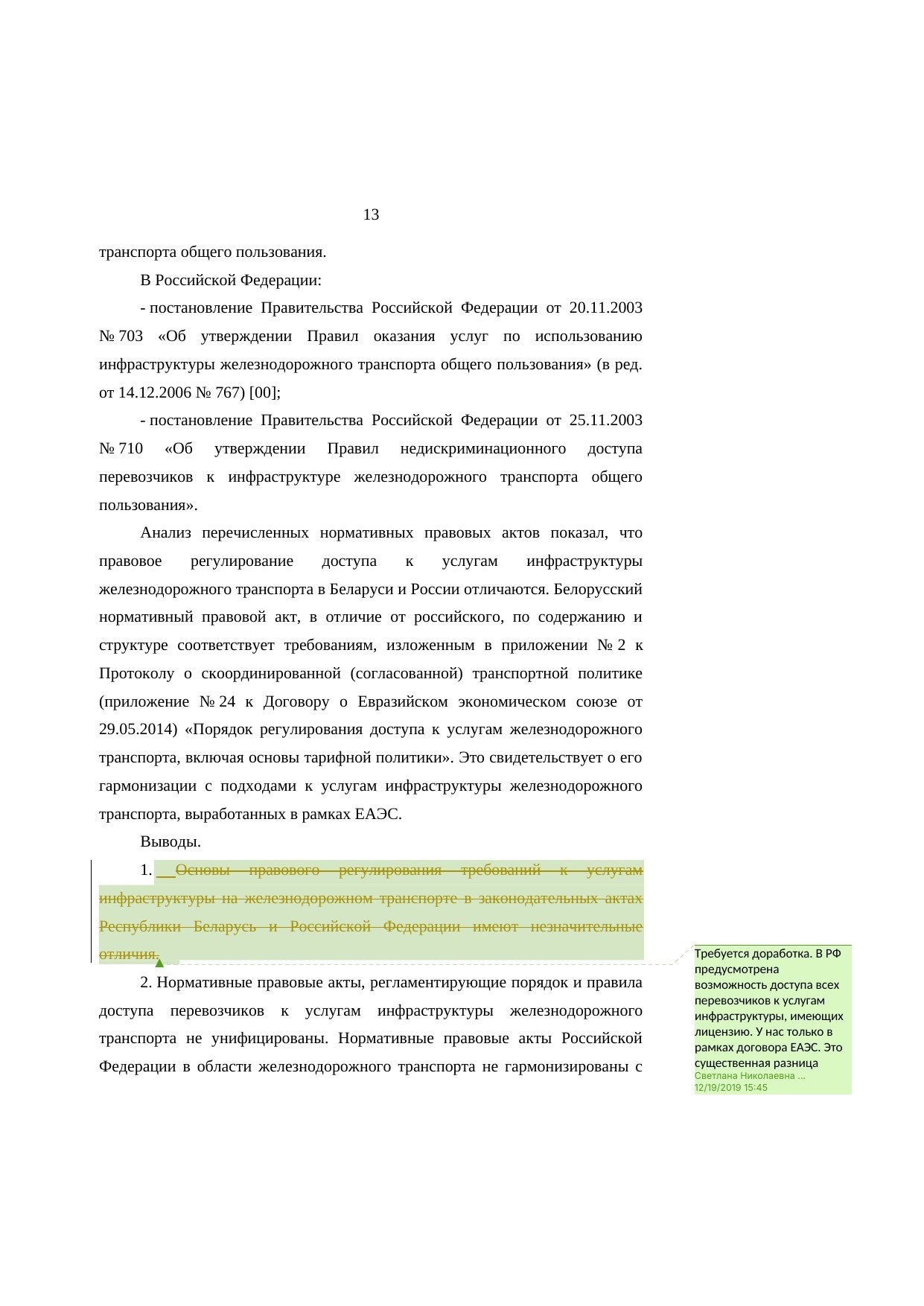
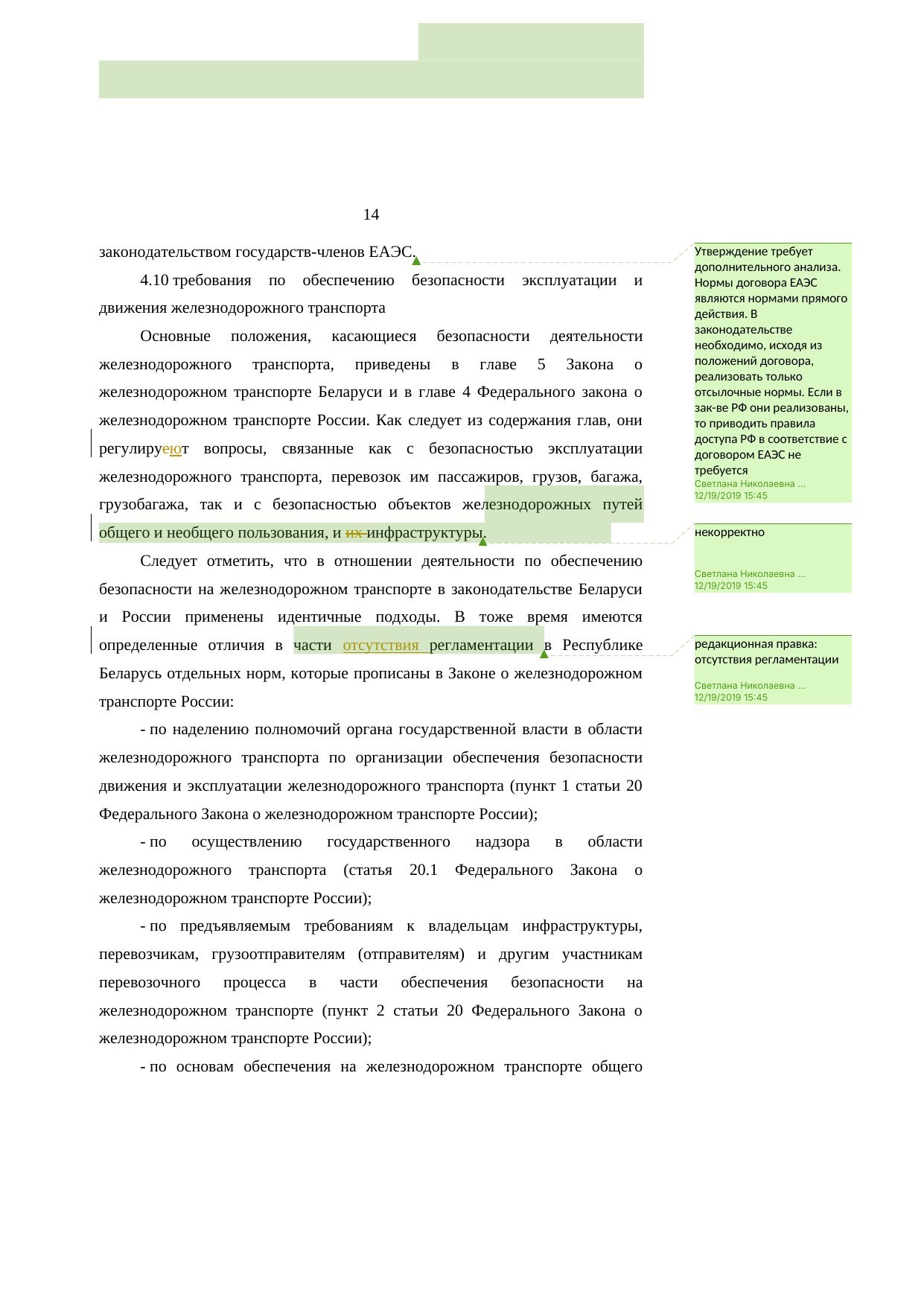
To be fair, the picture is not entirely one-sided. The Belarusian side itself proposed some of the “unilateral” measures. In September 2019, BCh noted that EAEU rules on infrastructure access require carriers to hold a license and a safety certificate, while Belarusian legislation did not provide a procedure for issuing these to foreign carriers, and proposed introducing one. Early Belarusian drafts of the roadmap also ended with “the adoption of unified legislation,” and in intermediate versions from mid-October, amendments were in fact provided for only in Belarusian acts. On the other hand, BCh also proposed amending a Russian act — the Rules for the Technical Operation of Railways: the ban, introduced by an order of the Russian Ministry of Transport, on using modernized rolling stock with an extended service life was described there as having “signs of non-compliance” with EAEU law.
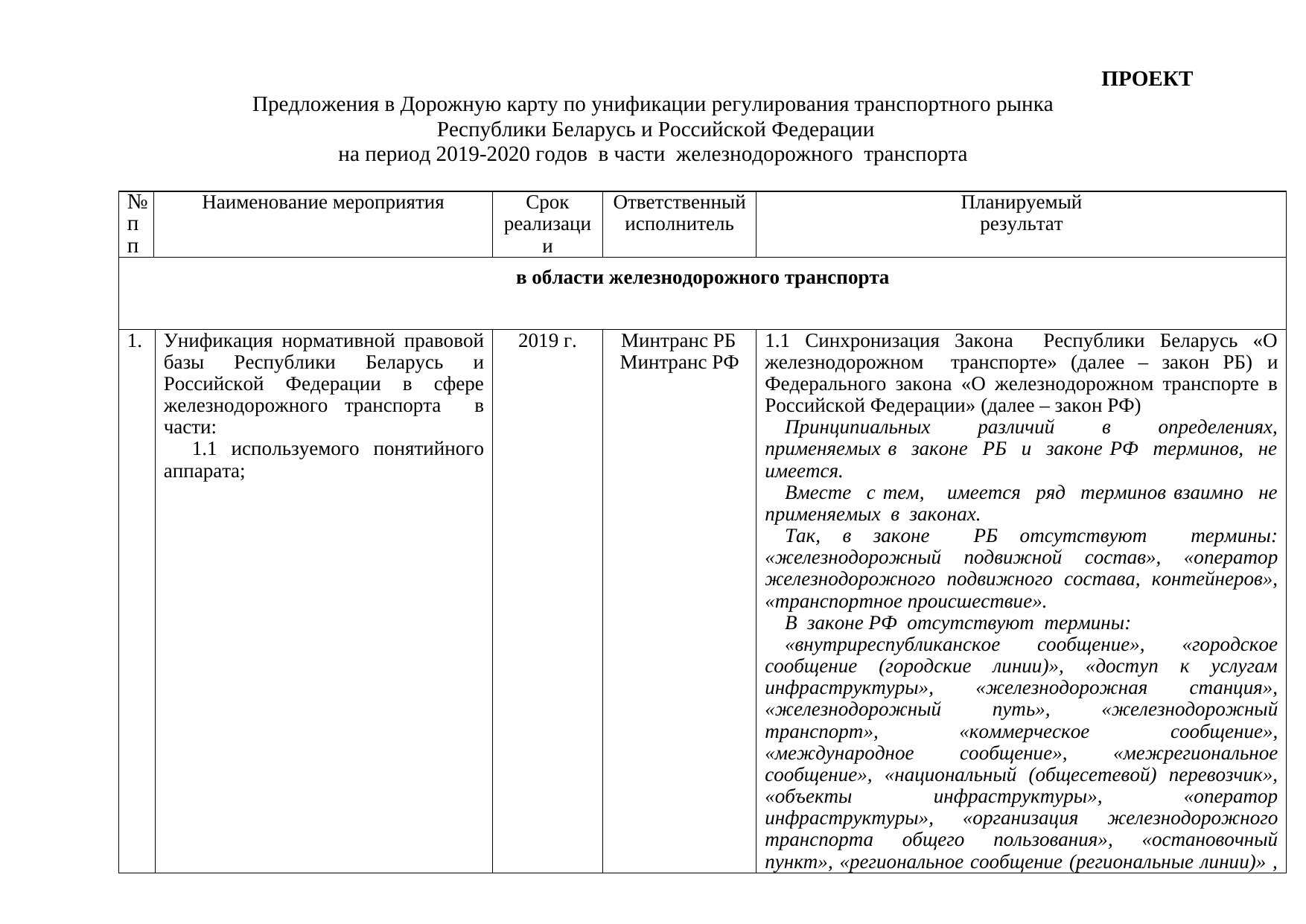
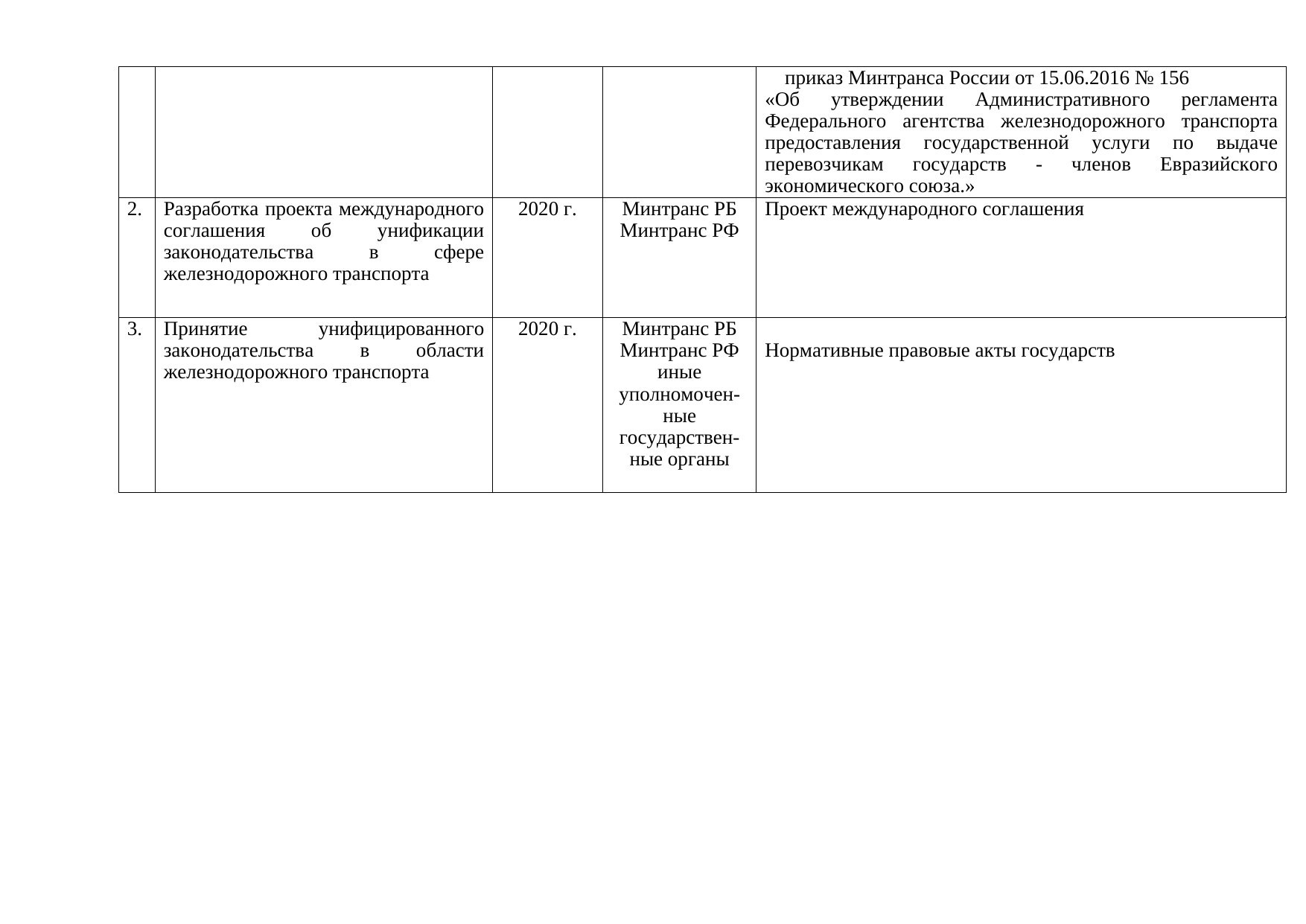
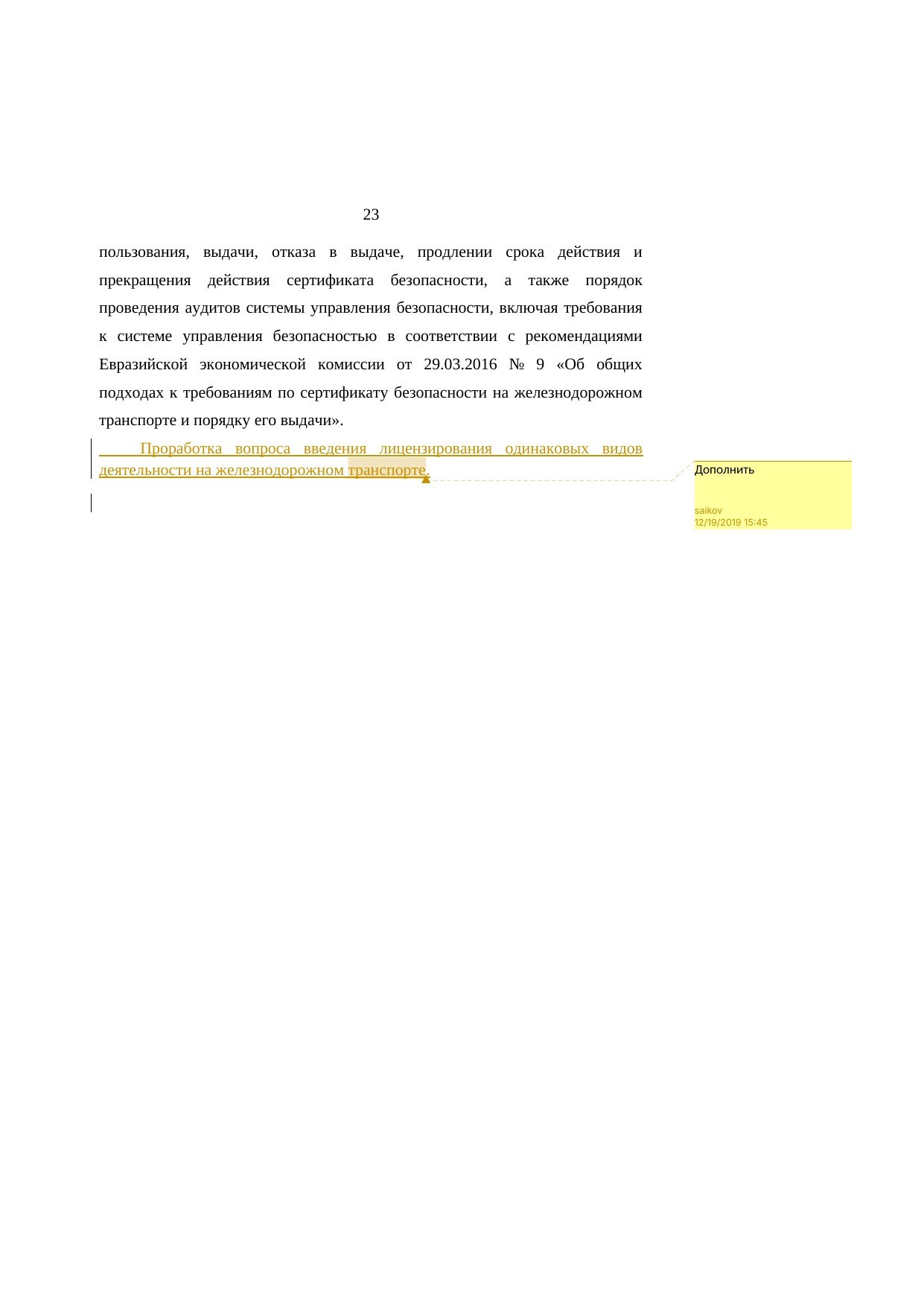
The real difference lay elsewhere: whose laws were being rewritten, and who controlled the train diagram. BCh’s lawyers summed up the essence of the disagreement in comments on a scientific report on unification prepared for the Ministry of Transport in late 2019: in Russia, access to infrastructure services is open to any licensed carrier, while in Belarus it is available only within the framework of the EAEU treaty, and “this is a substantial difference.” Tellingly, a neutral proposal added by BCh — to “work on licensing identical types of activity” — turned, in the final report, into a one-sided provision on introducing licensing “in the Republic of Belarus.”
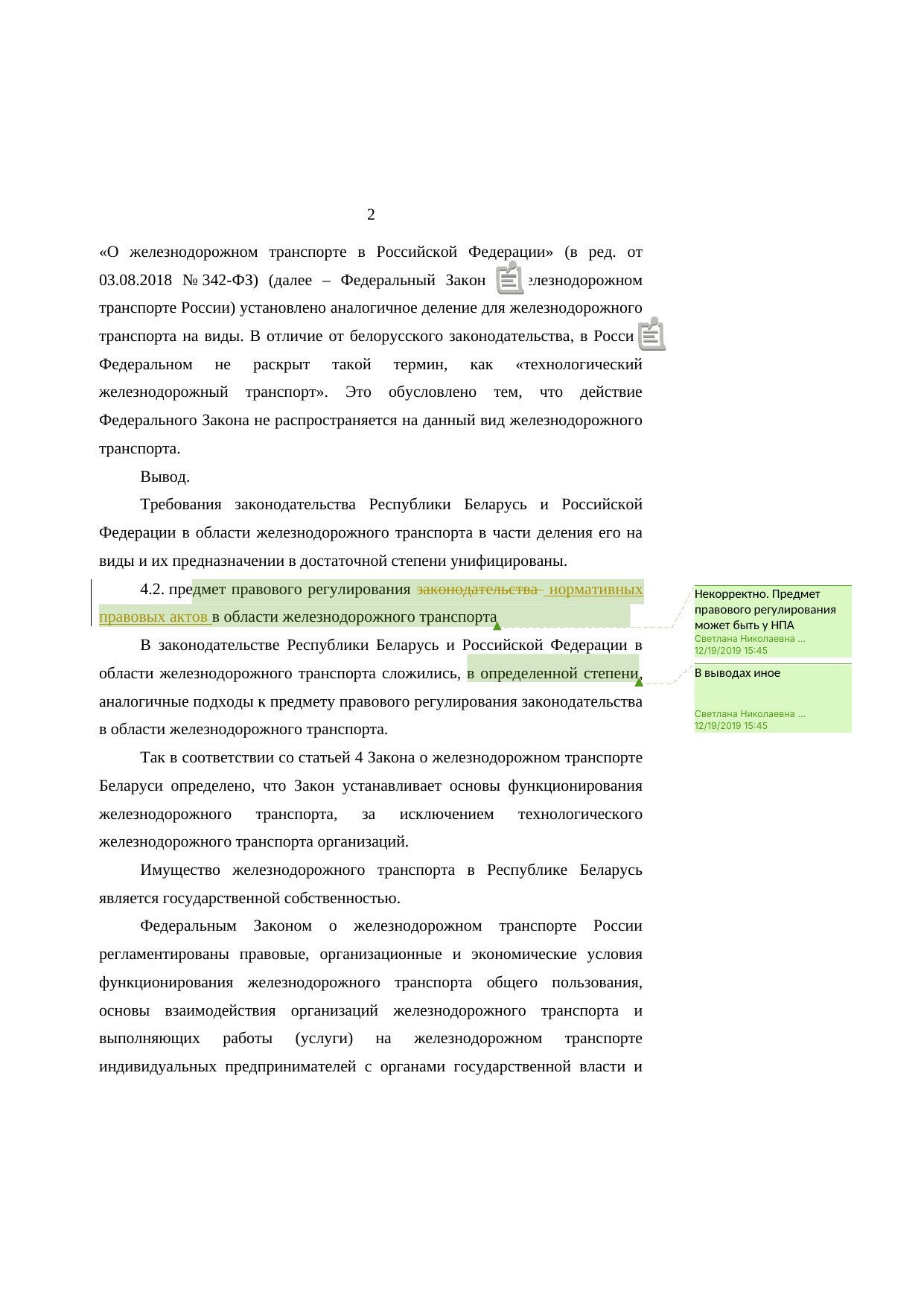
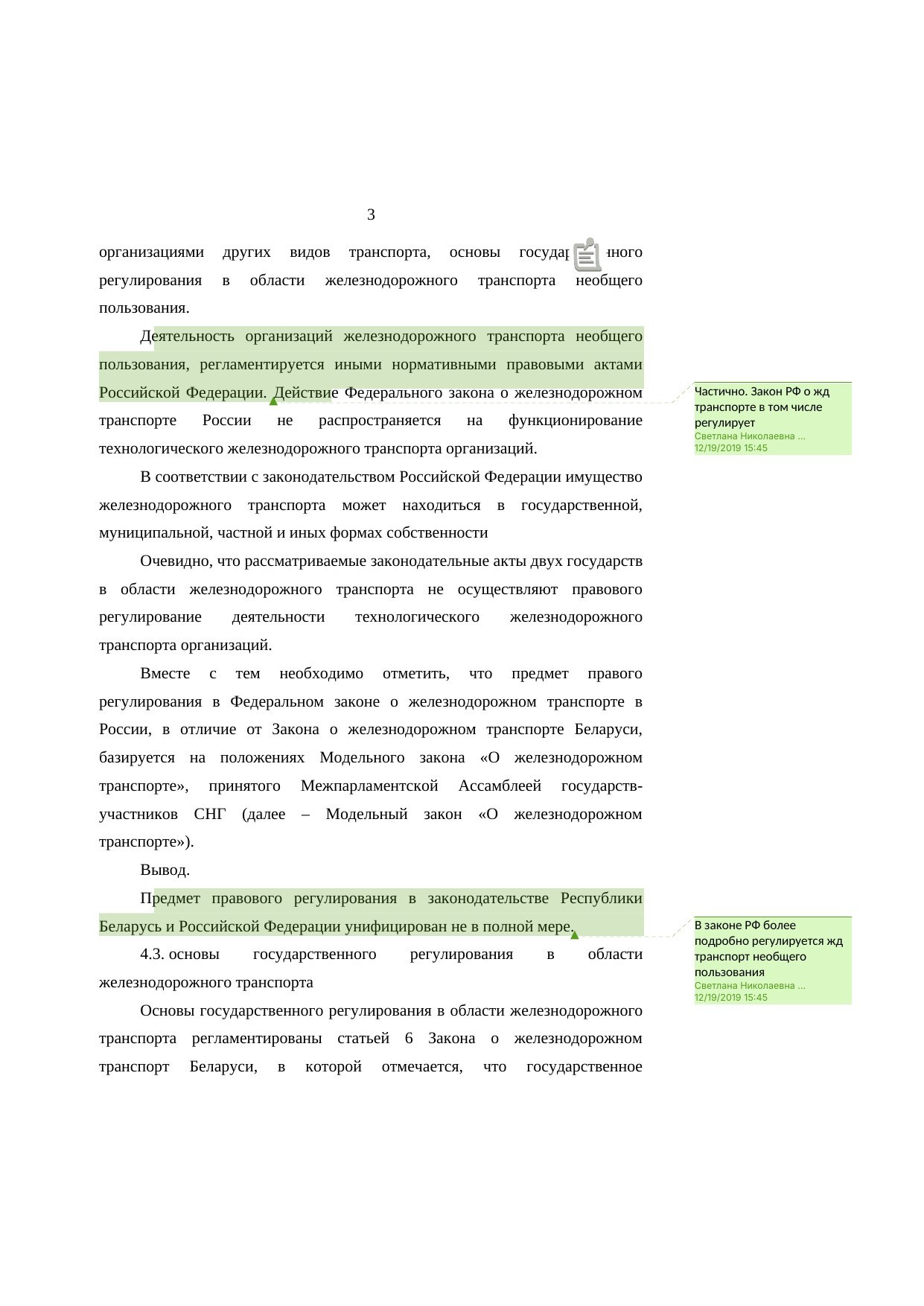
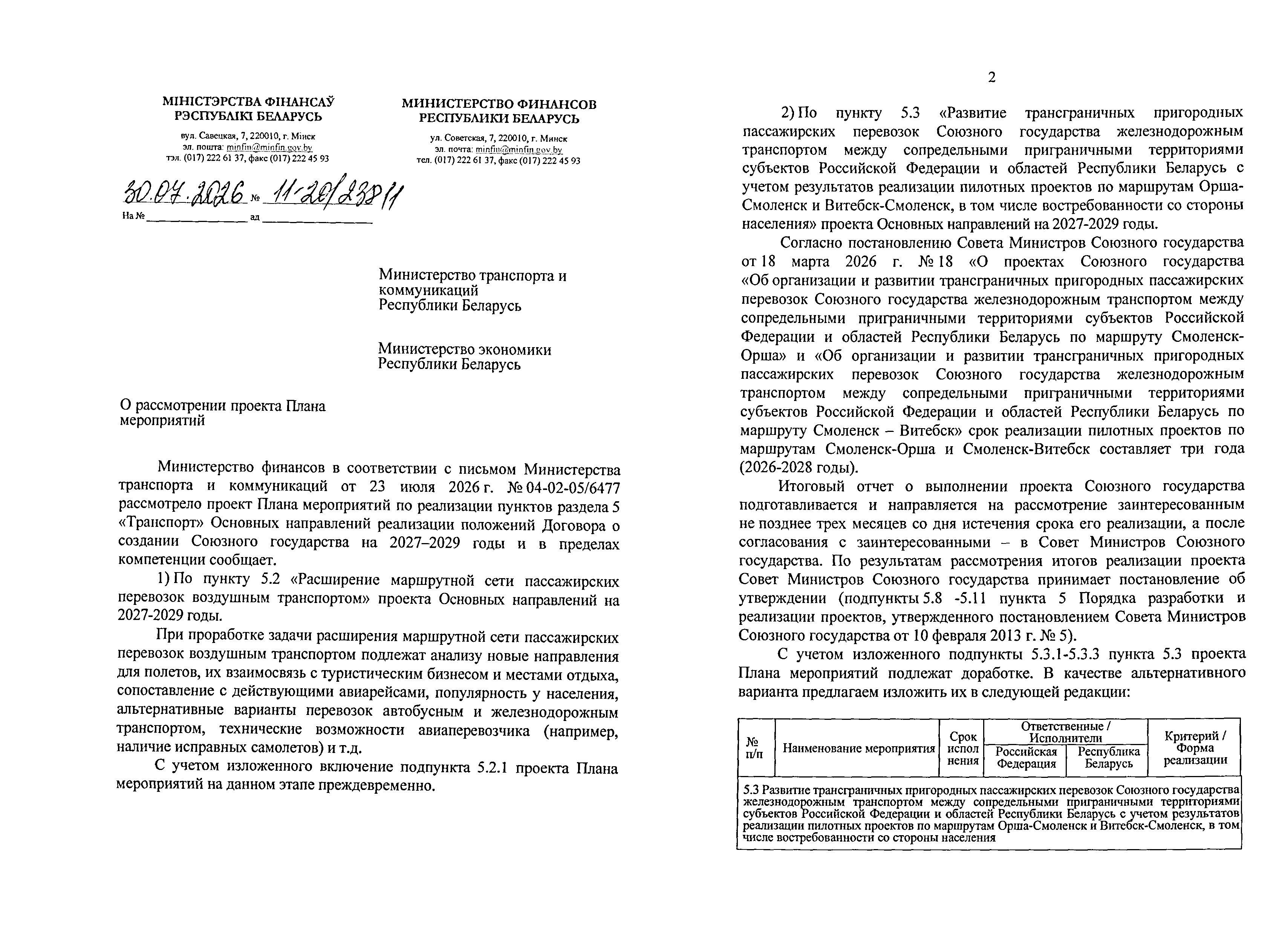
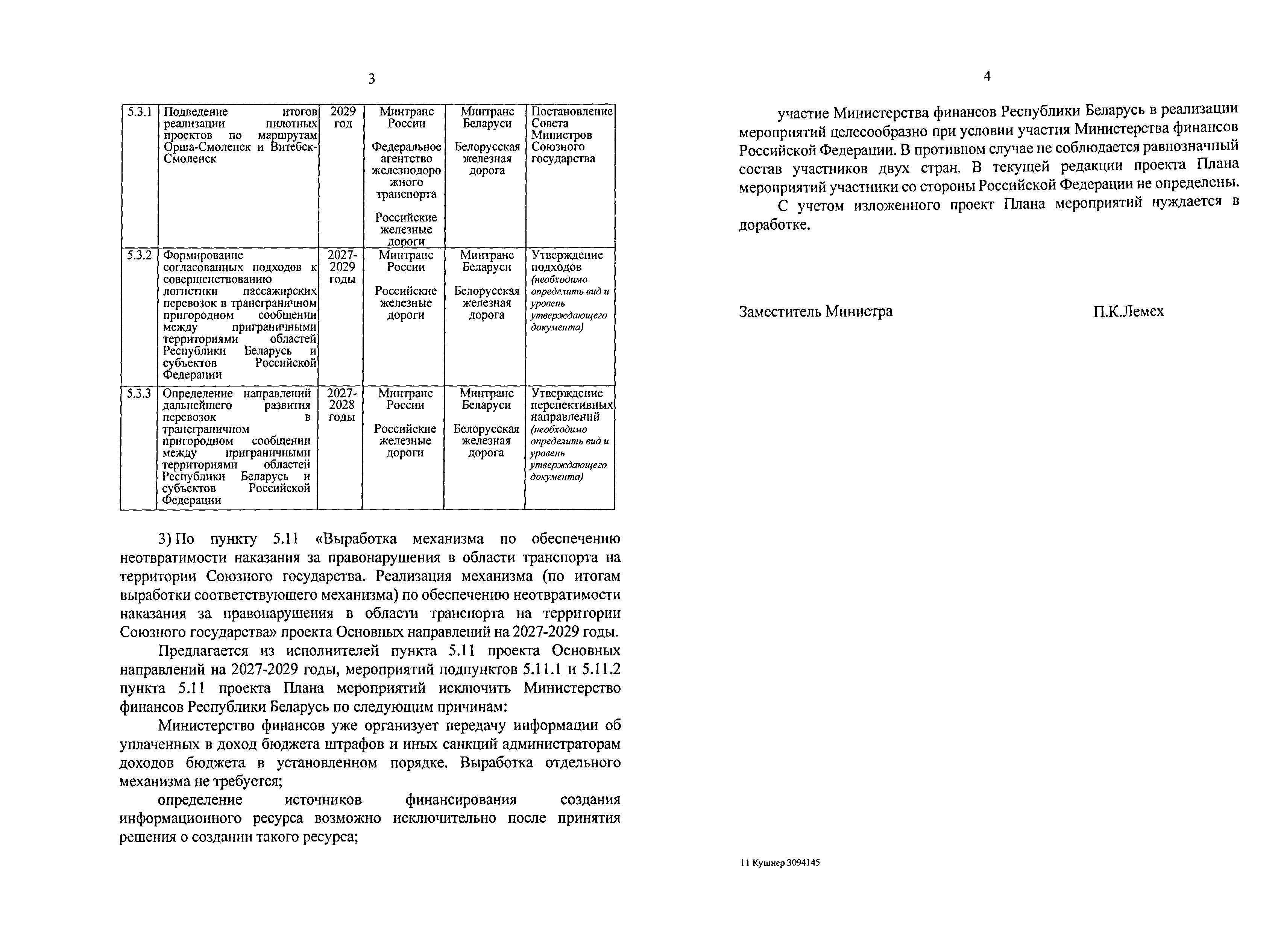
A curious parallel: back in 2019, the Belarusian Ministry of Finance demanded the removal, from the relevant roadmap, of provisions on compensating losses of passenger carriers, while the Ministry of Finance together with the Ministry of Taxes and Duties demanded removal of provisions on preferential taxation. The Ministry of Finance remains cautious now as well: it has proposed rewriting the railway item of the new plan concerning suburban trains (more on this below).
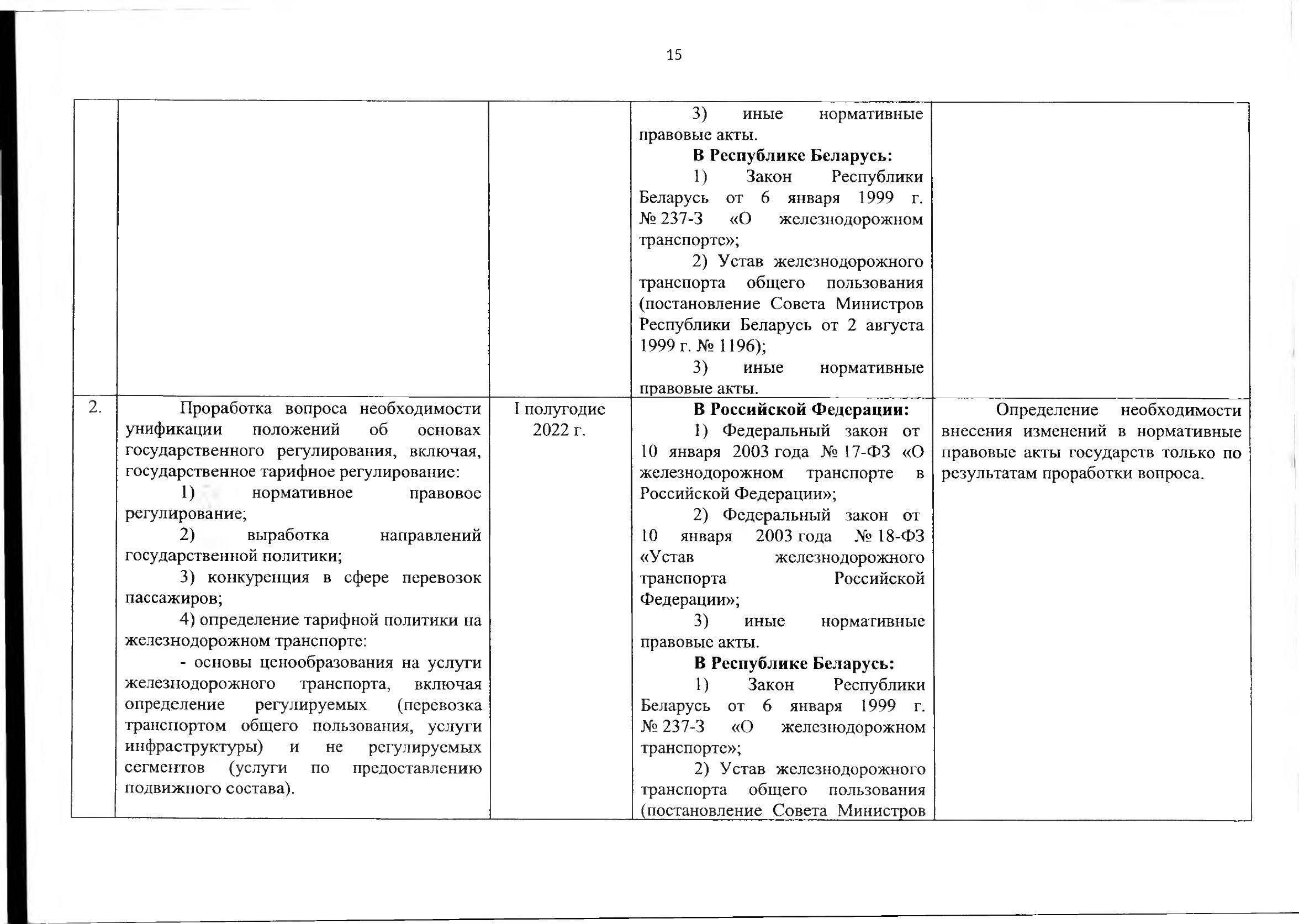
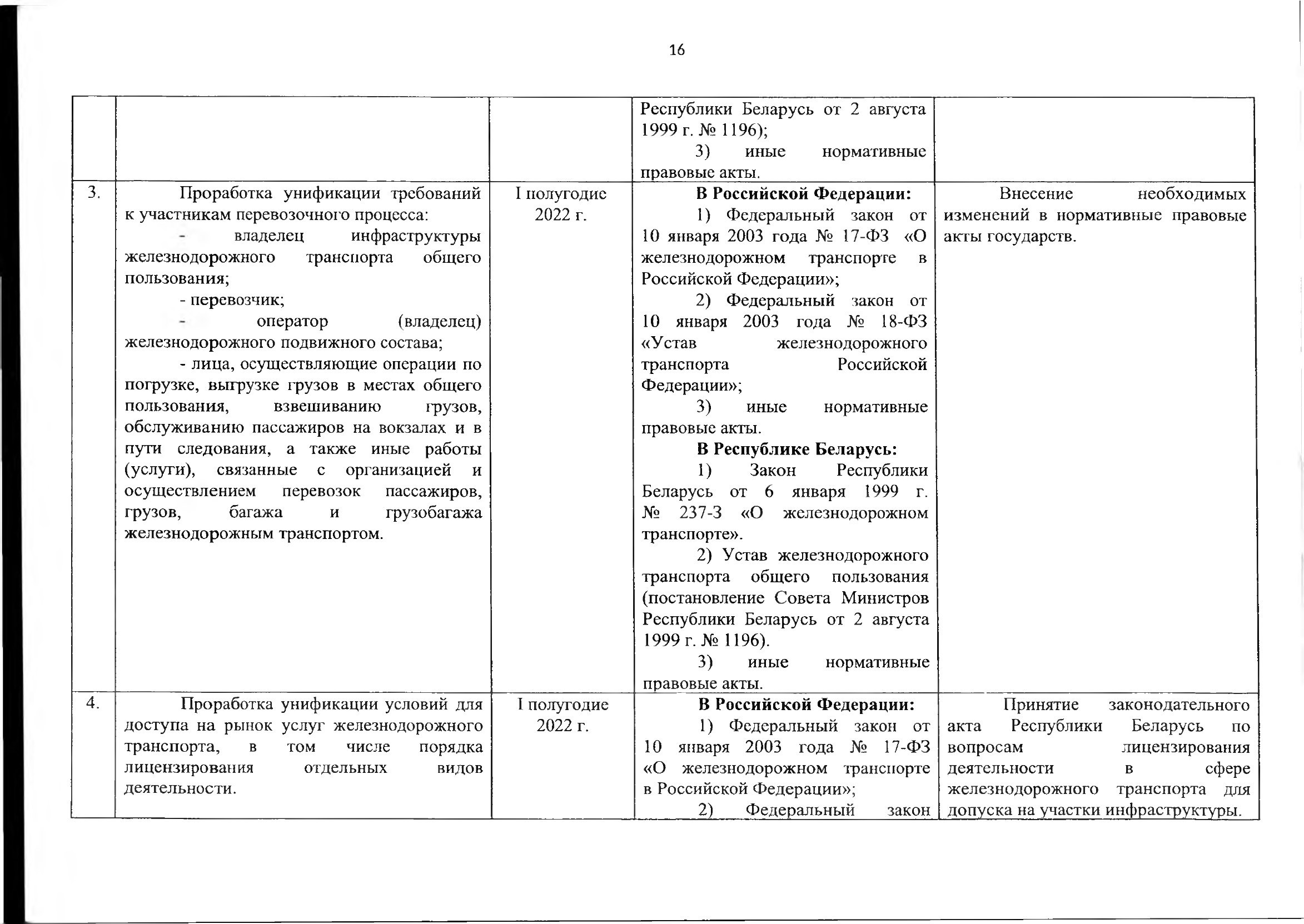
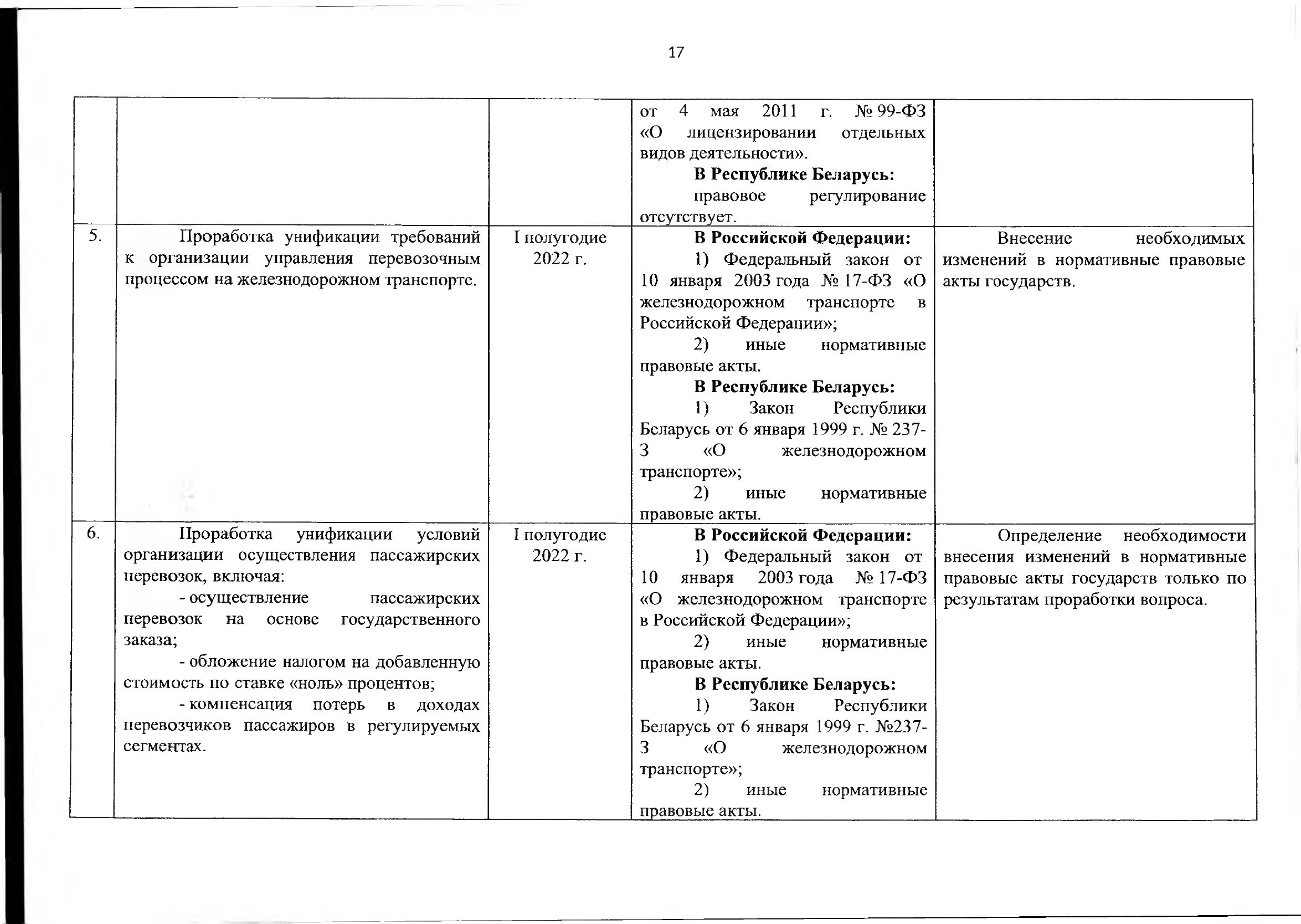
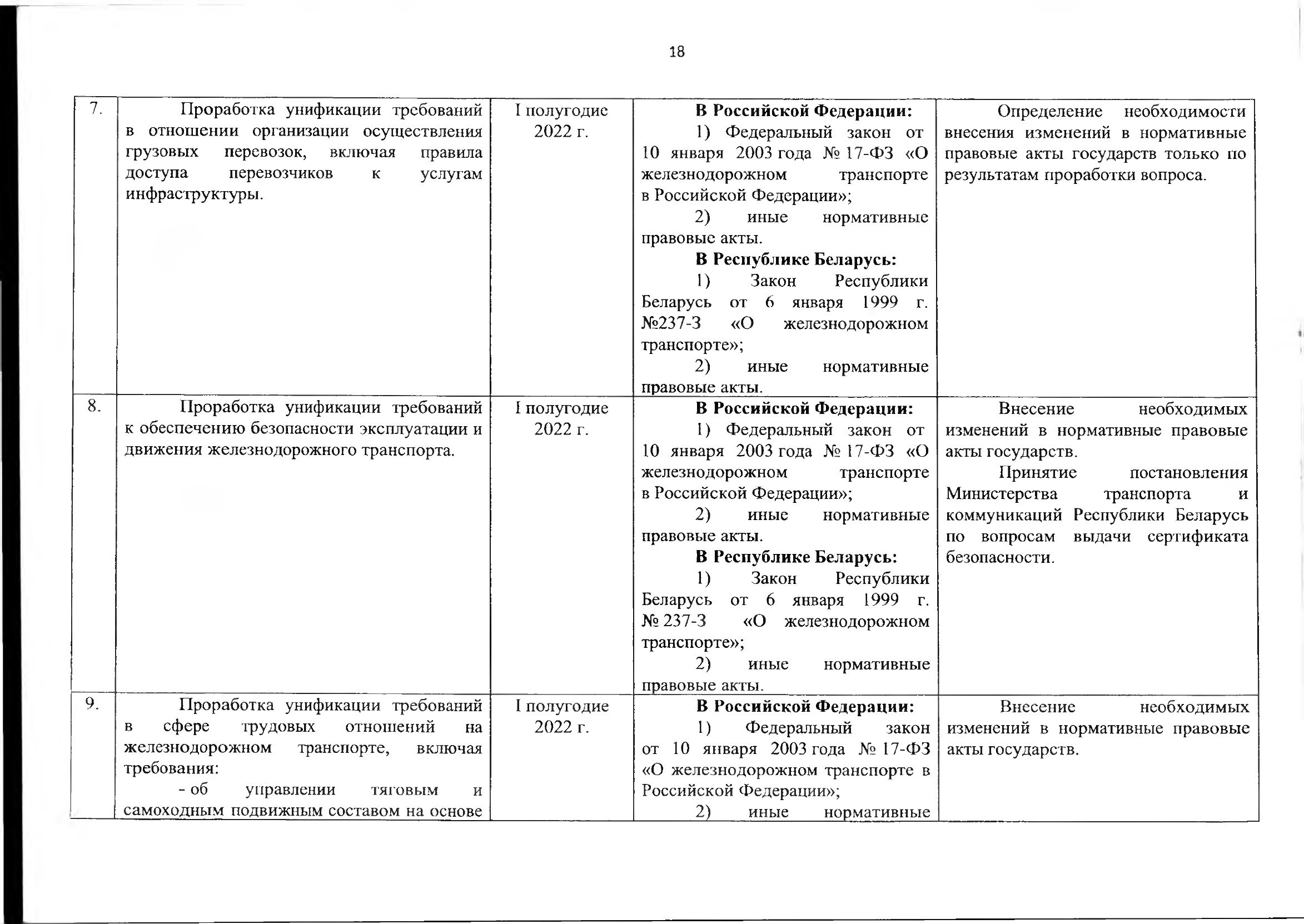
A compromise was needed, and it was found quickly. As early as October 25, 2019, BCh submitted to the minister a version of the roadmap “agreed informally with the Ministry of Transport of the Russian Federation.” “Synchronization” and the consolidated train diagram disappeared from the railway section, and the lists of laws became bilateral. Tariff policy and carriers’ access to infrastructure, however, came back, albeit with a telling caveat: the need for amendments would be determined only based on the results of further study of the issue. The same caveat was attached to the item on state procurement, zero VAT, and compensation for passenger carriers’ losses.
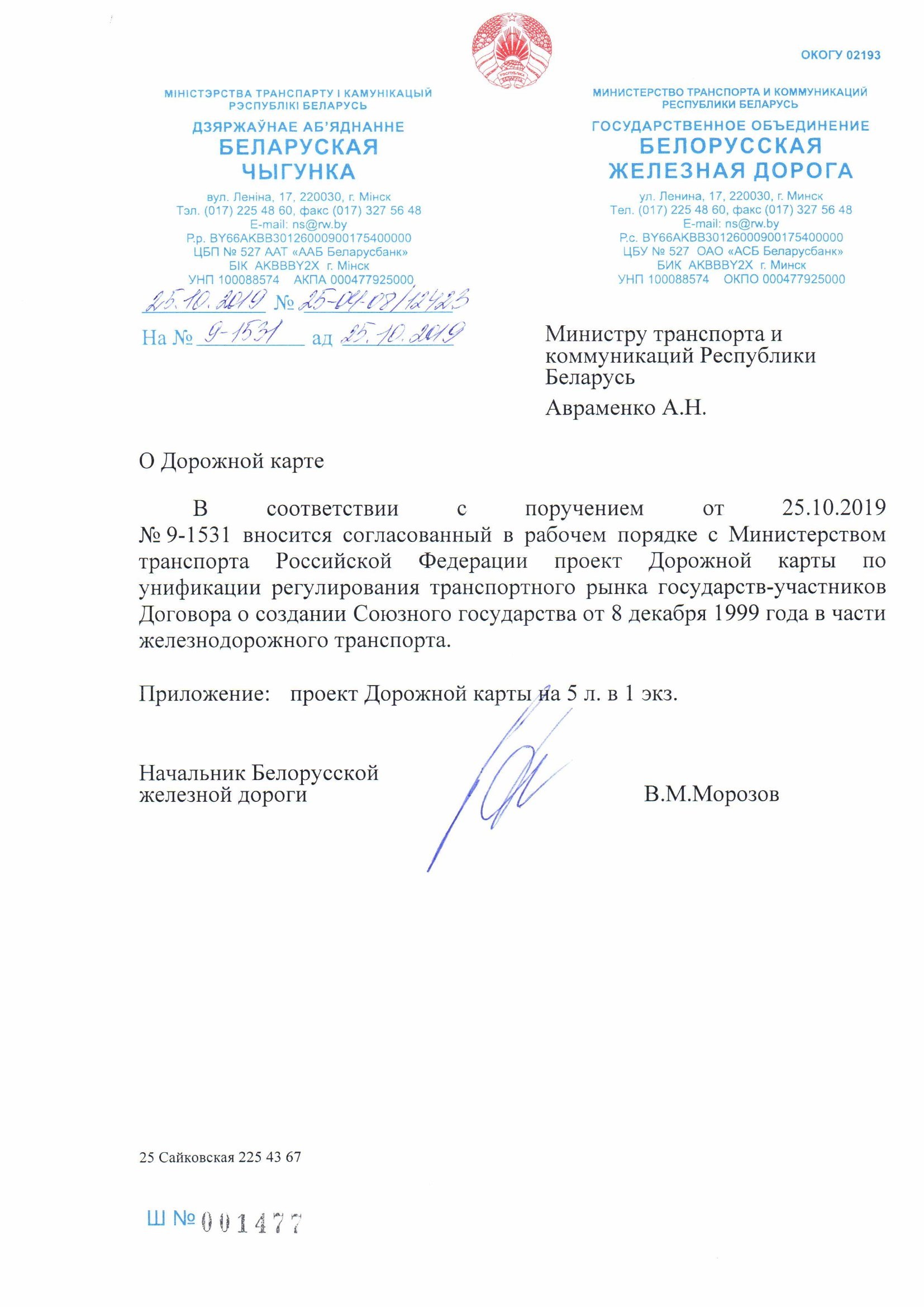
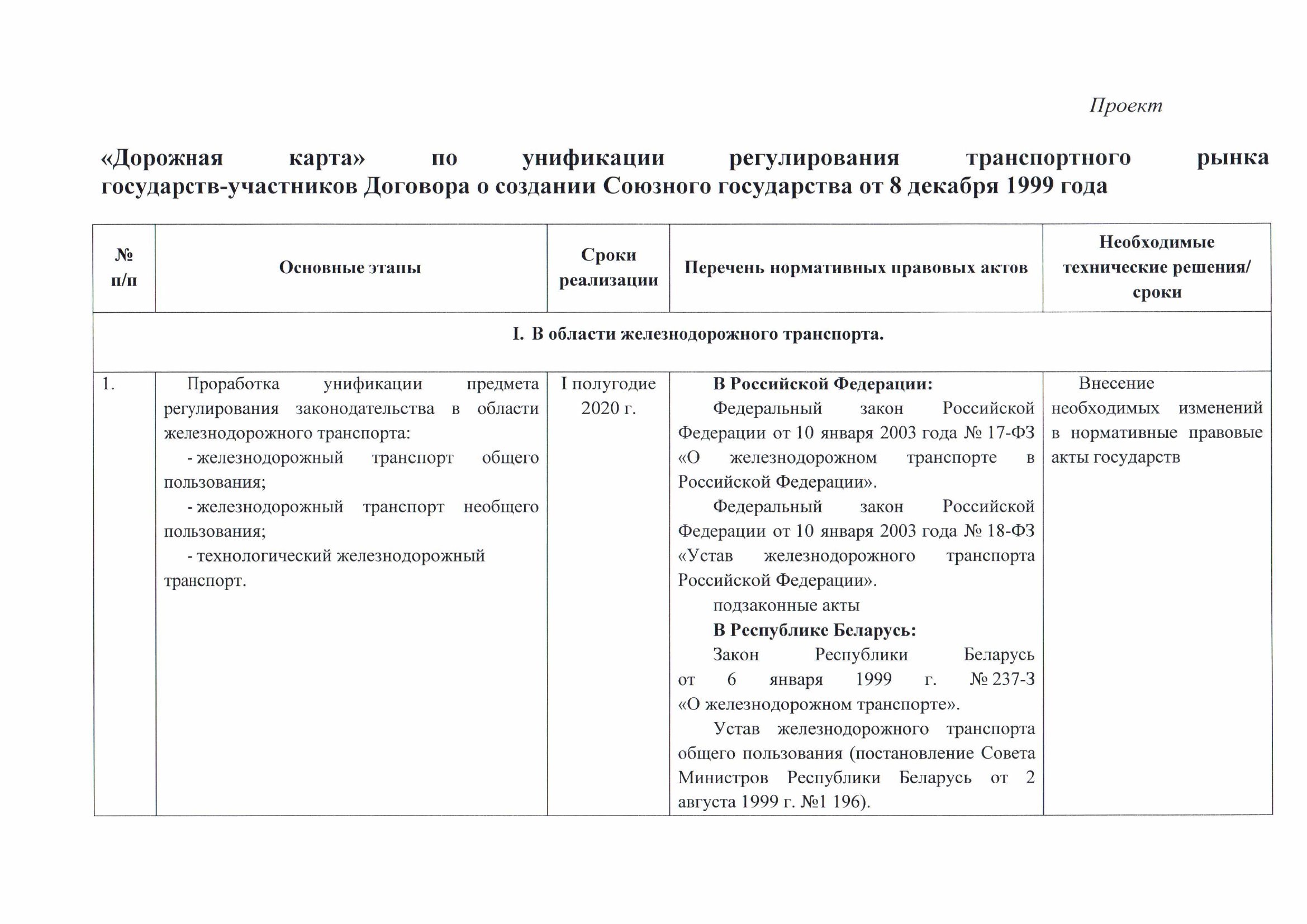
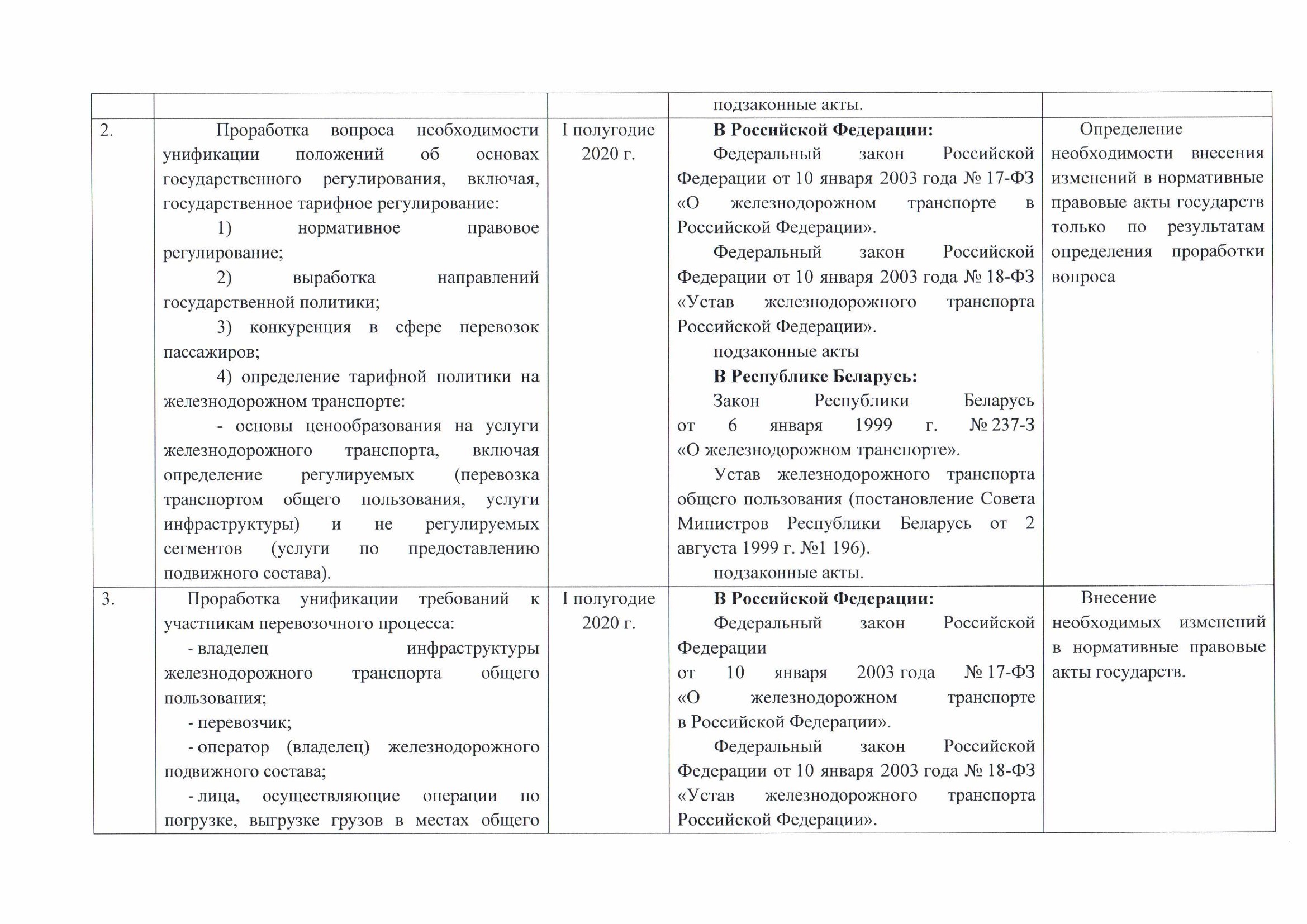
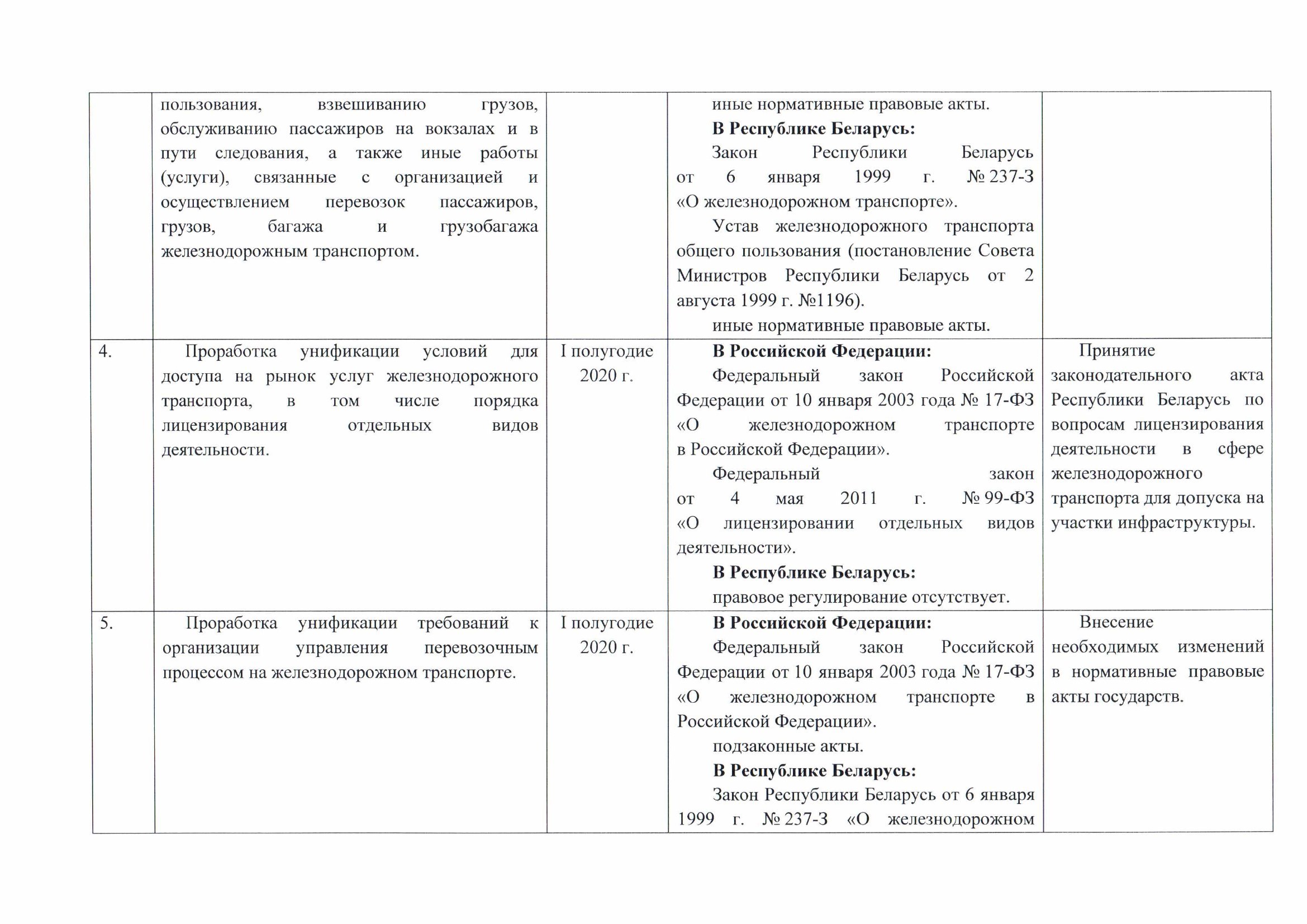
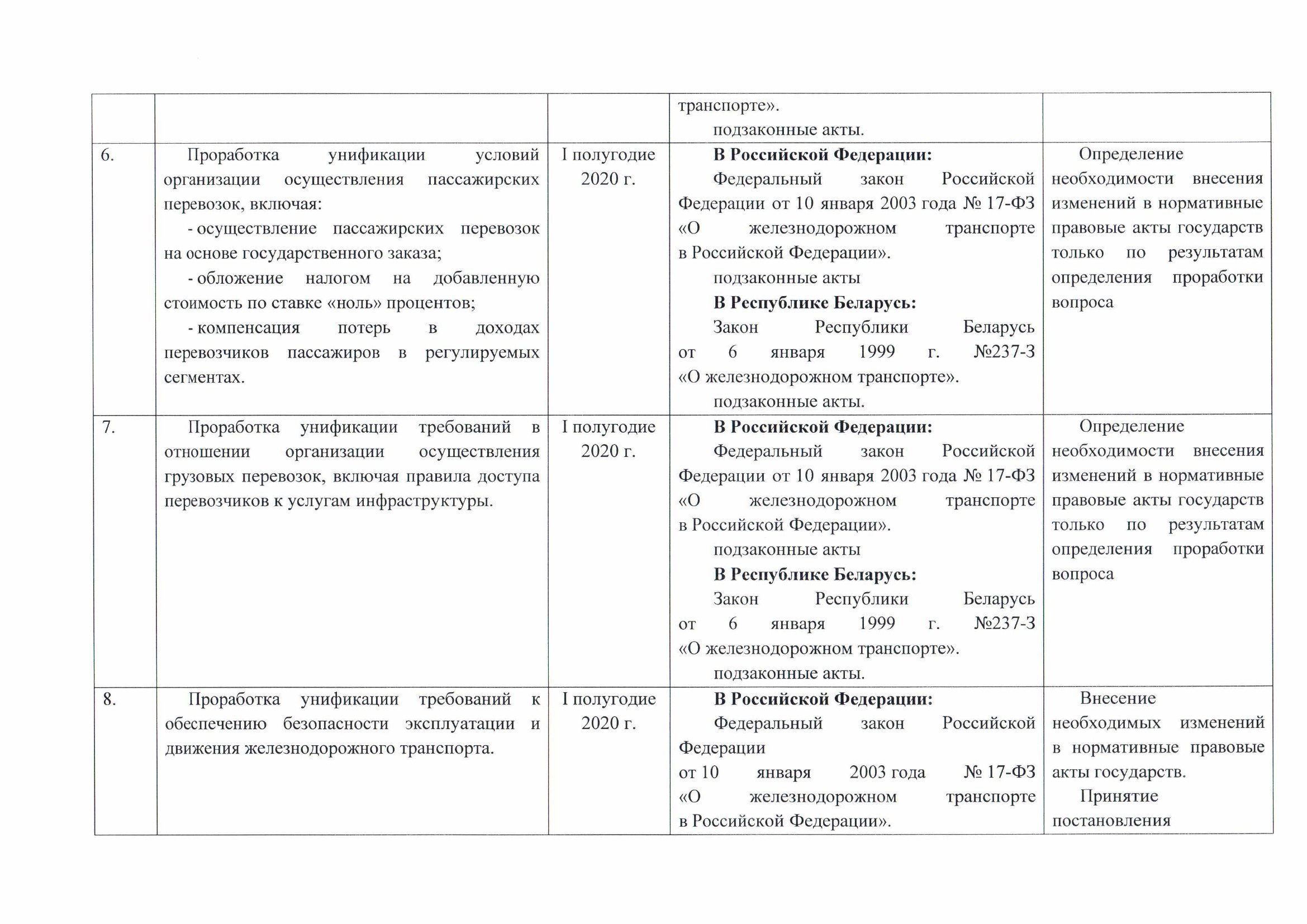
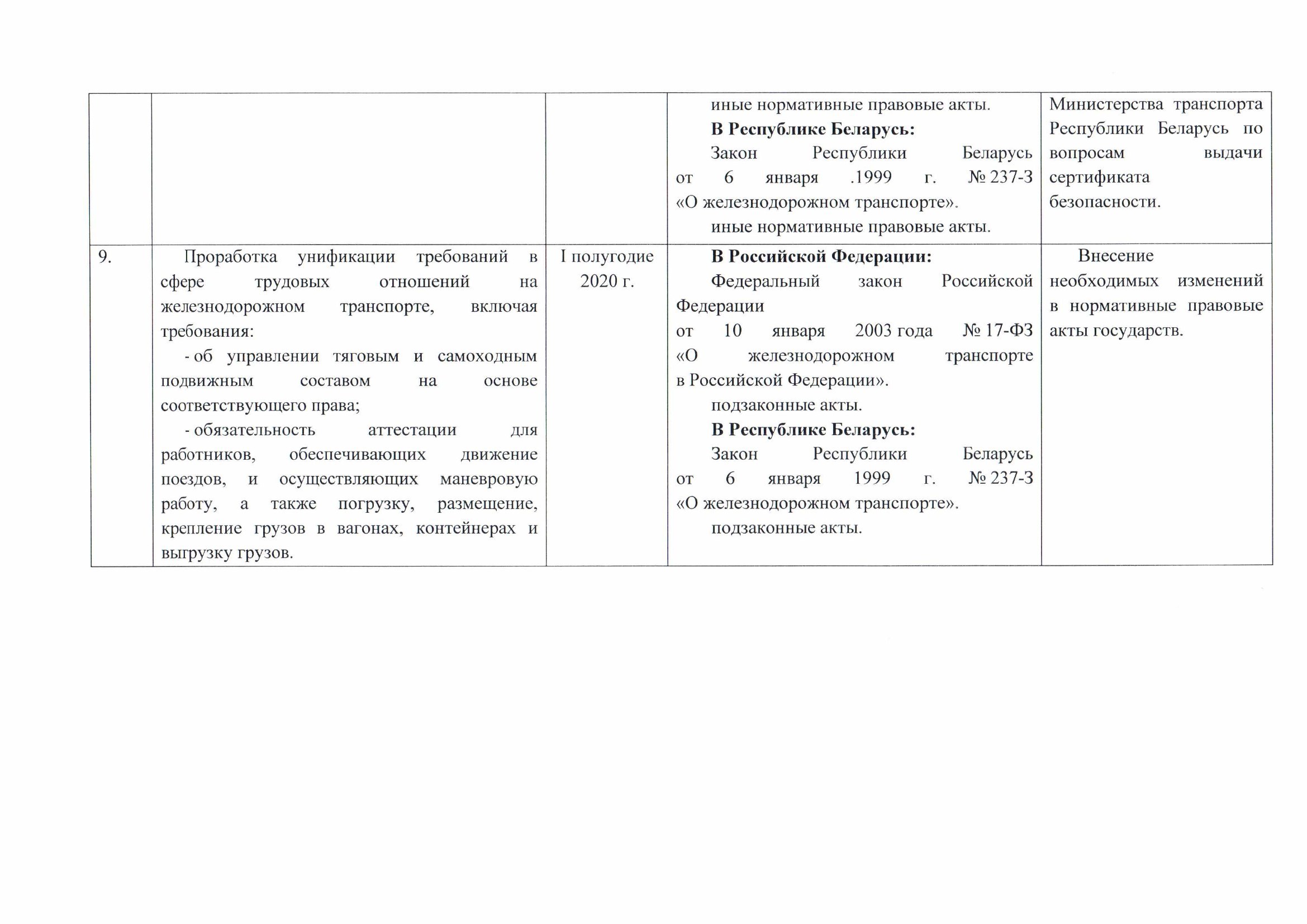
At the same time, the roadmap retained obligations addressed to only one side. Under the market-access item, it provided for the adoption of a legislative act of the Republic of Belarus on licensing railway transport activities for access to infrastructure sections, and under the safety item, for a resolution of the Belarusian Ministry of Transport and Communications on issuing safety certificates. There were no equivalent obligations for the Russian side in the document, since the corresponding regulation was already in force in Russia.
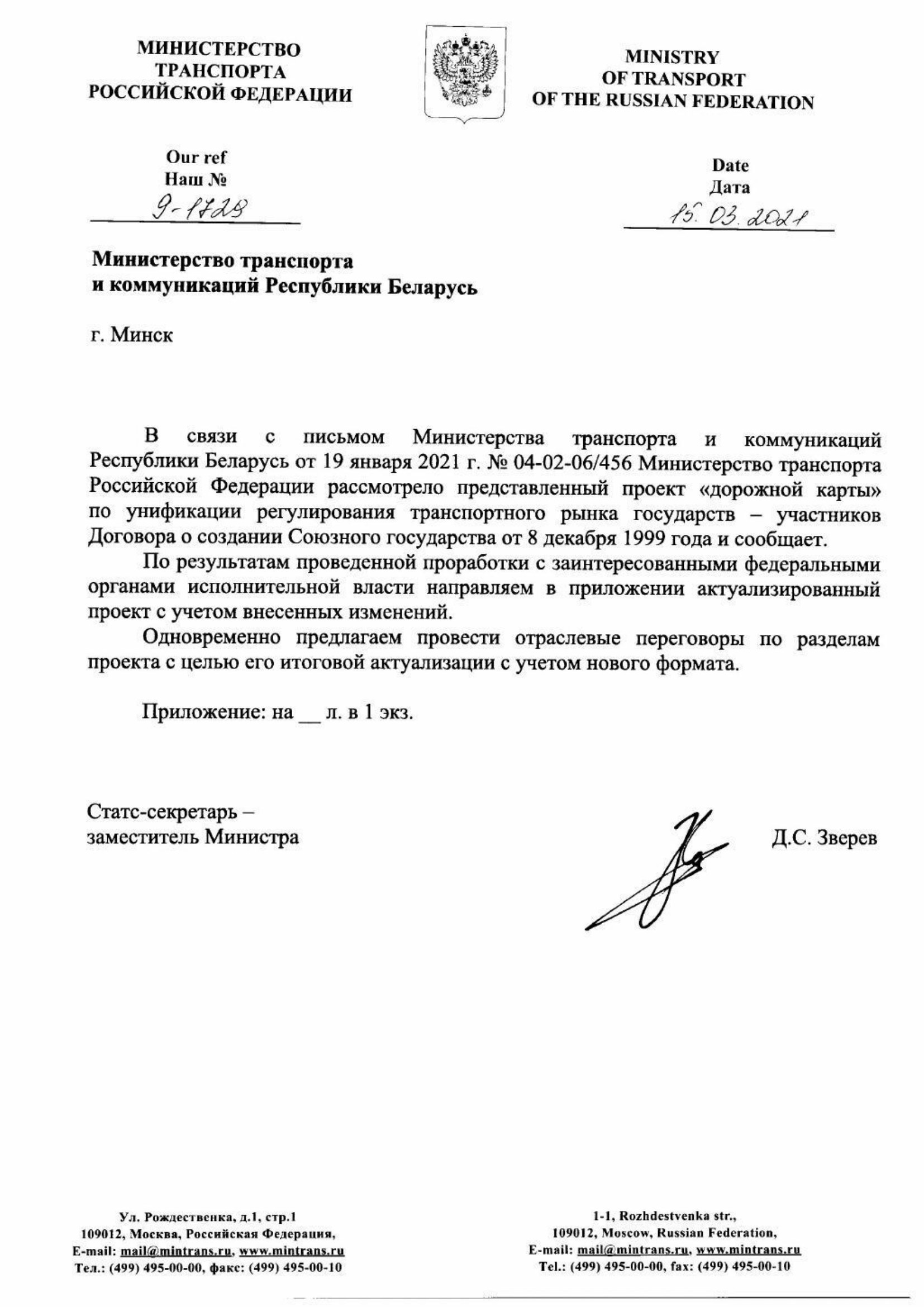
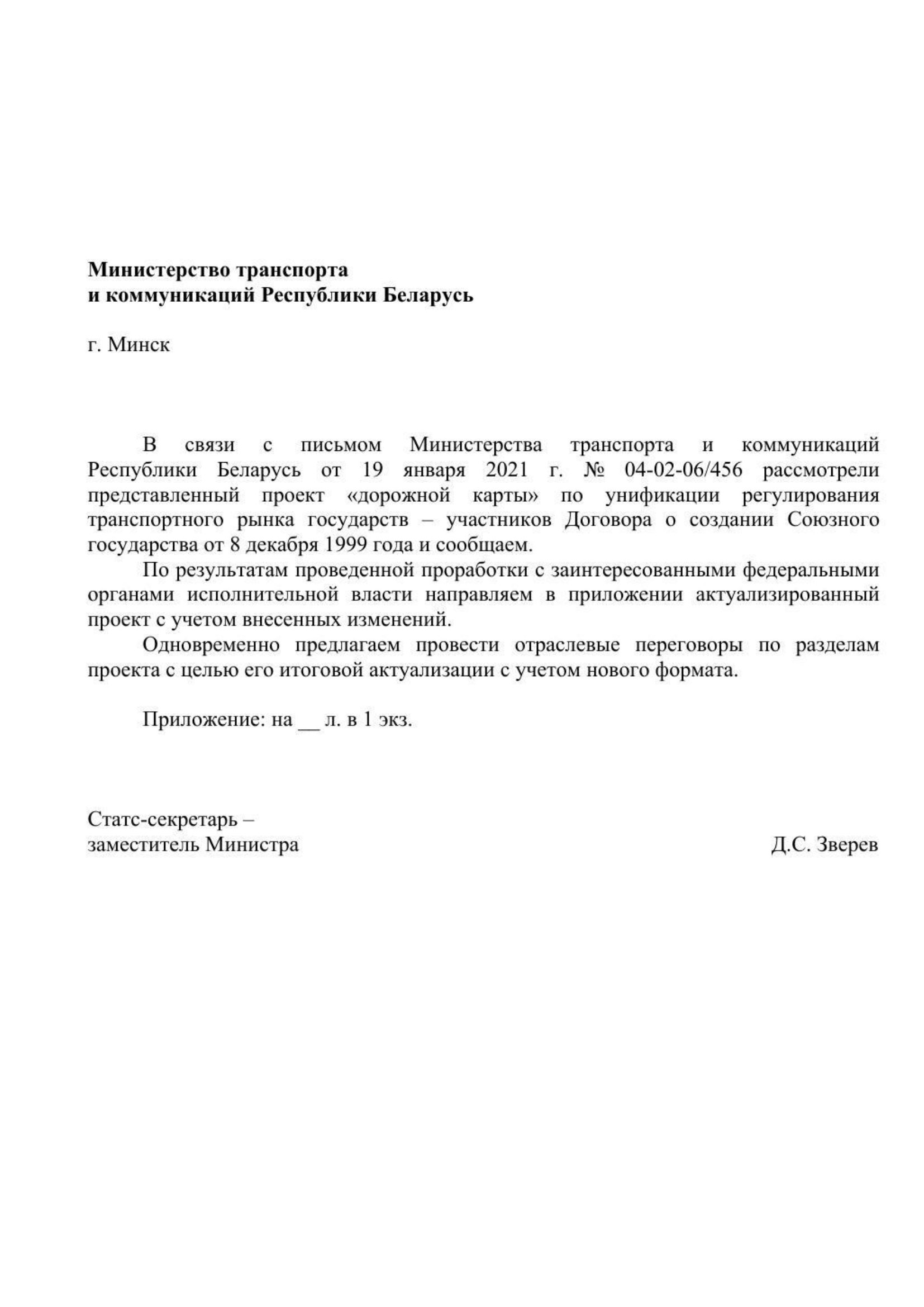
The roadmap then spent a year and a half circulating through offices. In January 2021, Minsk sent its draft to Moscow, and in March Zverev sent back an “updated” version, now titled the “Union Programme.” In the railway items, the deadlines were simply moved from the first half of 2020 to the first half of 2022; all amendments in the document were marked as having been made by both ministries. BCh itself complained at the time that it had not even been sent the revised version.
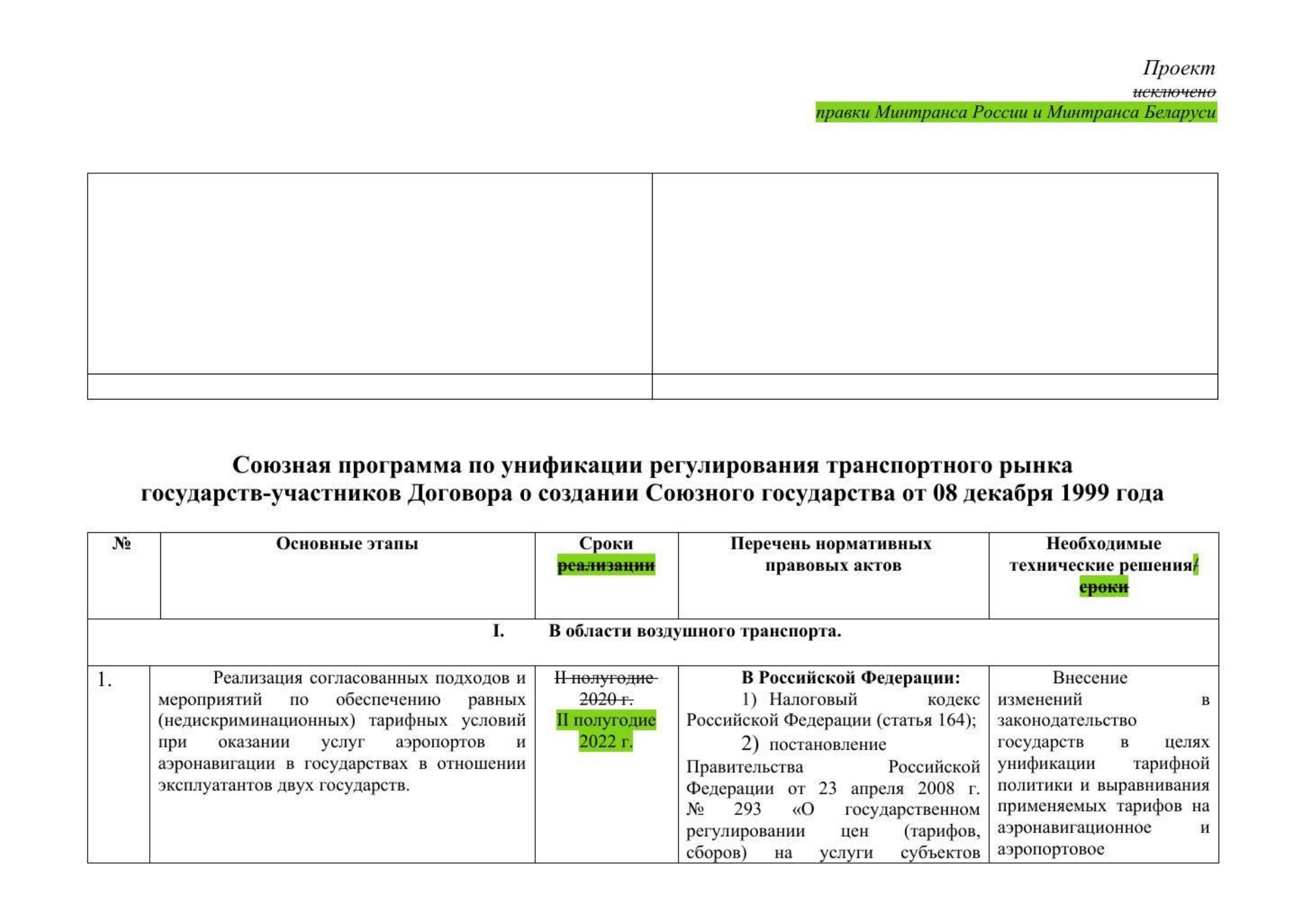
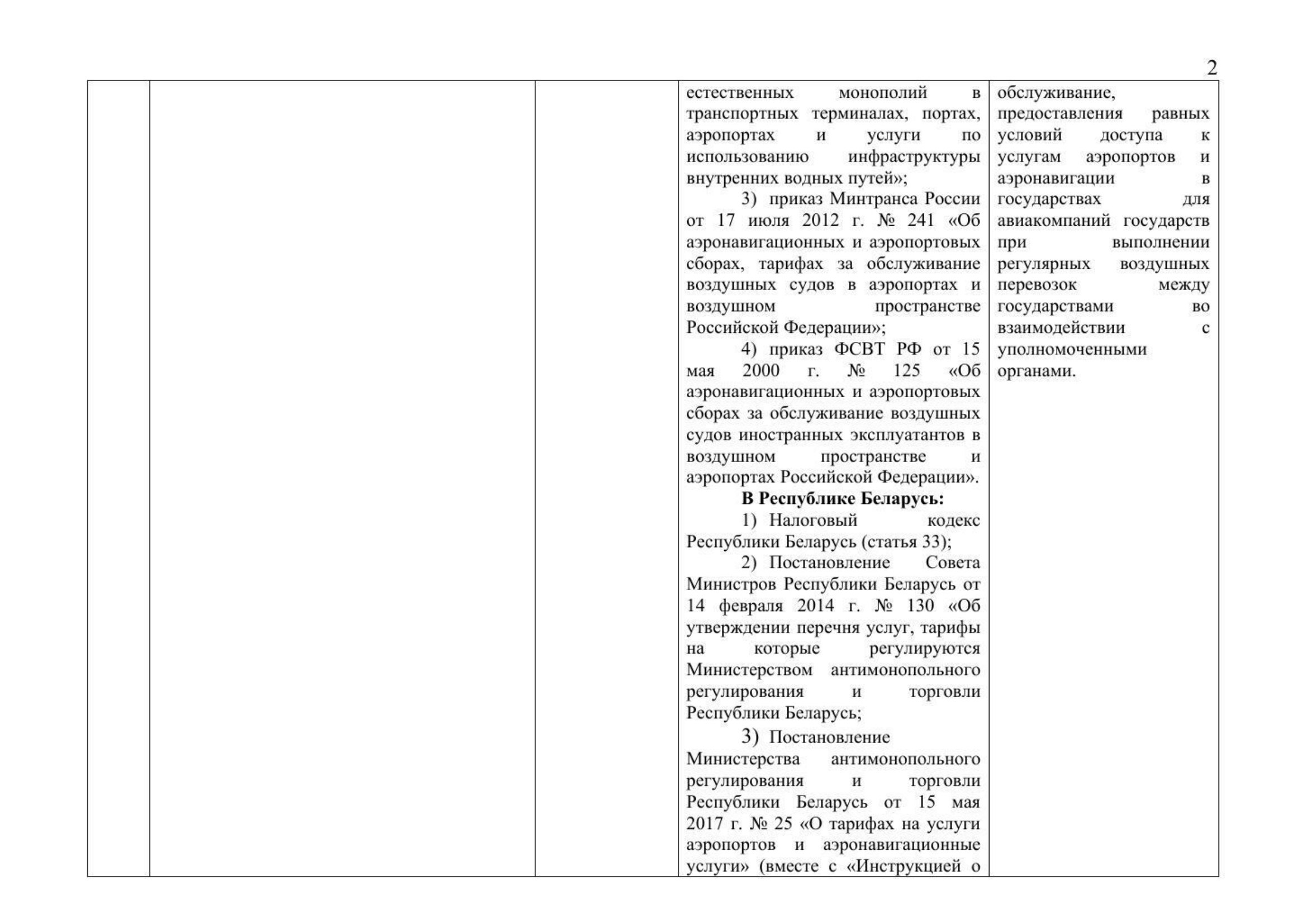
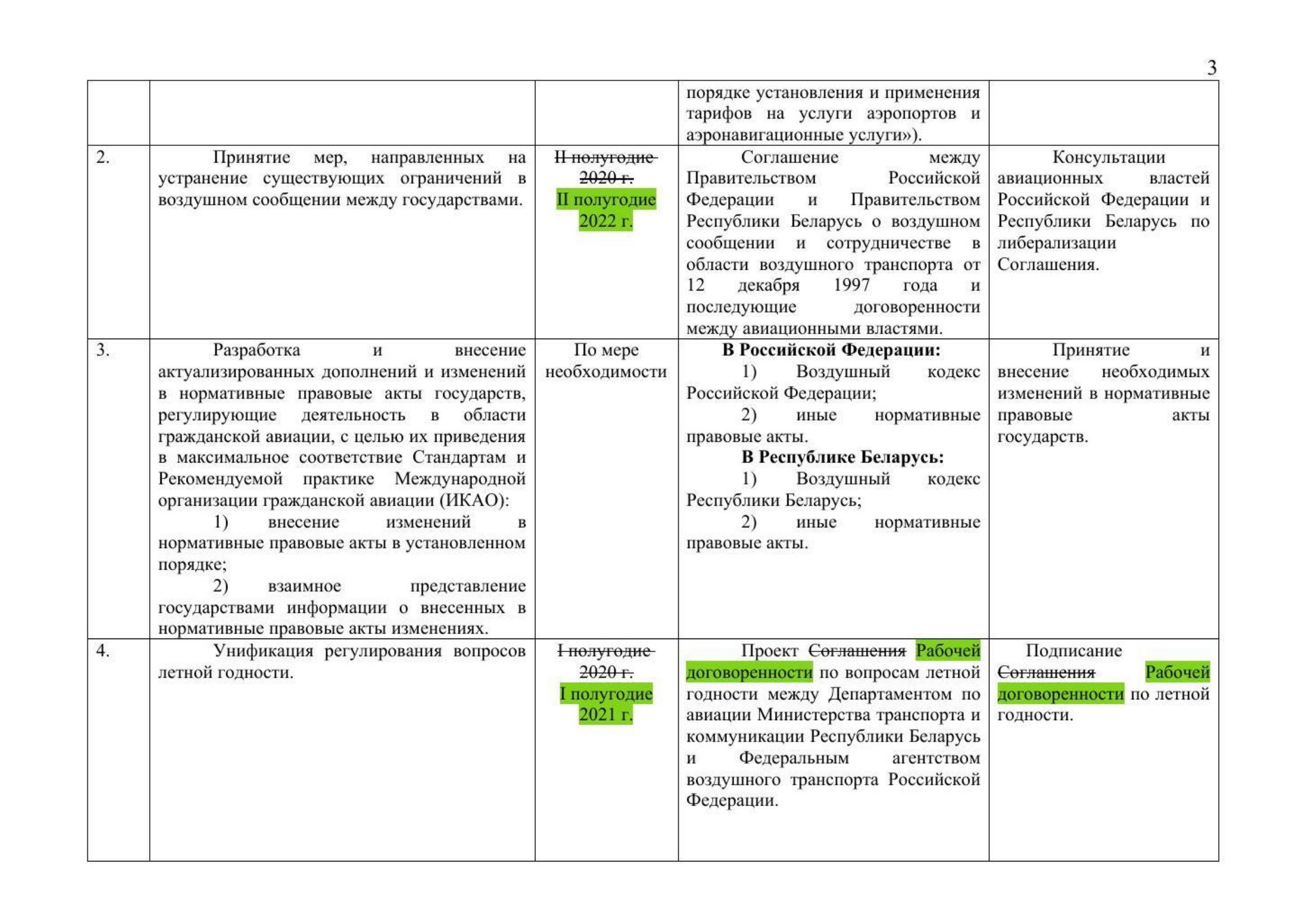
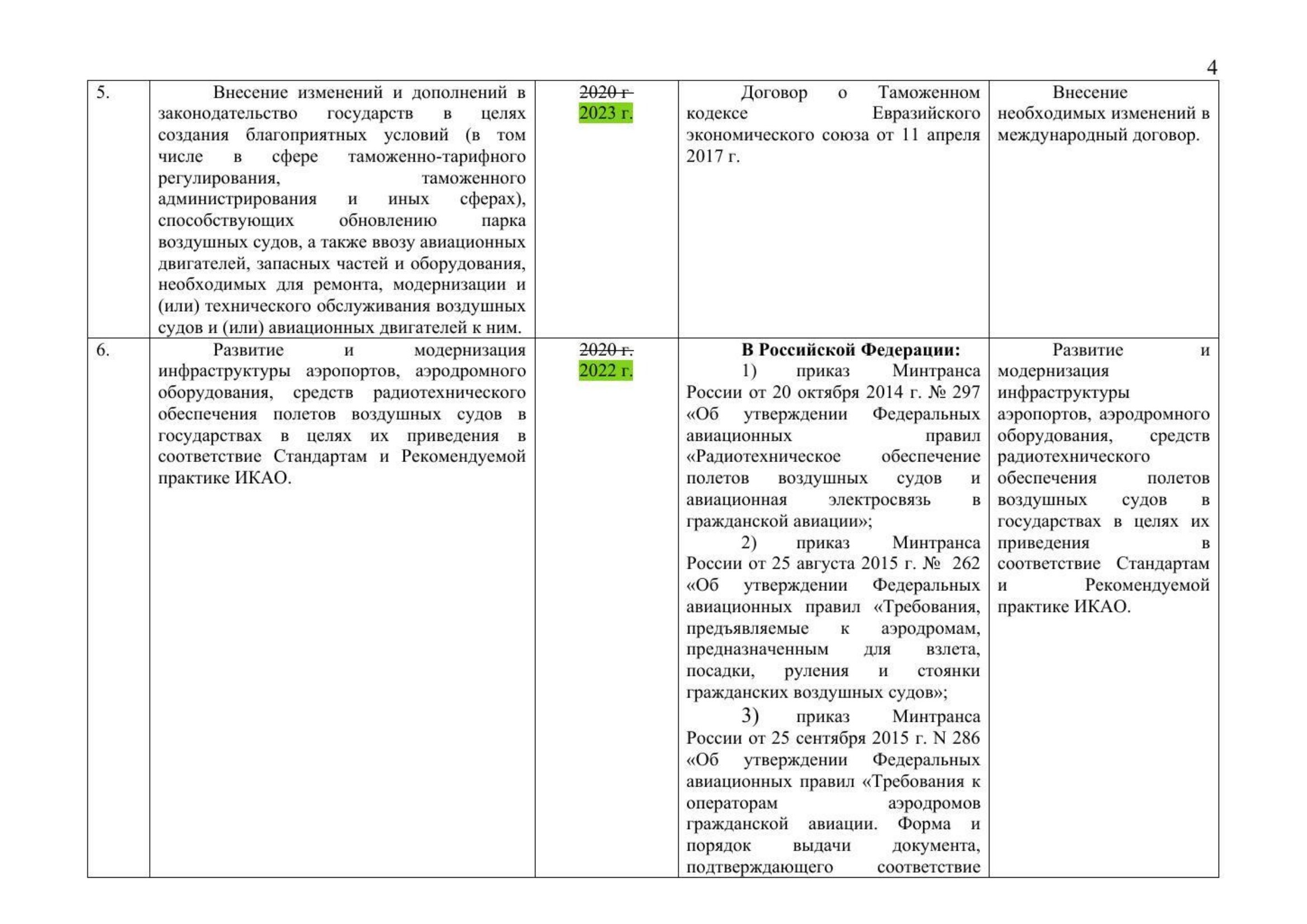
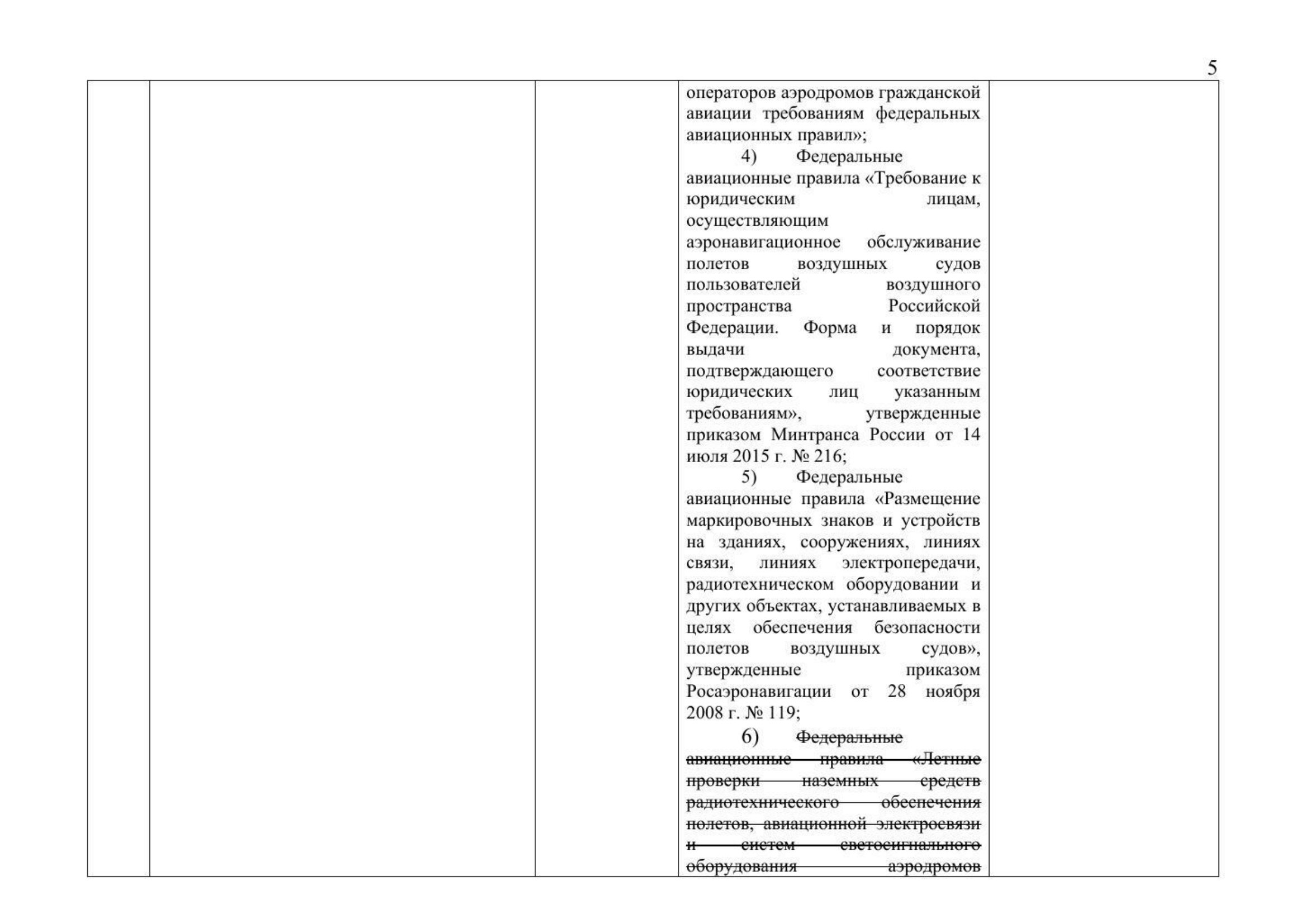
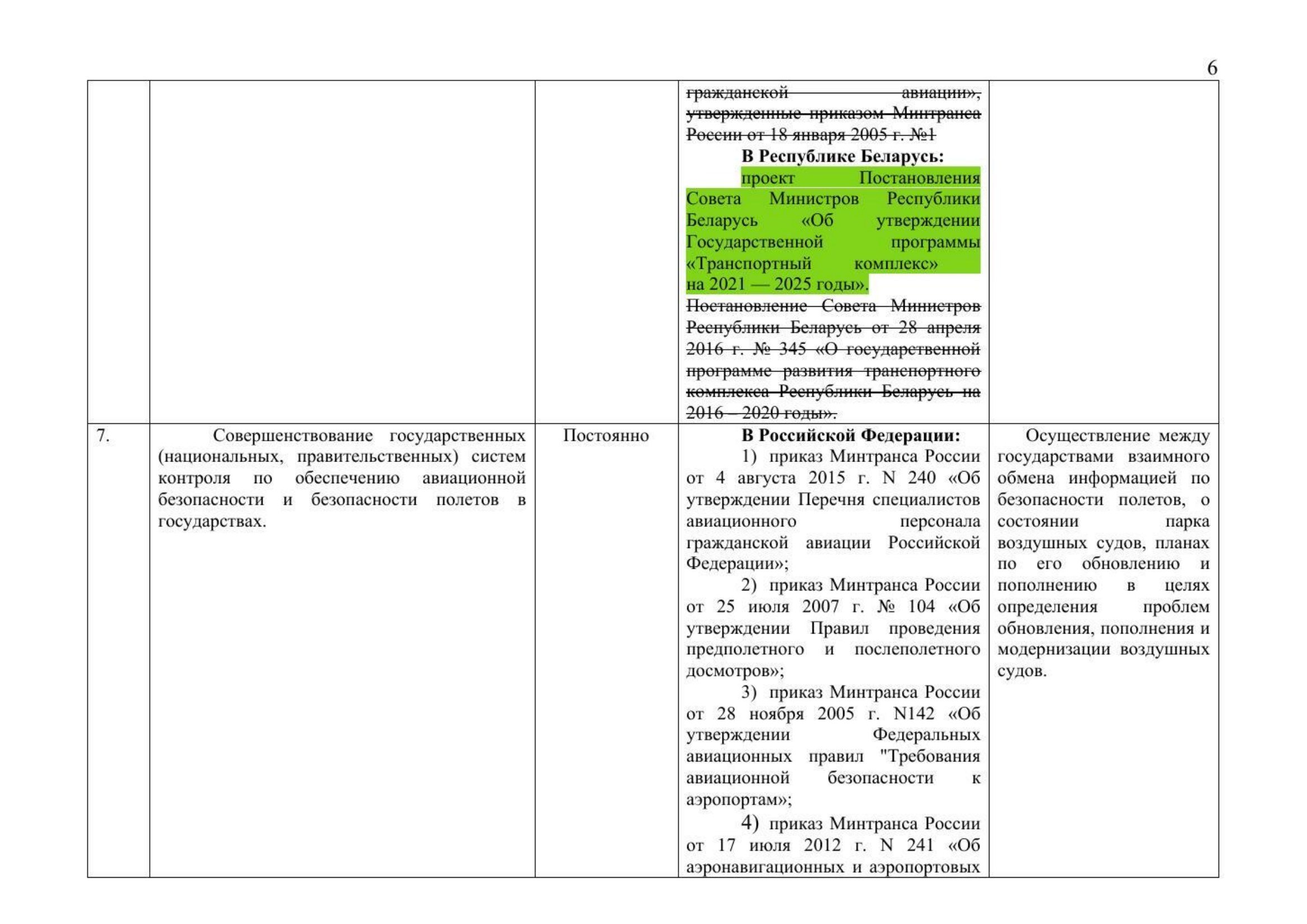
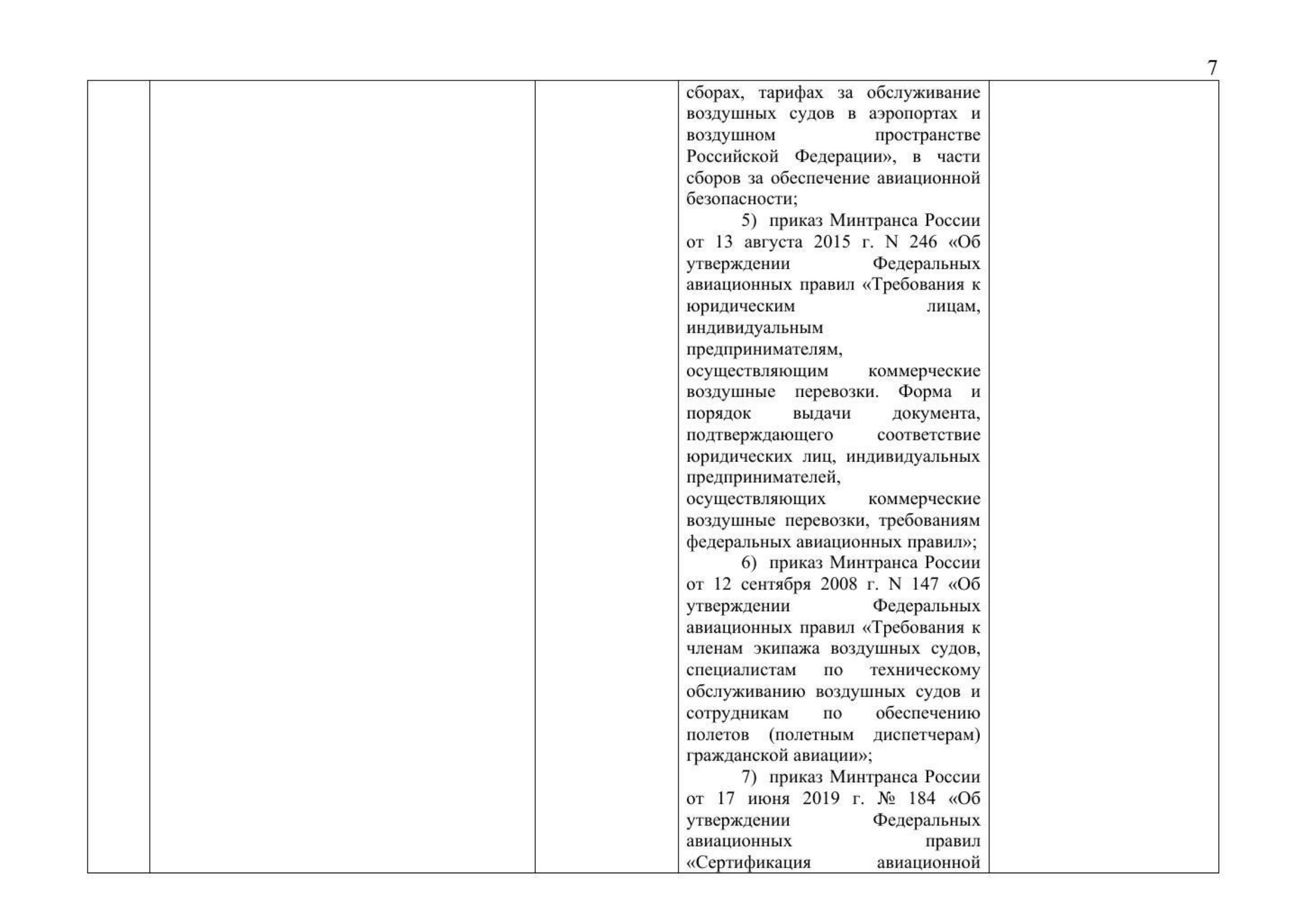
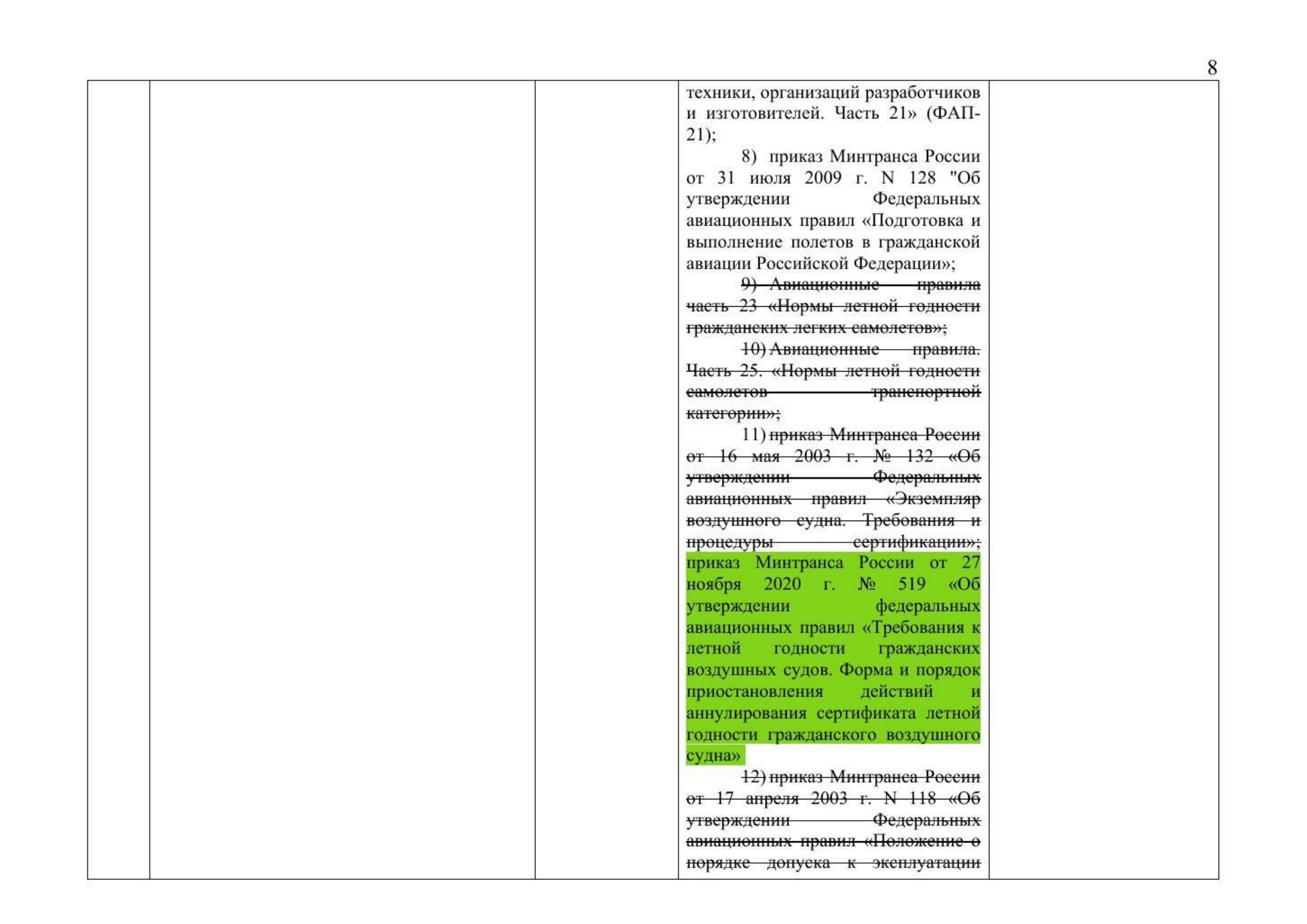
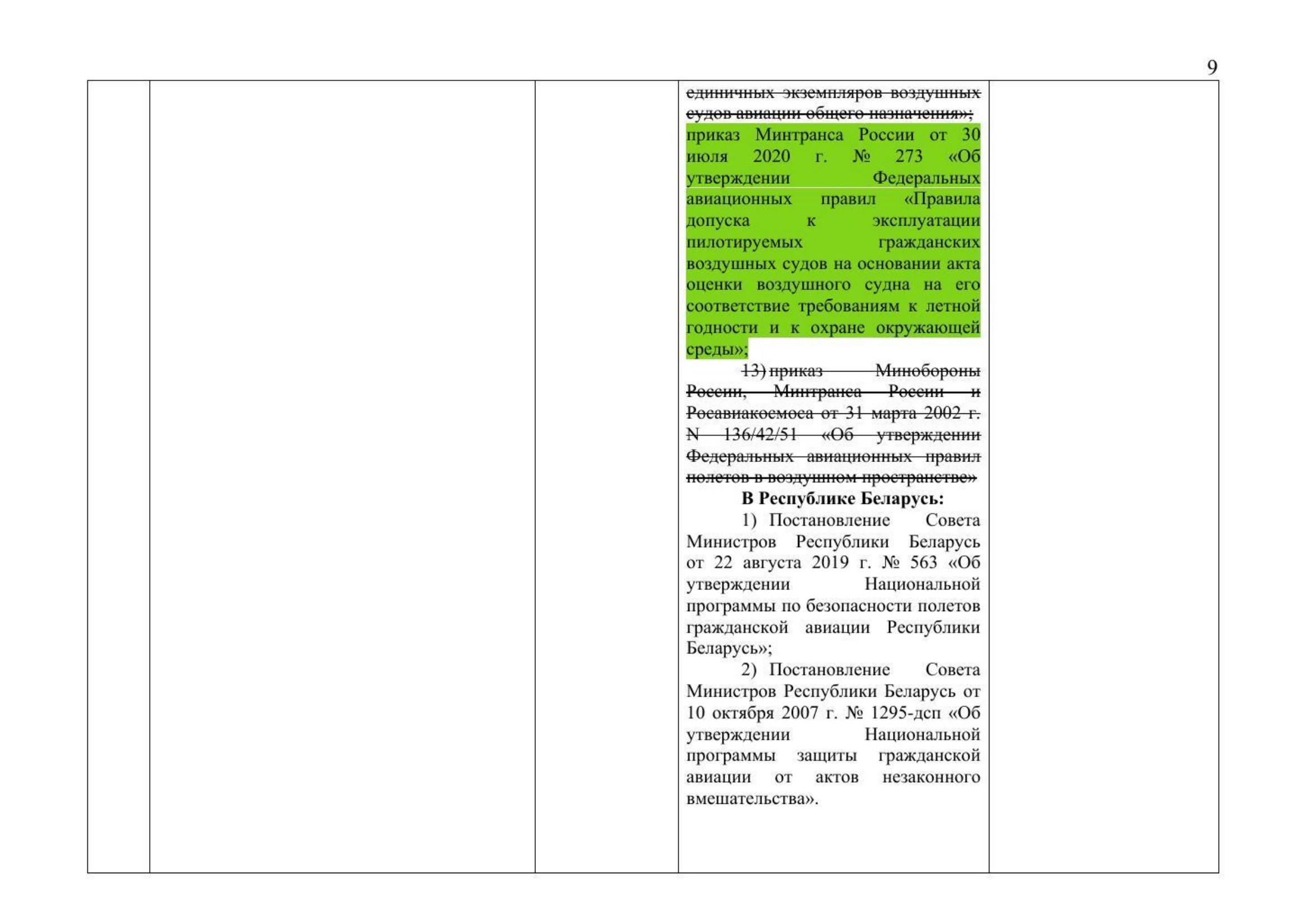
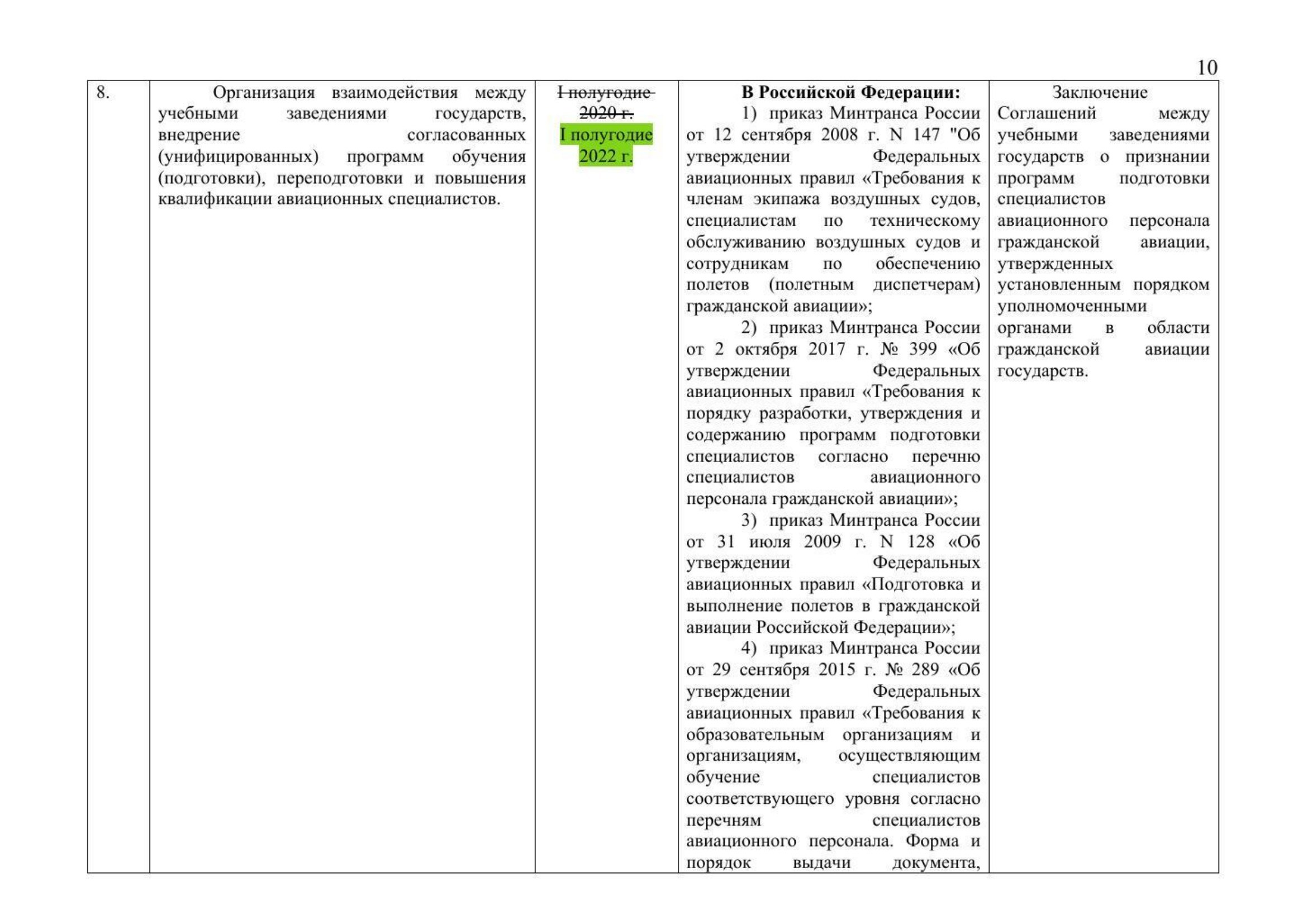
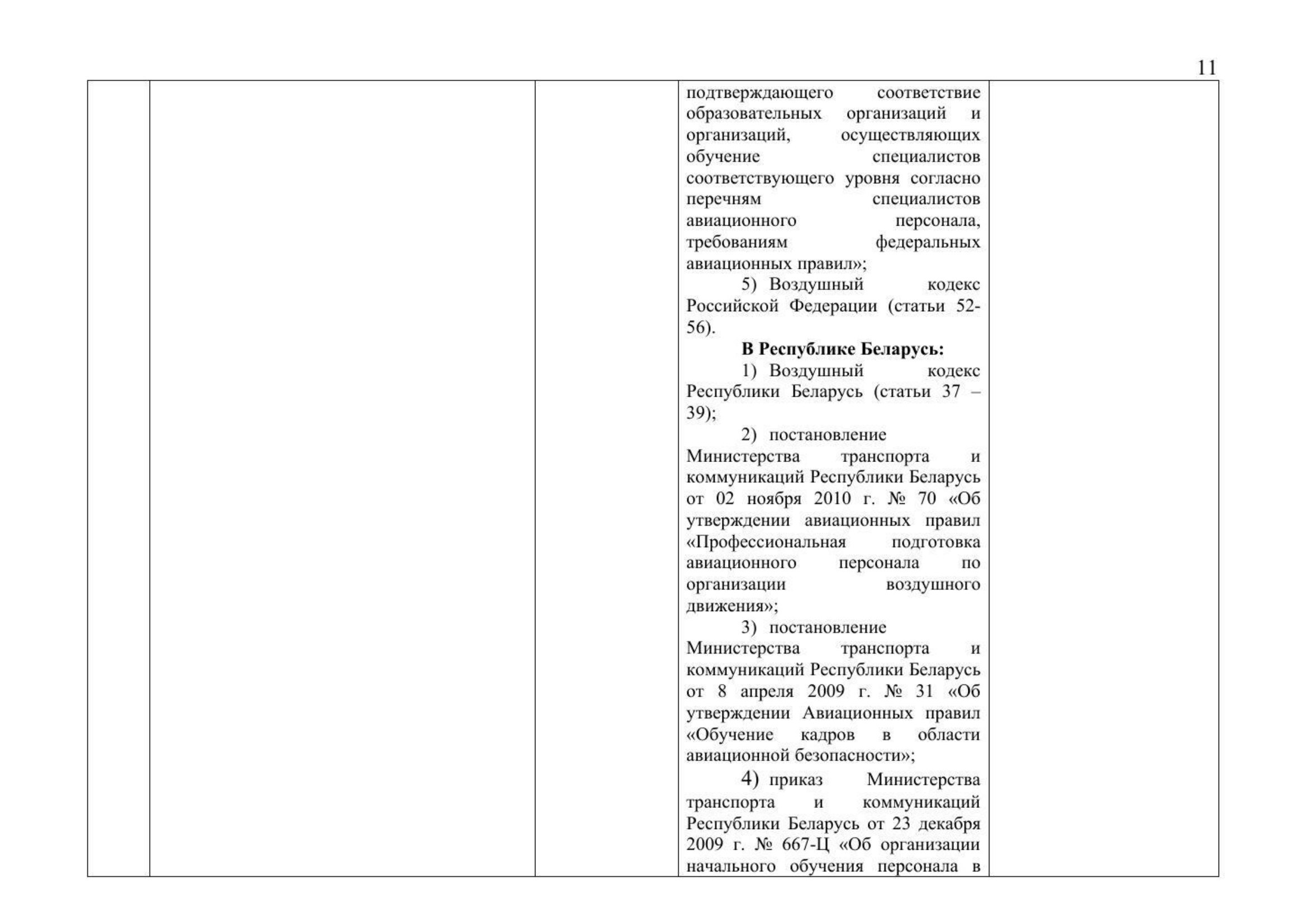
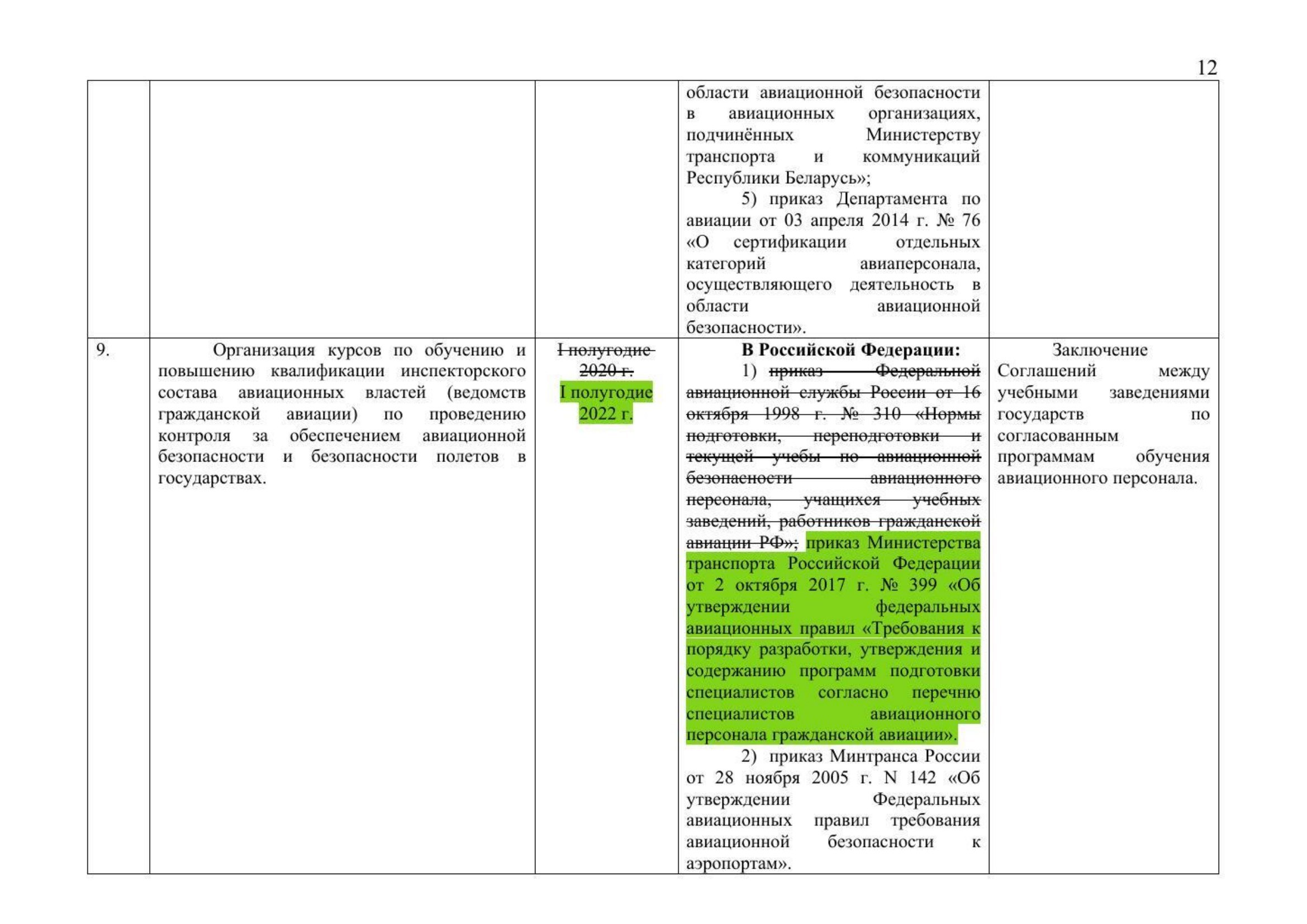
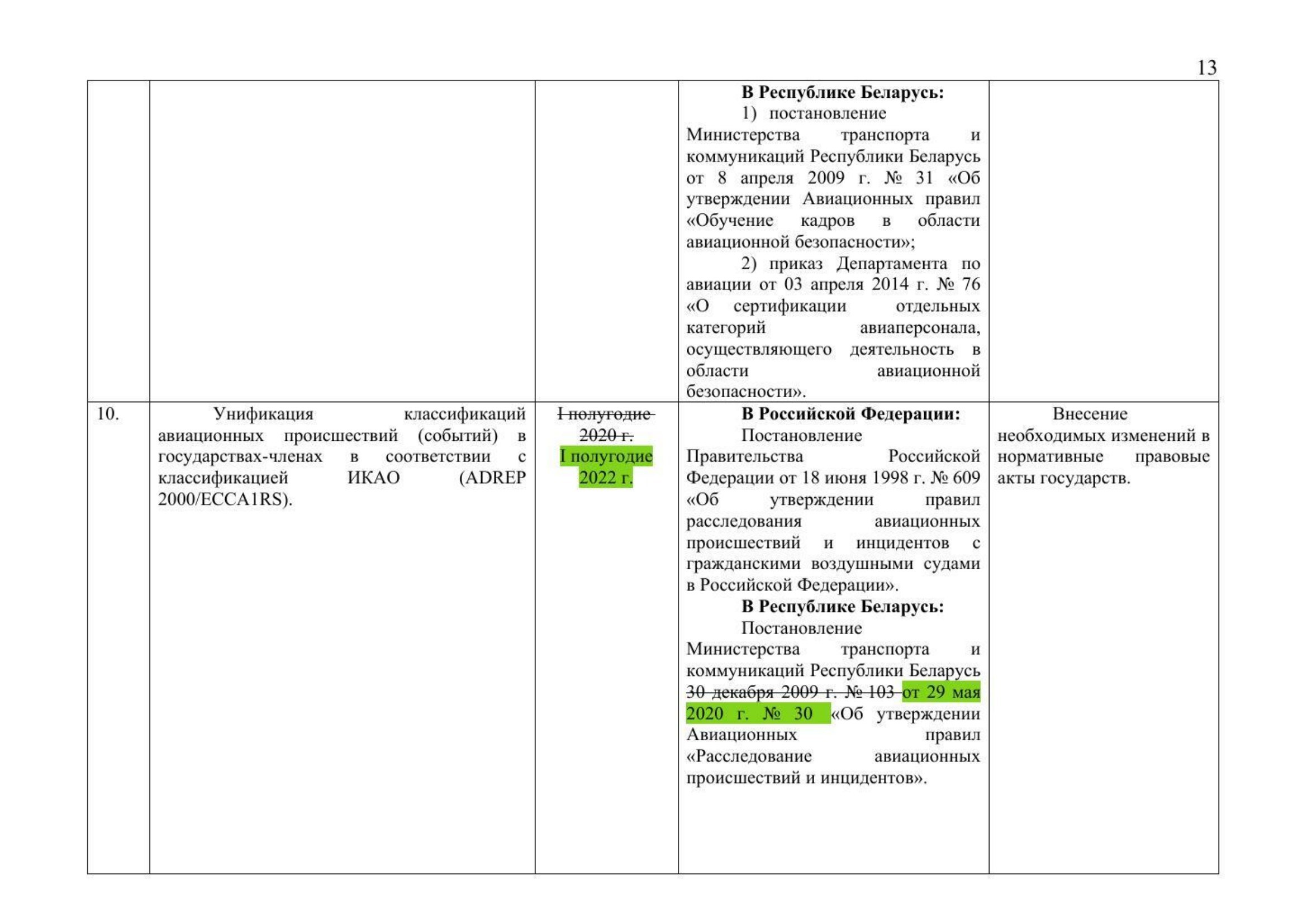
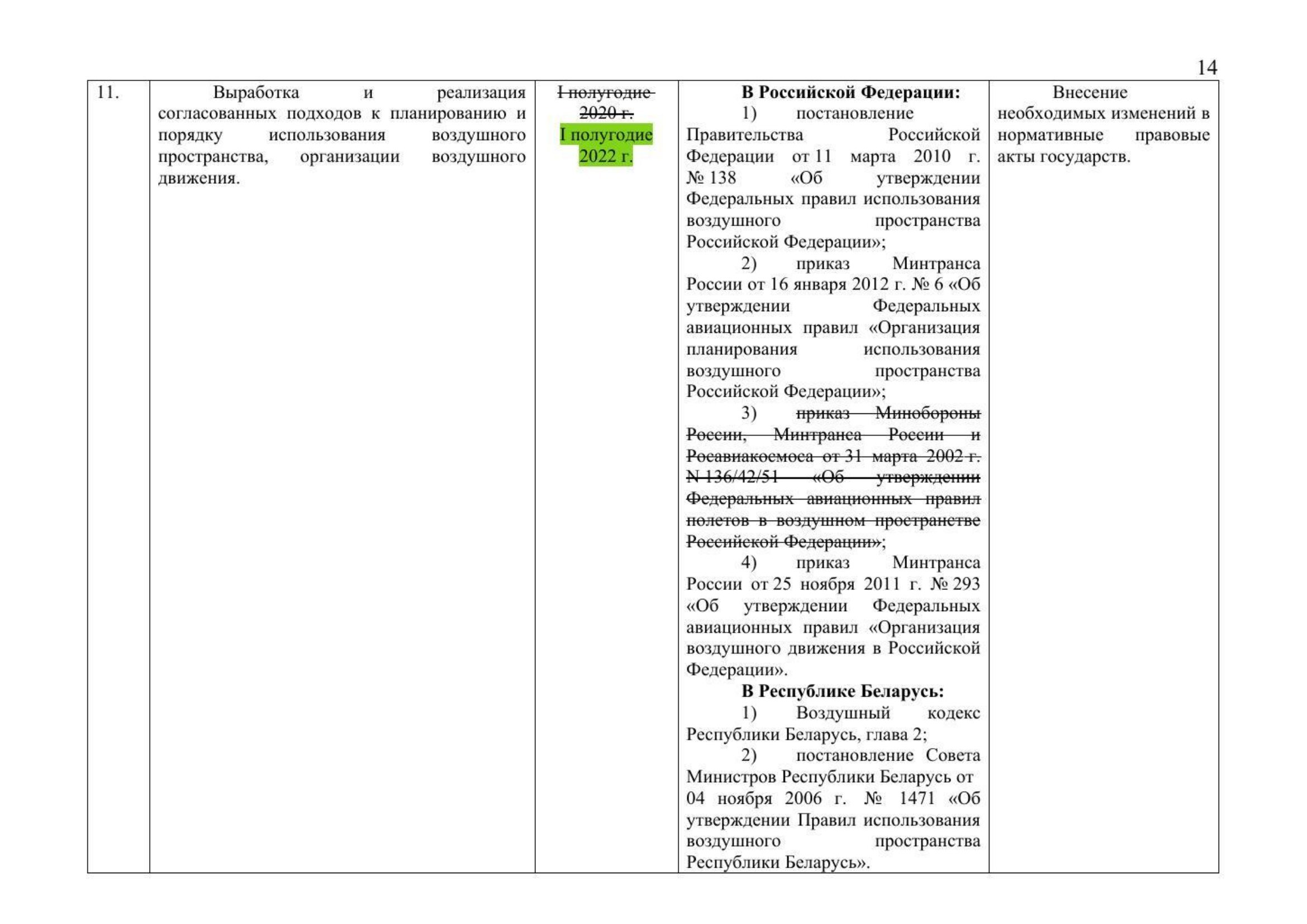
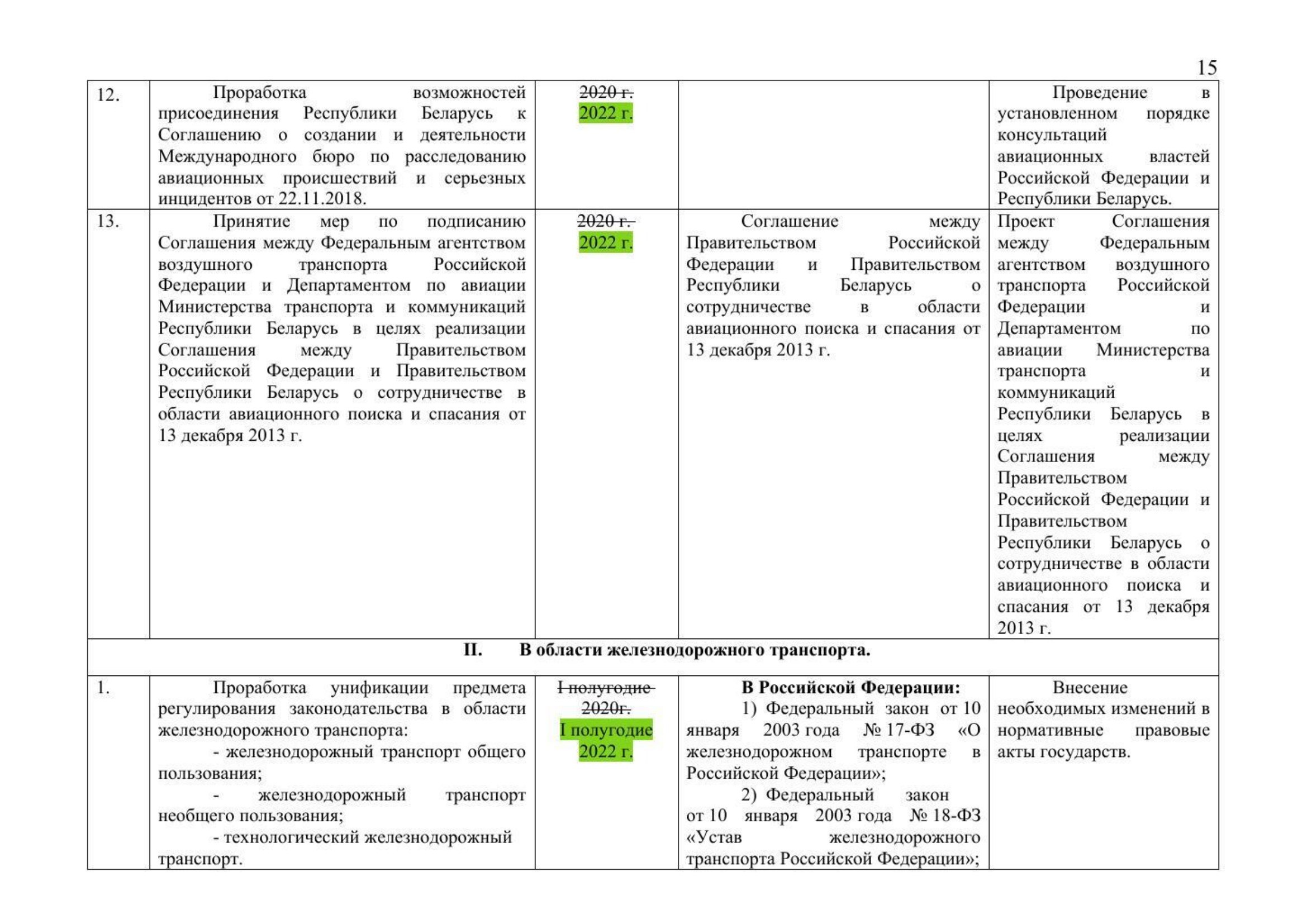
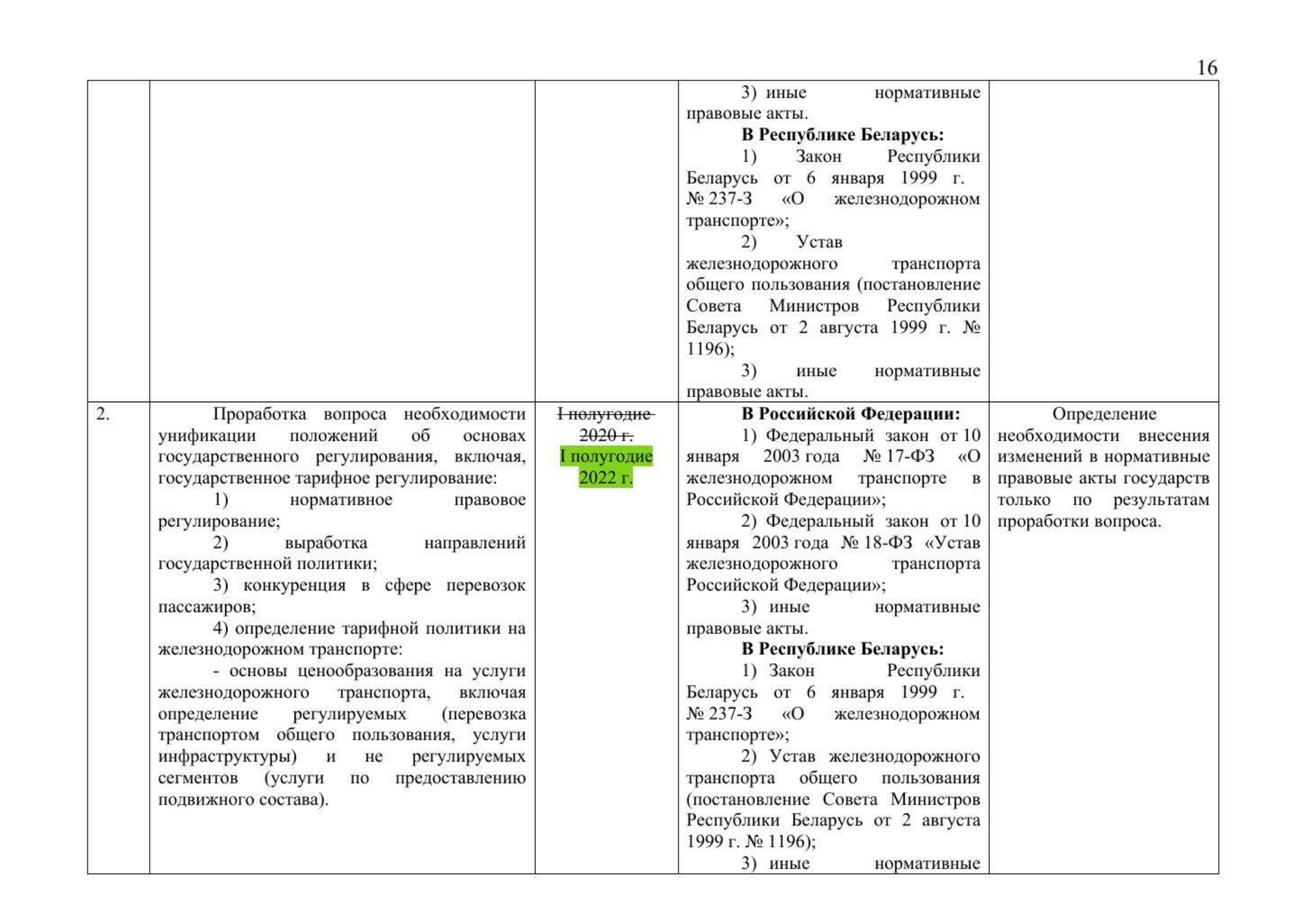
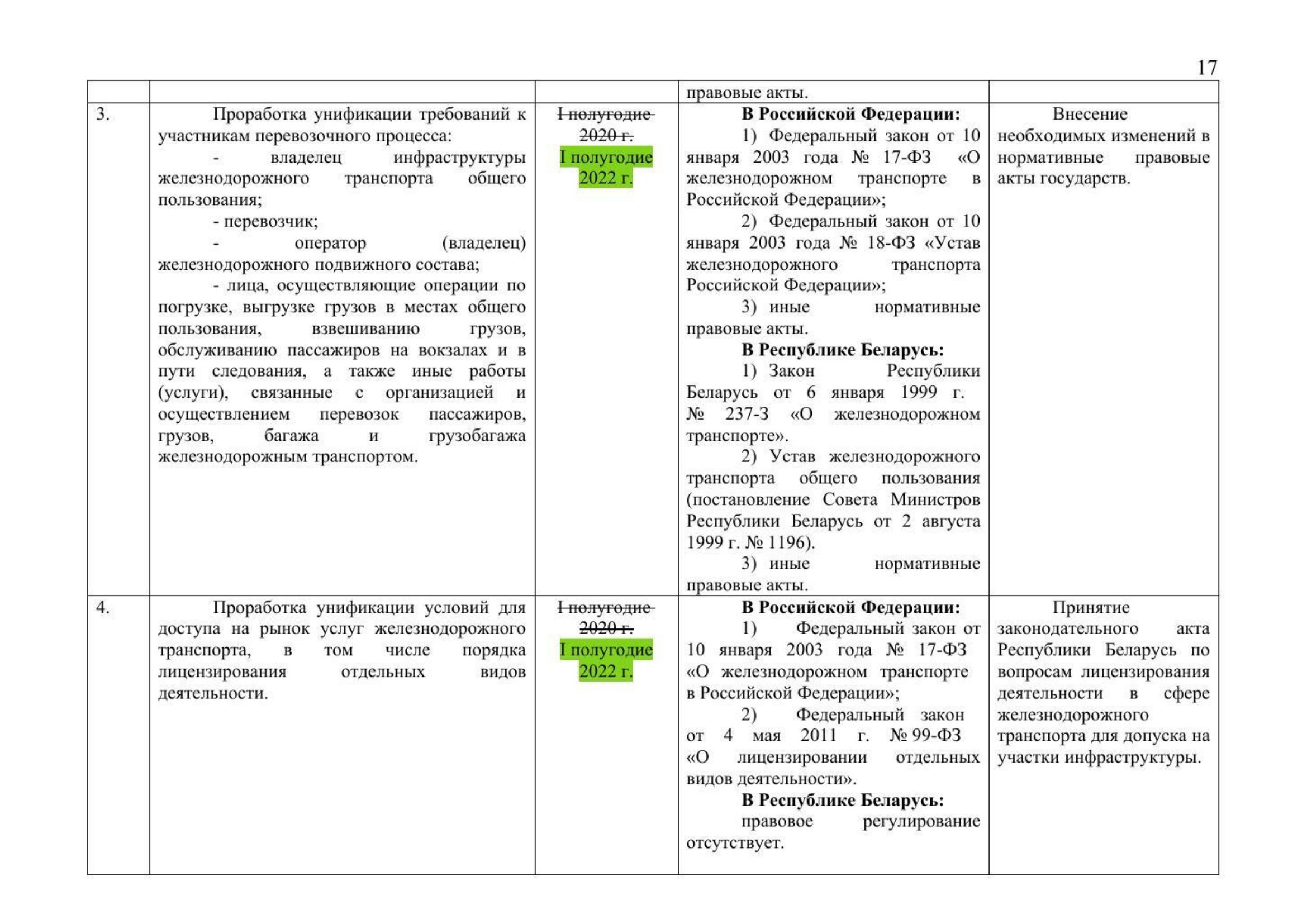
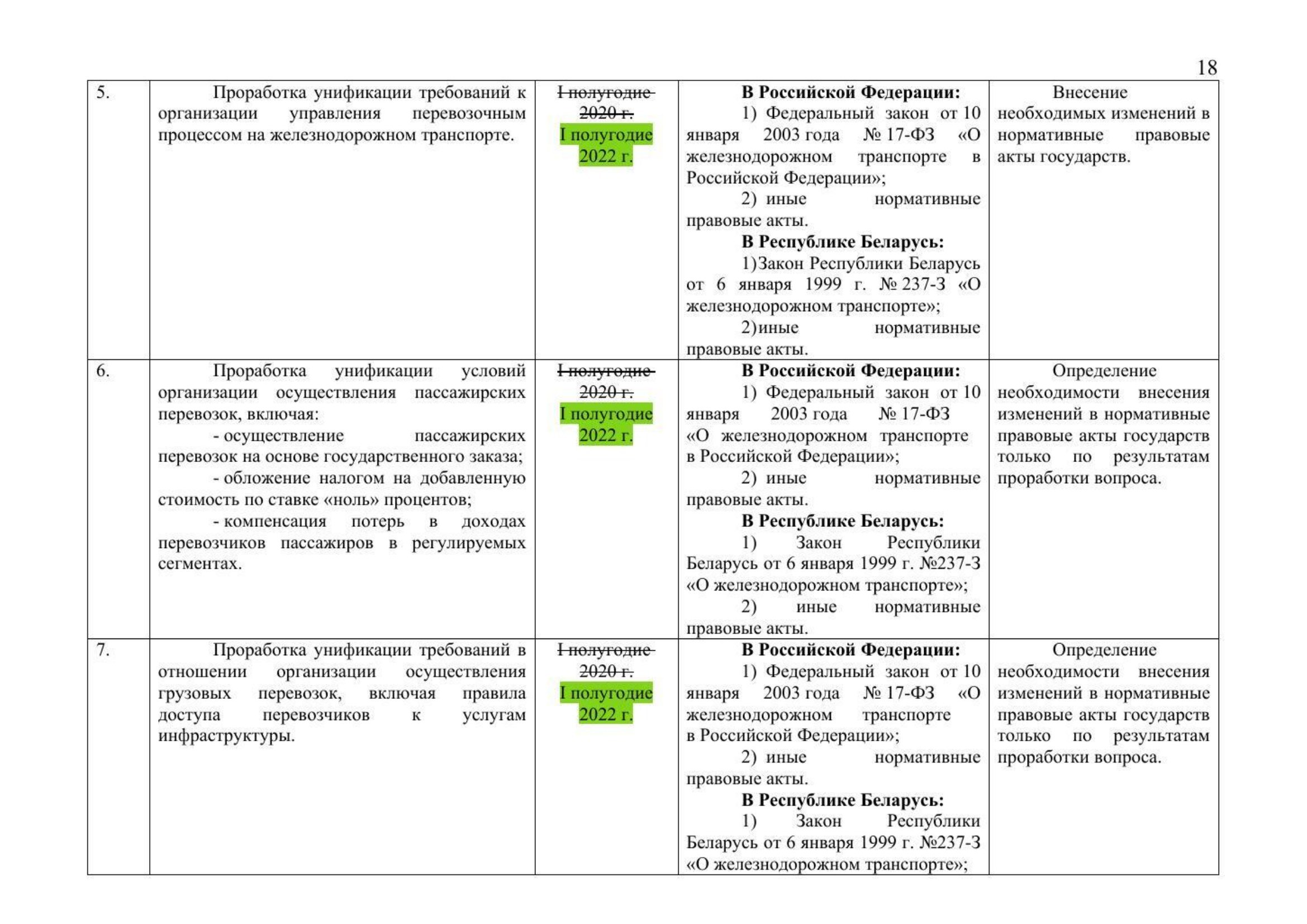
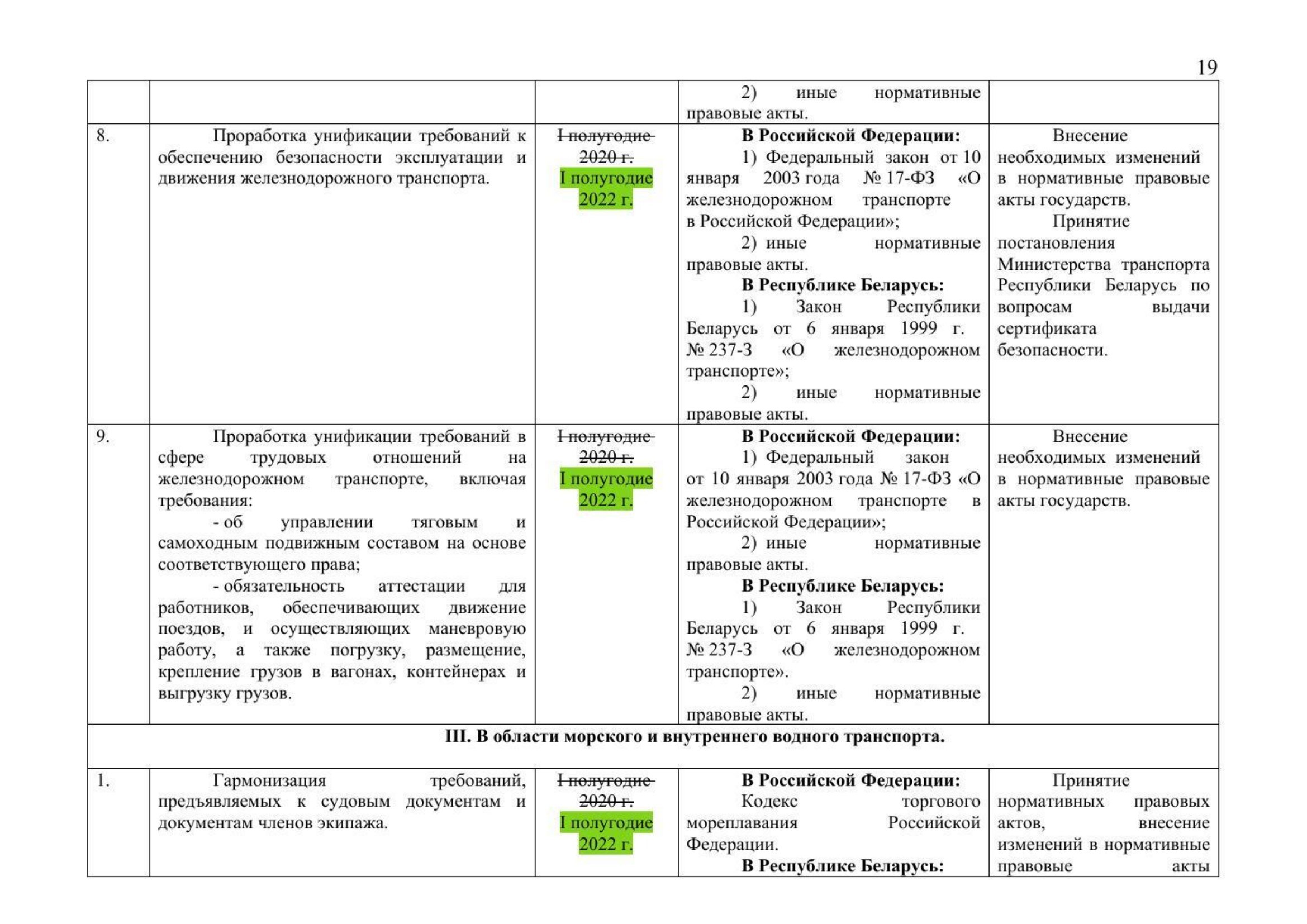
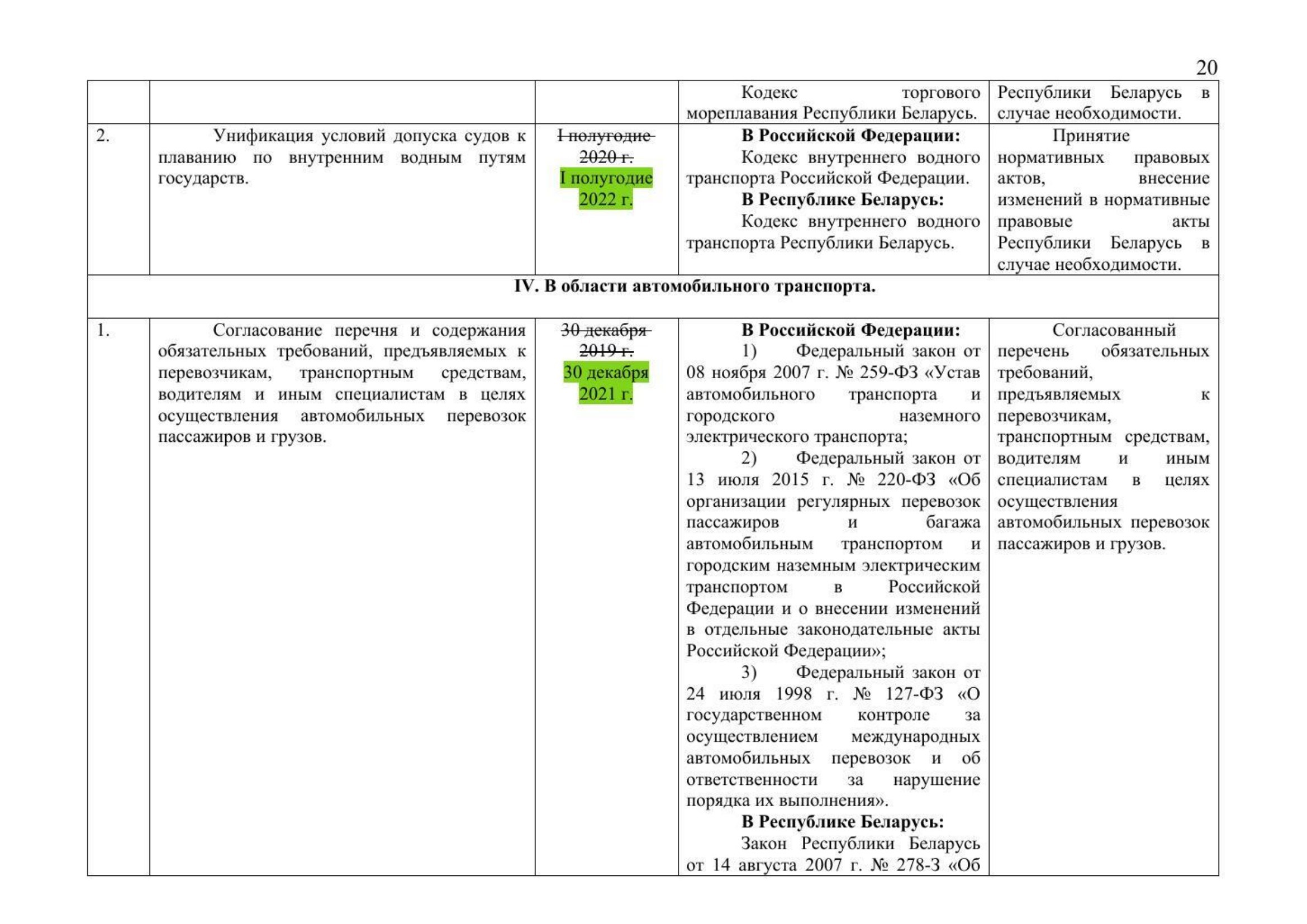
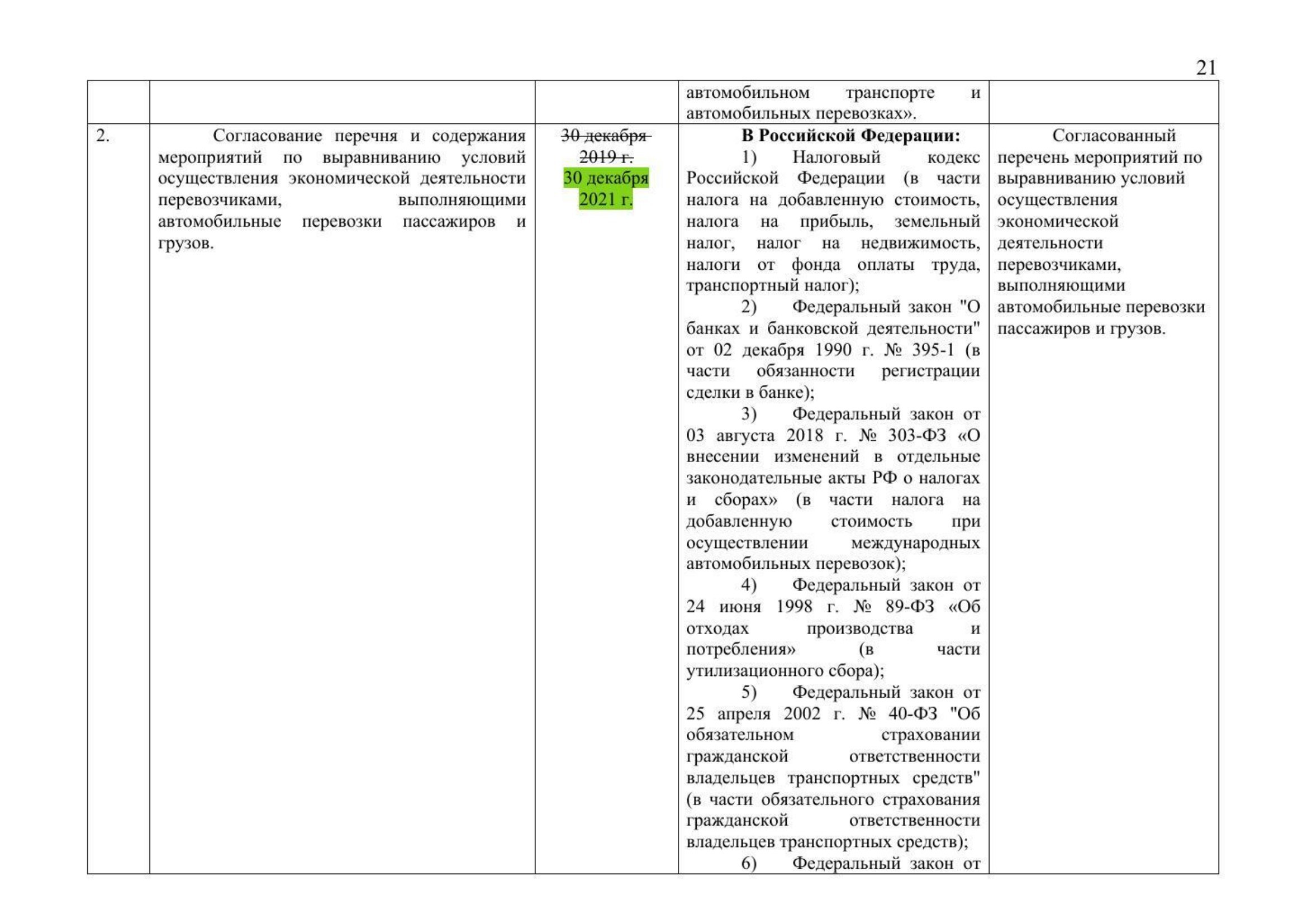
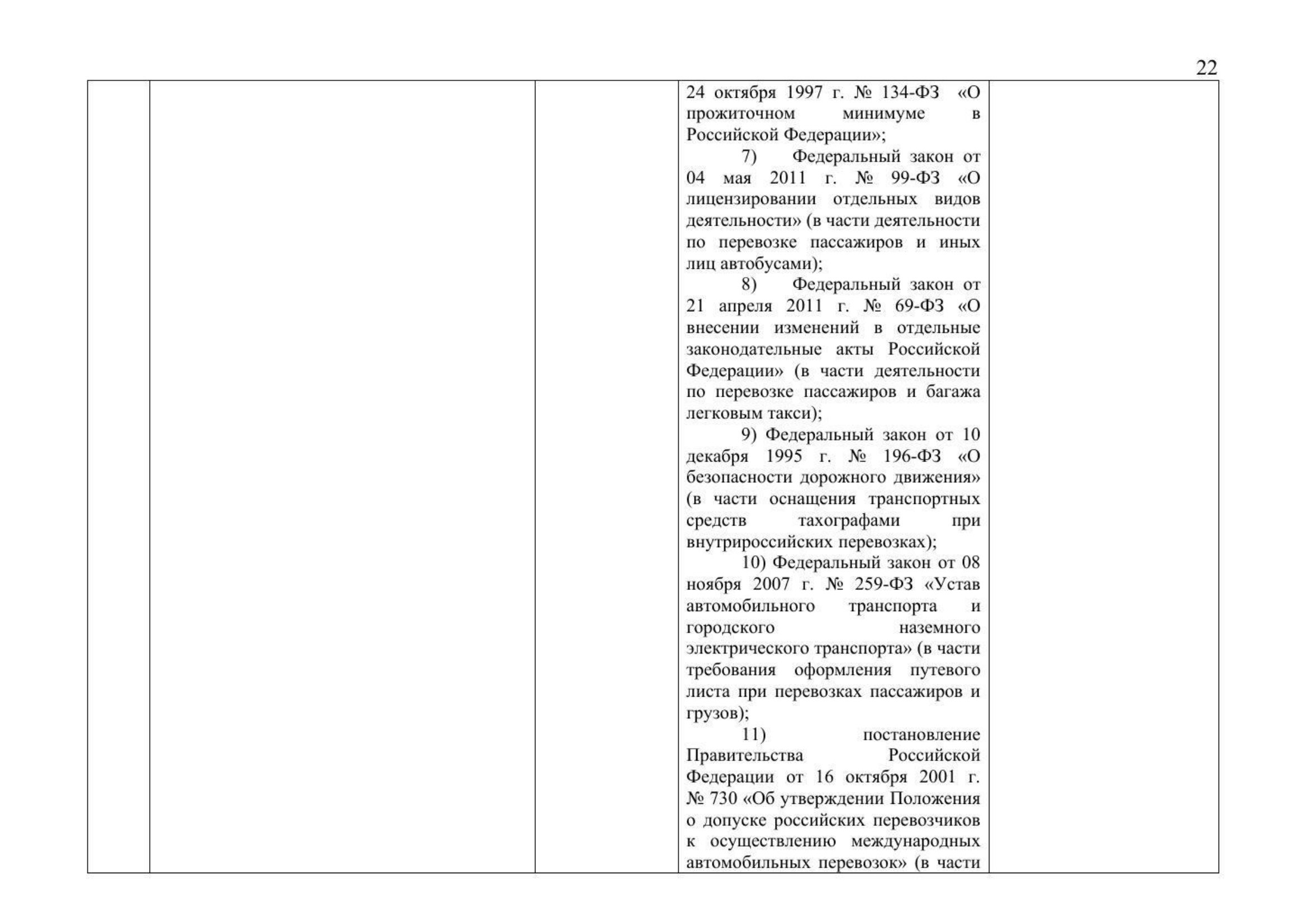
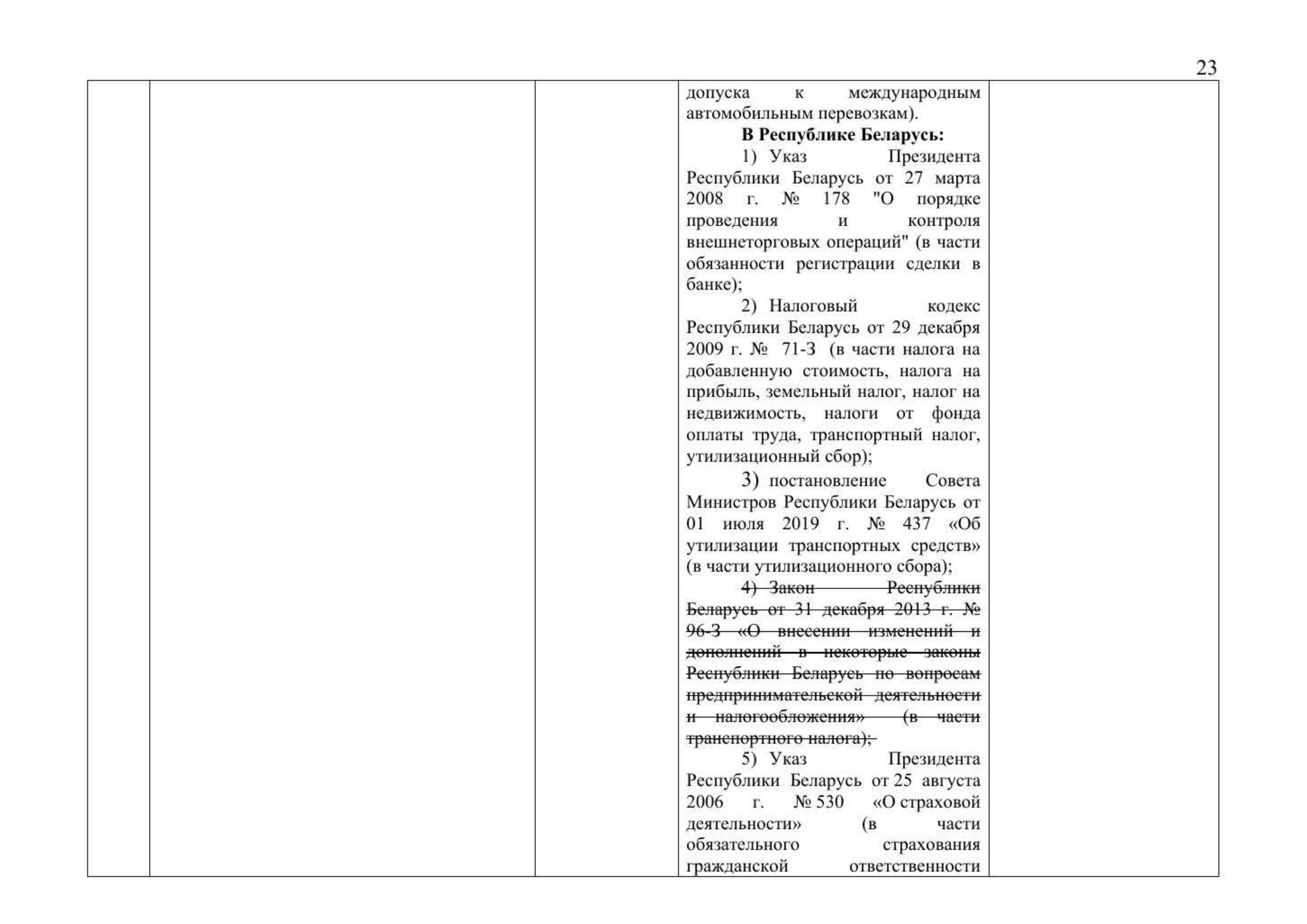
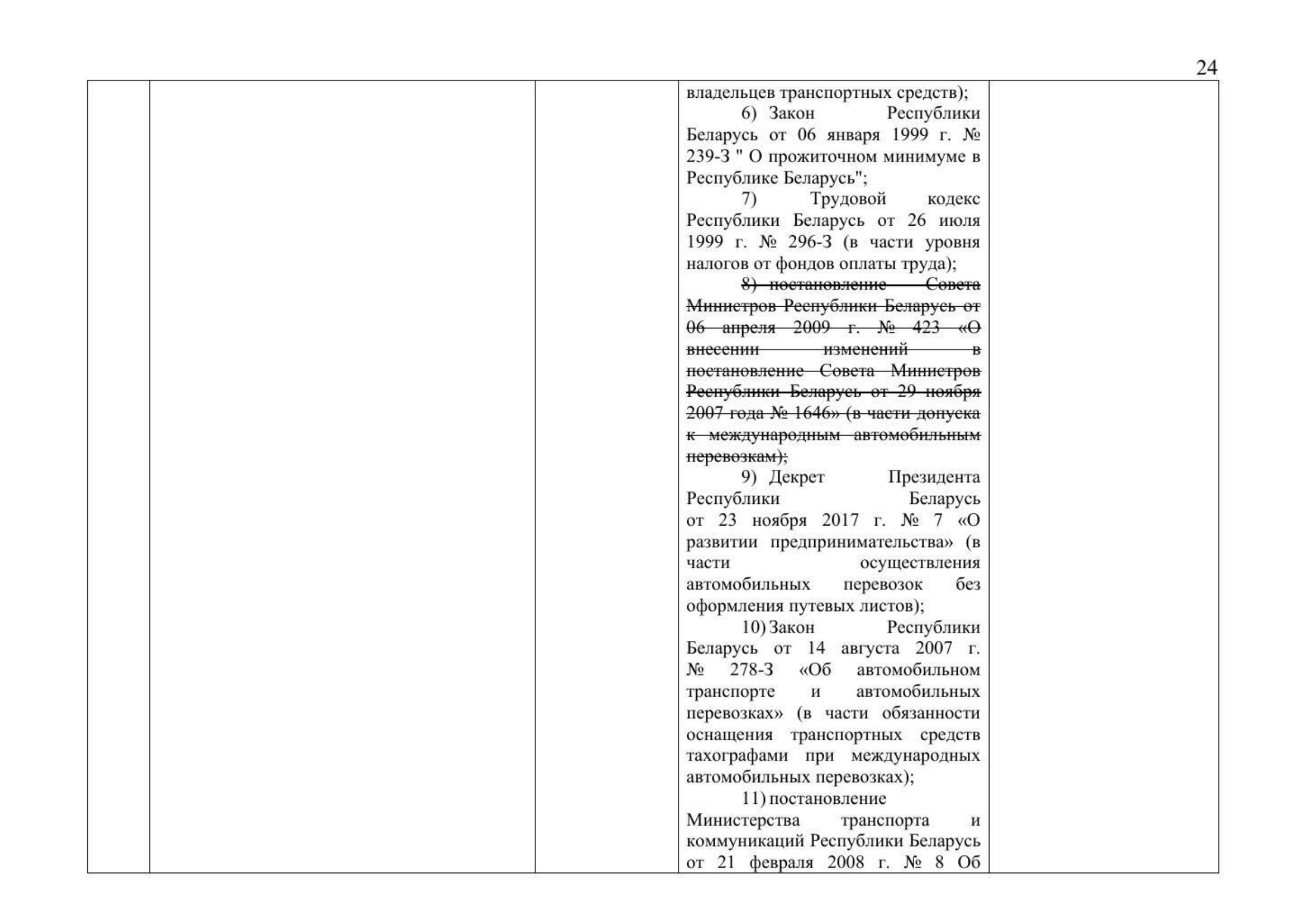
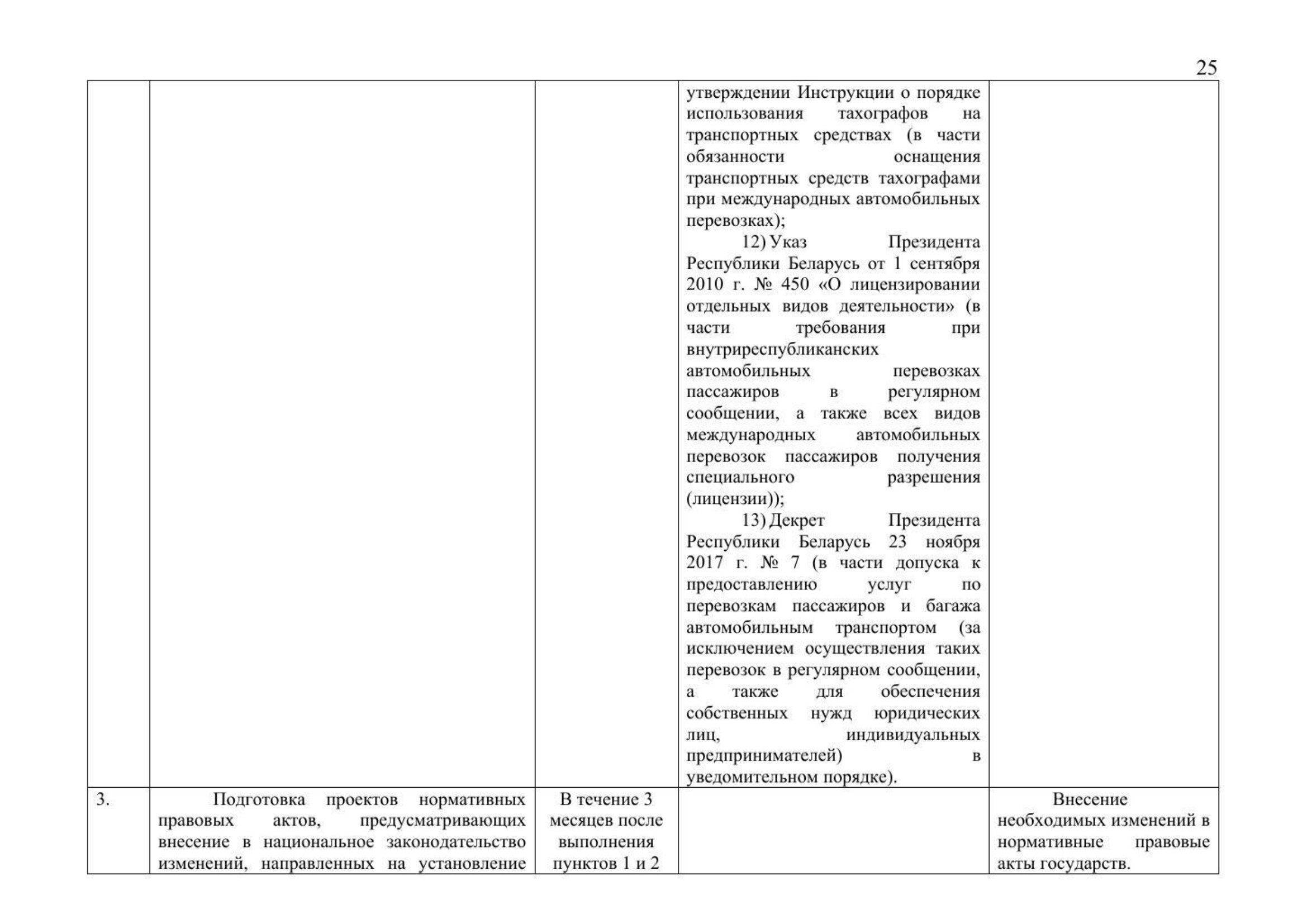
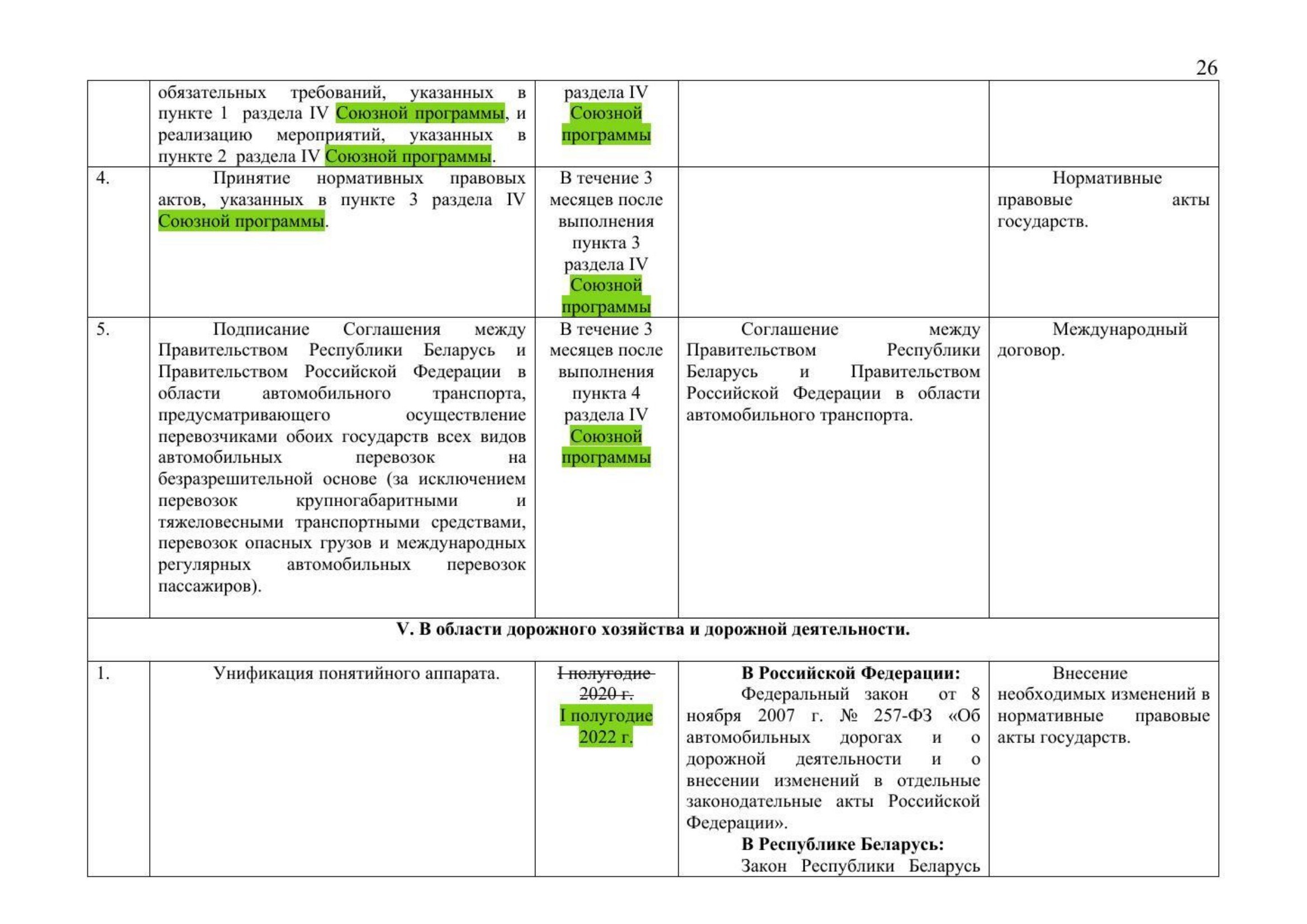
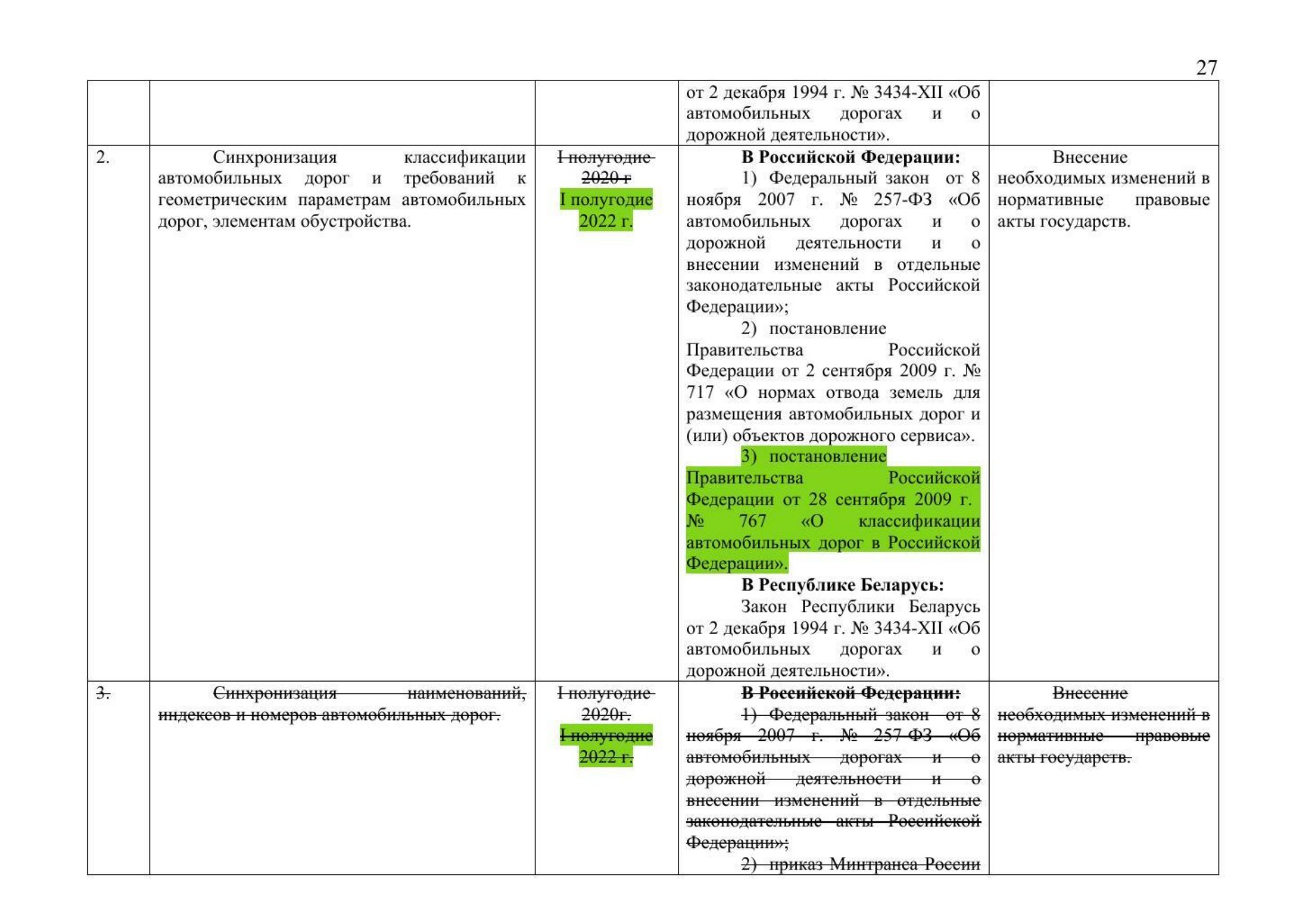
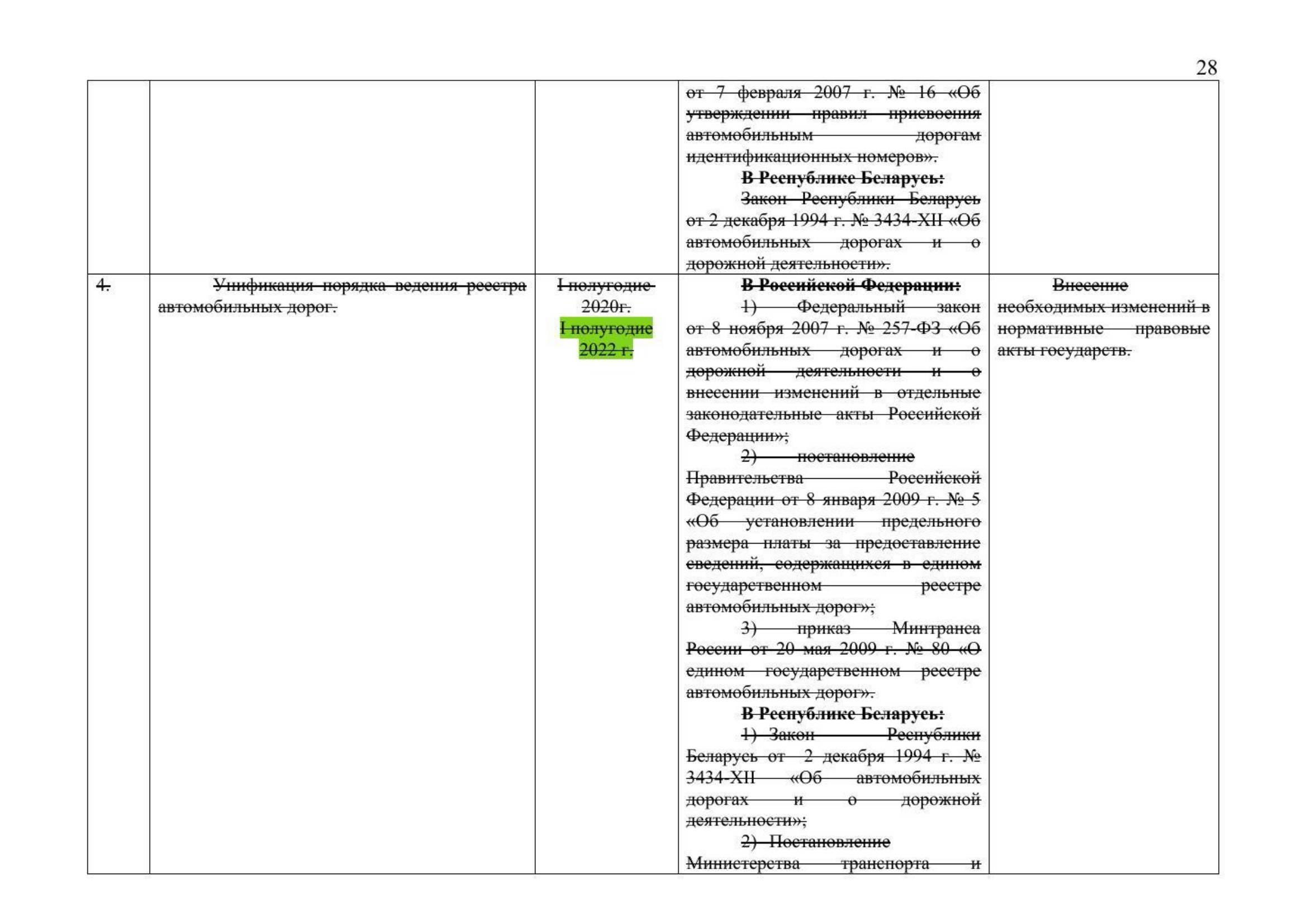
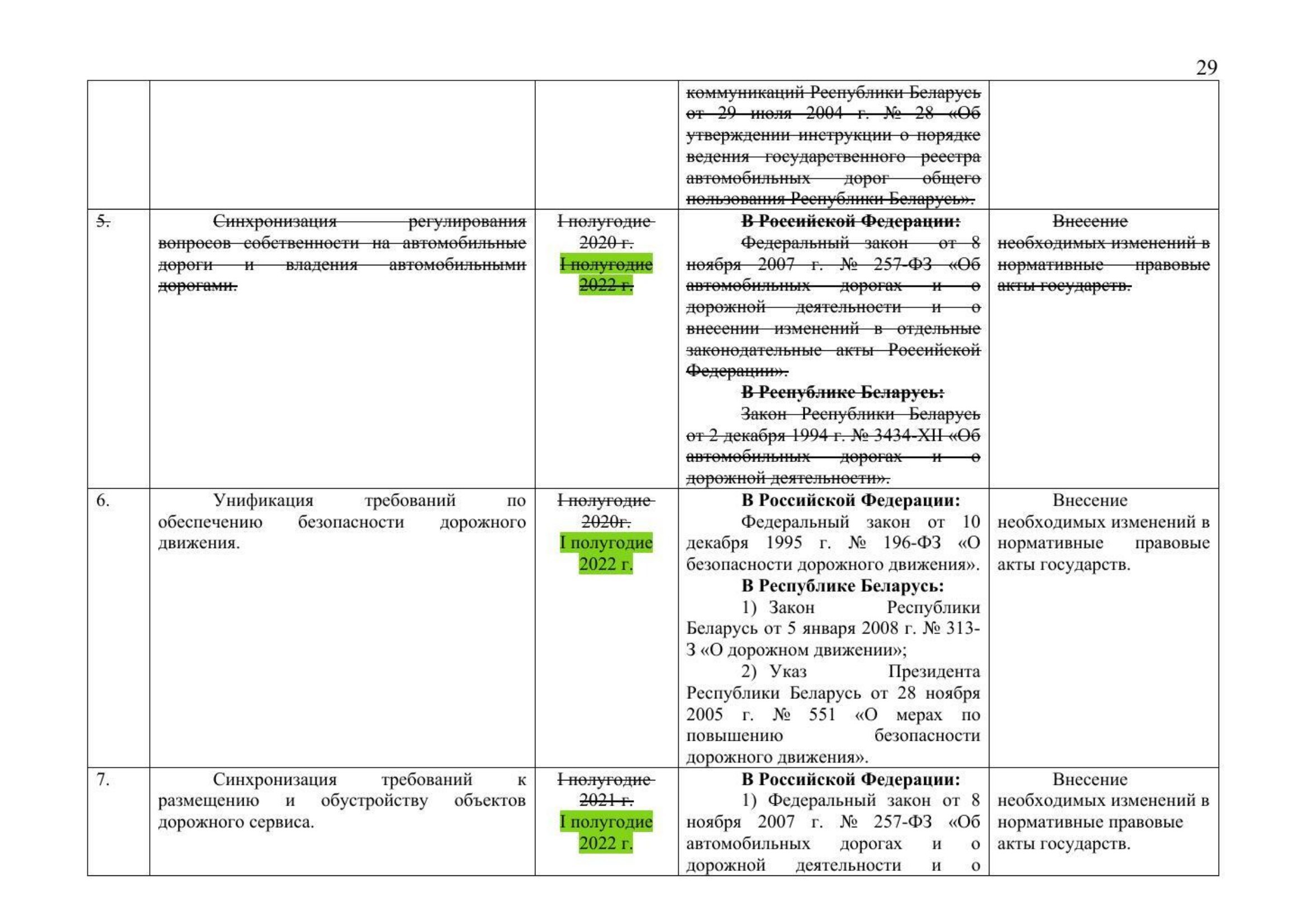
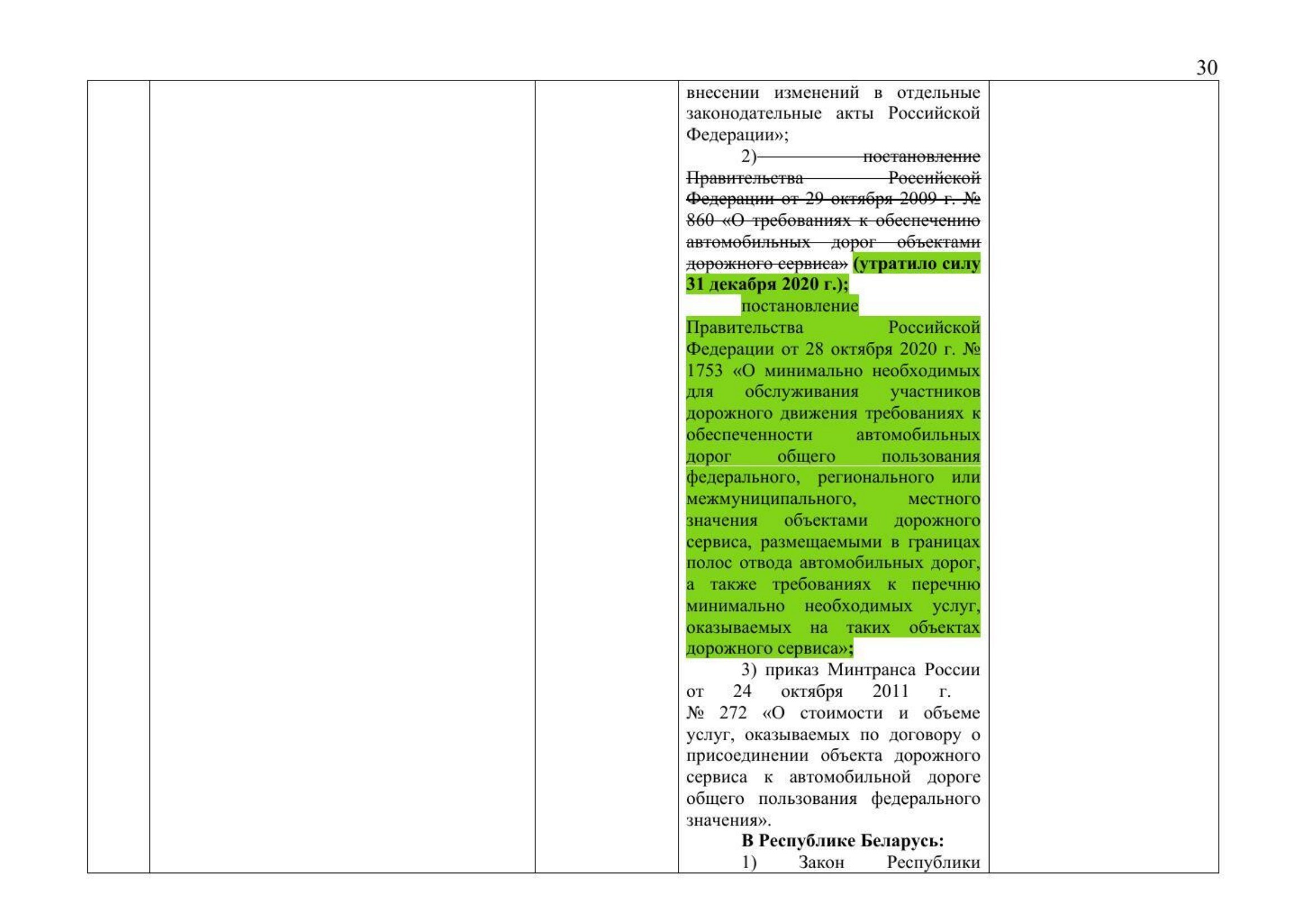
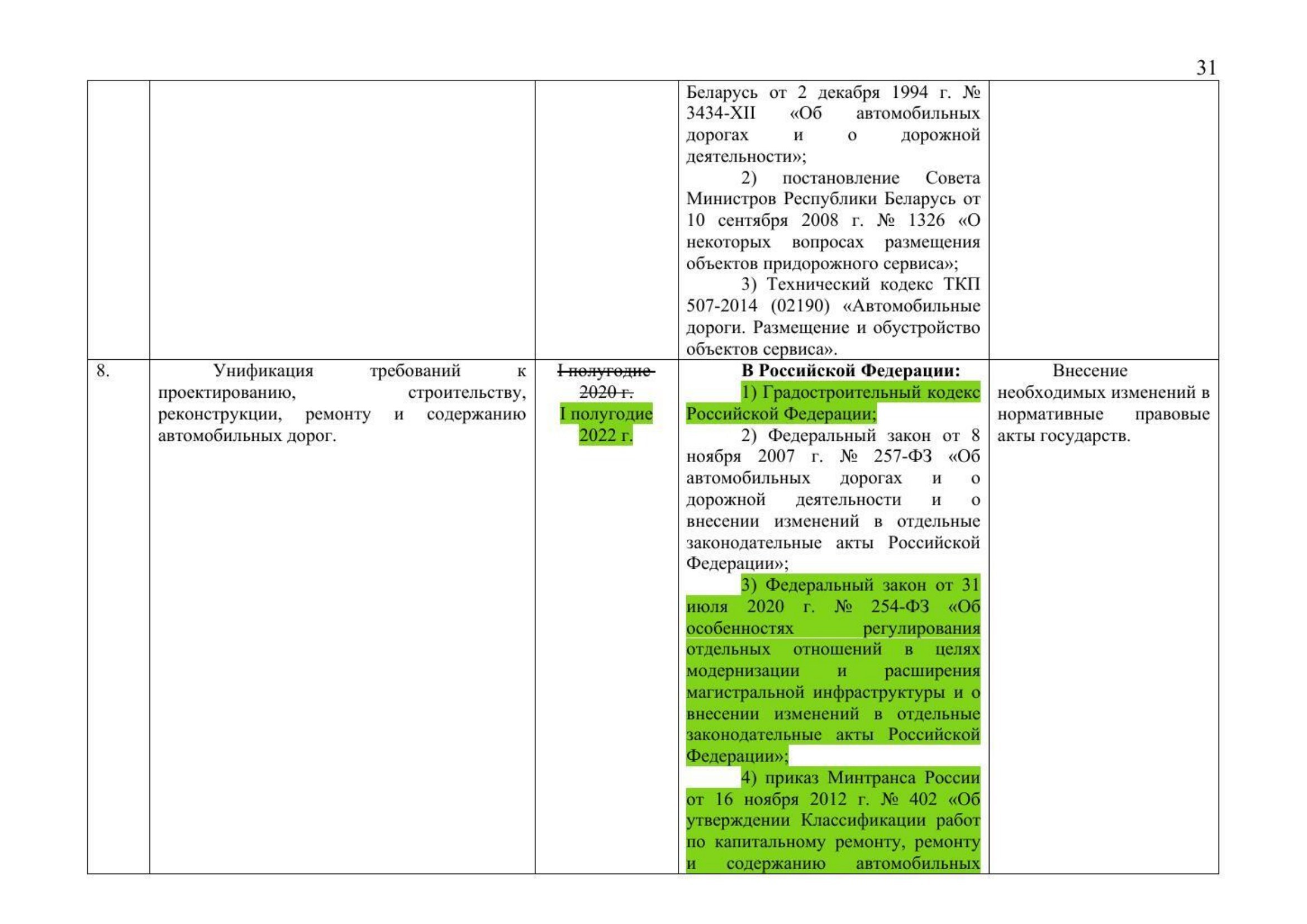
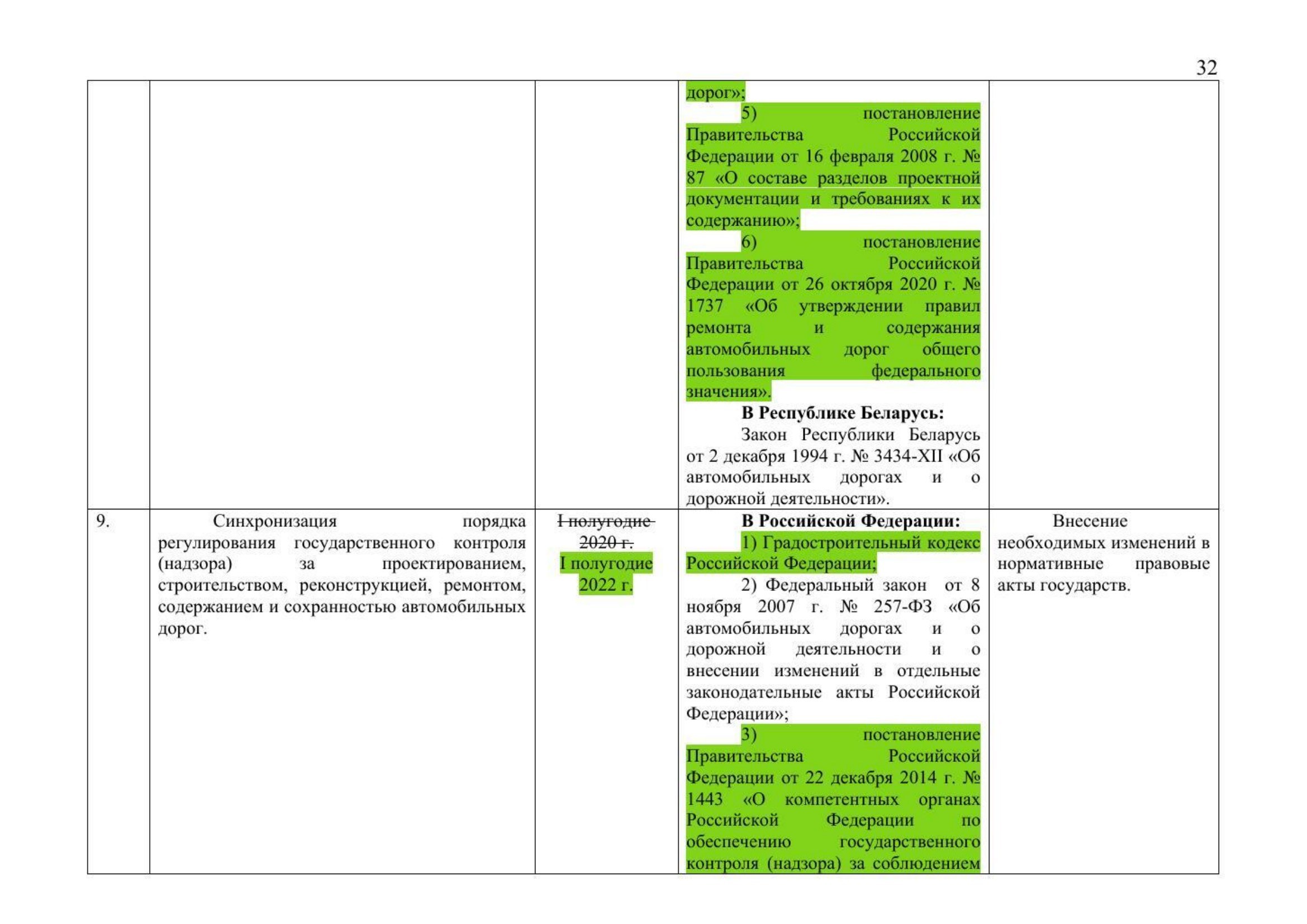
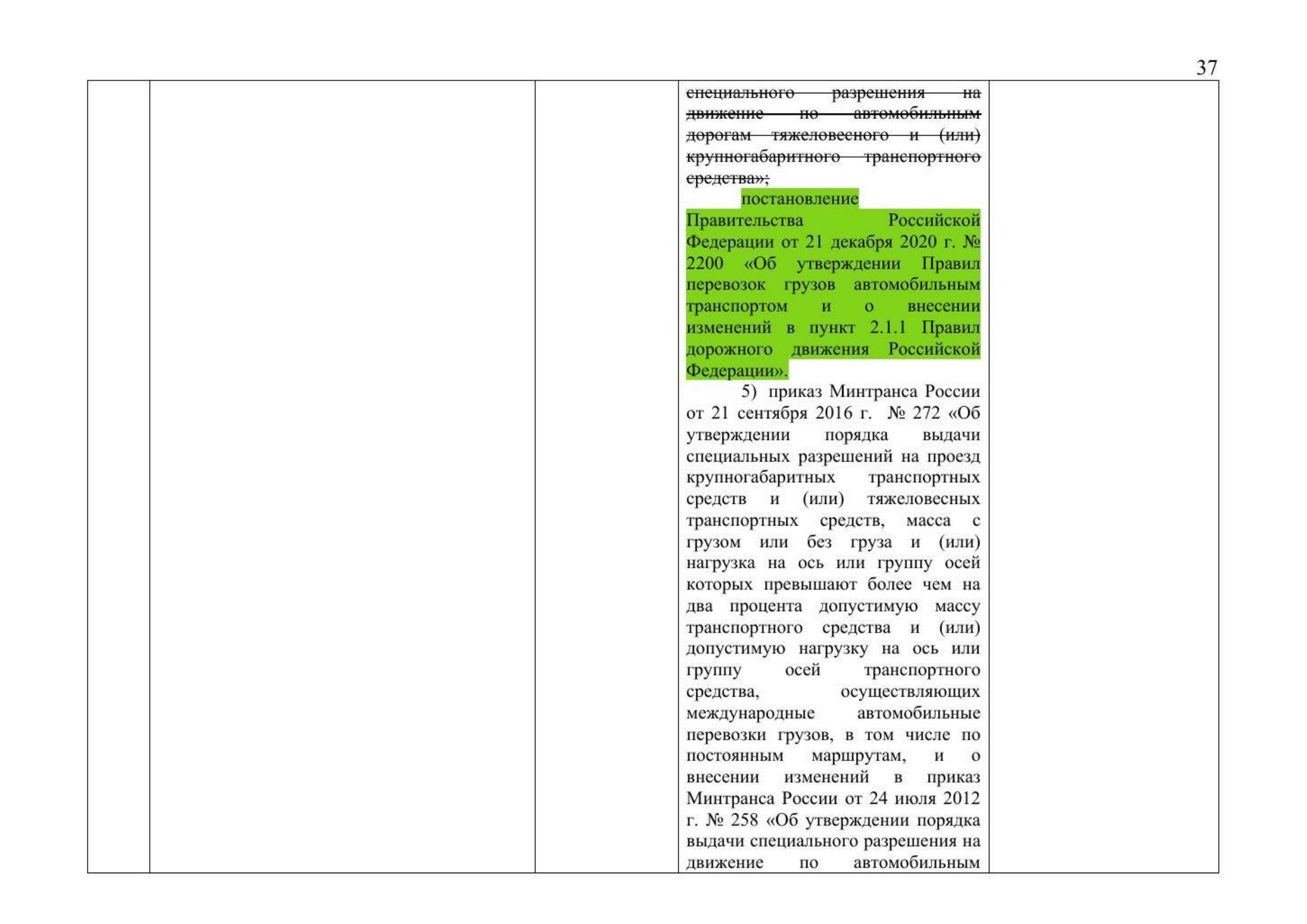
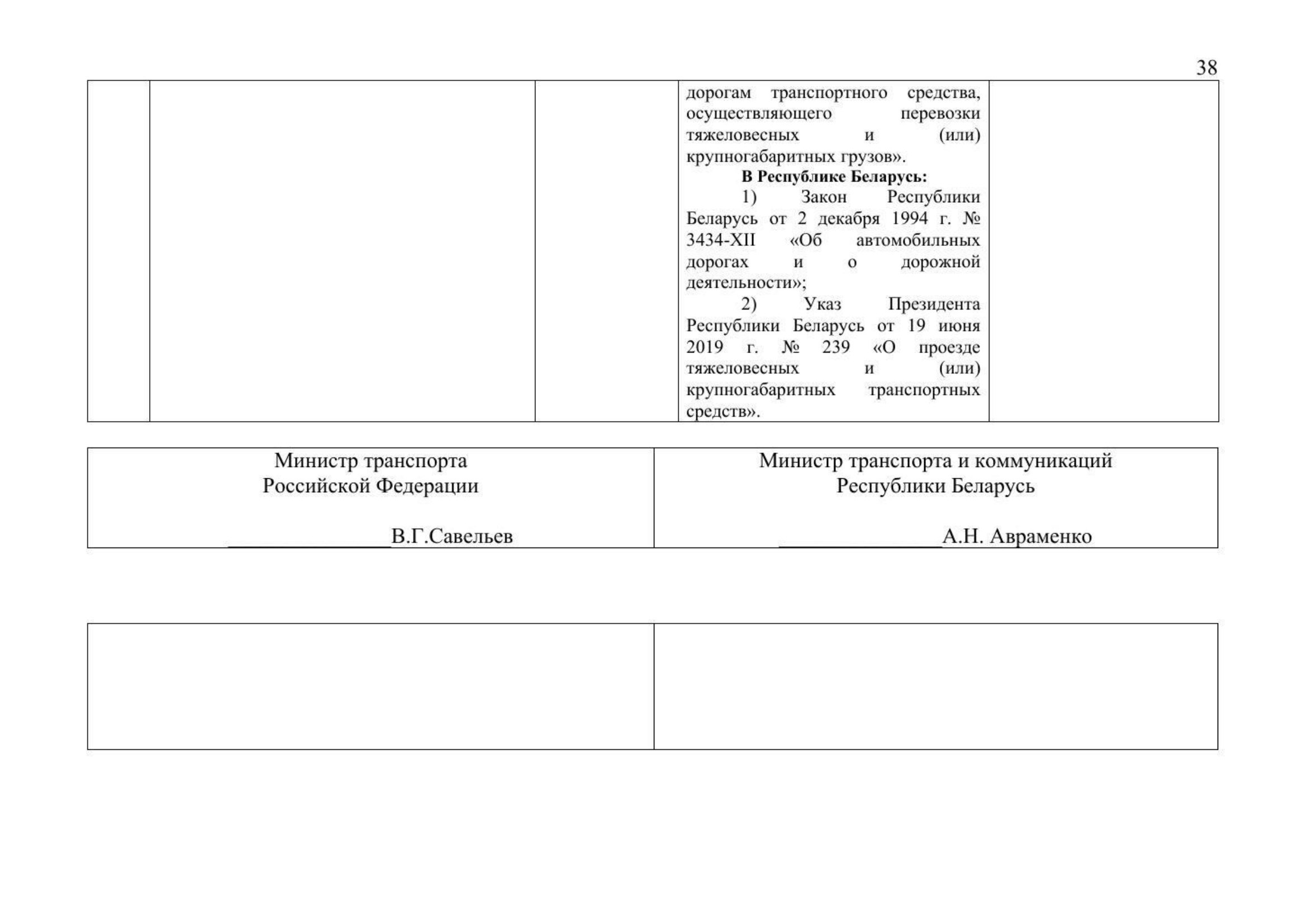
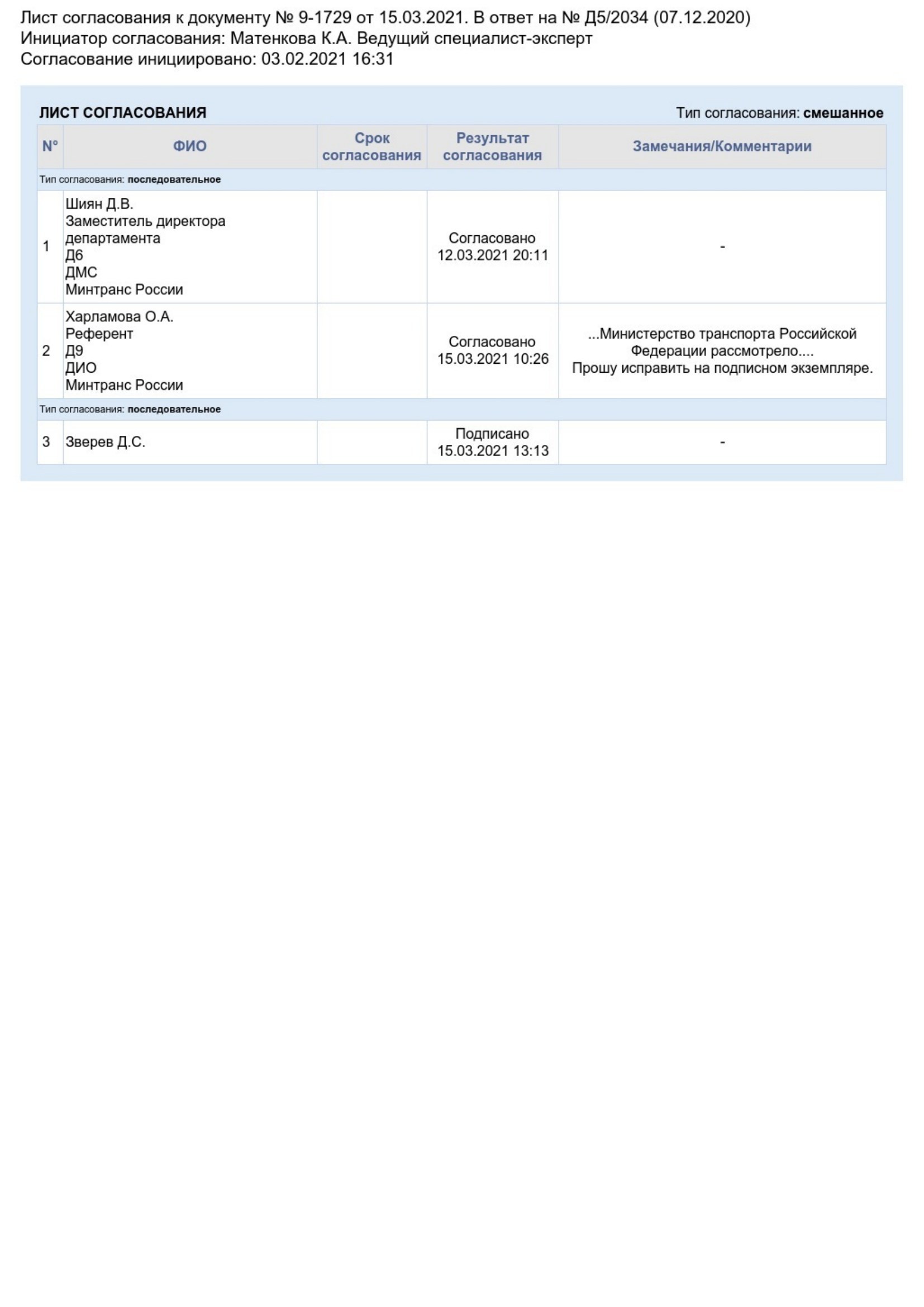
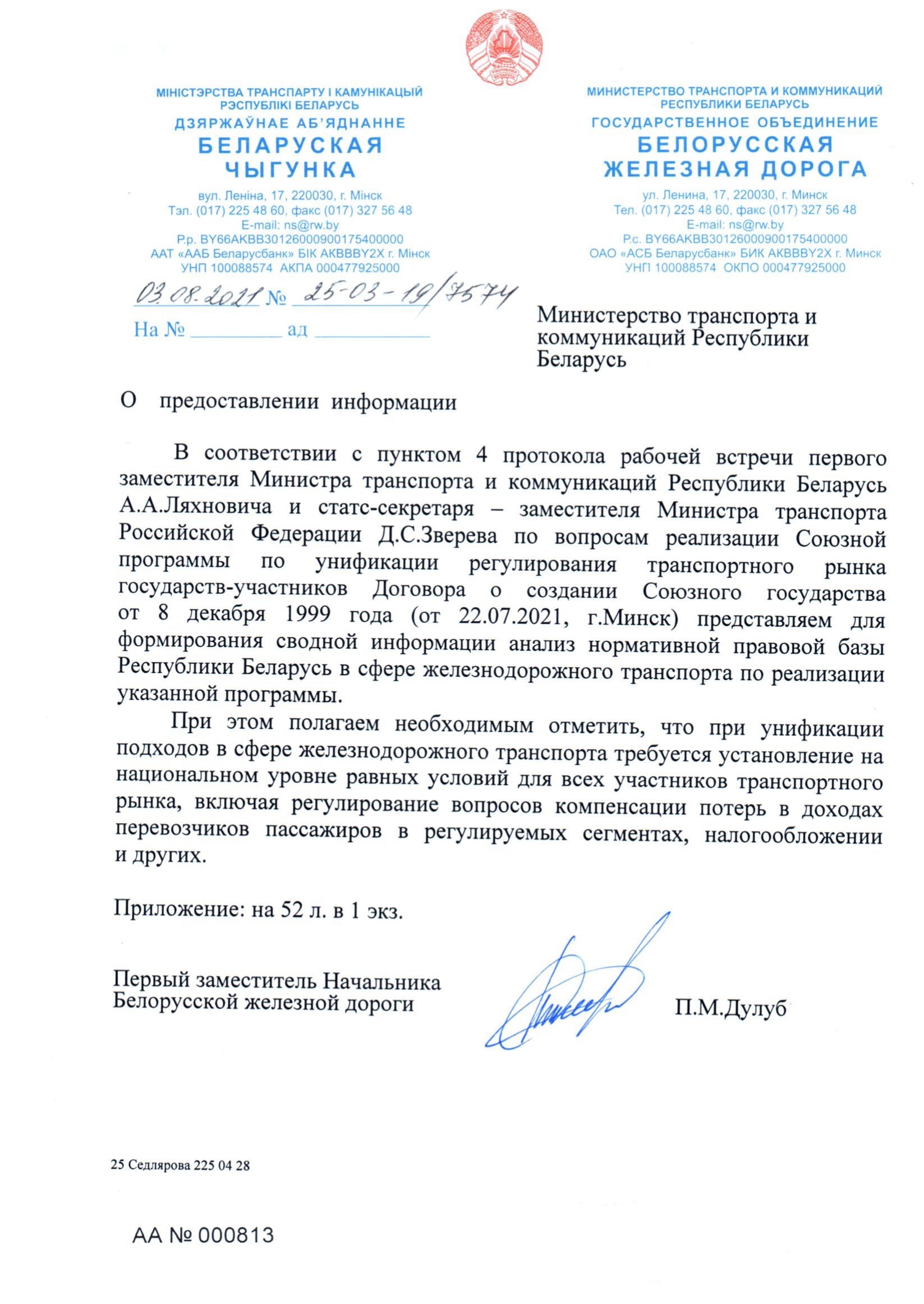
On July 22, 2021, then First Deputy Minister of Transport and Communications Alexei Lyakhnovich and Zverev held a working meeting in Minsk on implementation of the program. Afterward, BCh sent the Ministry of Transport and Communications a 52-page analysis of Belarusian legislation and reiterated its main concern: “the unification of approaches in railway transport requires establishing, at the national level, equal conditions for all participants in the transport market, including regulation of issues such as compensation for losses in passenger carriers’ revenue in regulated segments, taxation, and other matters.”
Behind this formula lay specific documents. By that time, BCh had already prepared its own draft law amending the railway transport law, the Tax Code and the Budget Code, as well as a draft Council of Ministers resolution on subsidization. BCh justified a zero VAT rate for passenger transportation by referring to a 2015 Russian decision, and calculated that additional VAT of “about 10 million rubles” a year was being “extracted” from passenger transportation revenue. In other words, what BCh expected from “Union” unification was, above all, the adoption of the Russian model for subsidizing passenger transportation.
Meanwhile, Belarus’s “unilateral” licensing obligation was taking concrete shape. Under the draft Law “On Licensing,” a license for railway transportation was required only for foreign carriers from EAEU countries — subject to having their own rolling stock, a safety certificate, staff with at least three years of experience, and an agreement with Belarusian organizations on emergency response. Access to the Belarusian network was thus structured more as a filter.
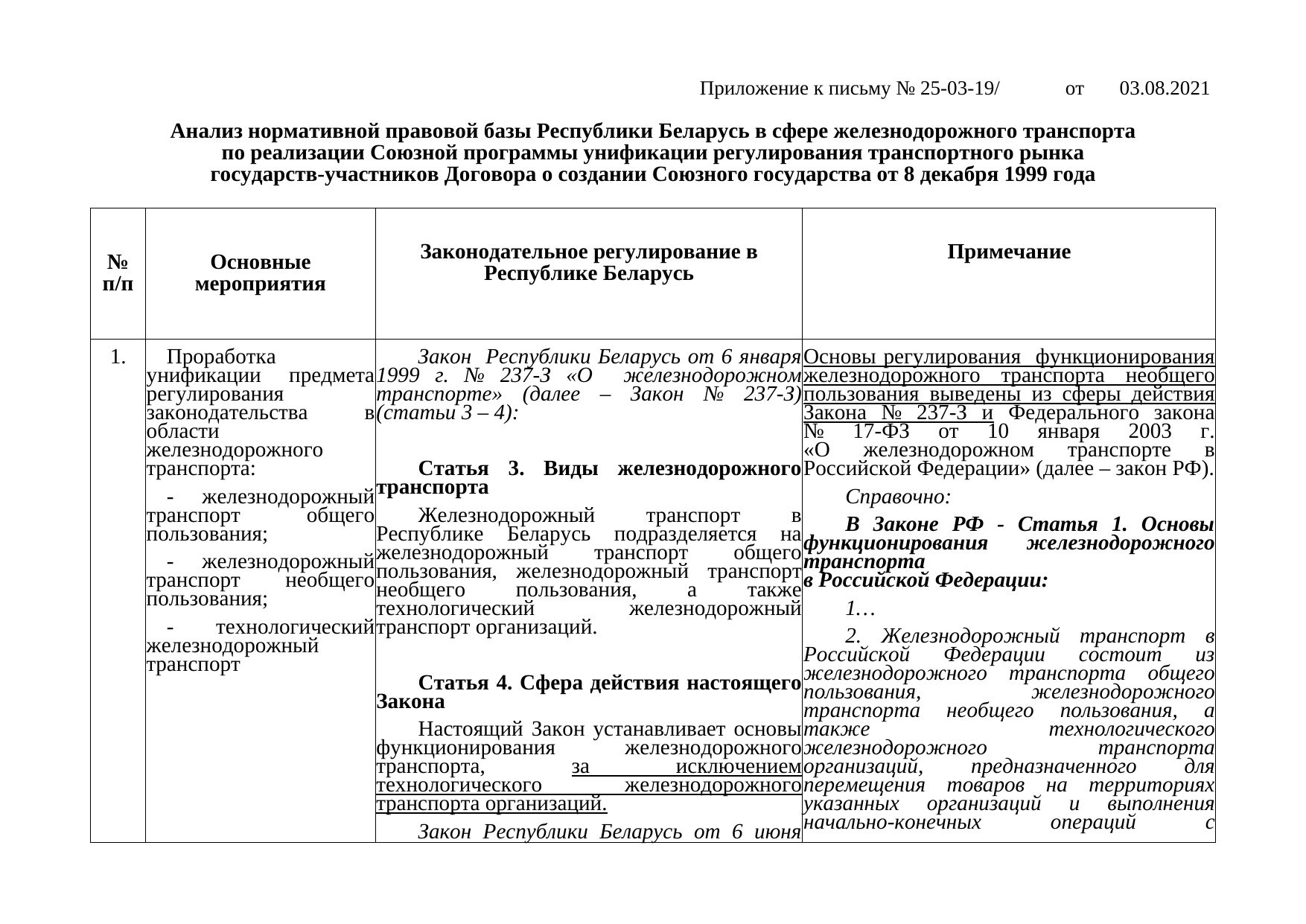
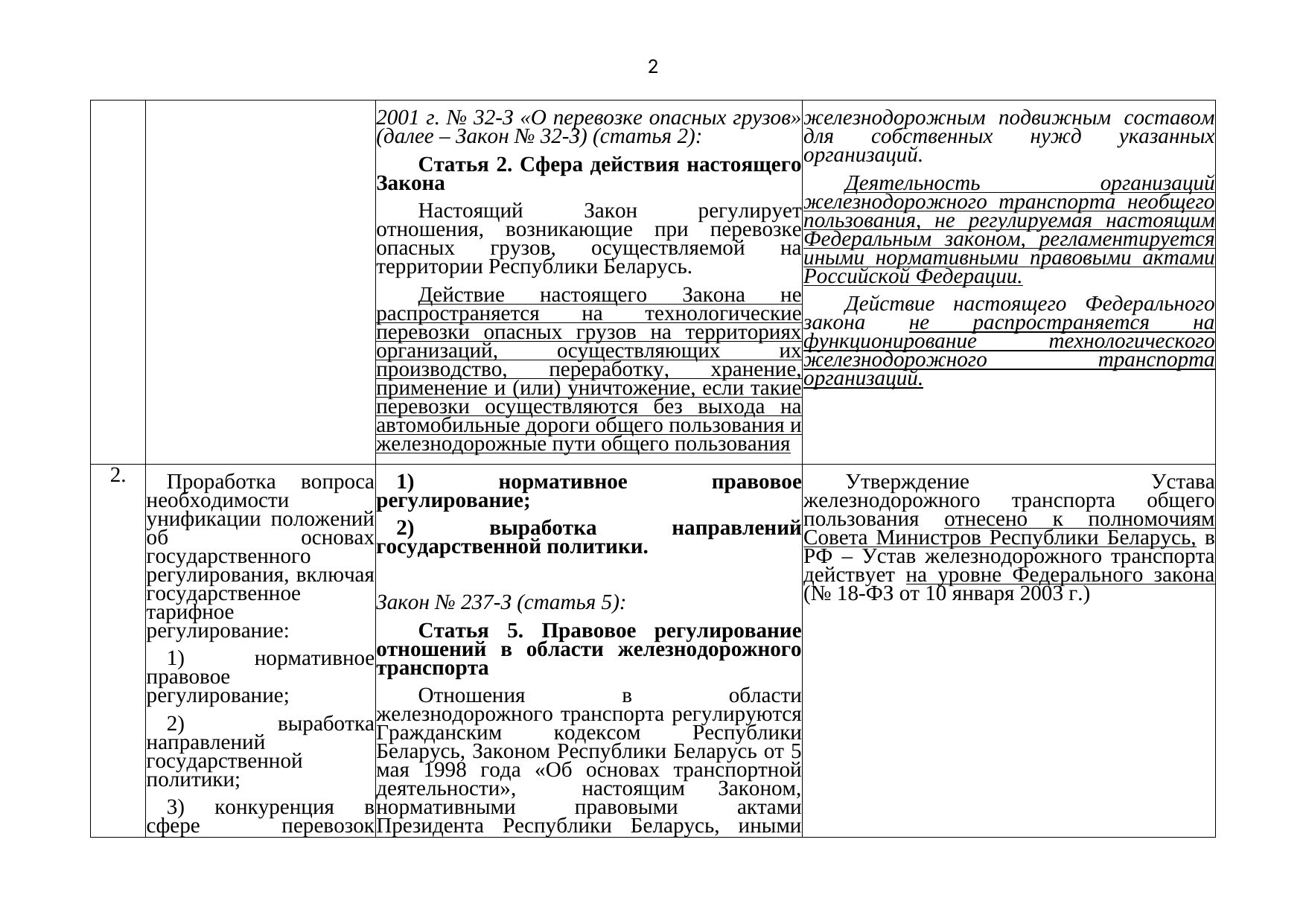
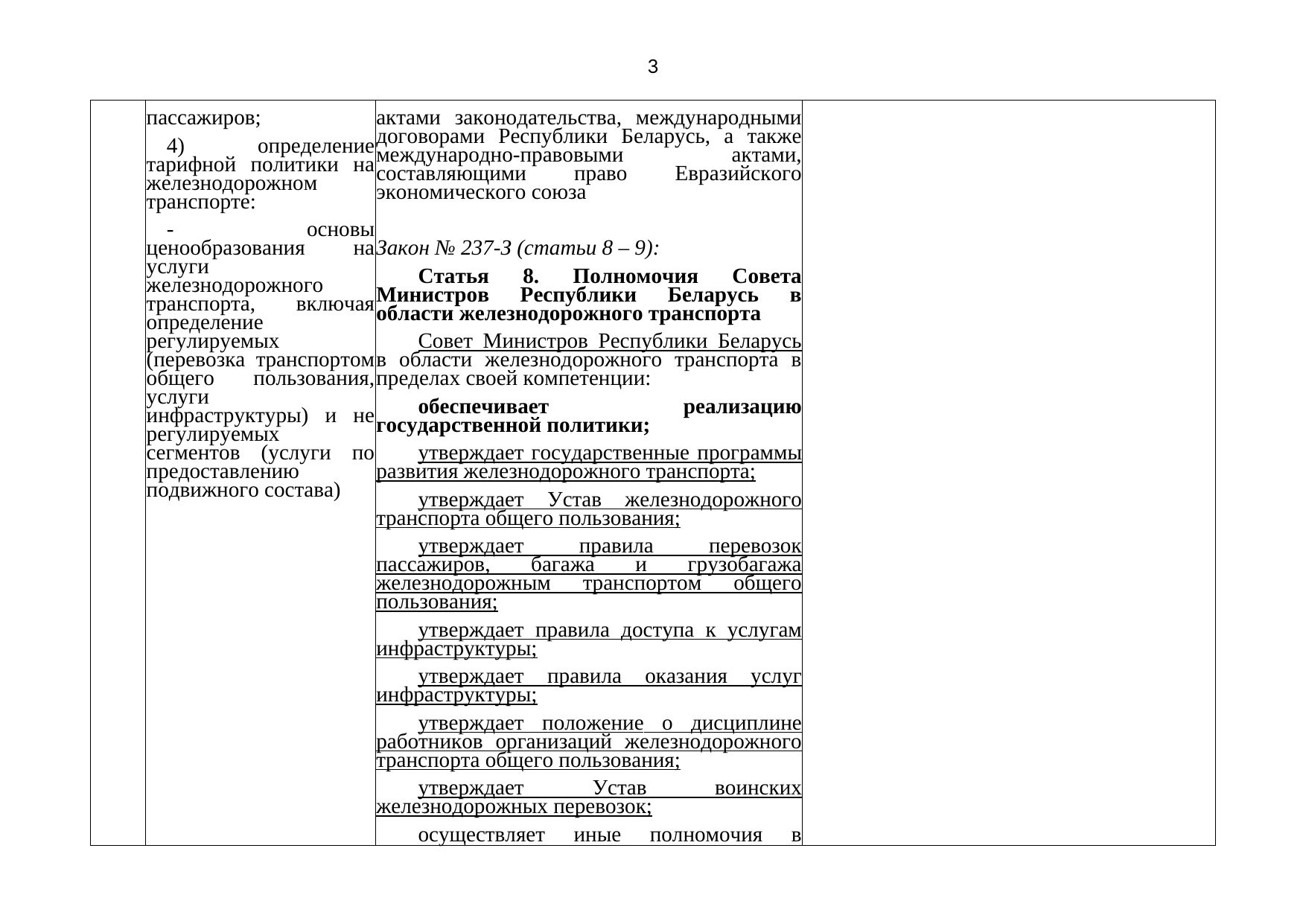
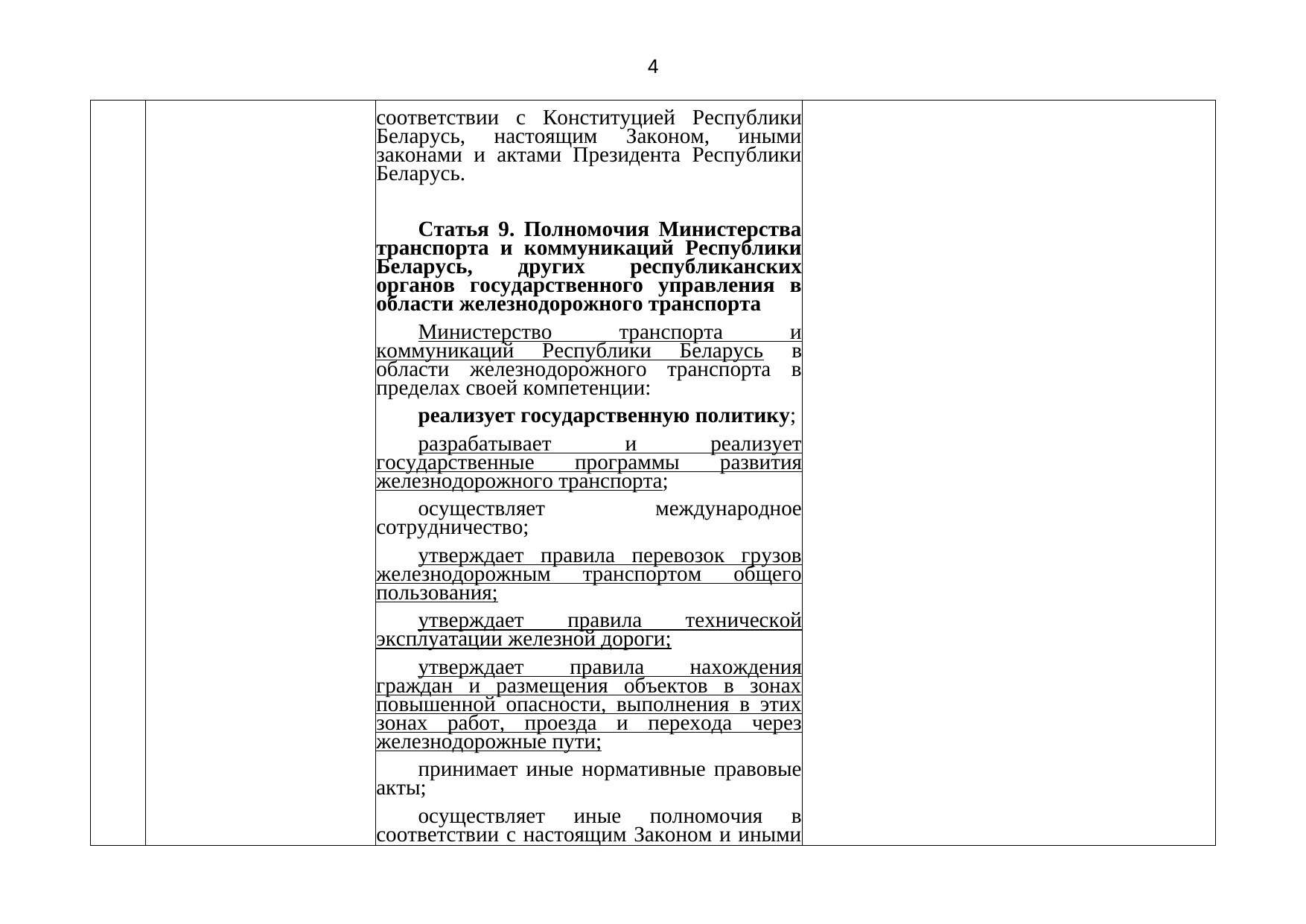
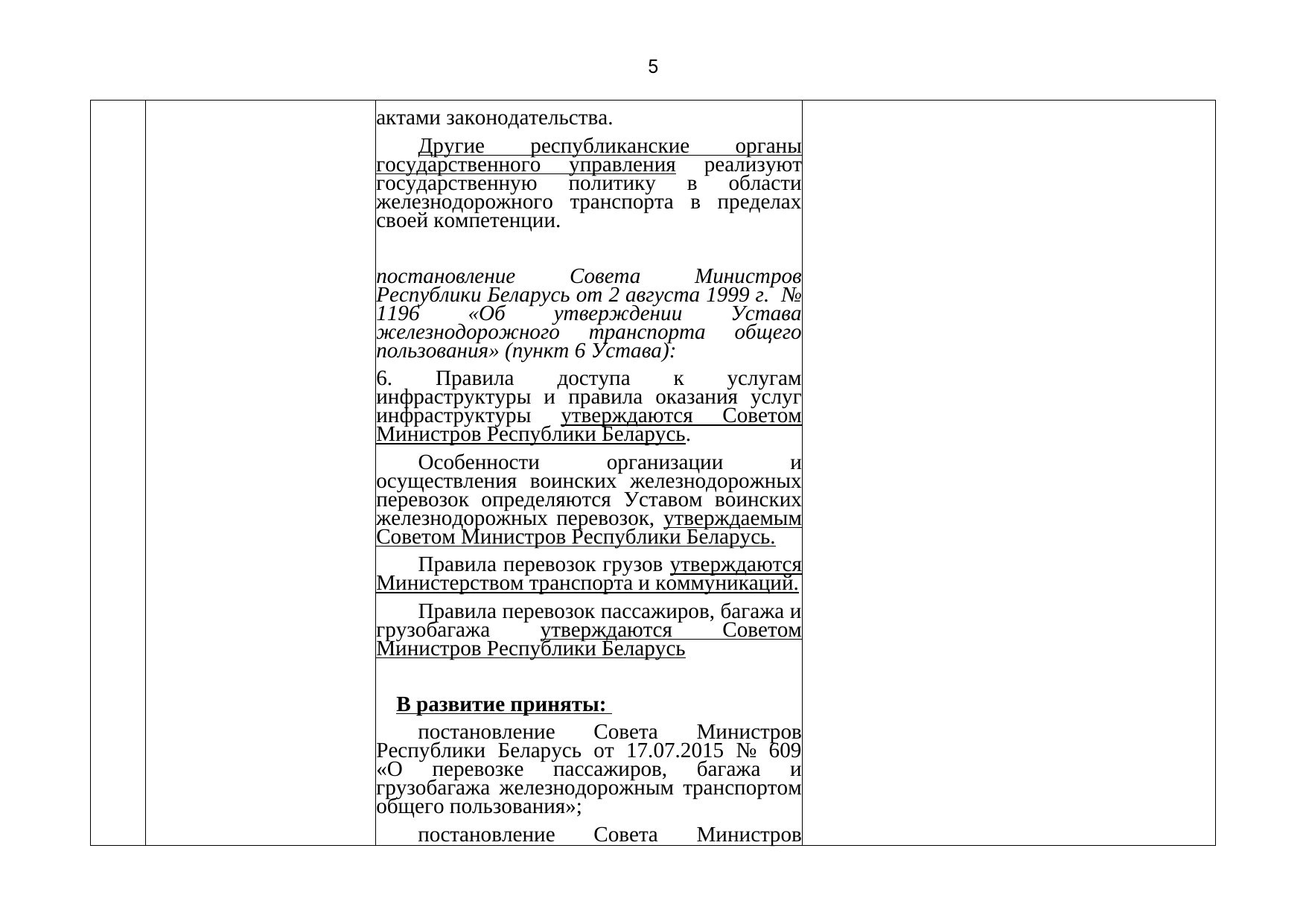
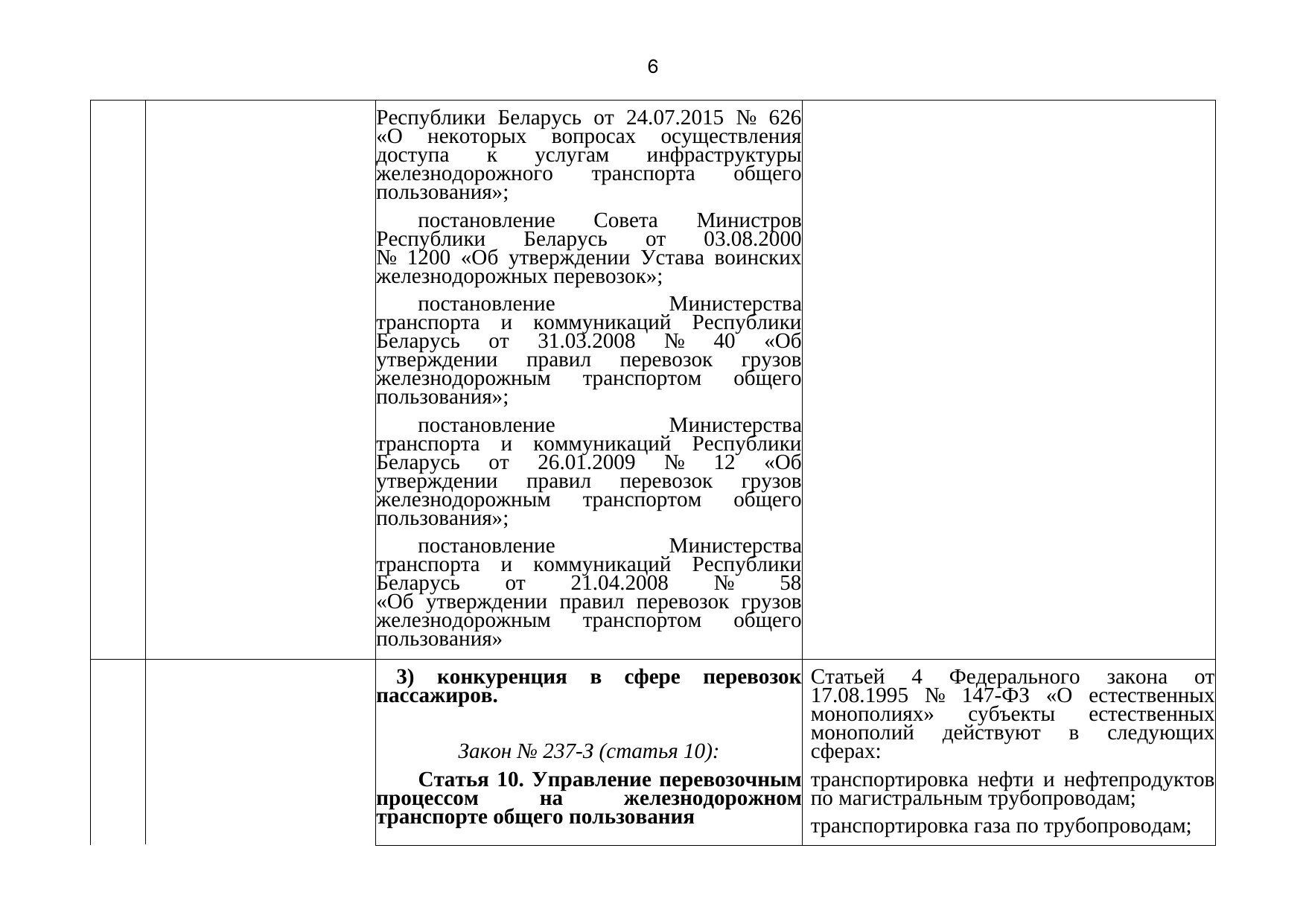
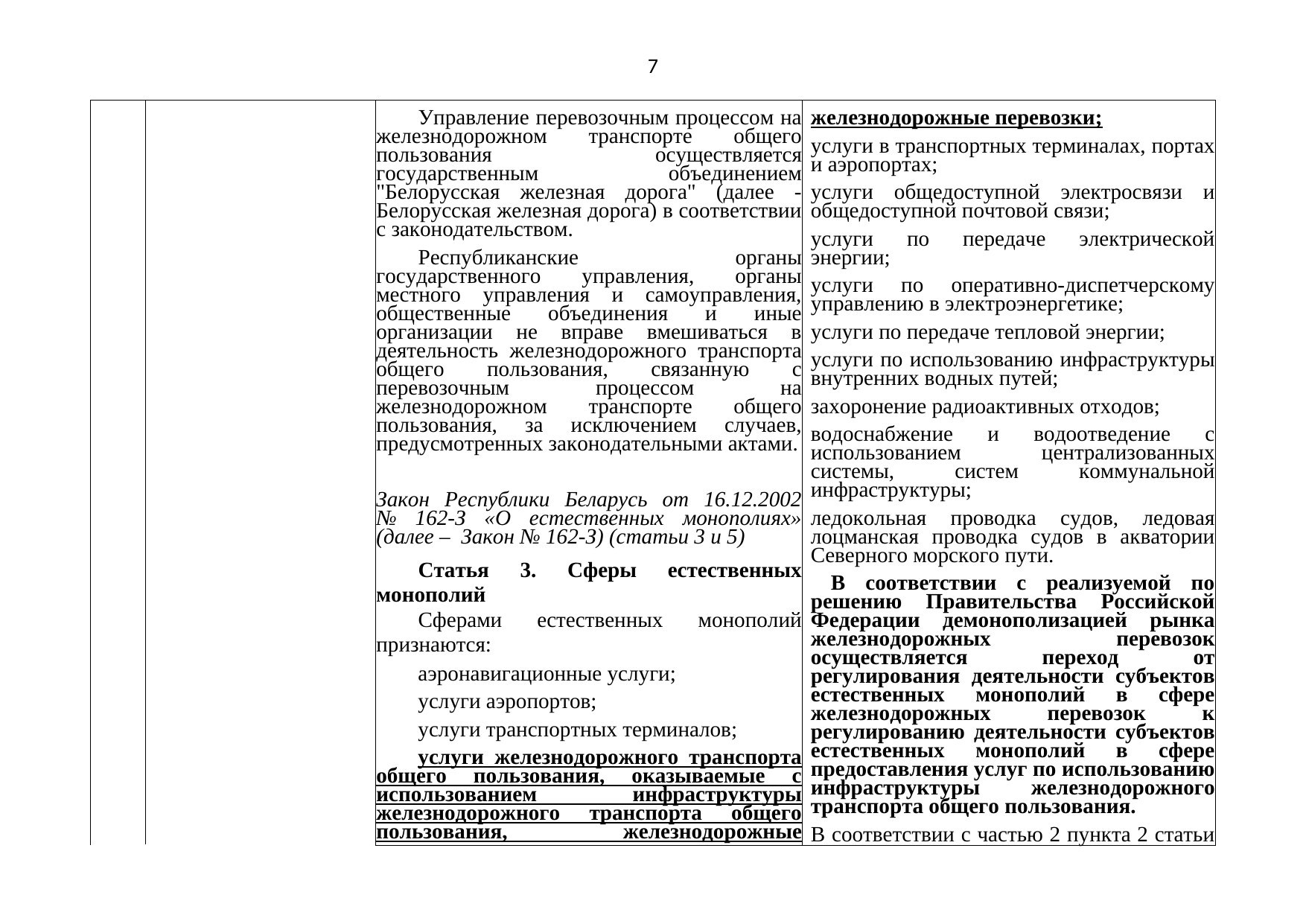
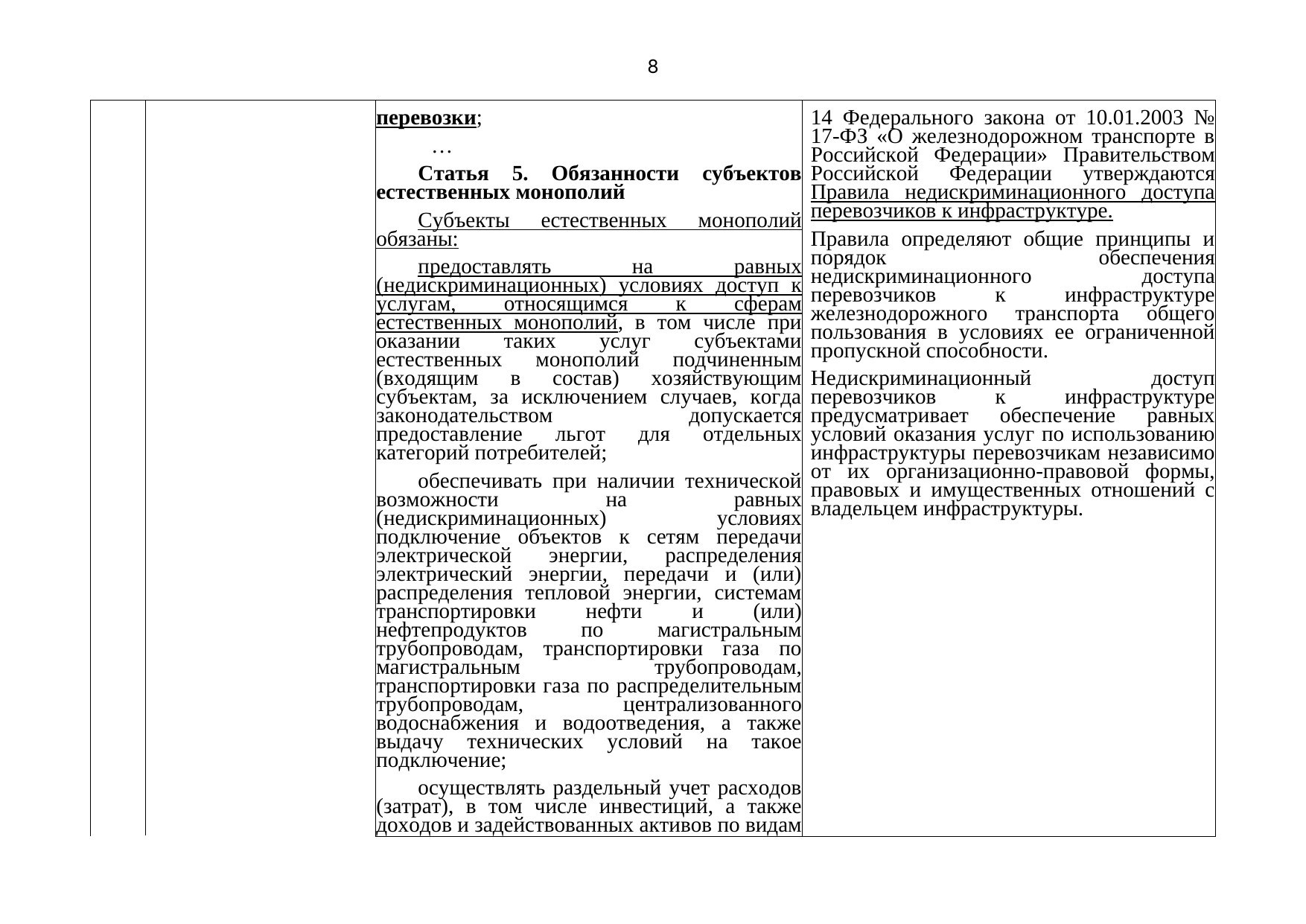
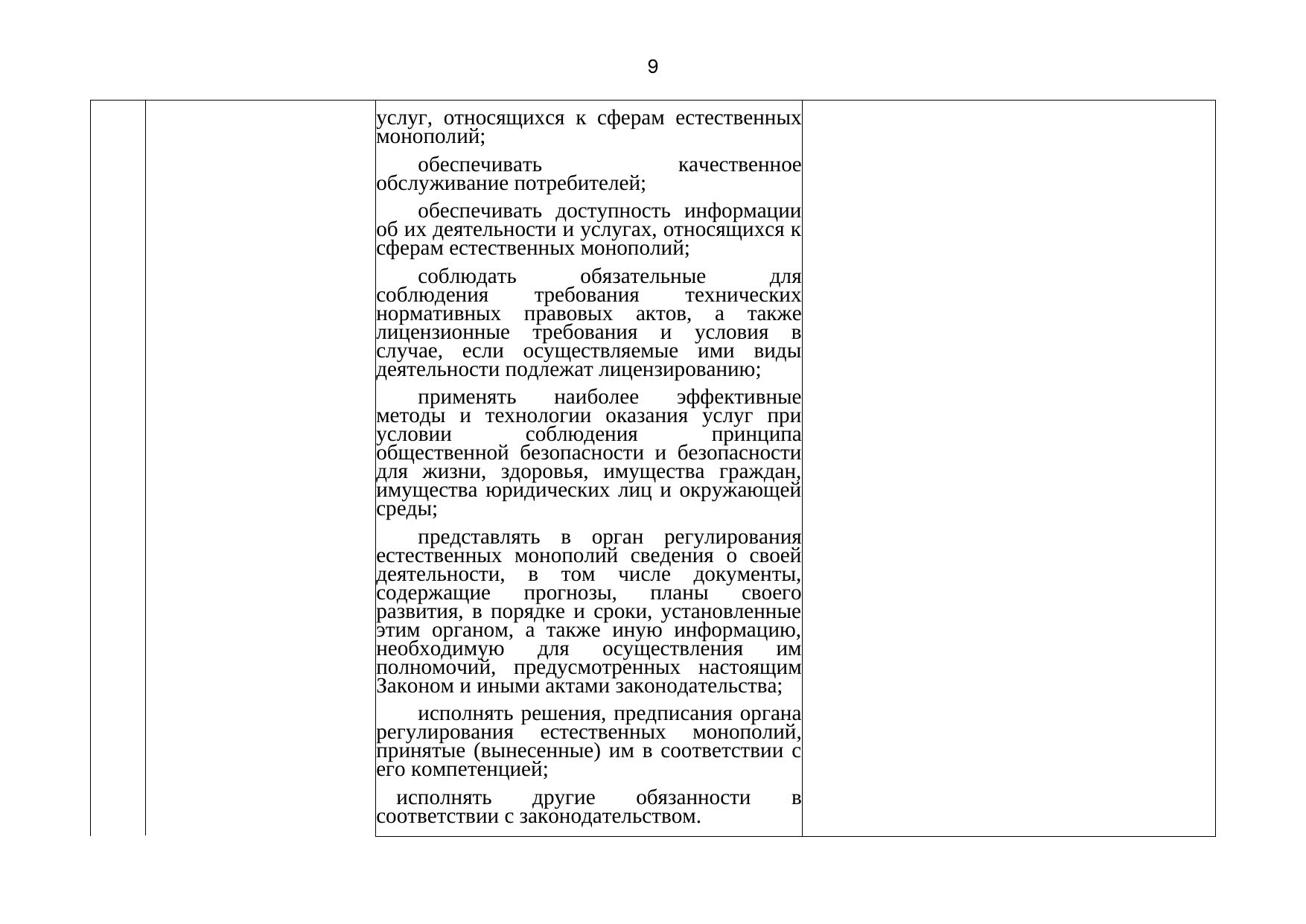
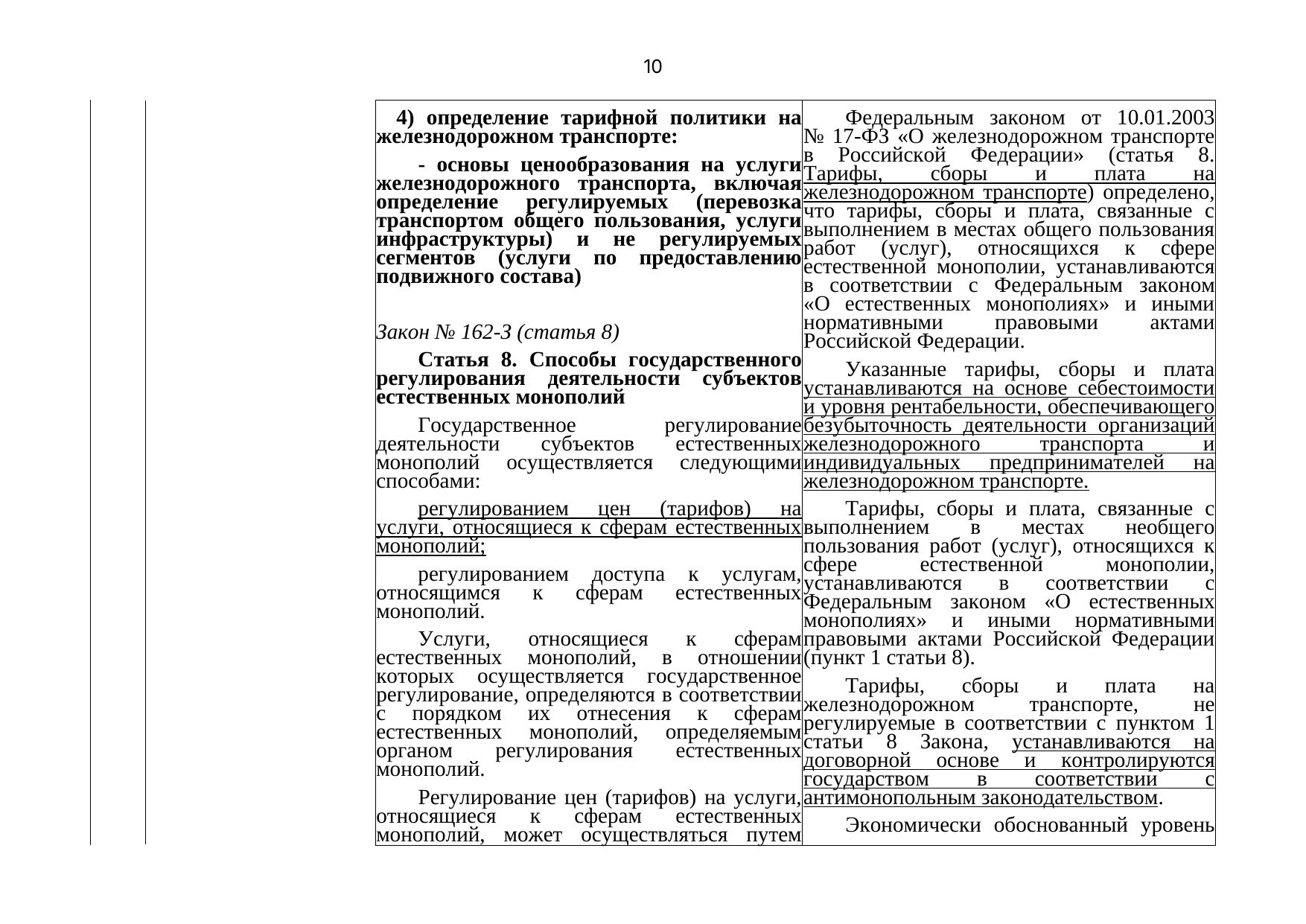
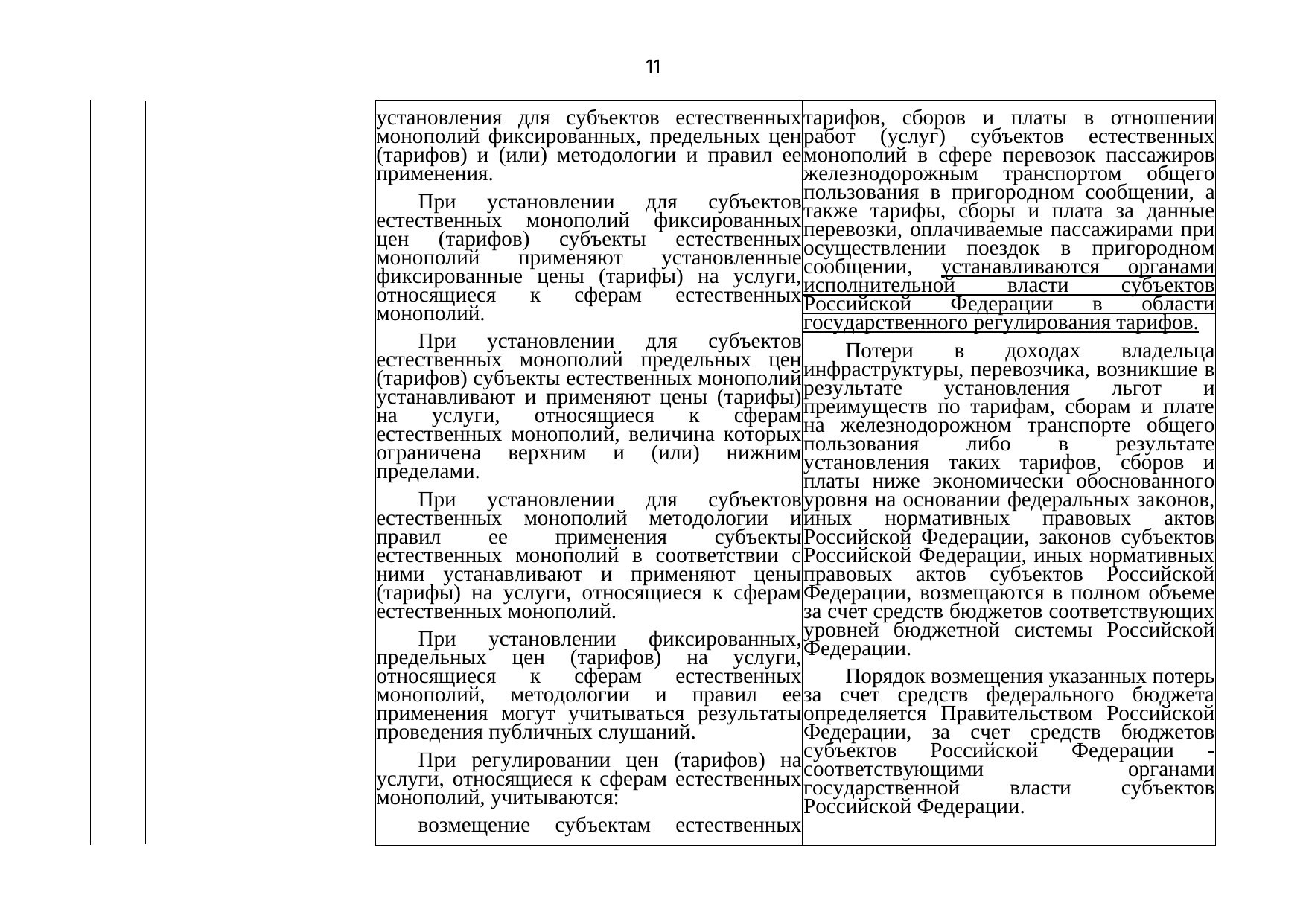
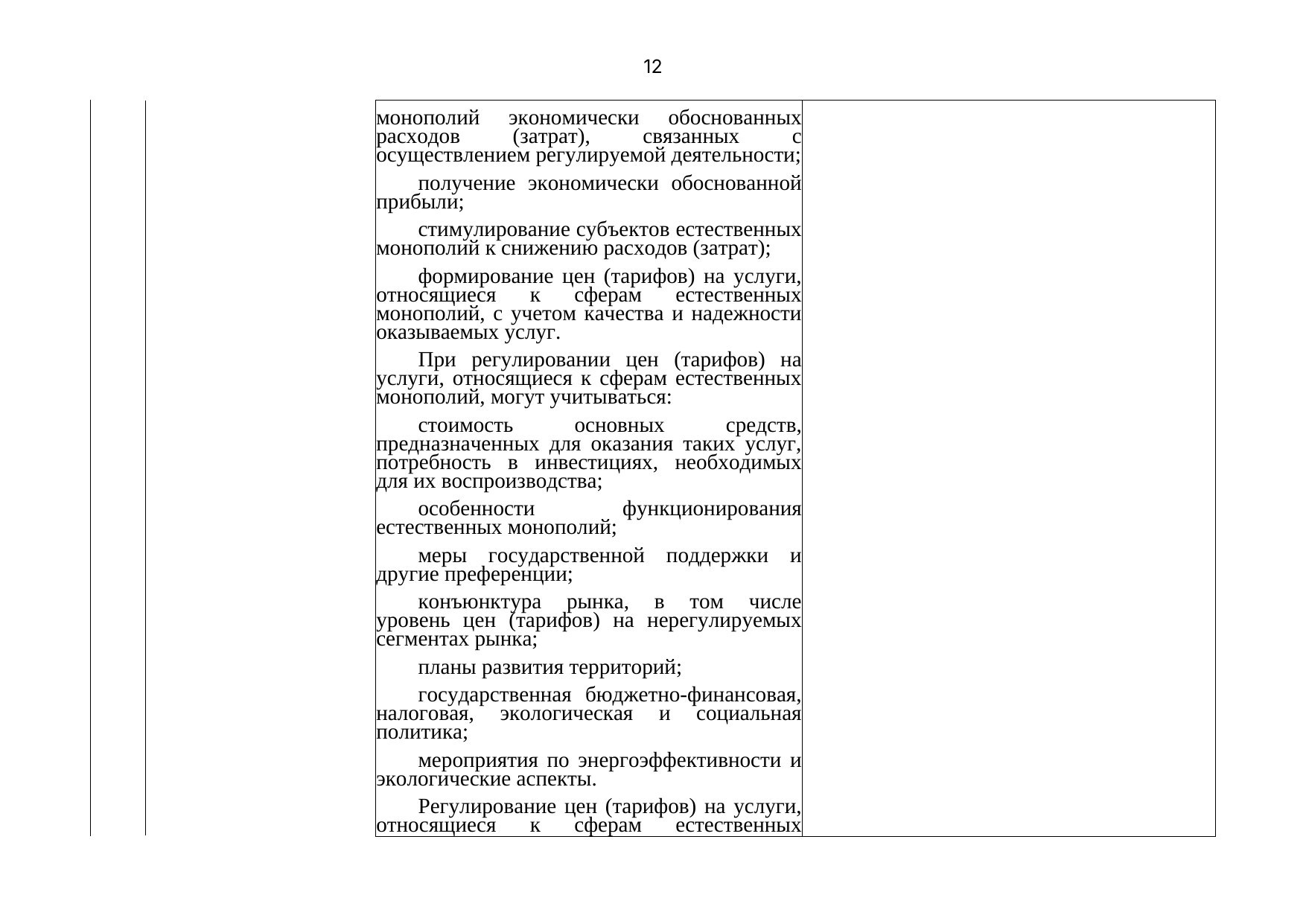
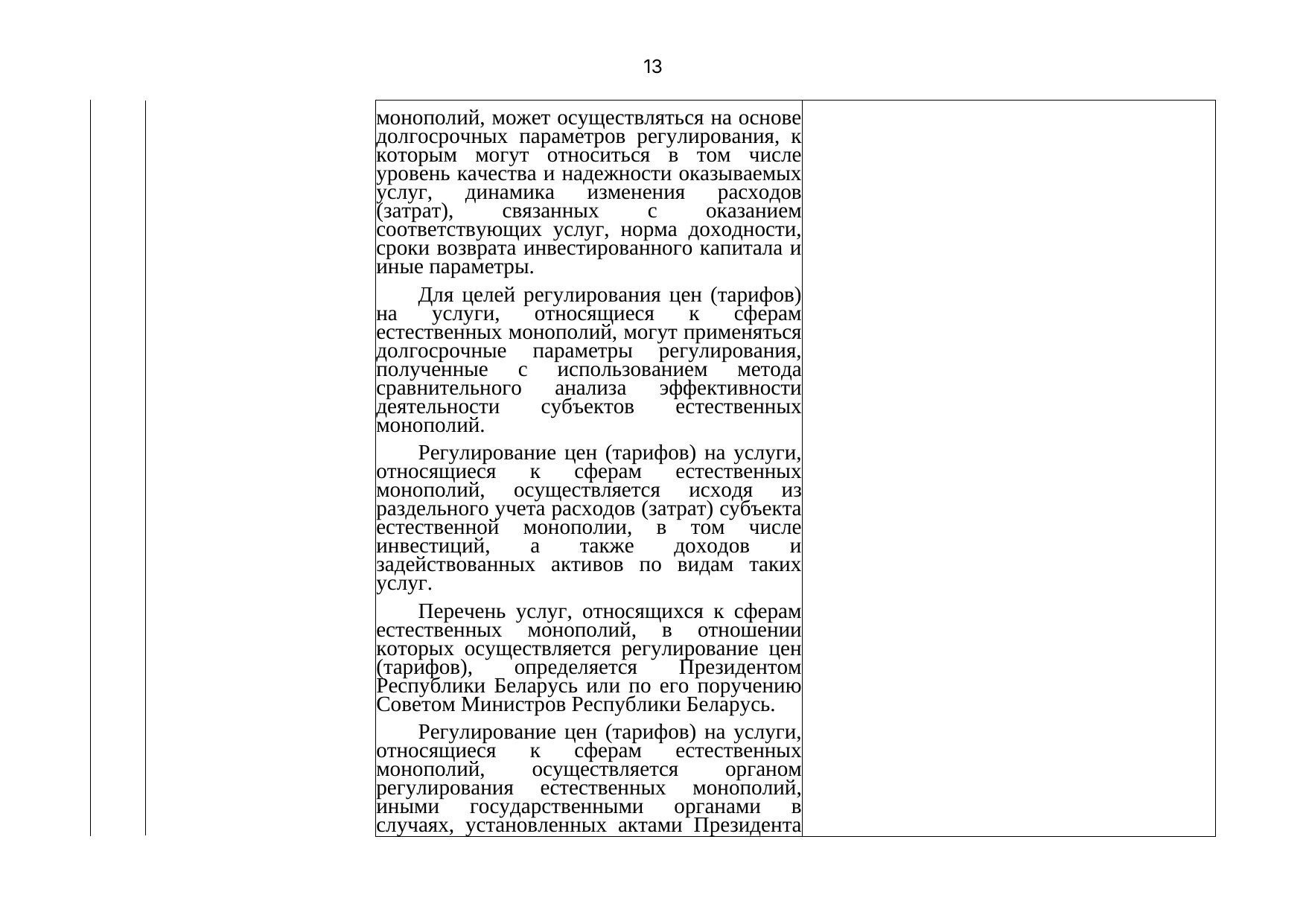
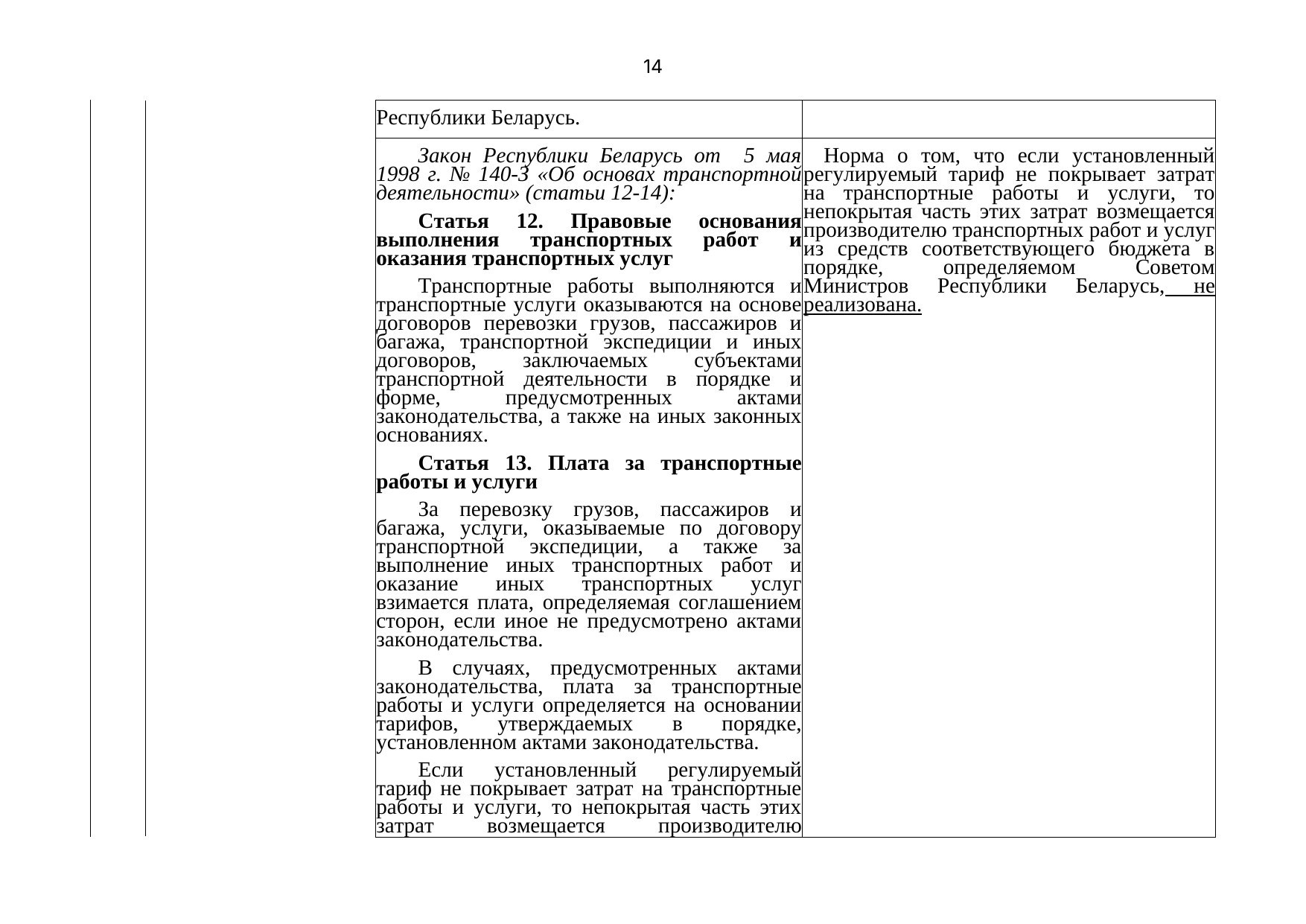
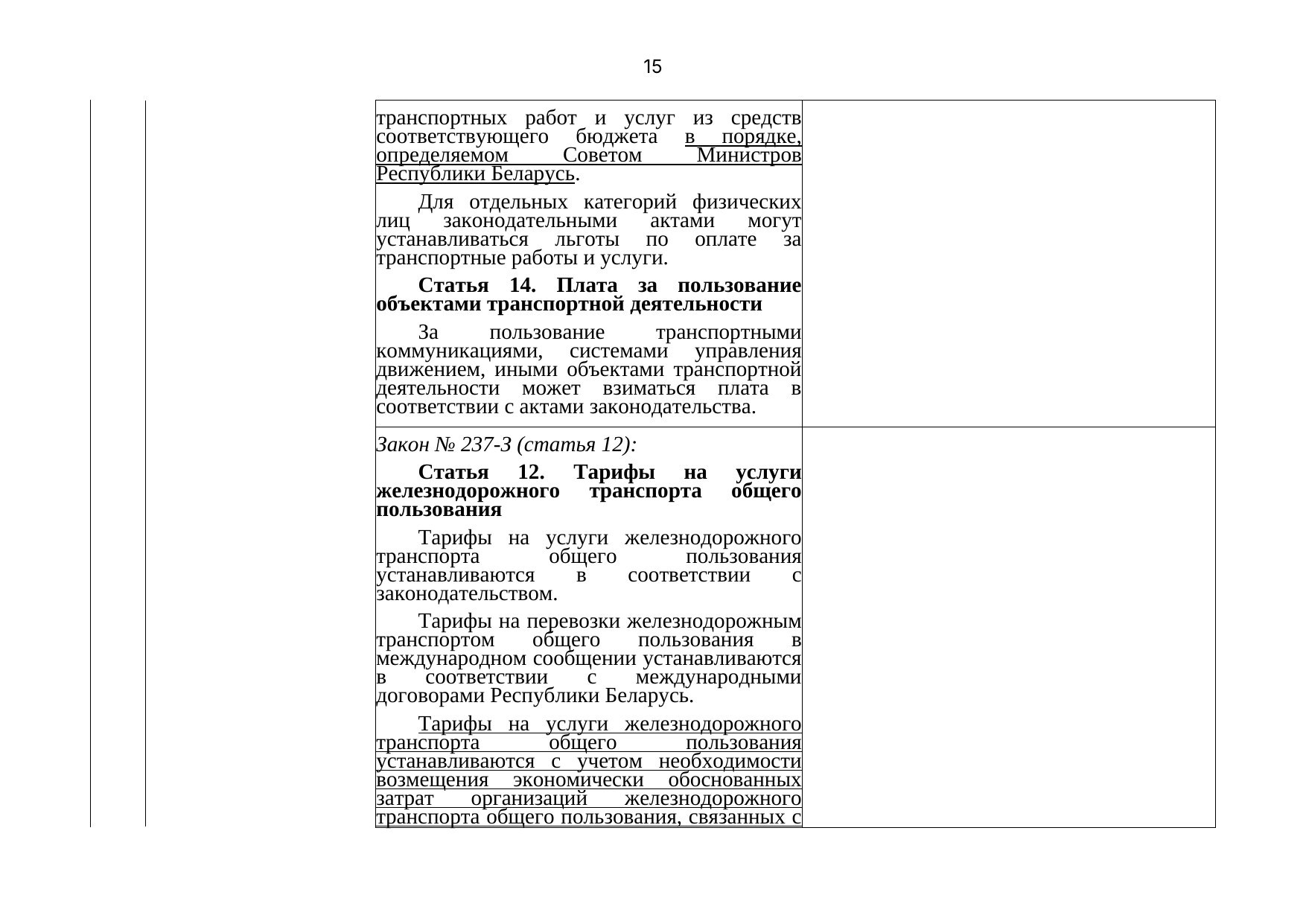
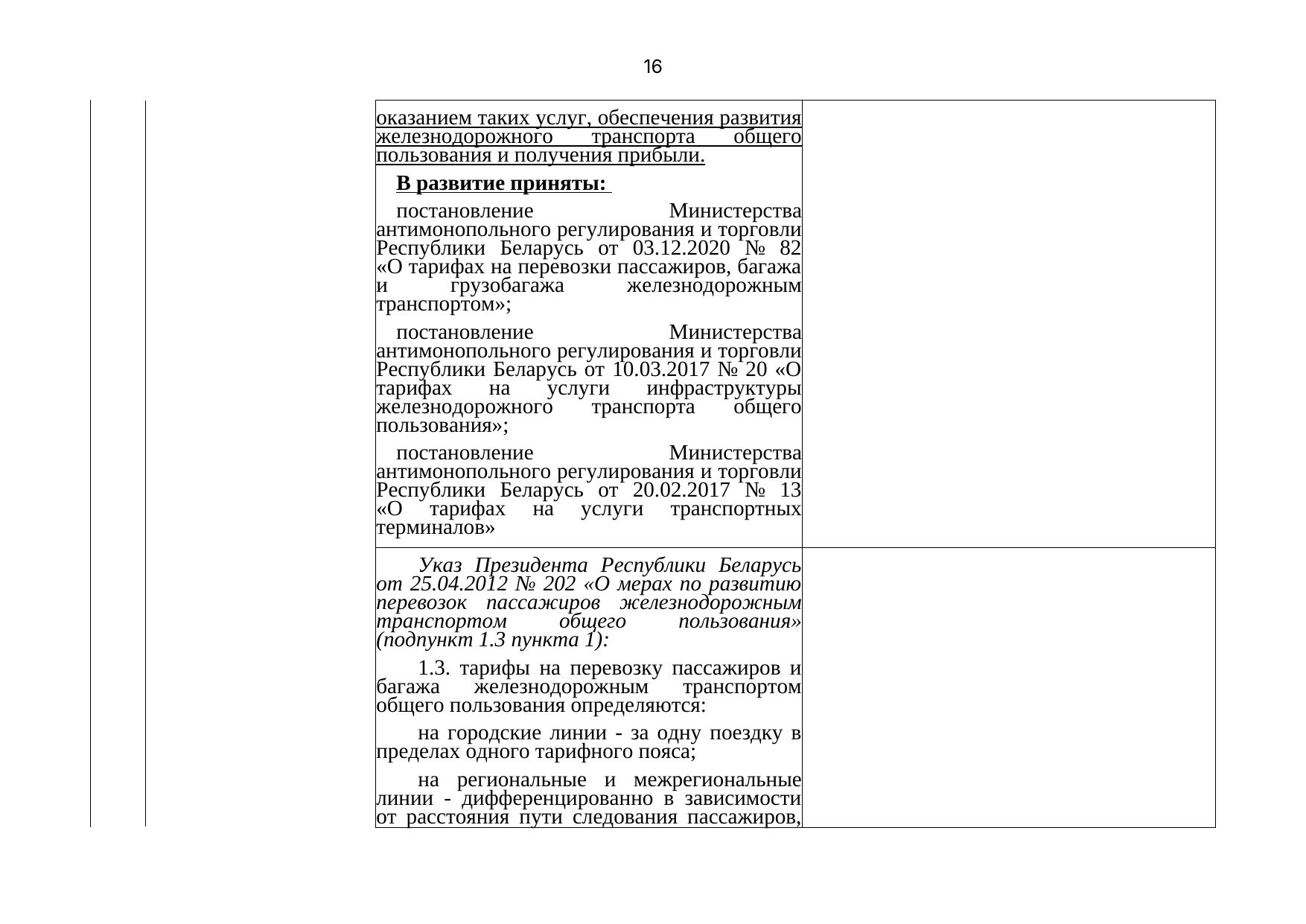
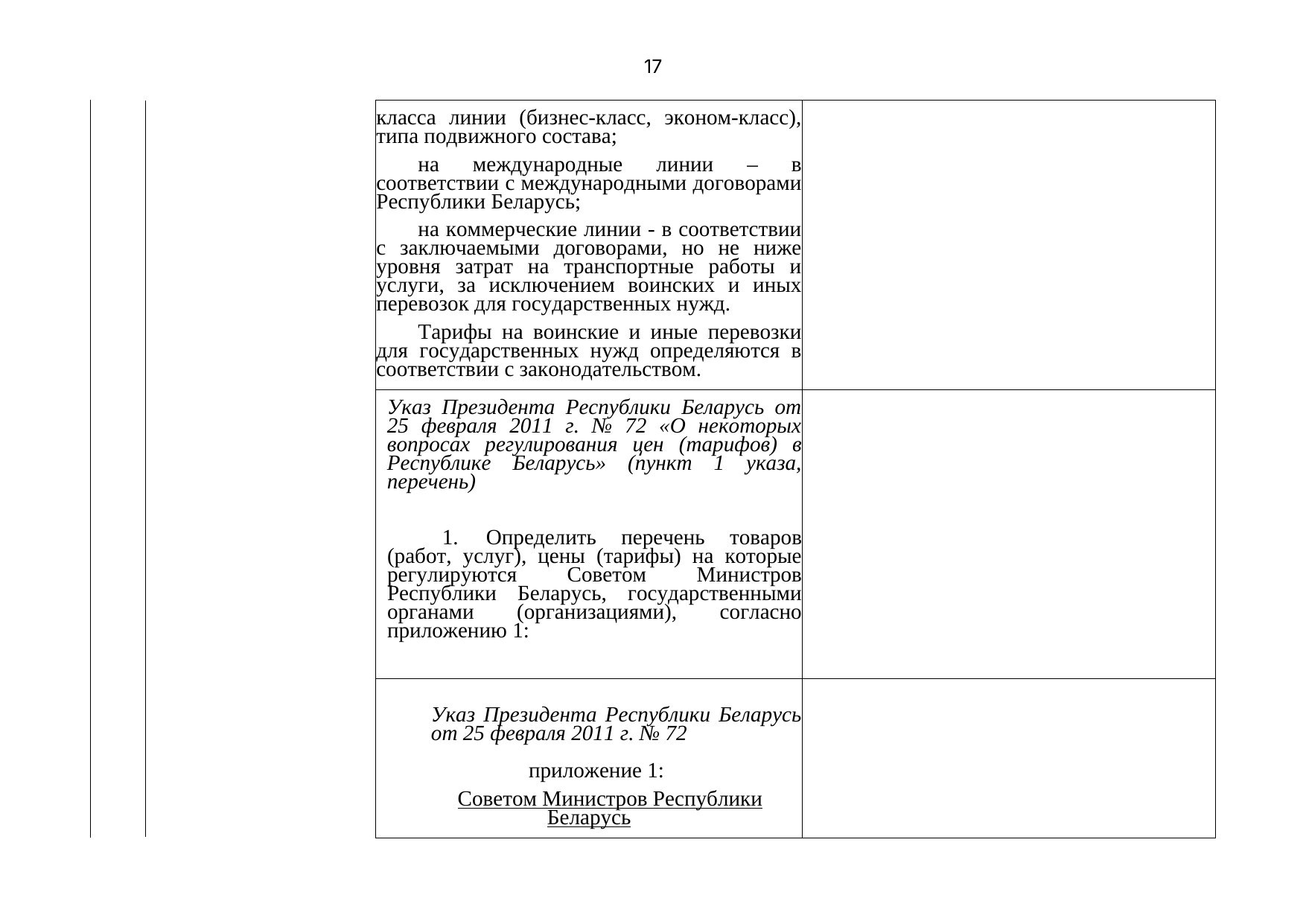
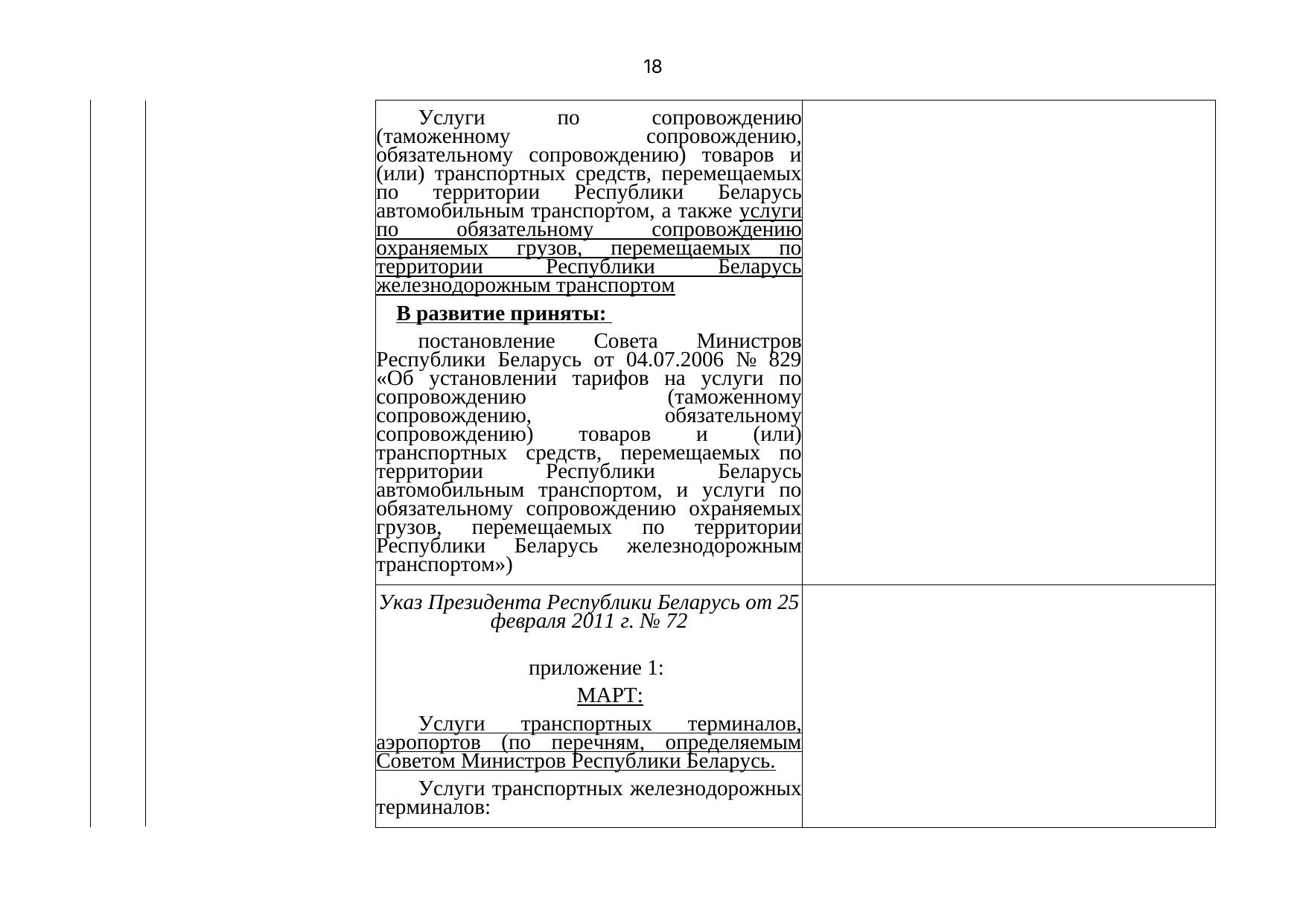
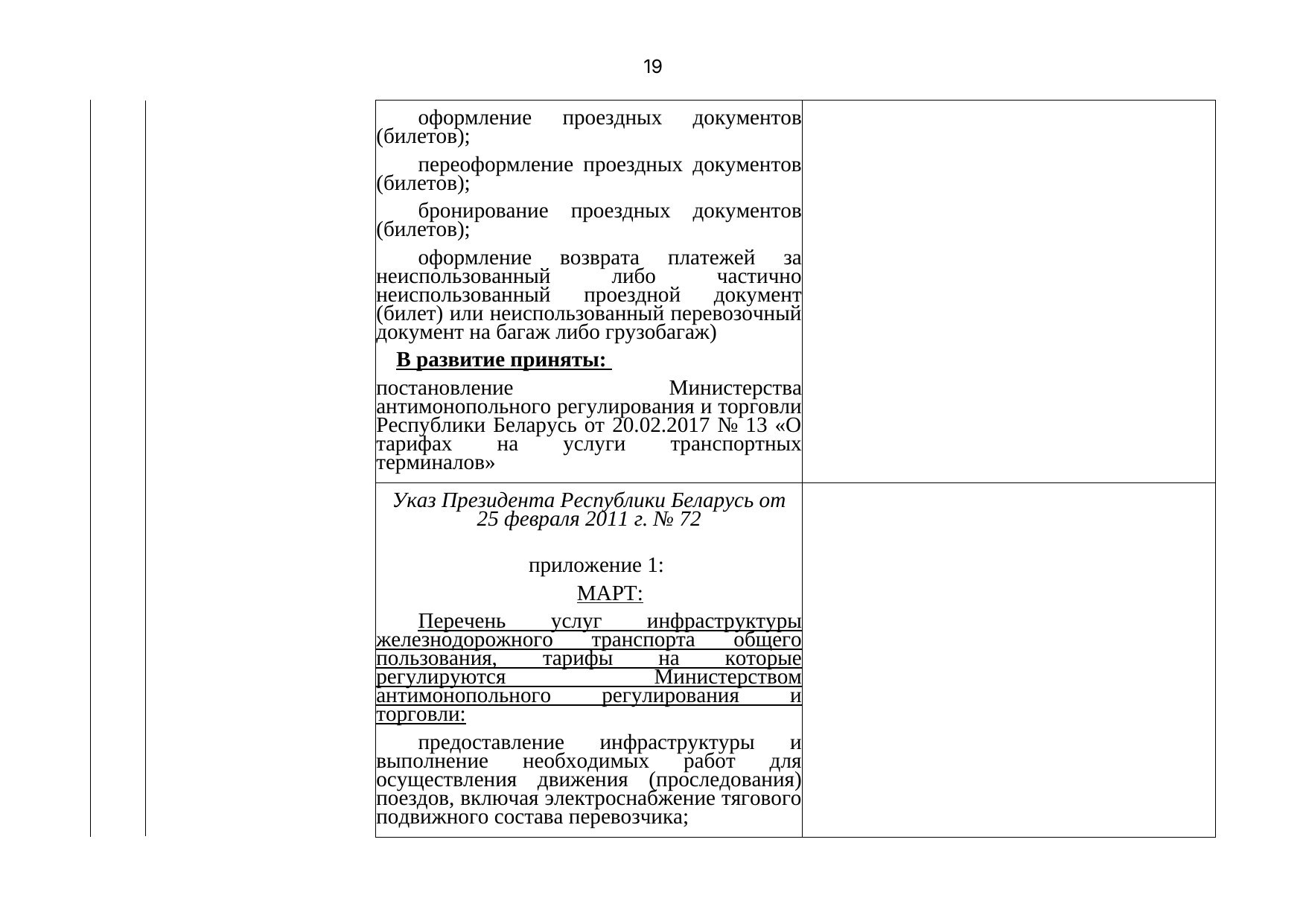
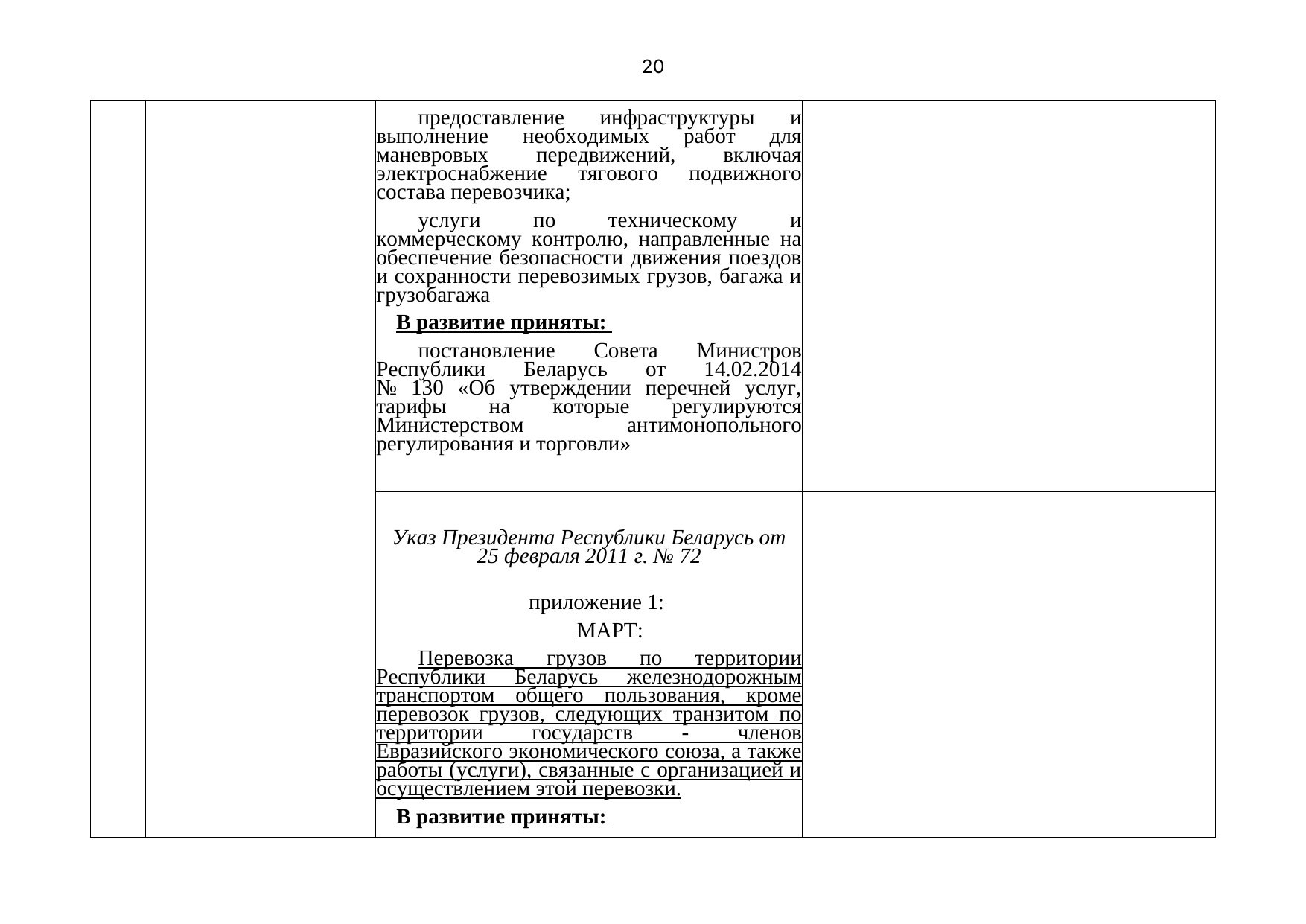
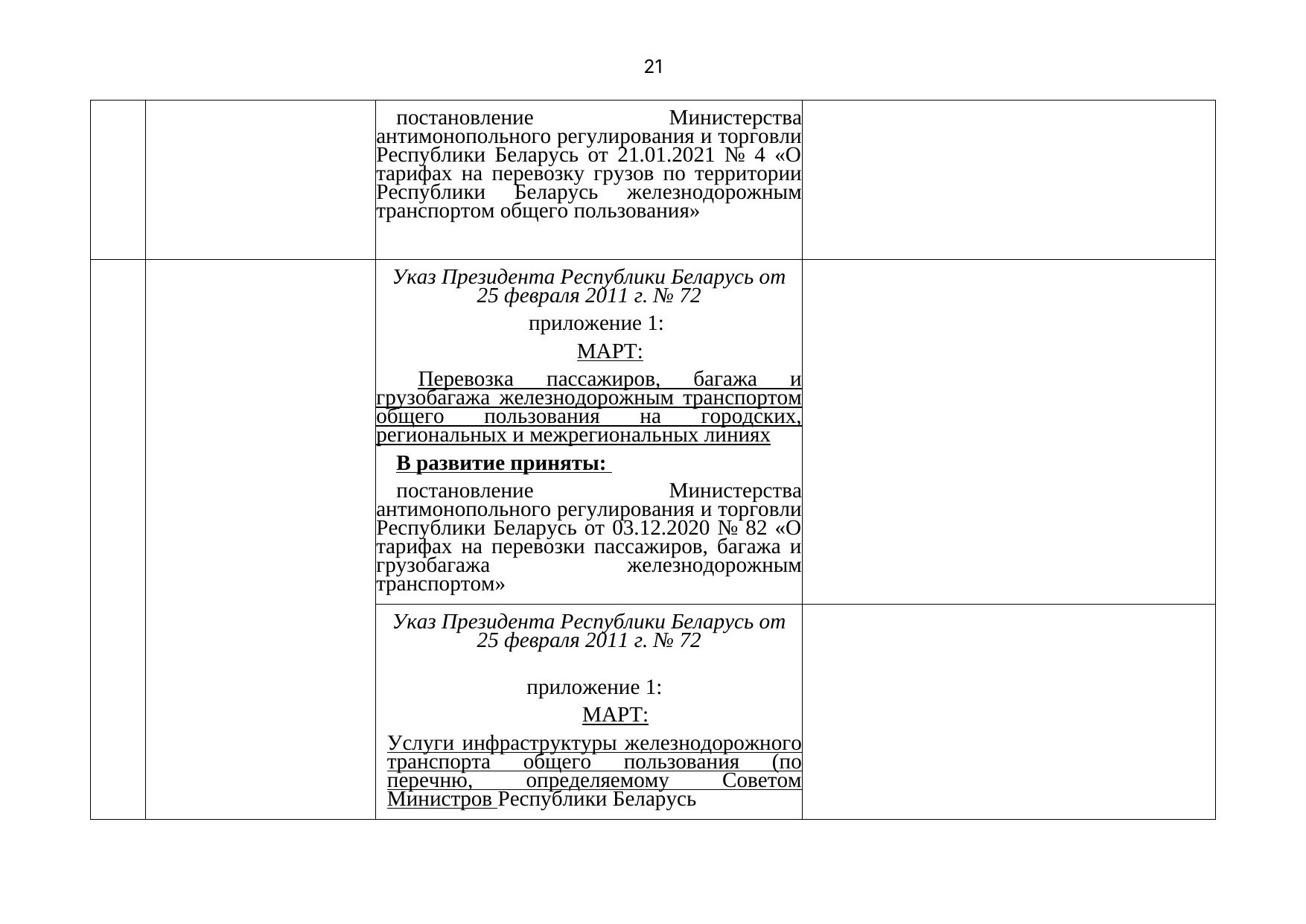
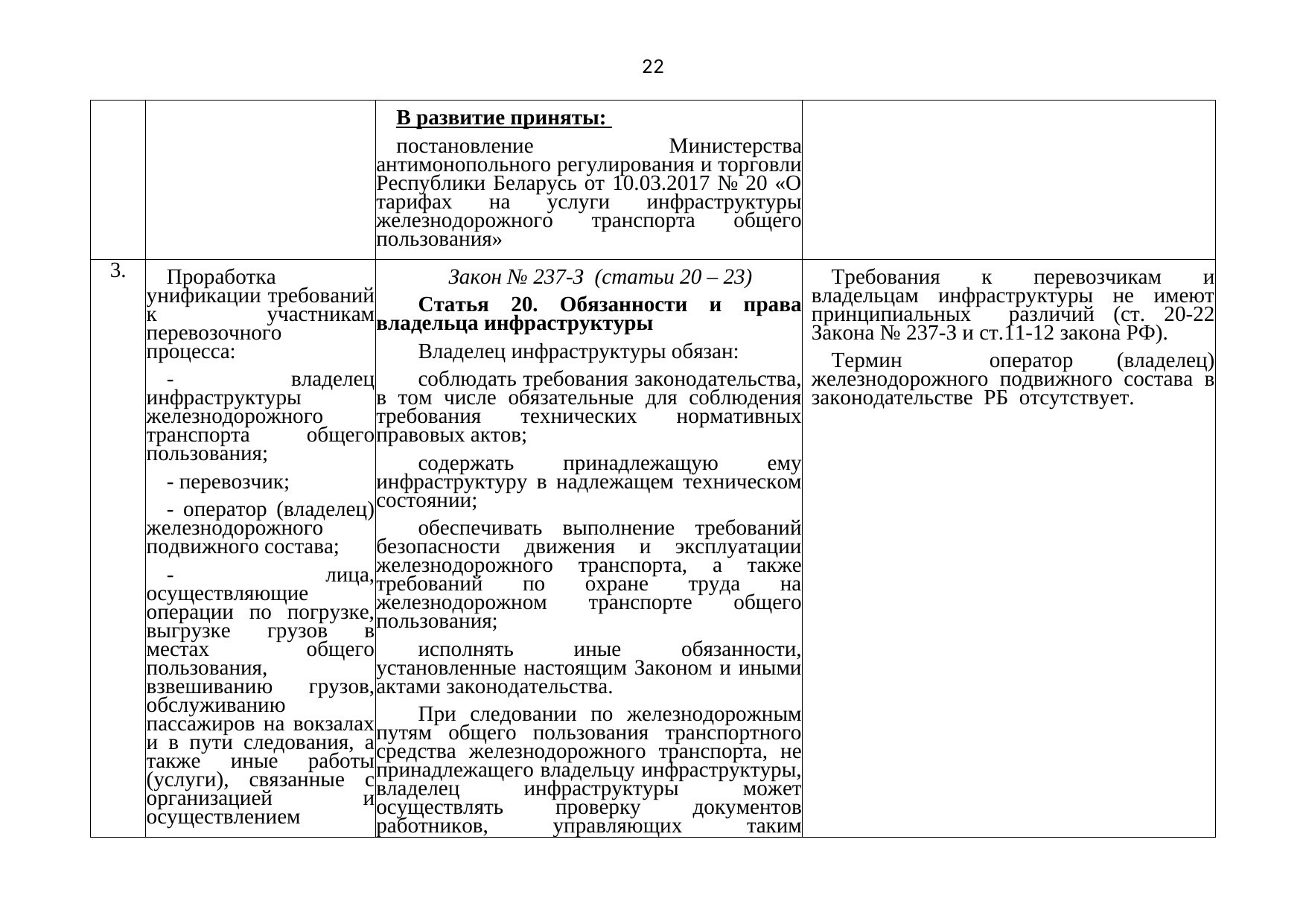
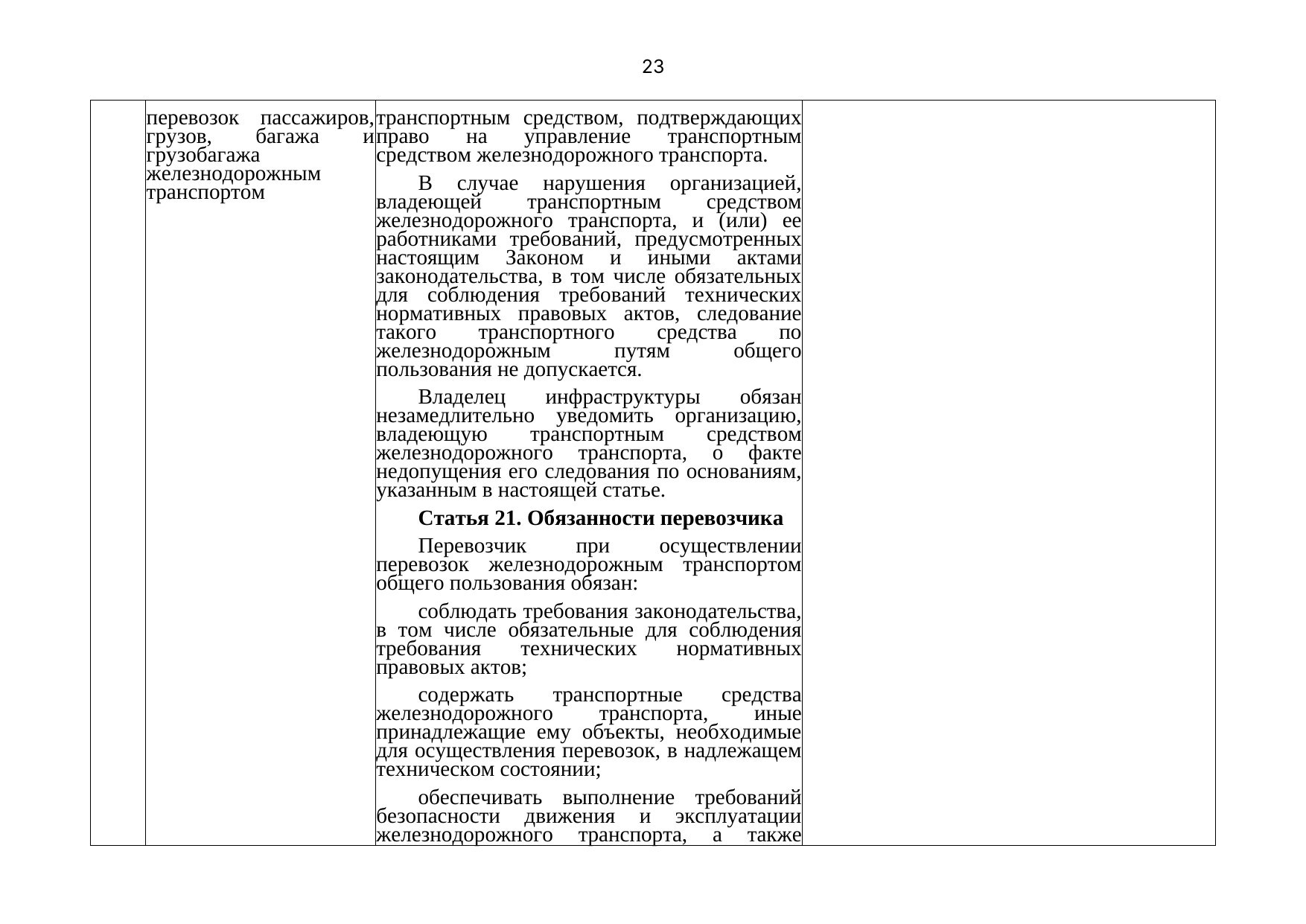
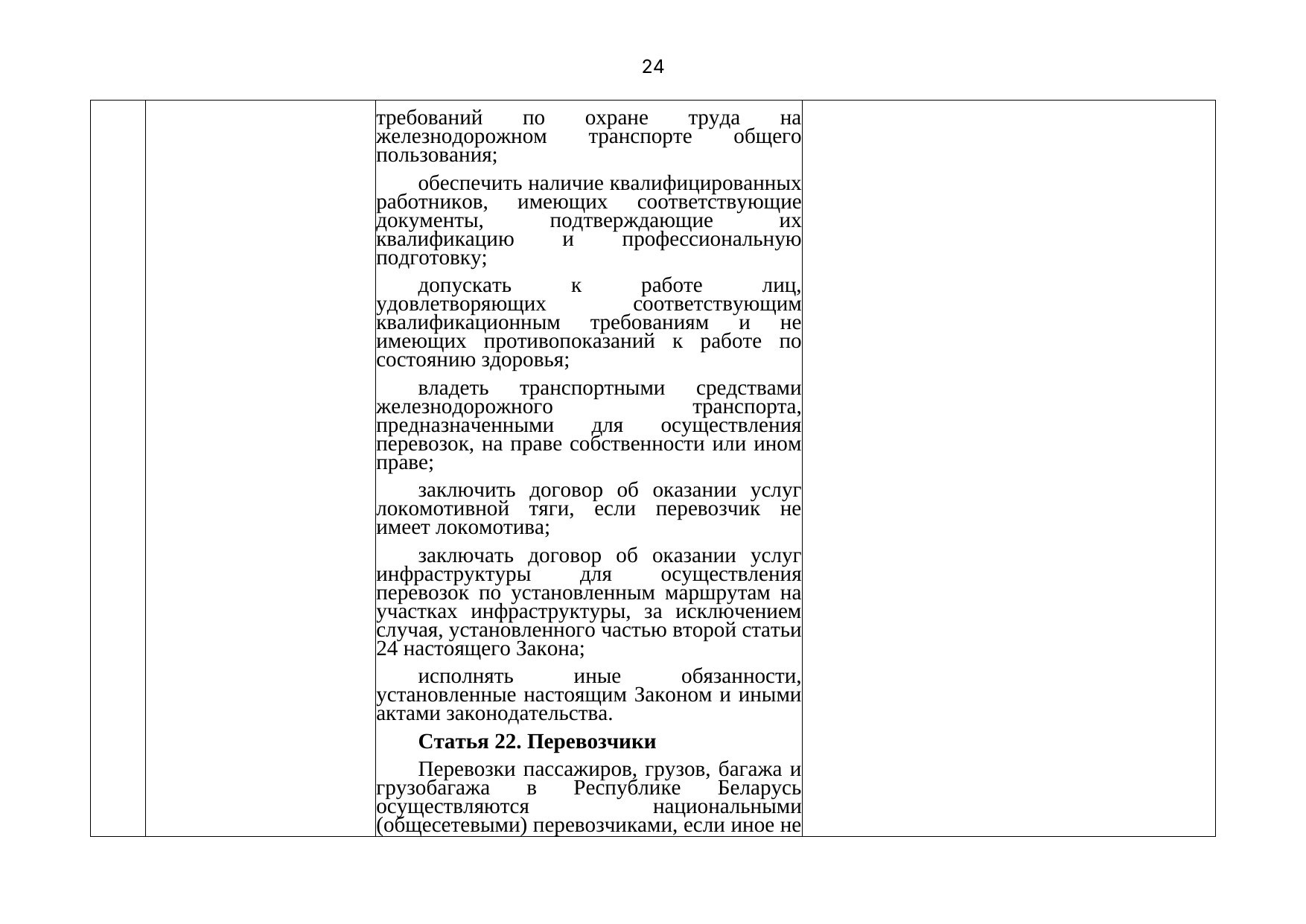
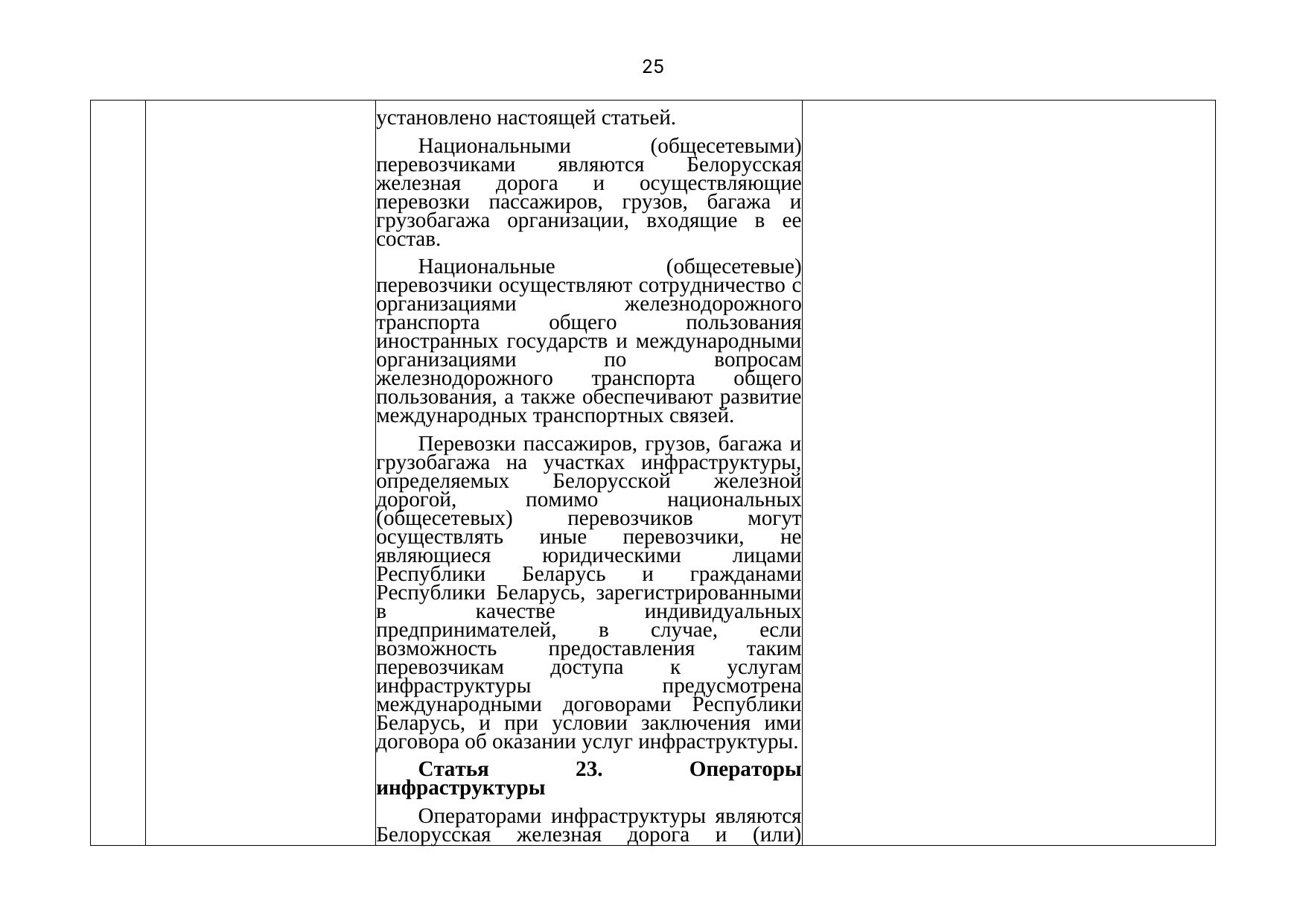
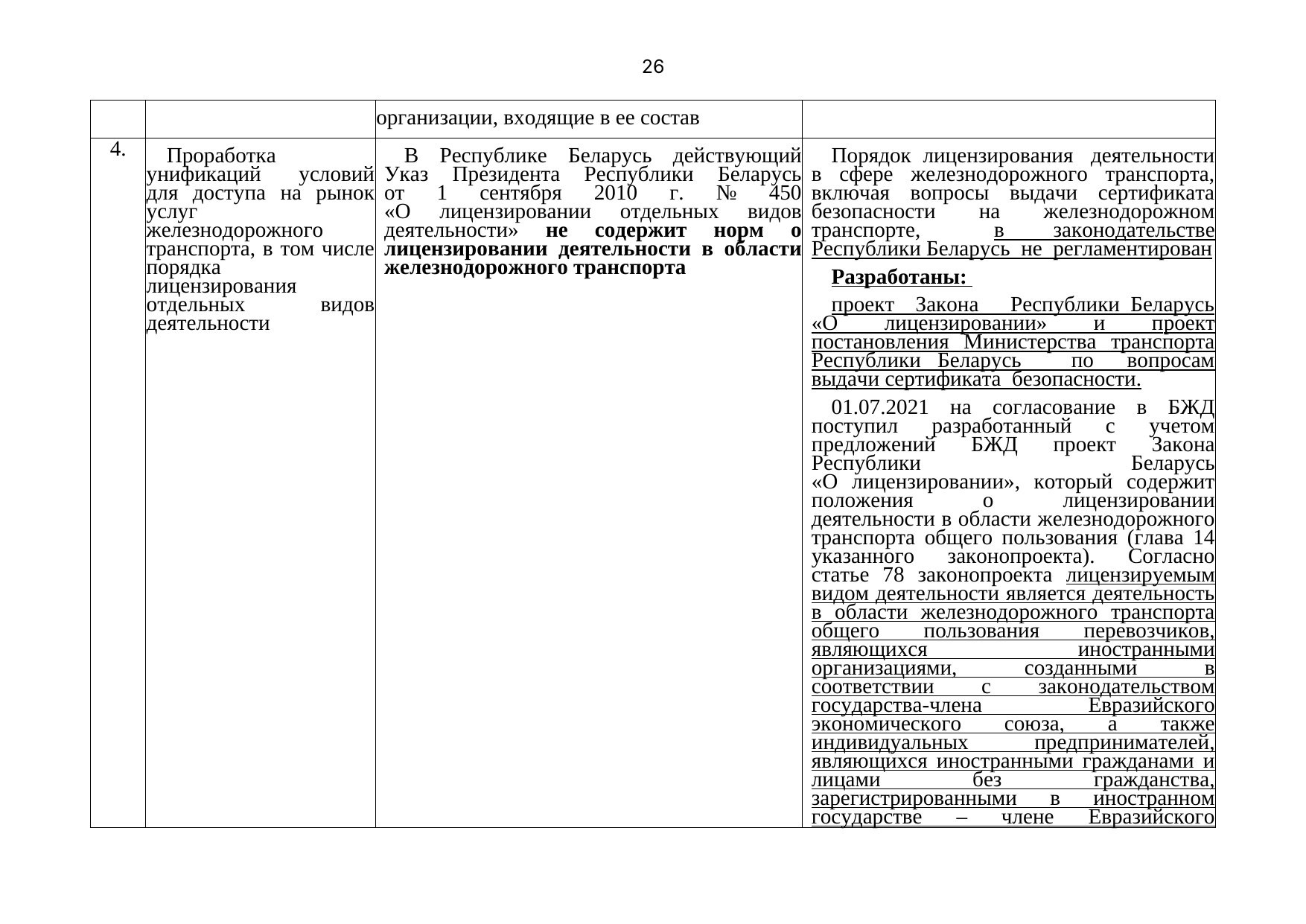
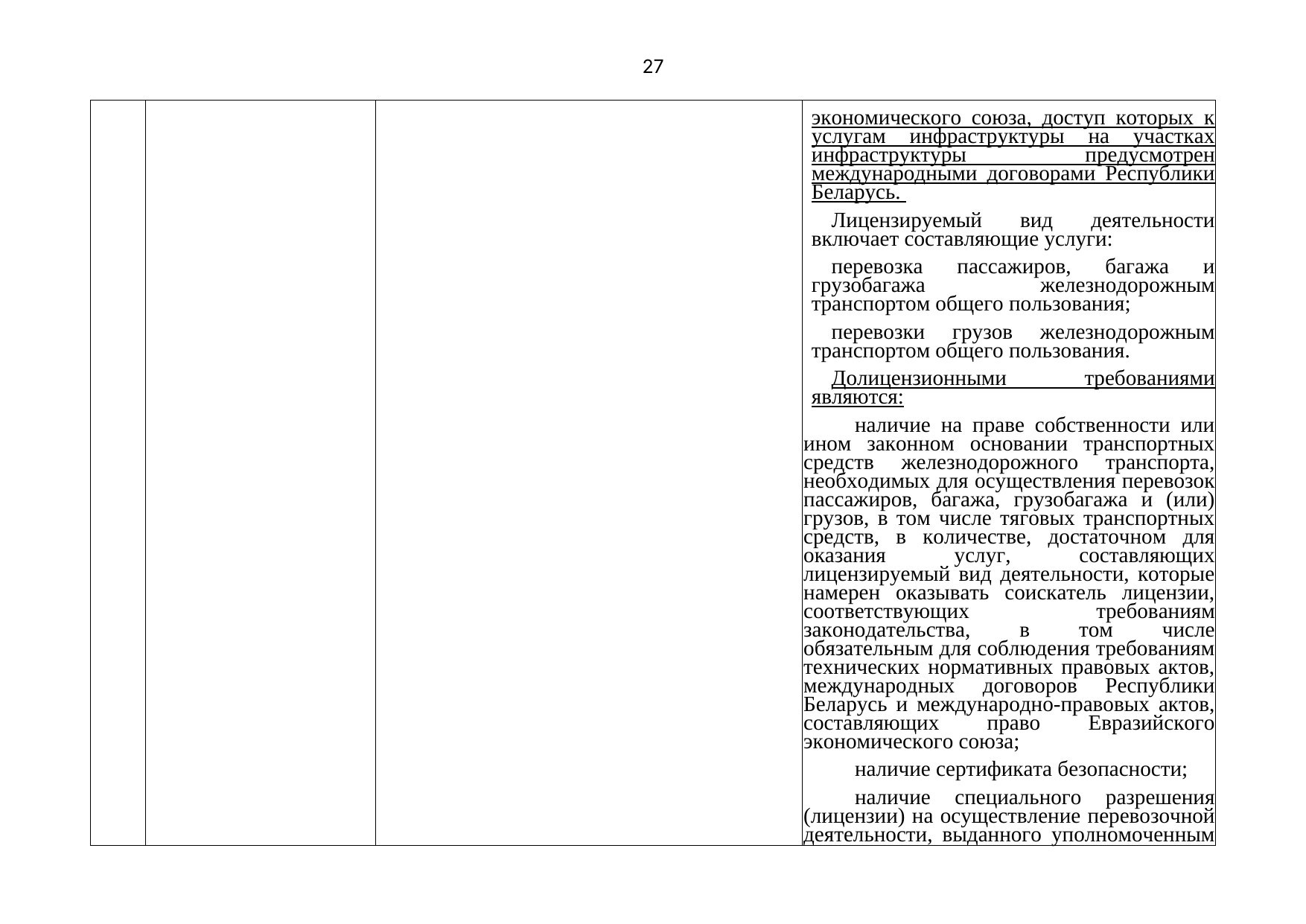
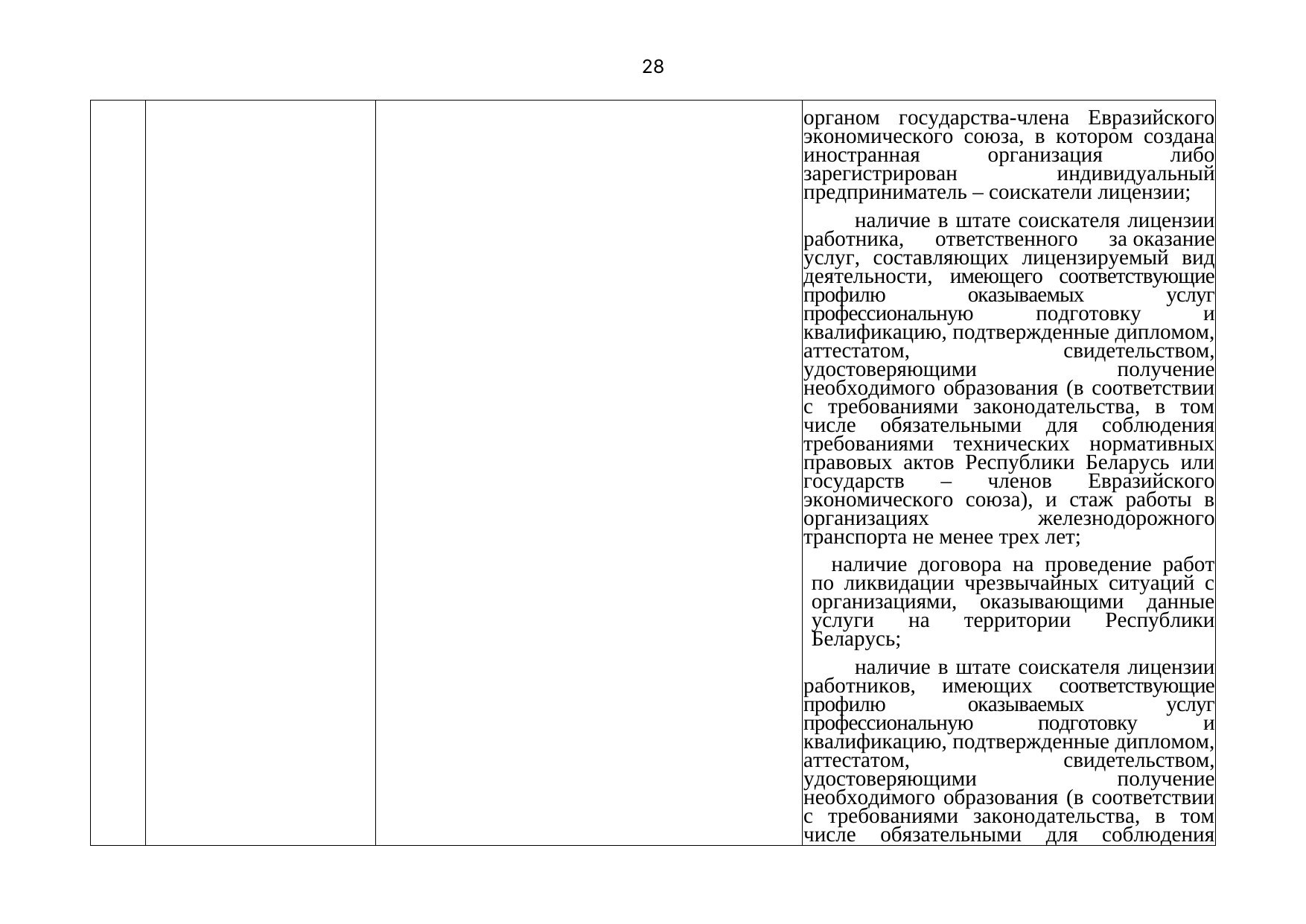
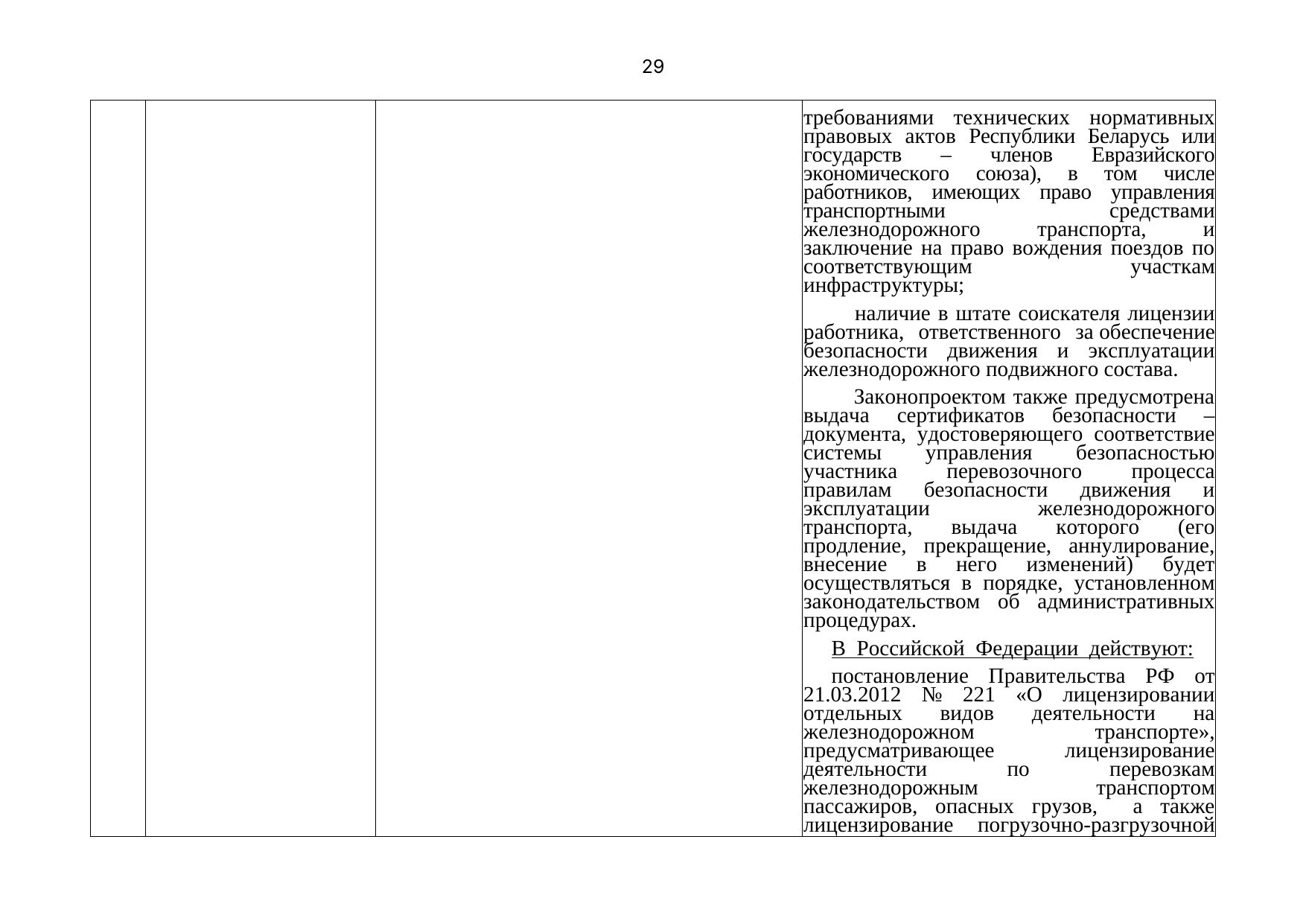
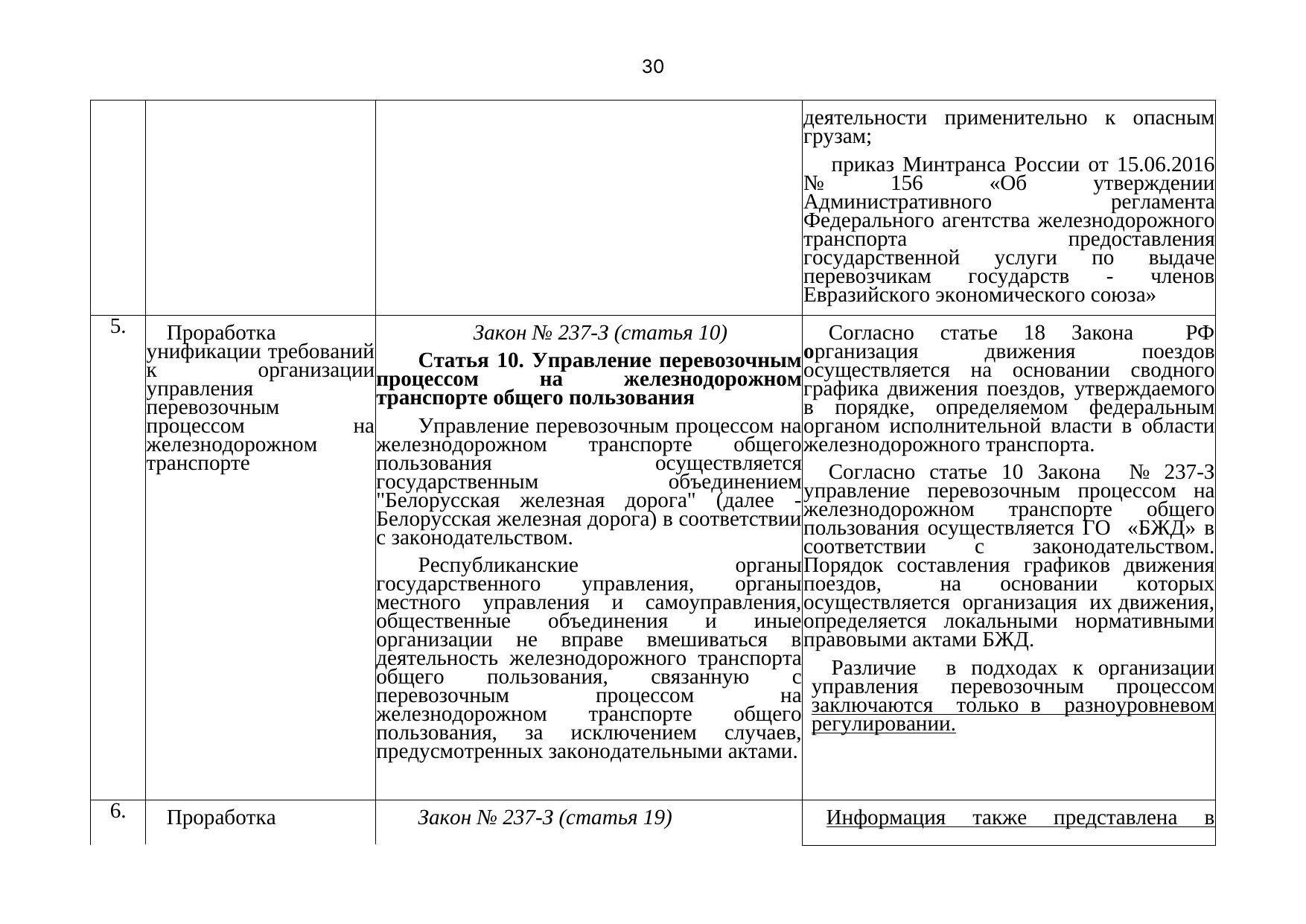
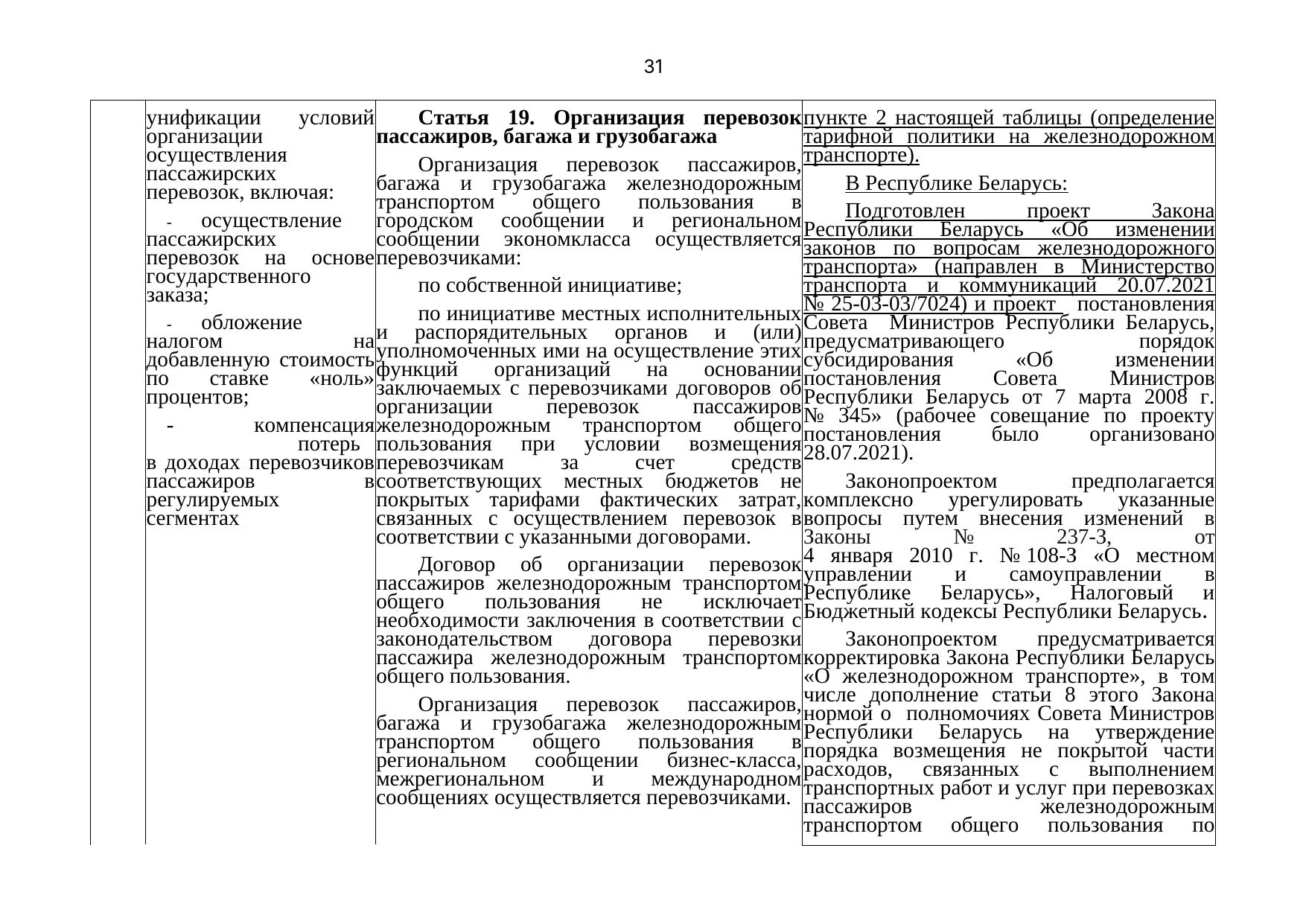
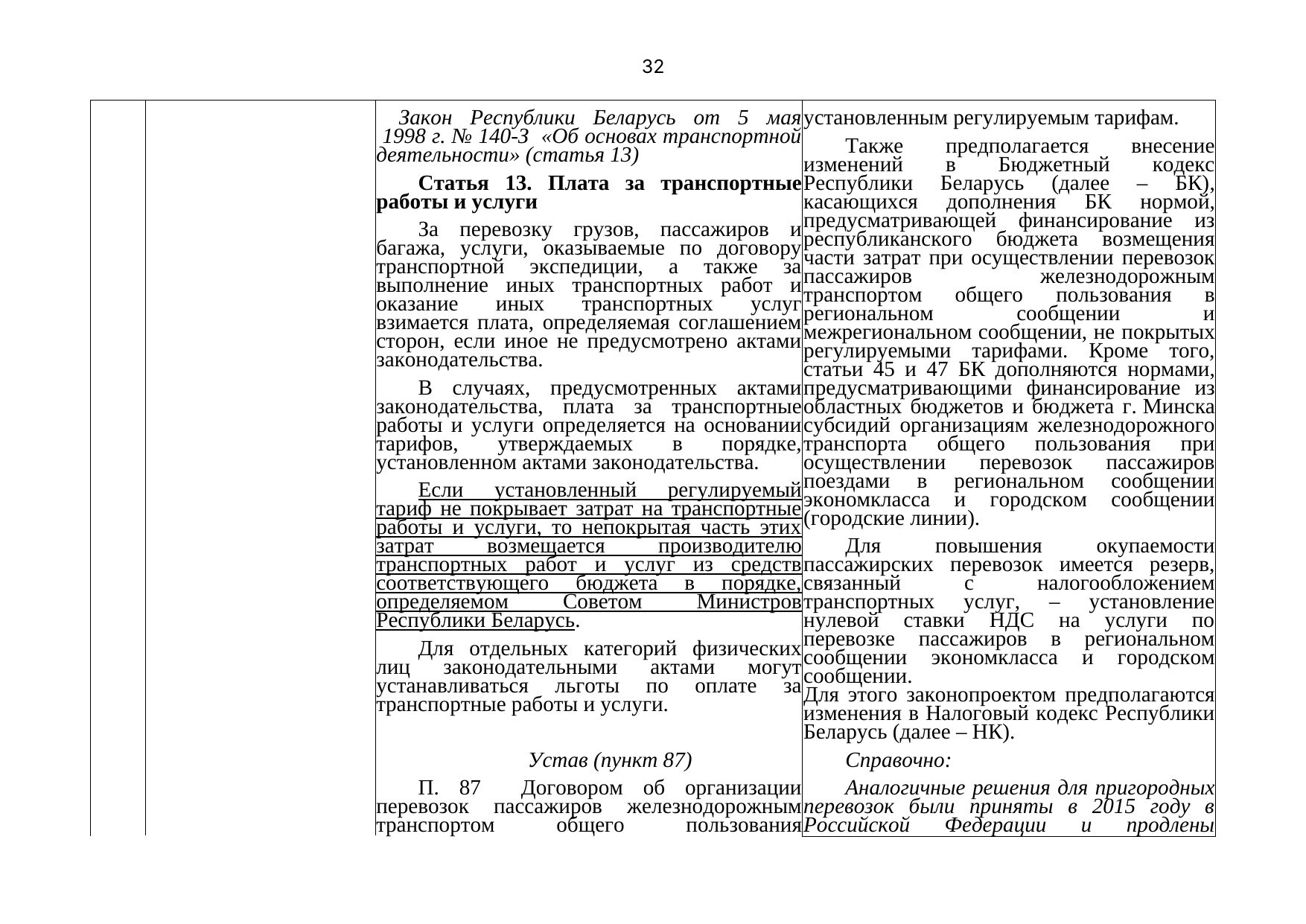
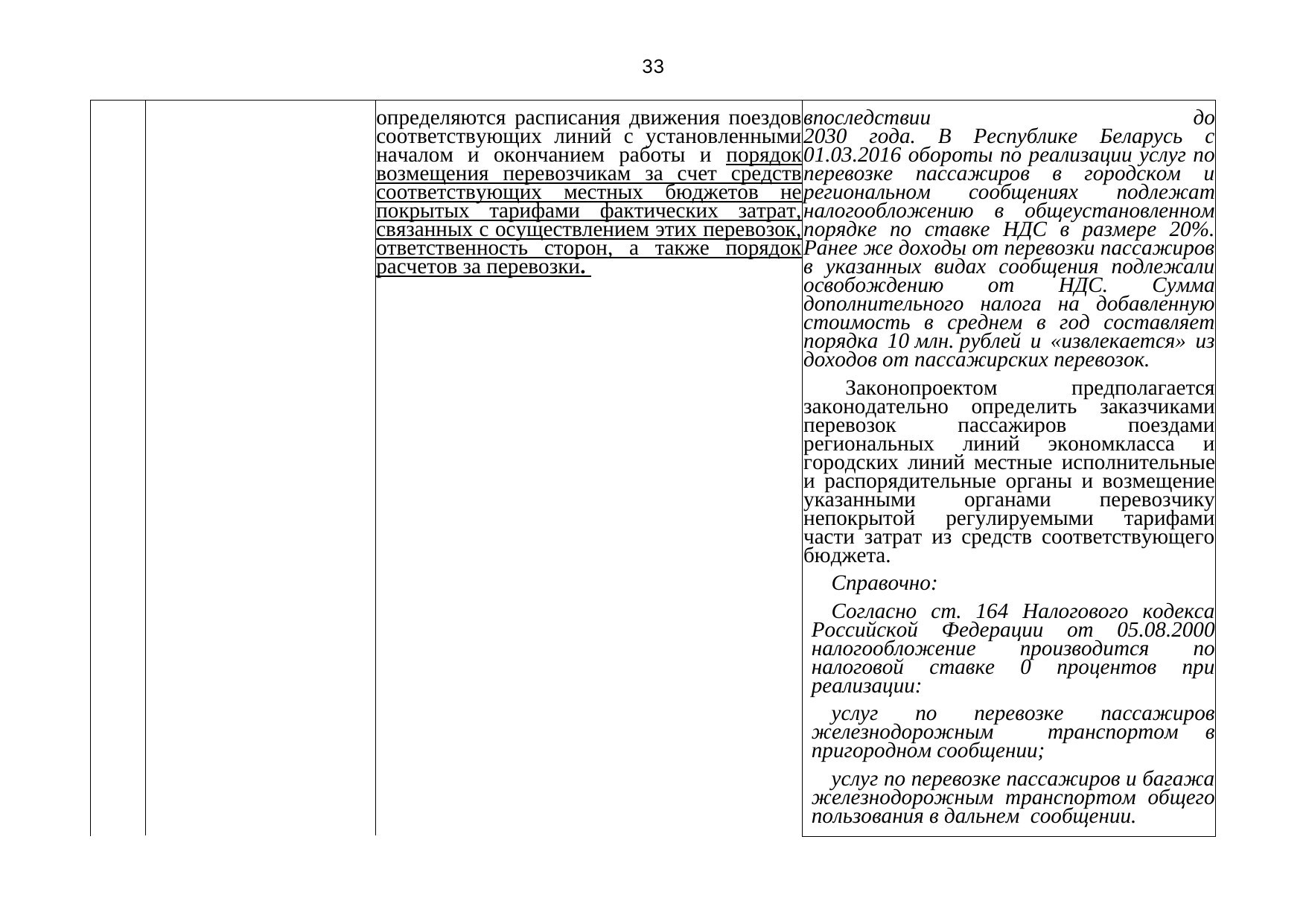
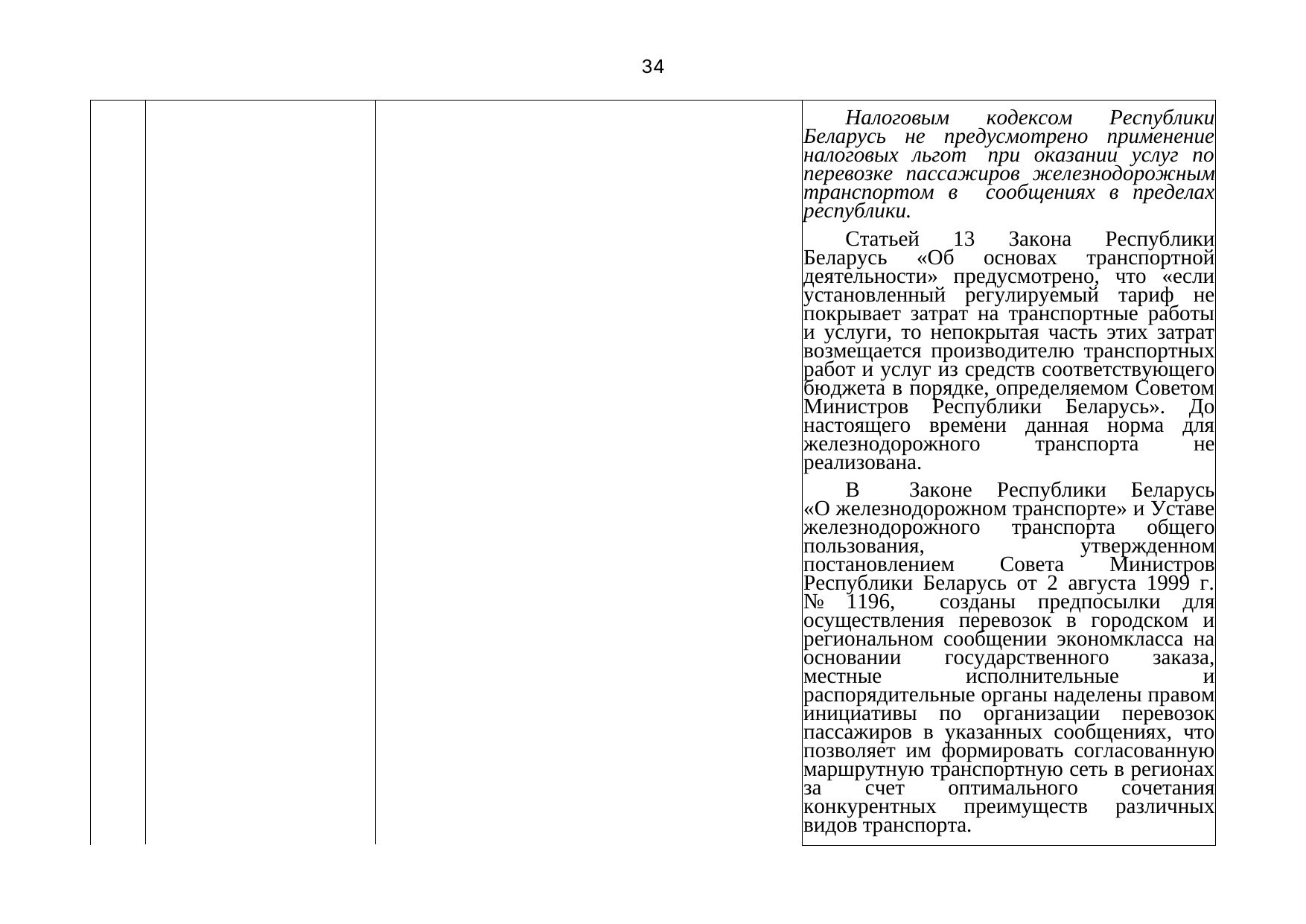
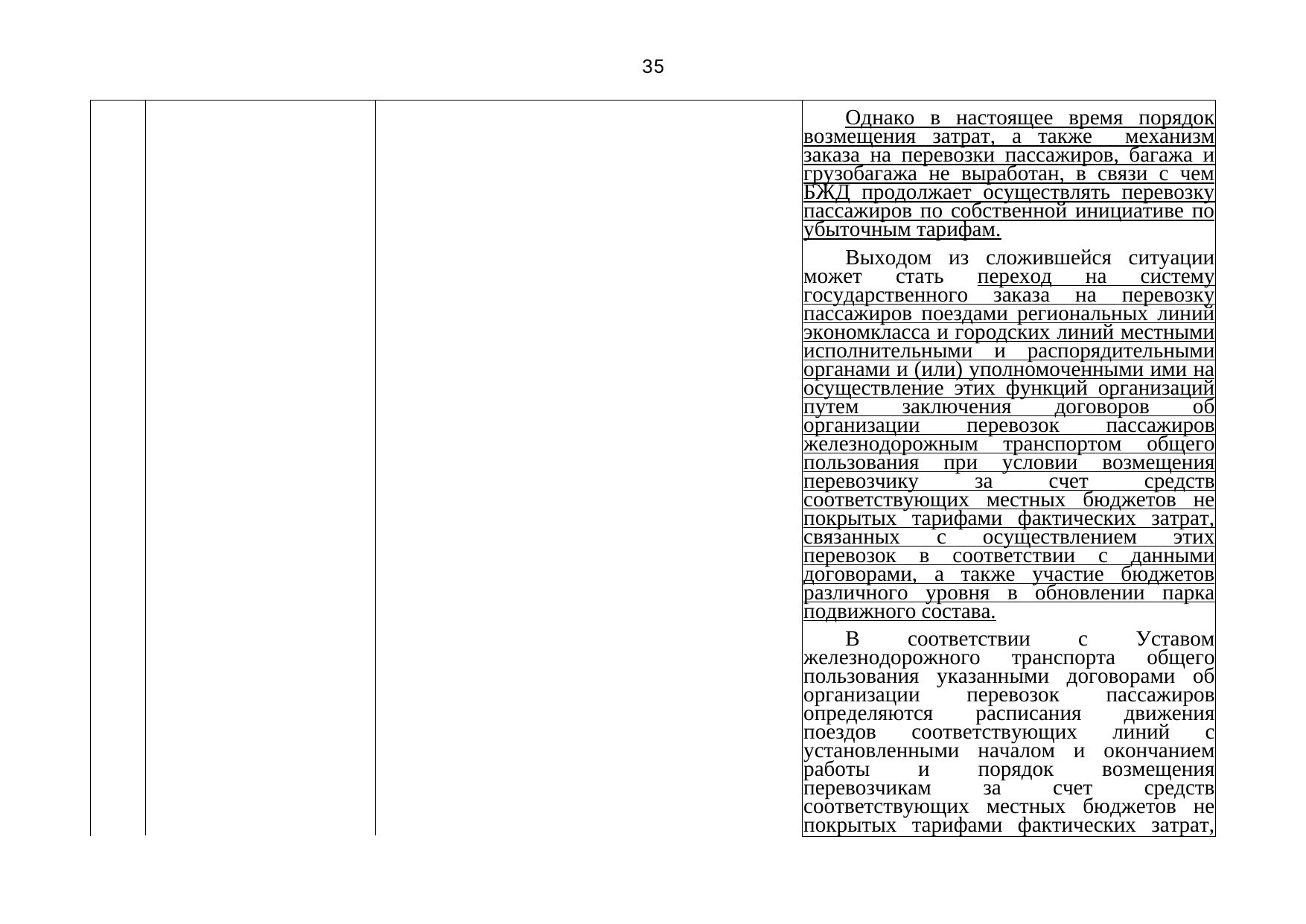
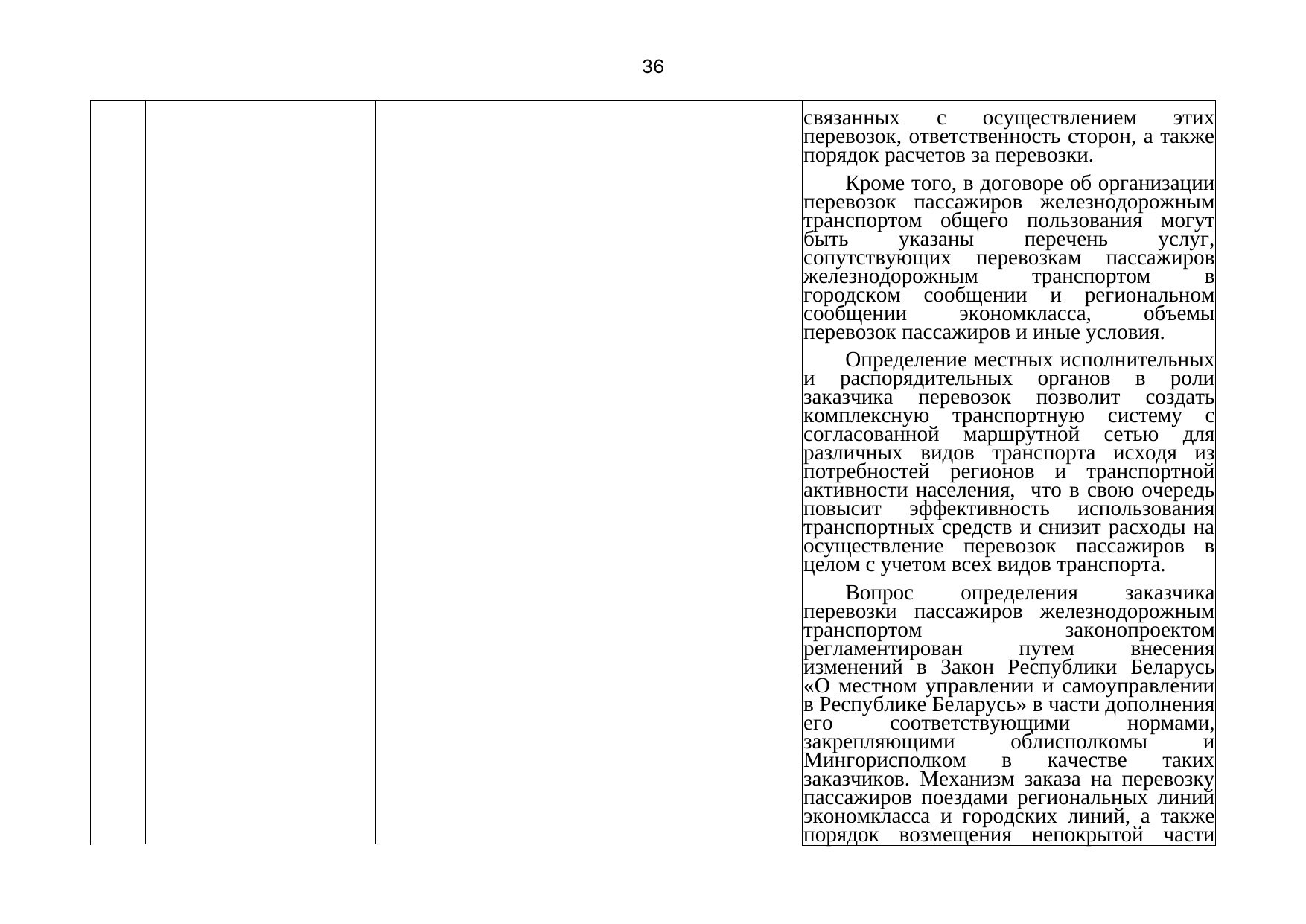
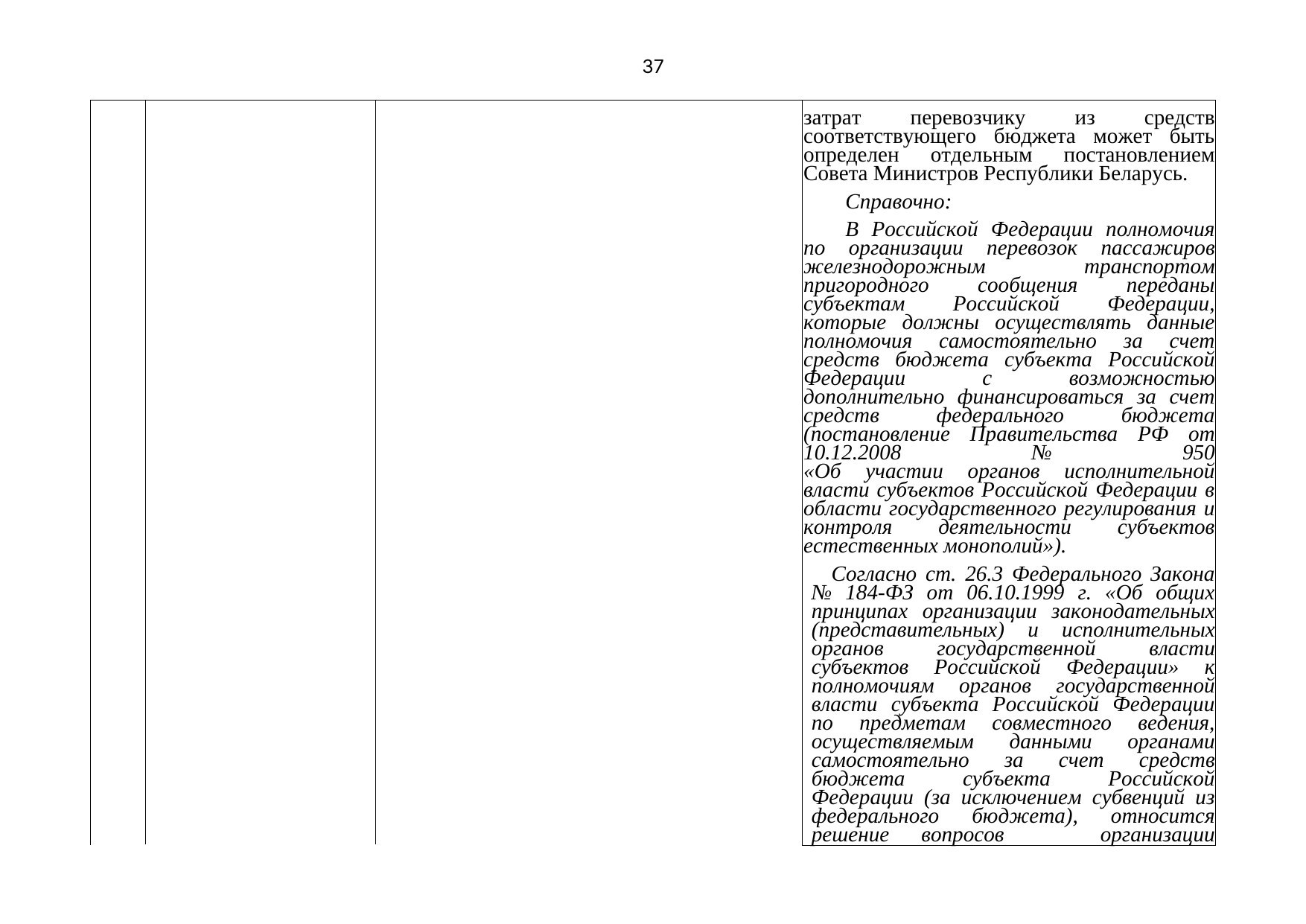
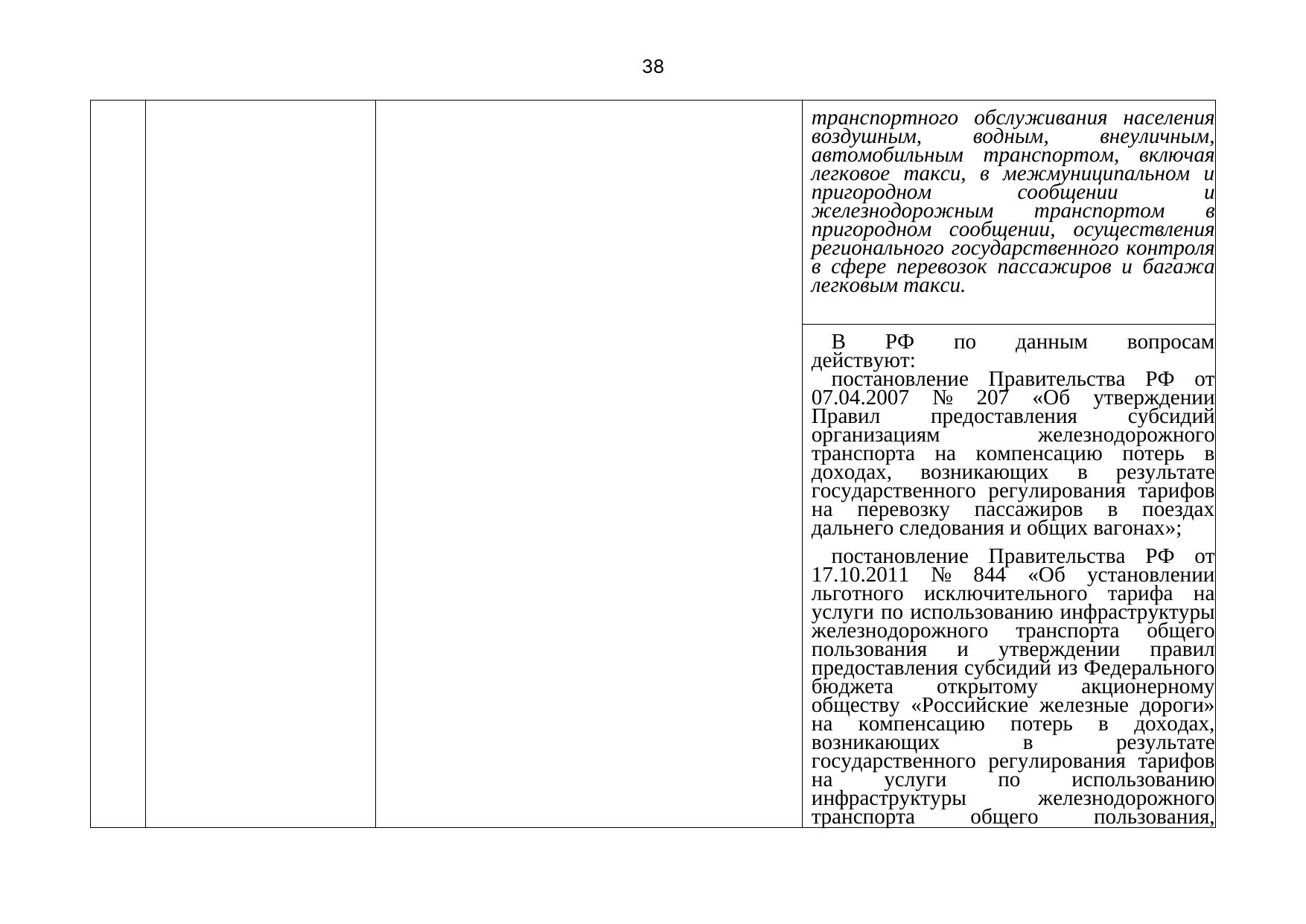
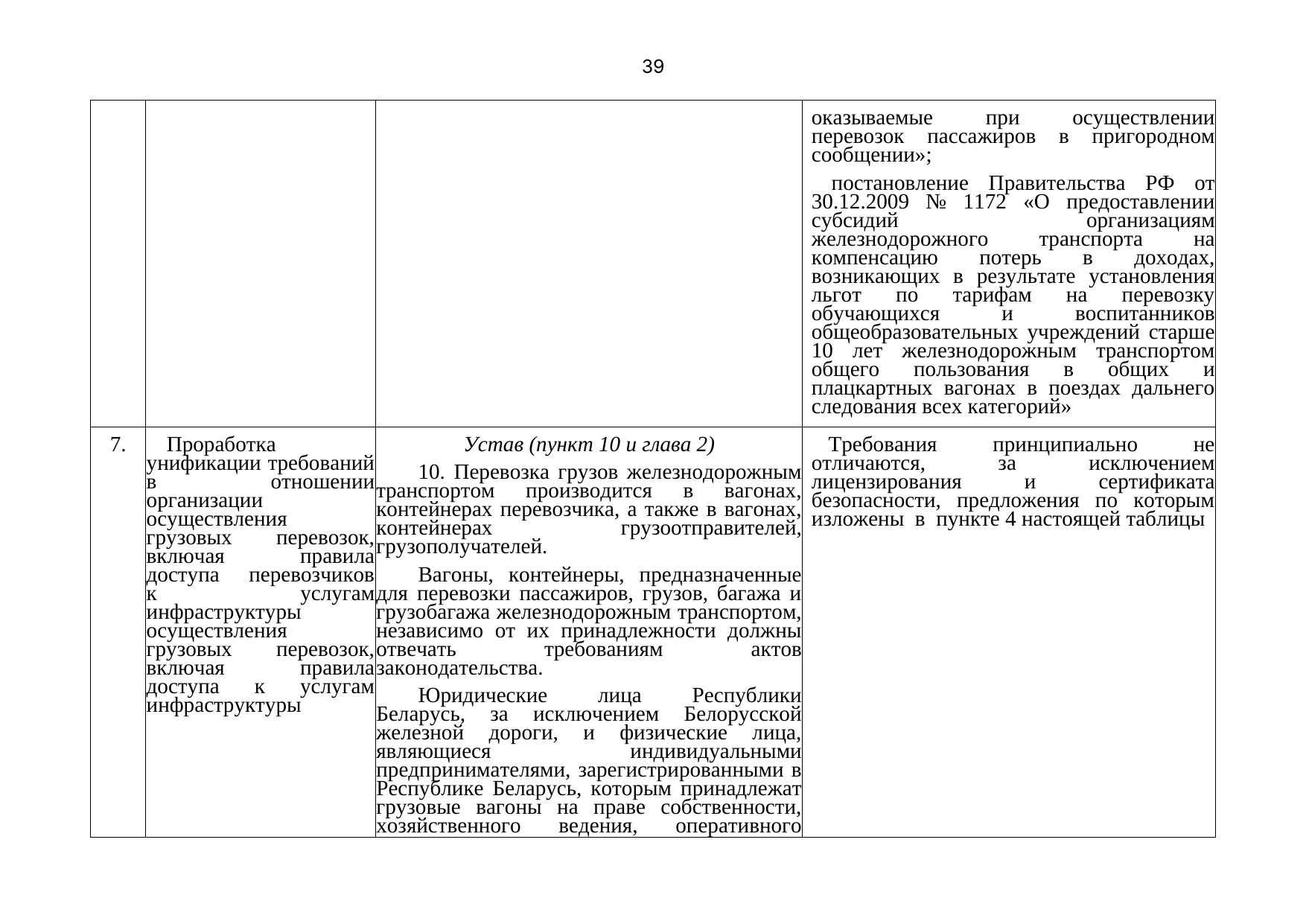
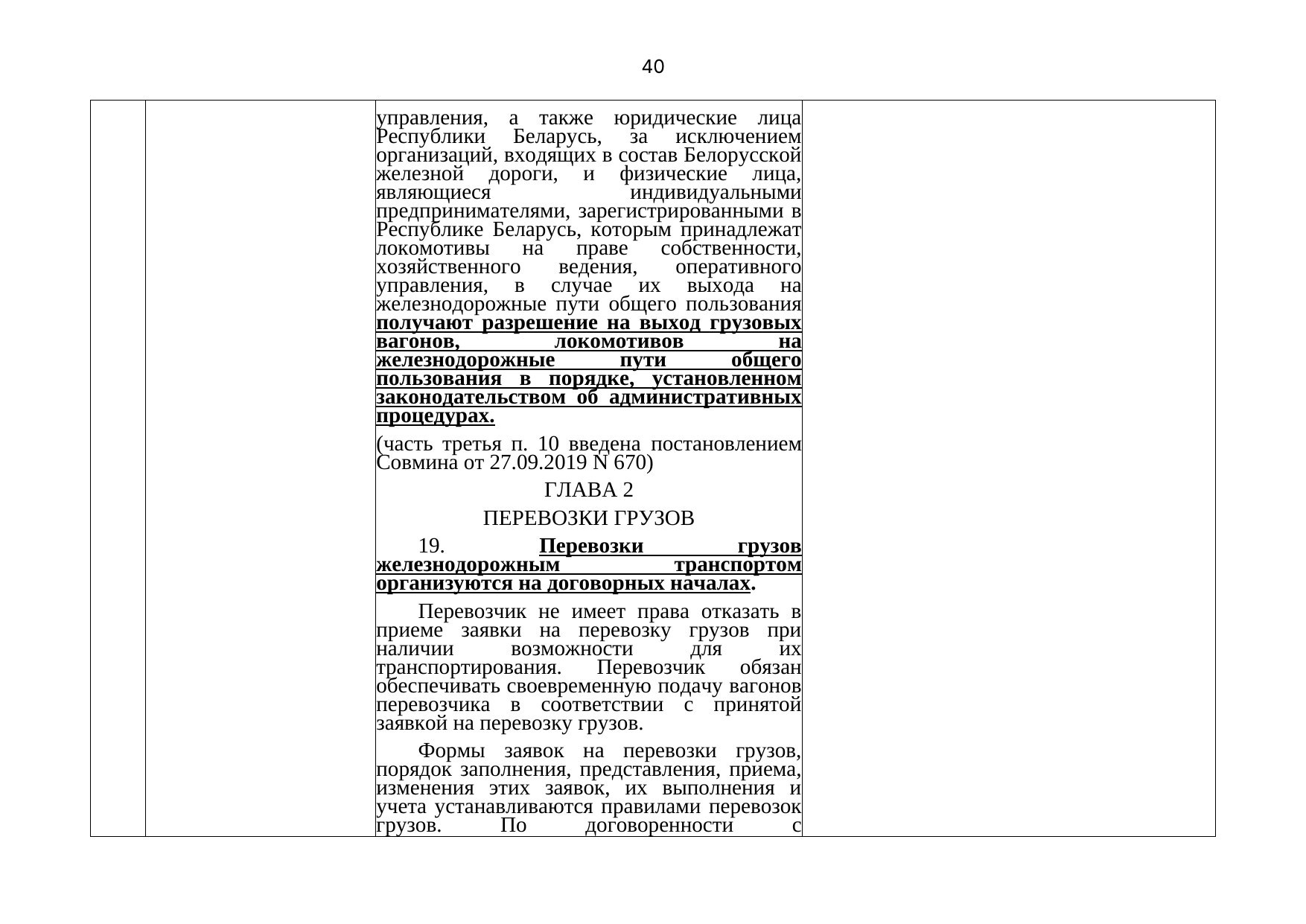
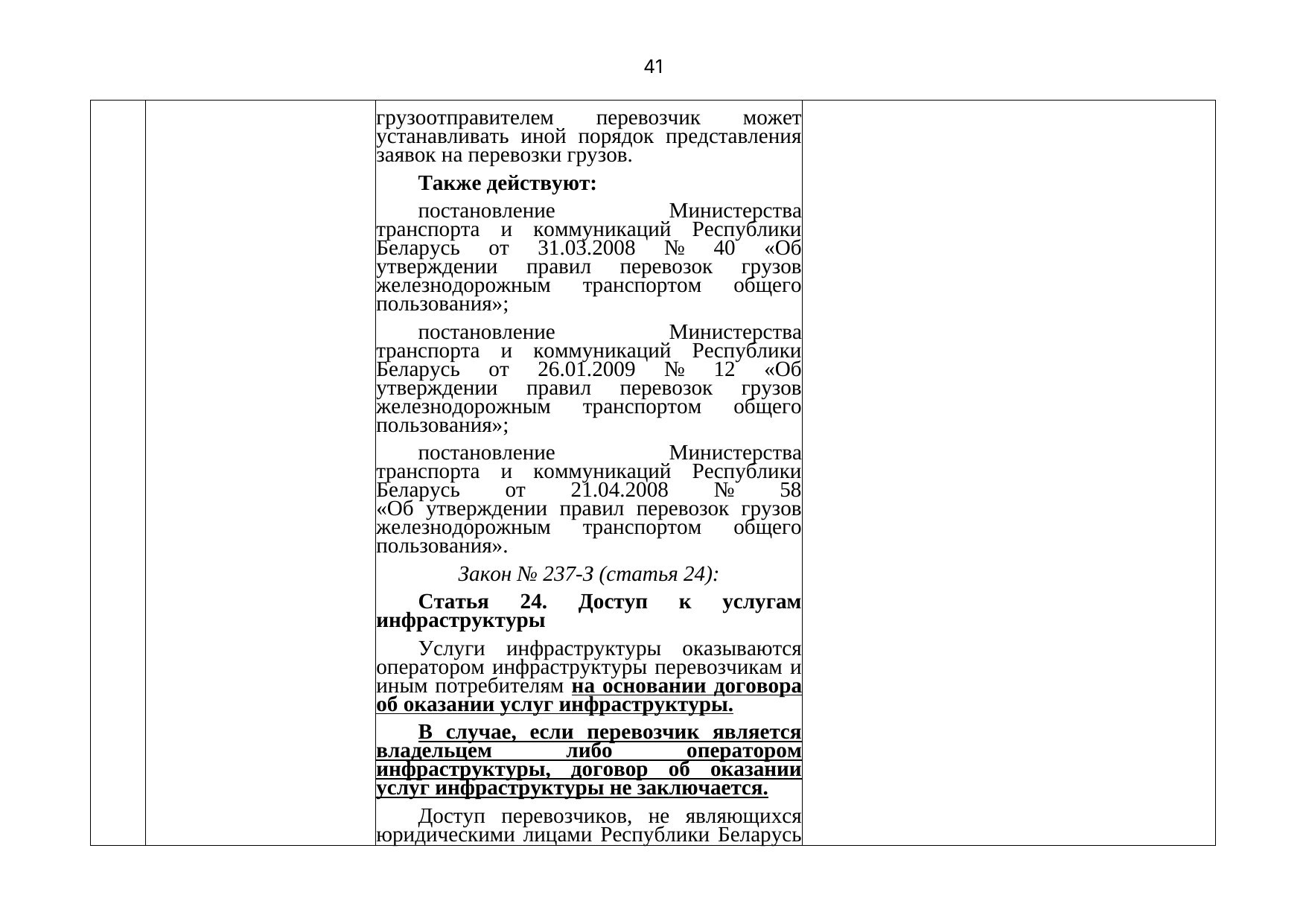
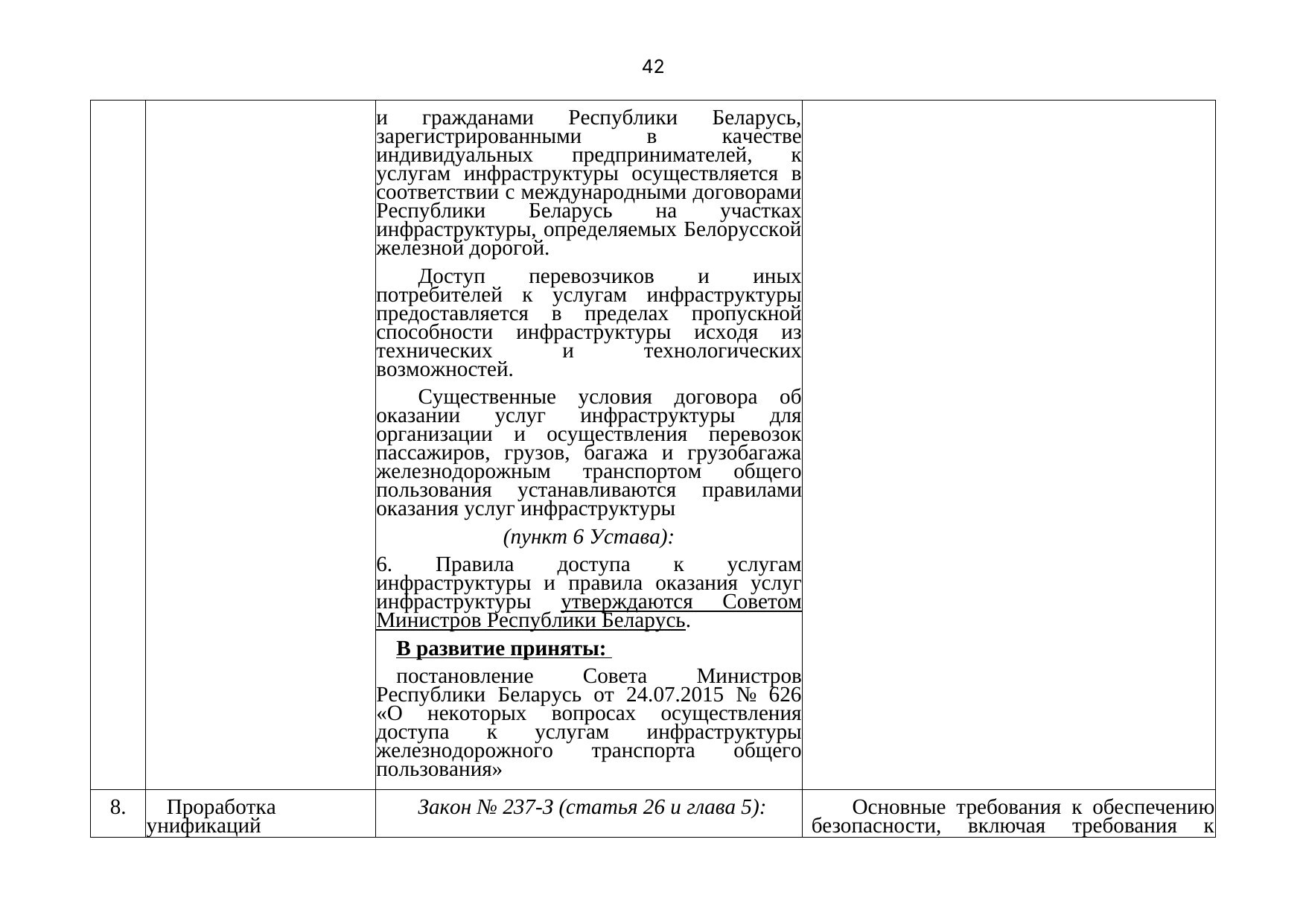
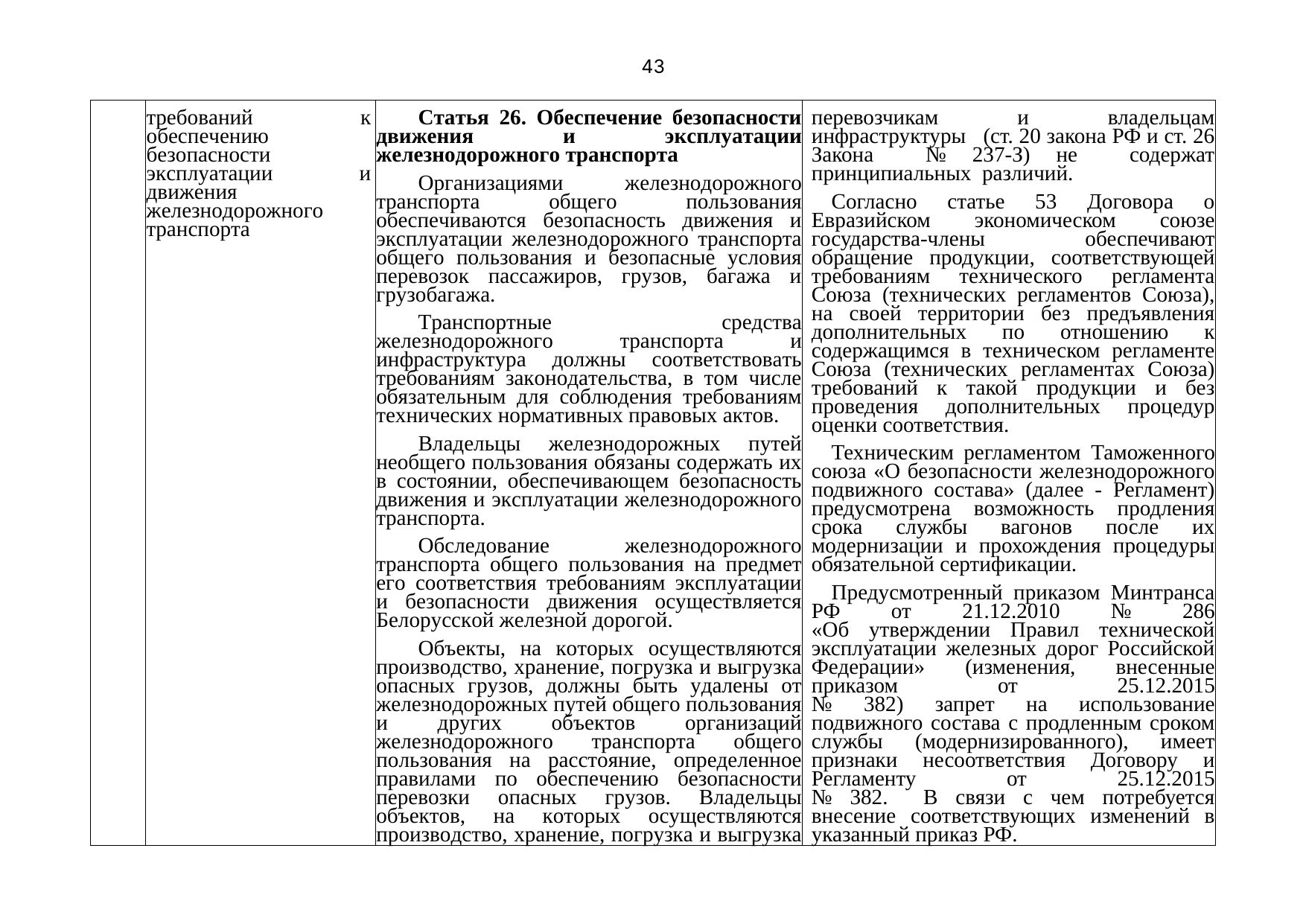
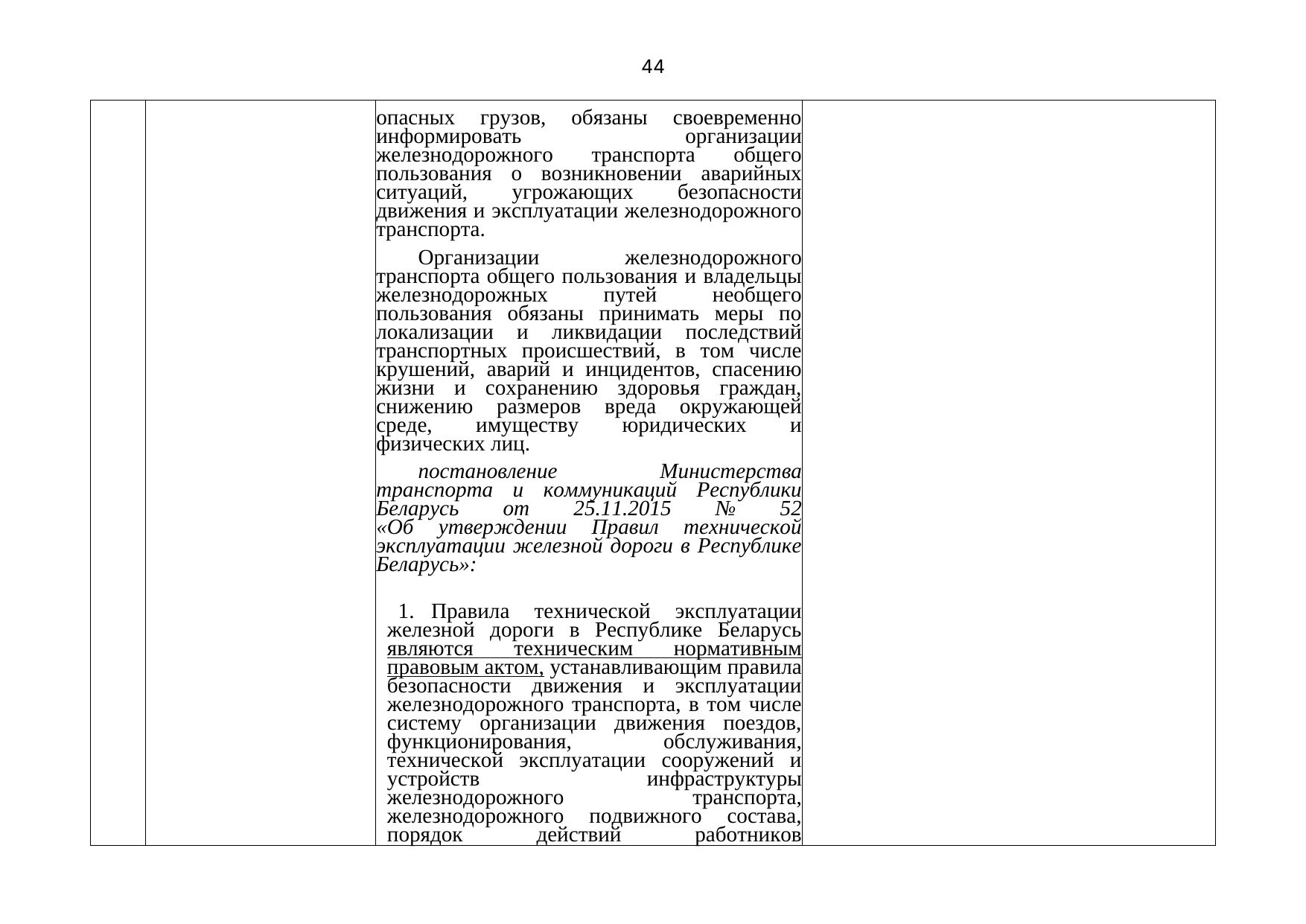
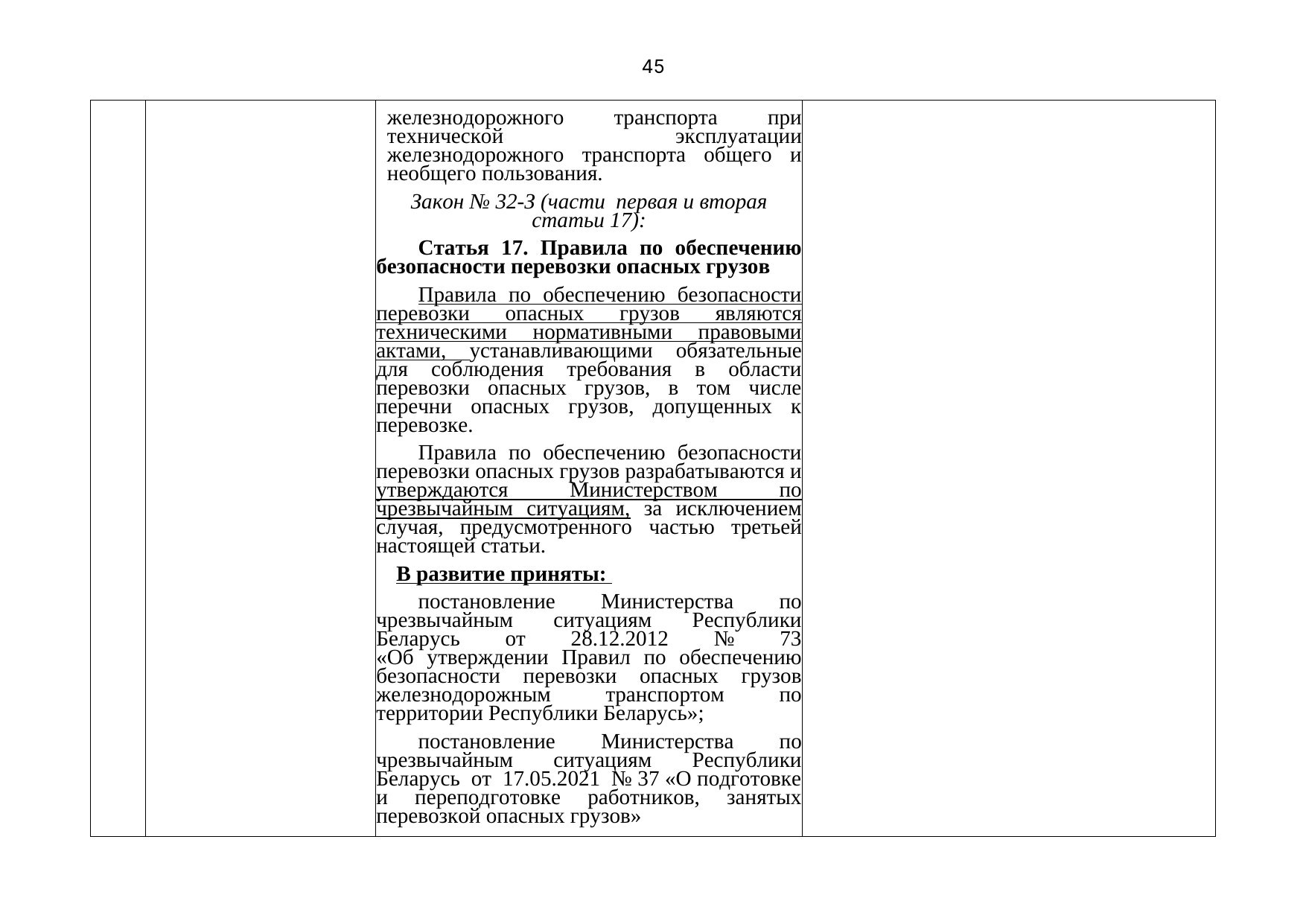
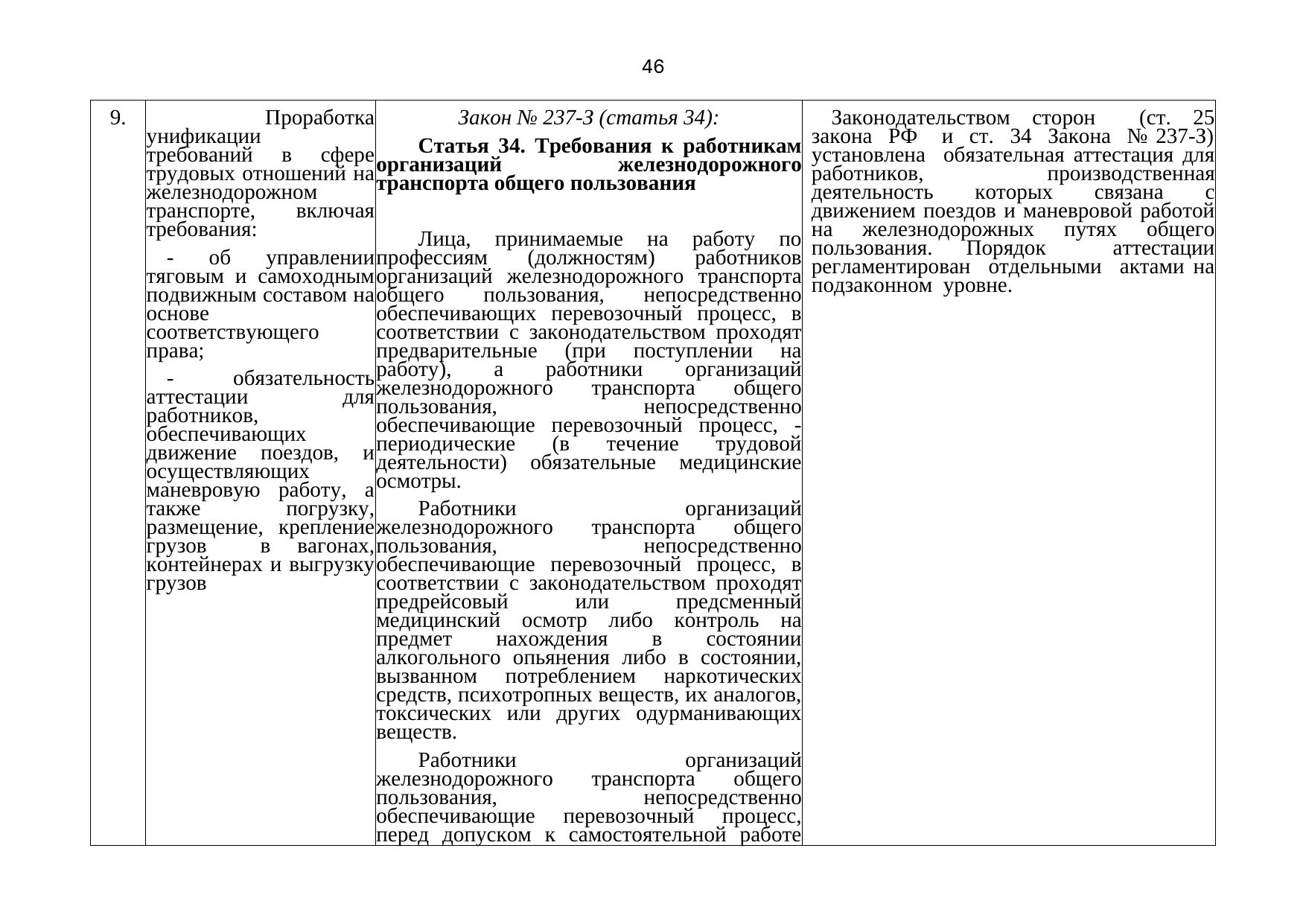
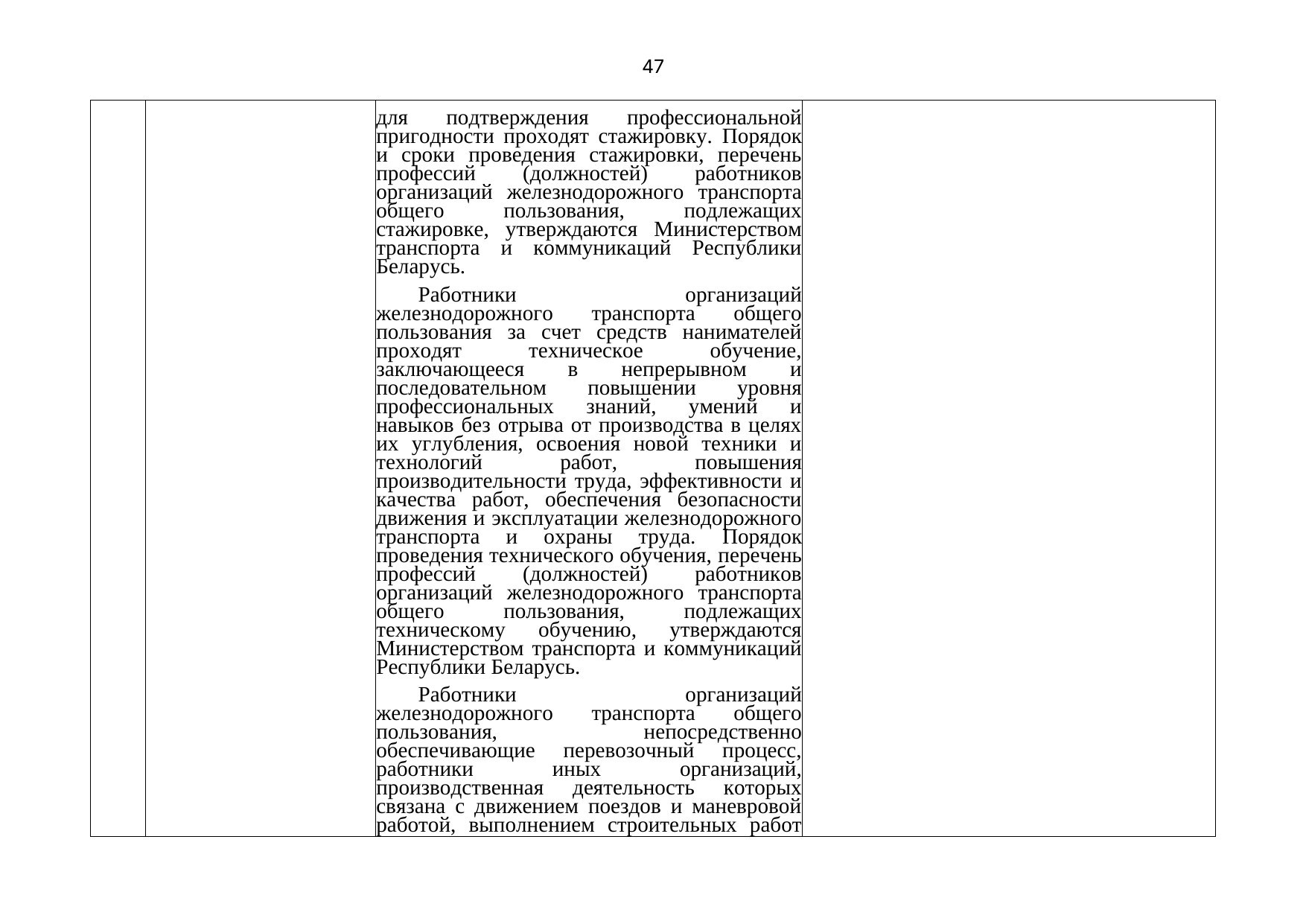
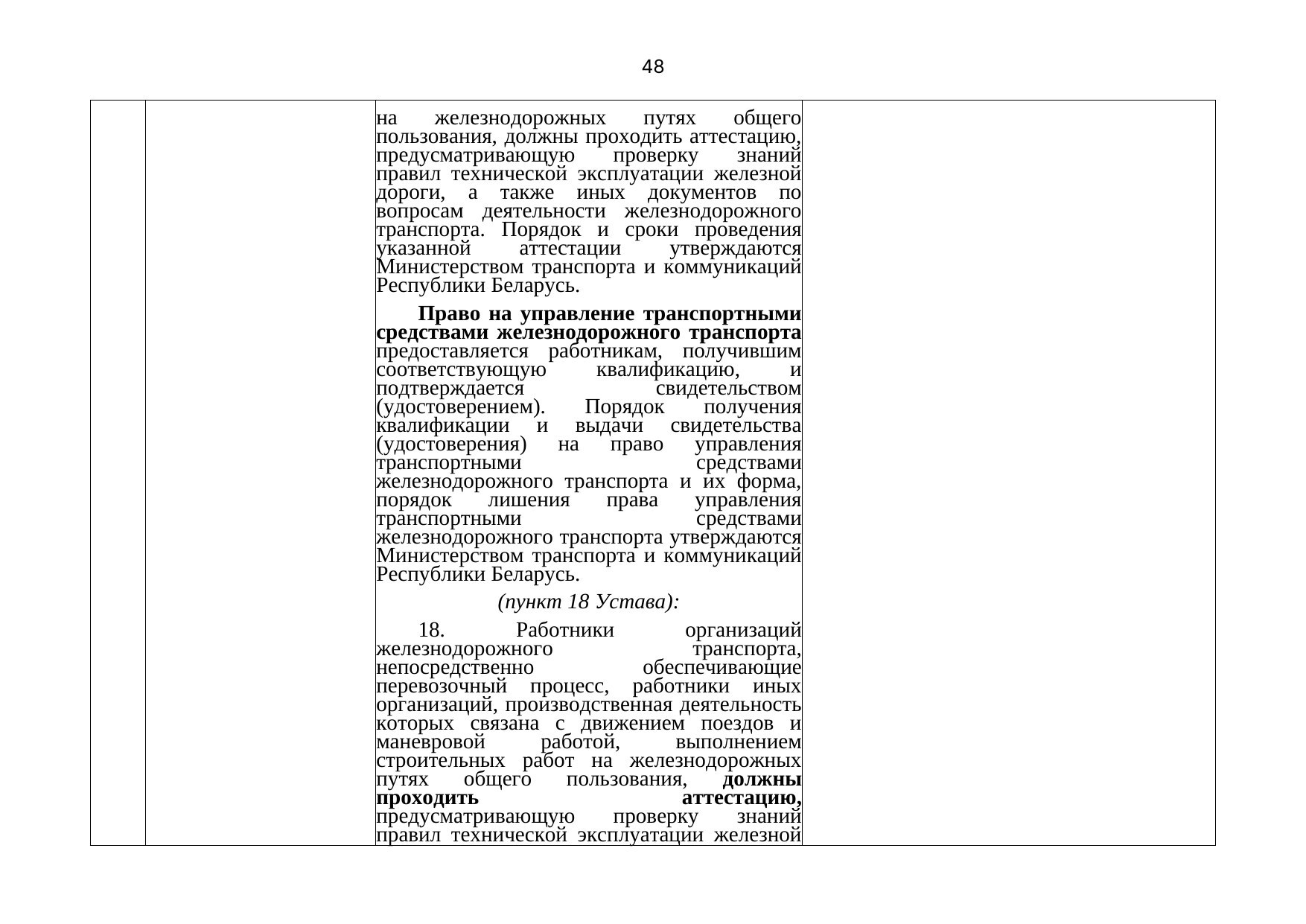
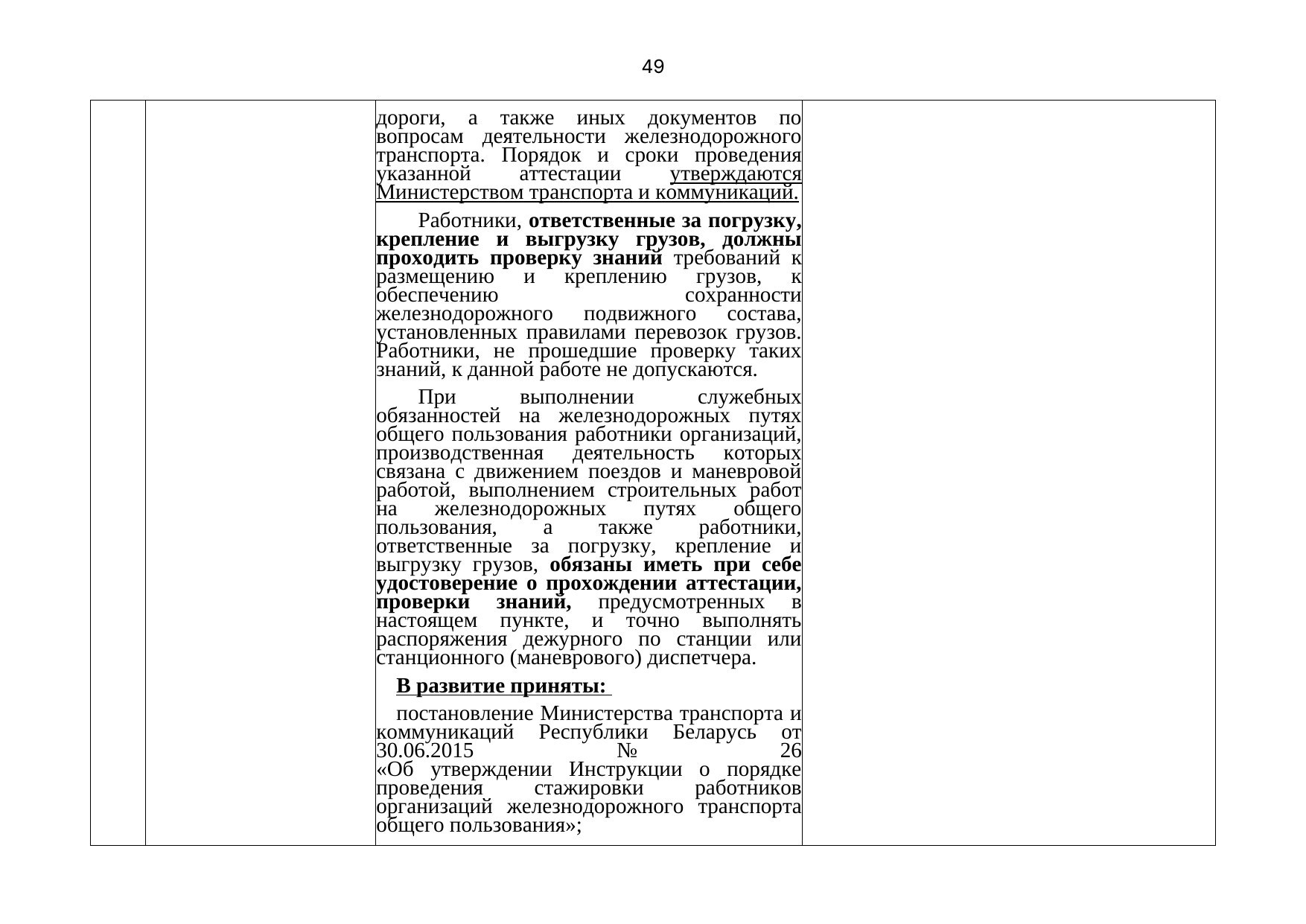
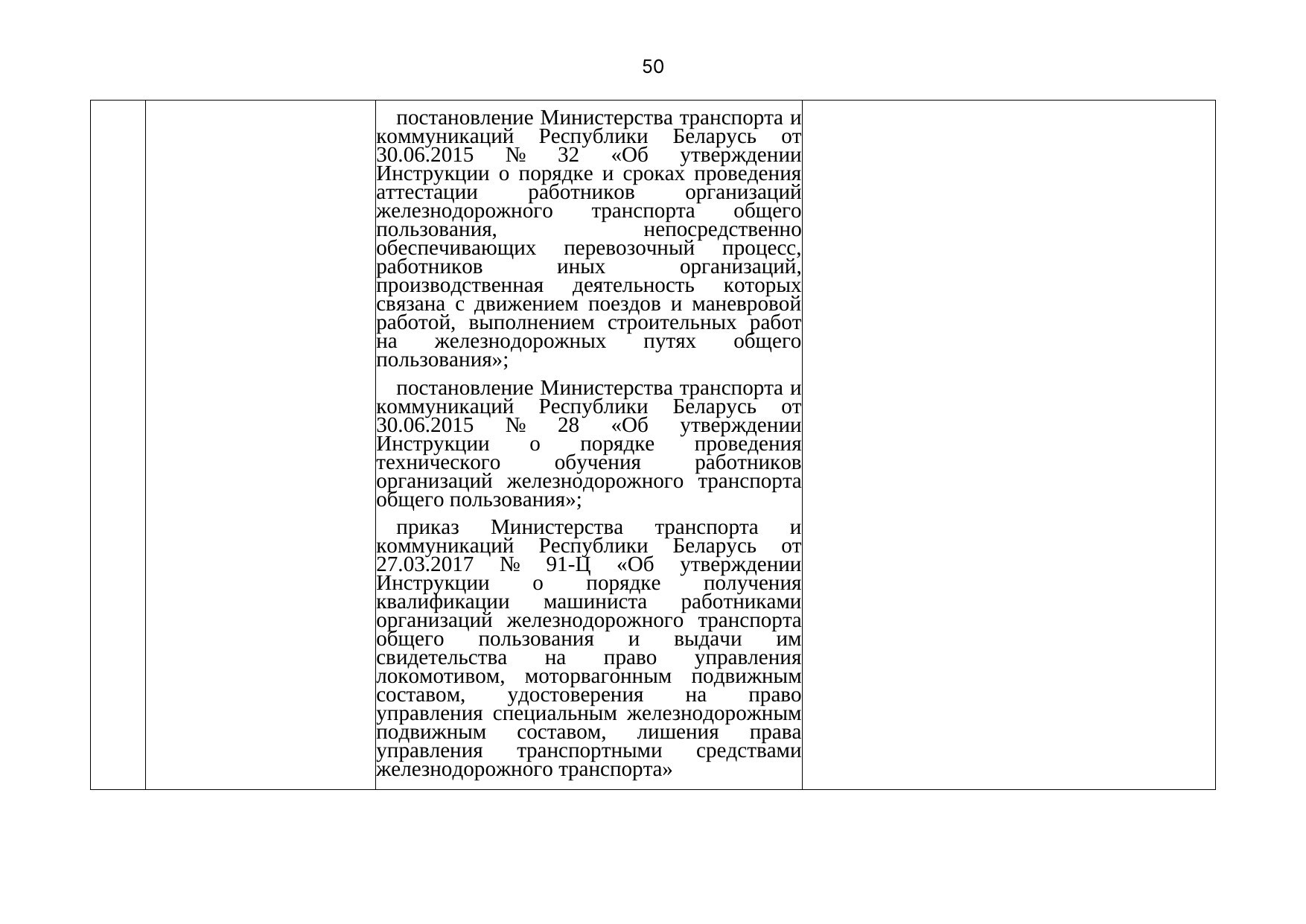
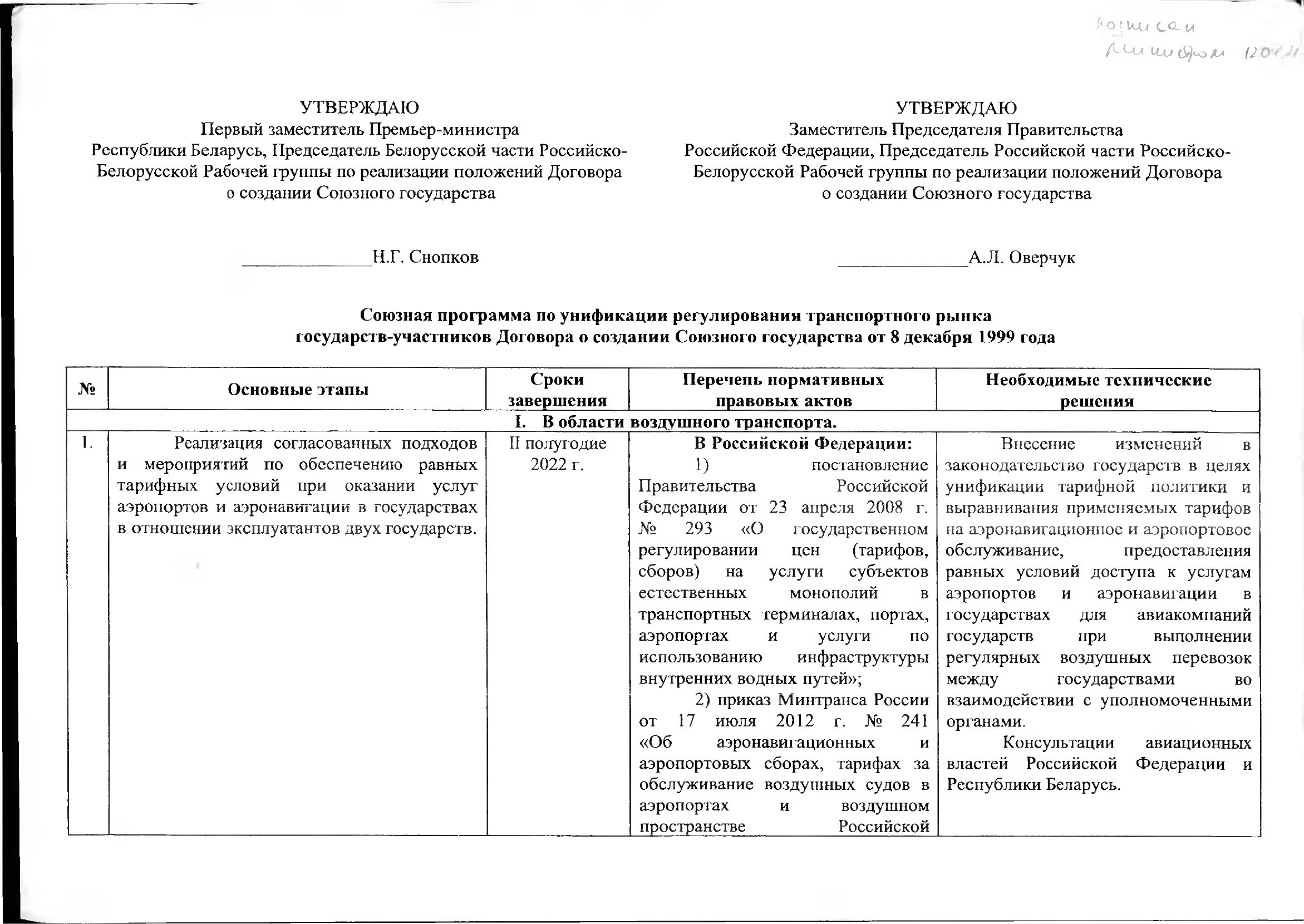
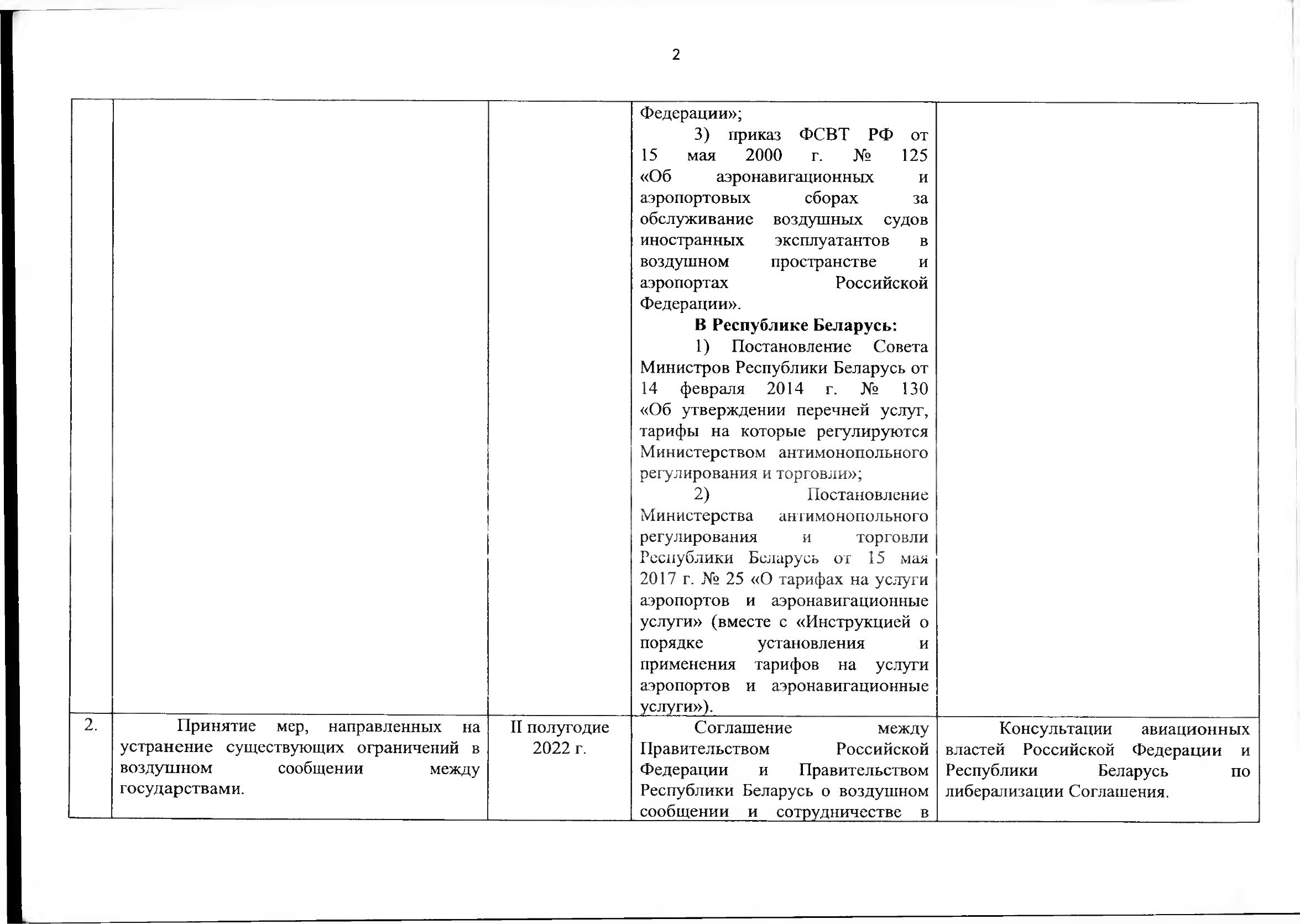
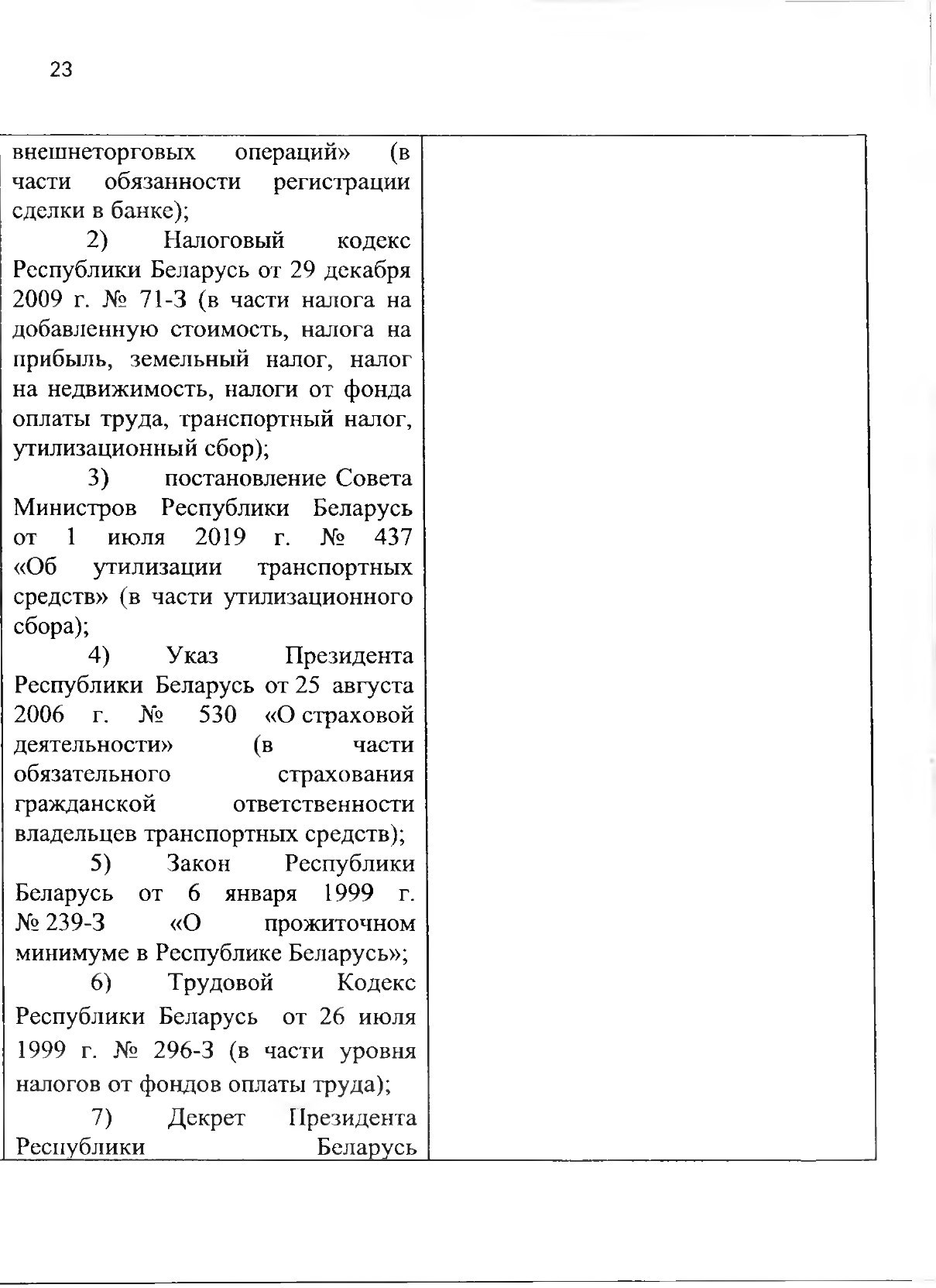
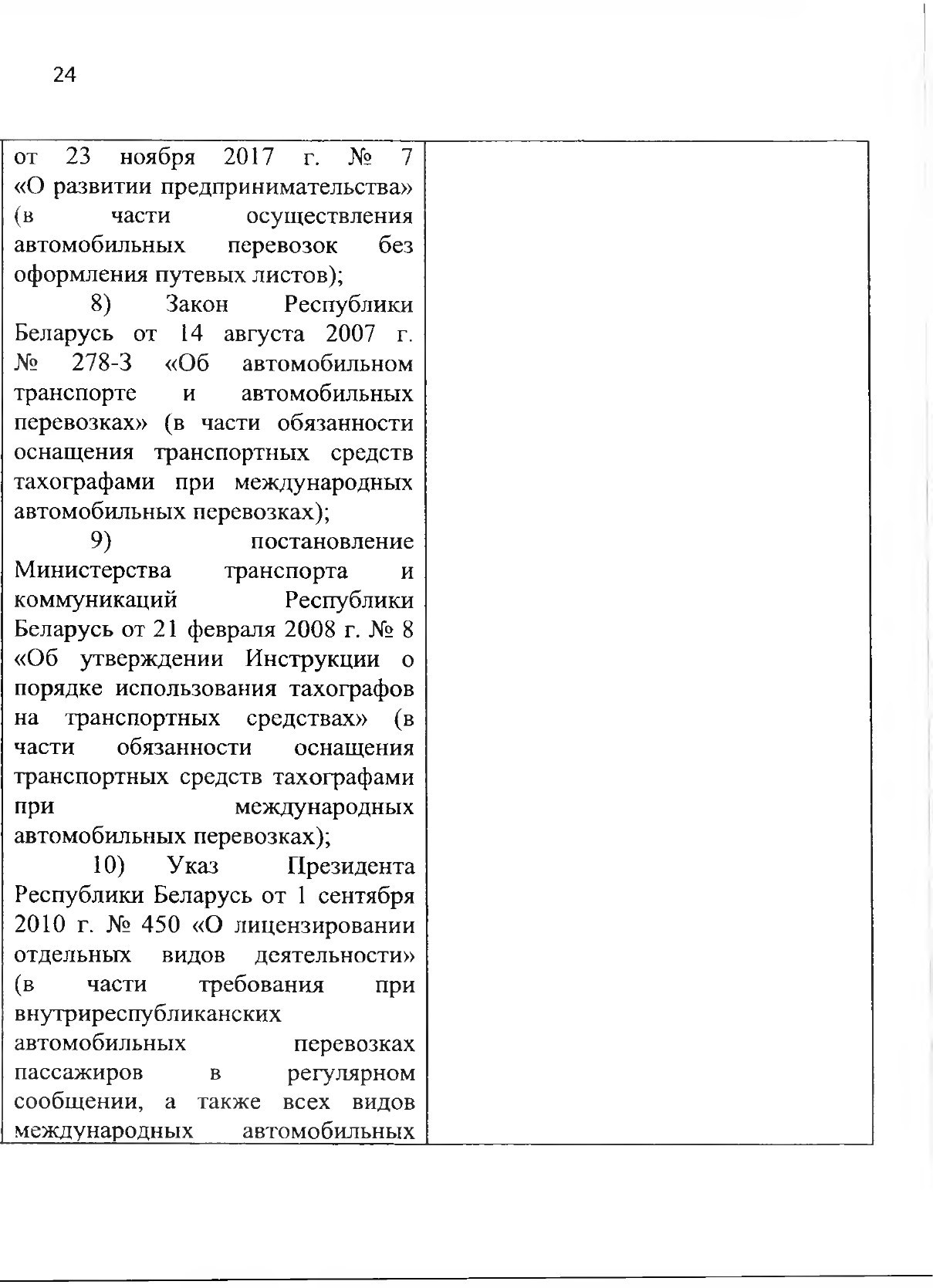
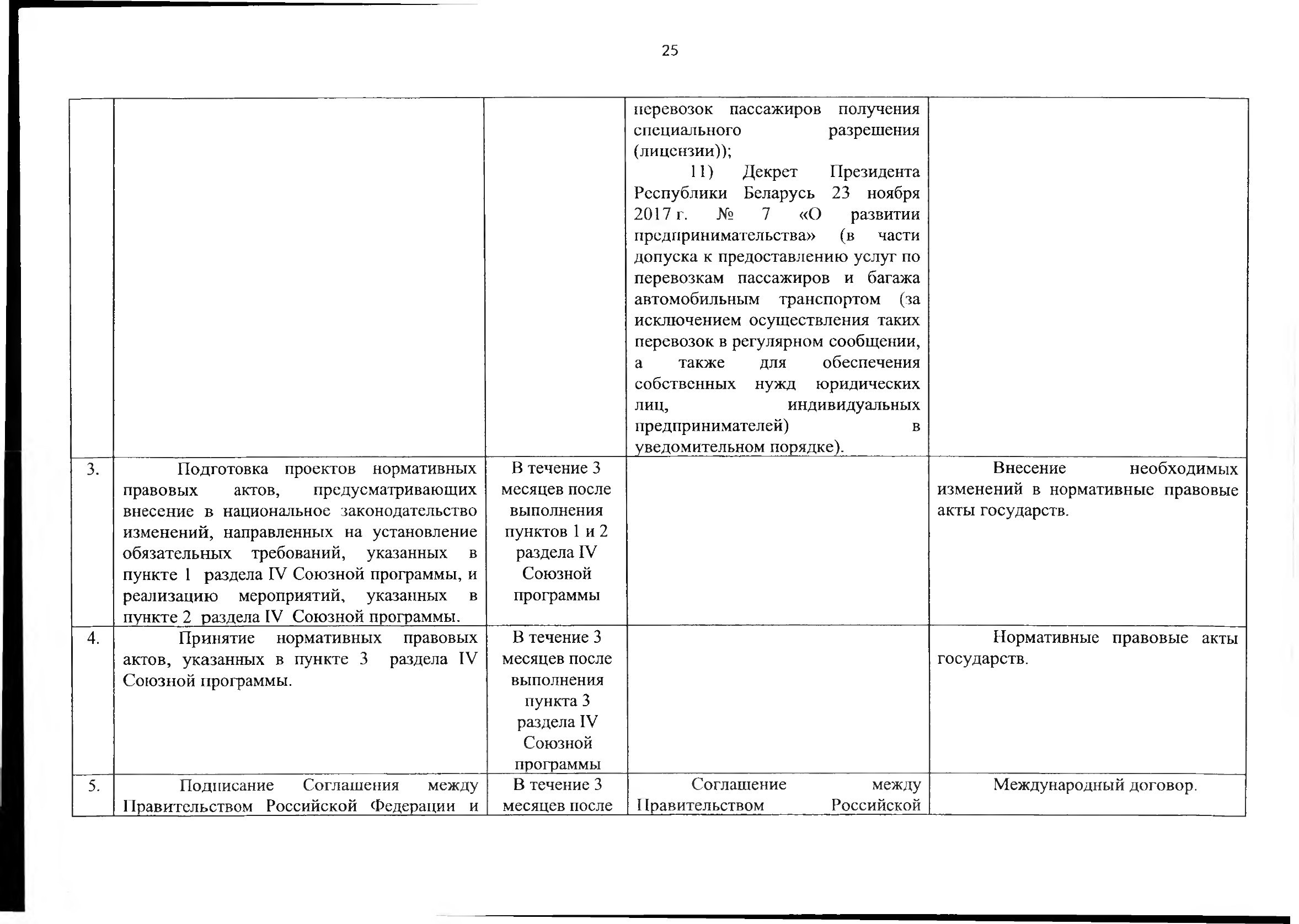
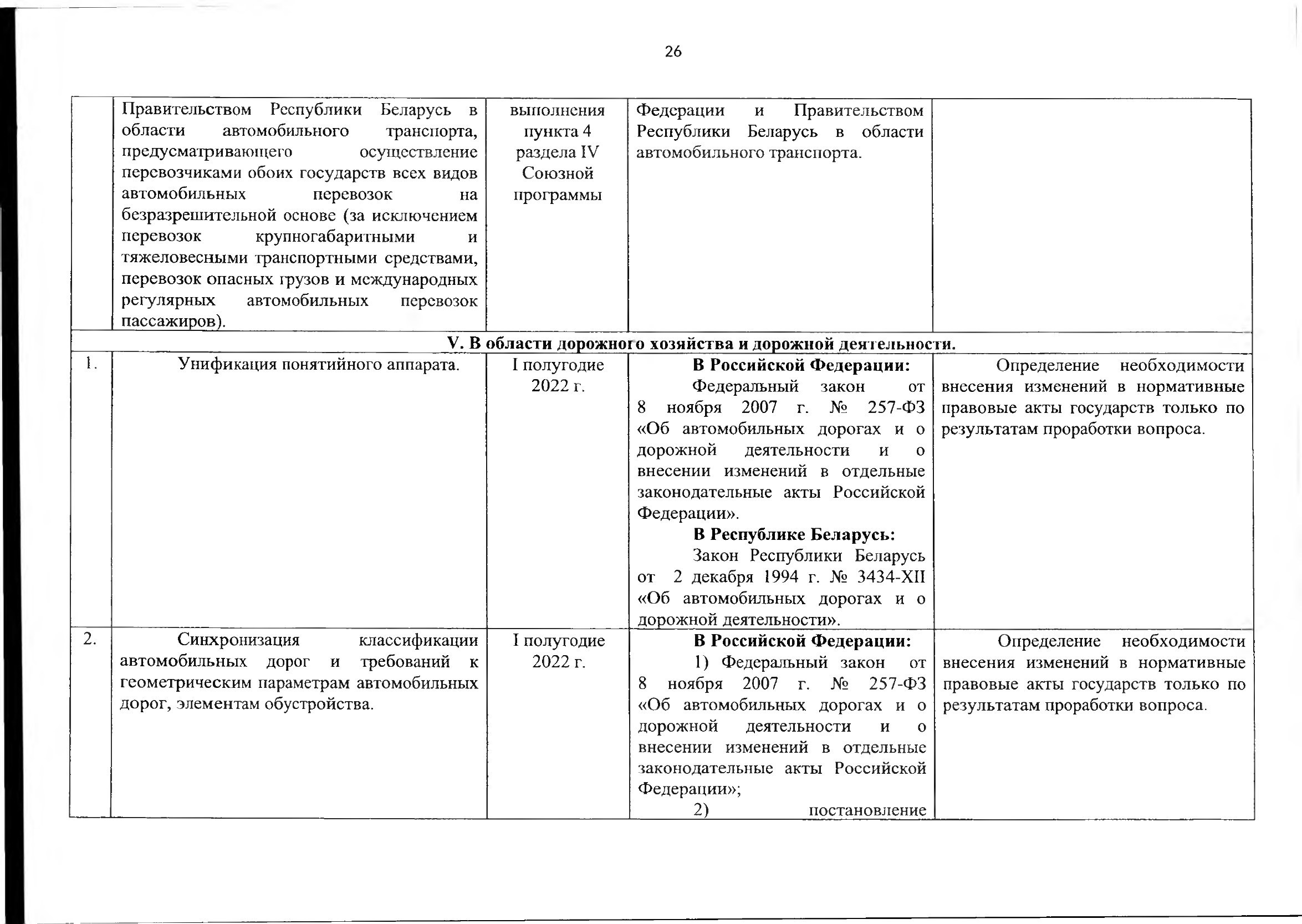
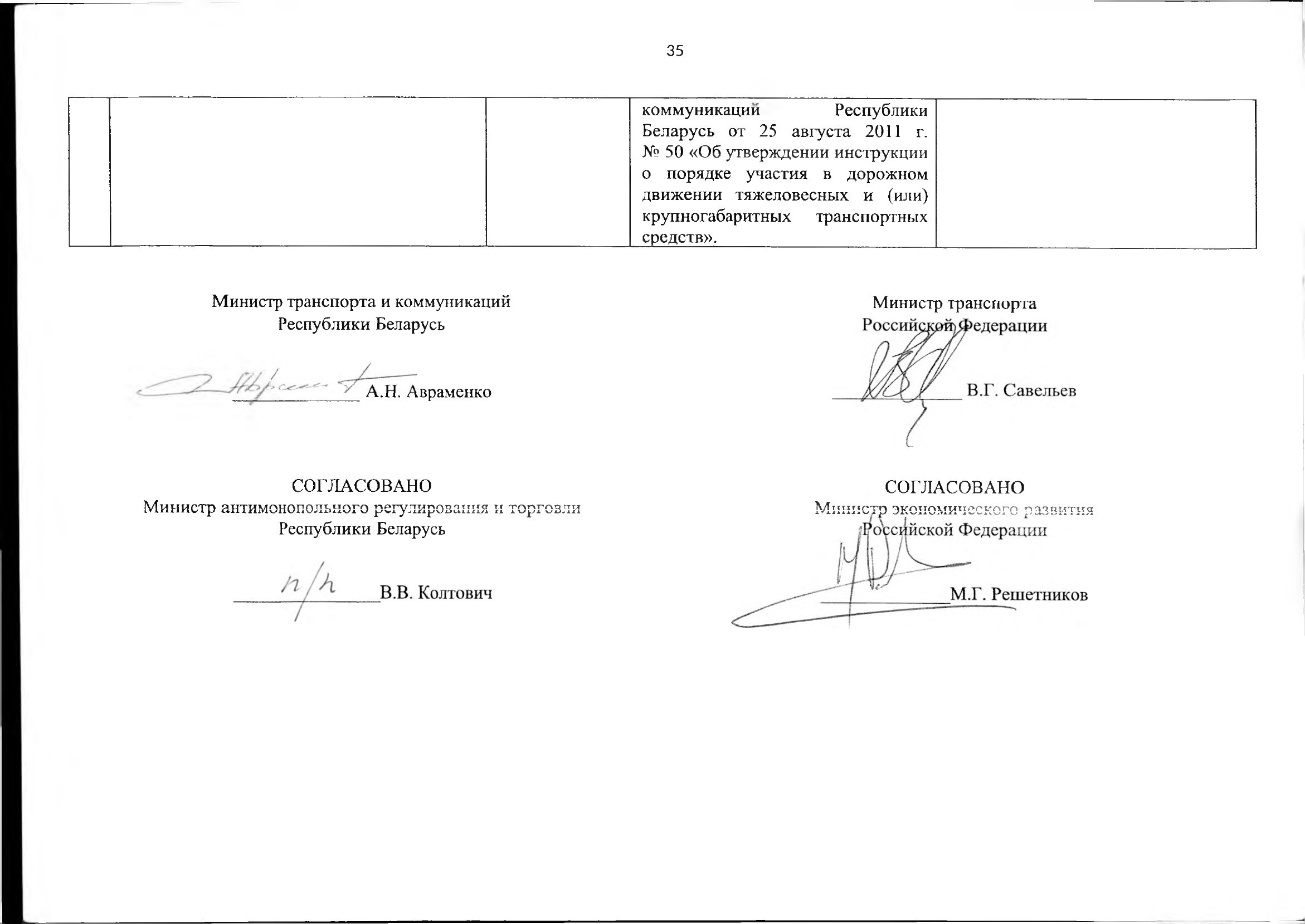
The final Union Programme for unifying regulation of the transport market was signed by Transport Ministers Alexei Avramenko and Vitaly Savelyev; it was to be approved by Deputy Prime Ministers Nikolai Snopkov and Alexei Overchuk. We published it on our Telegram channel.
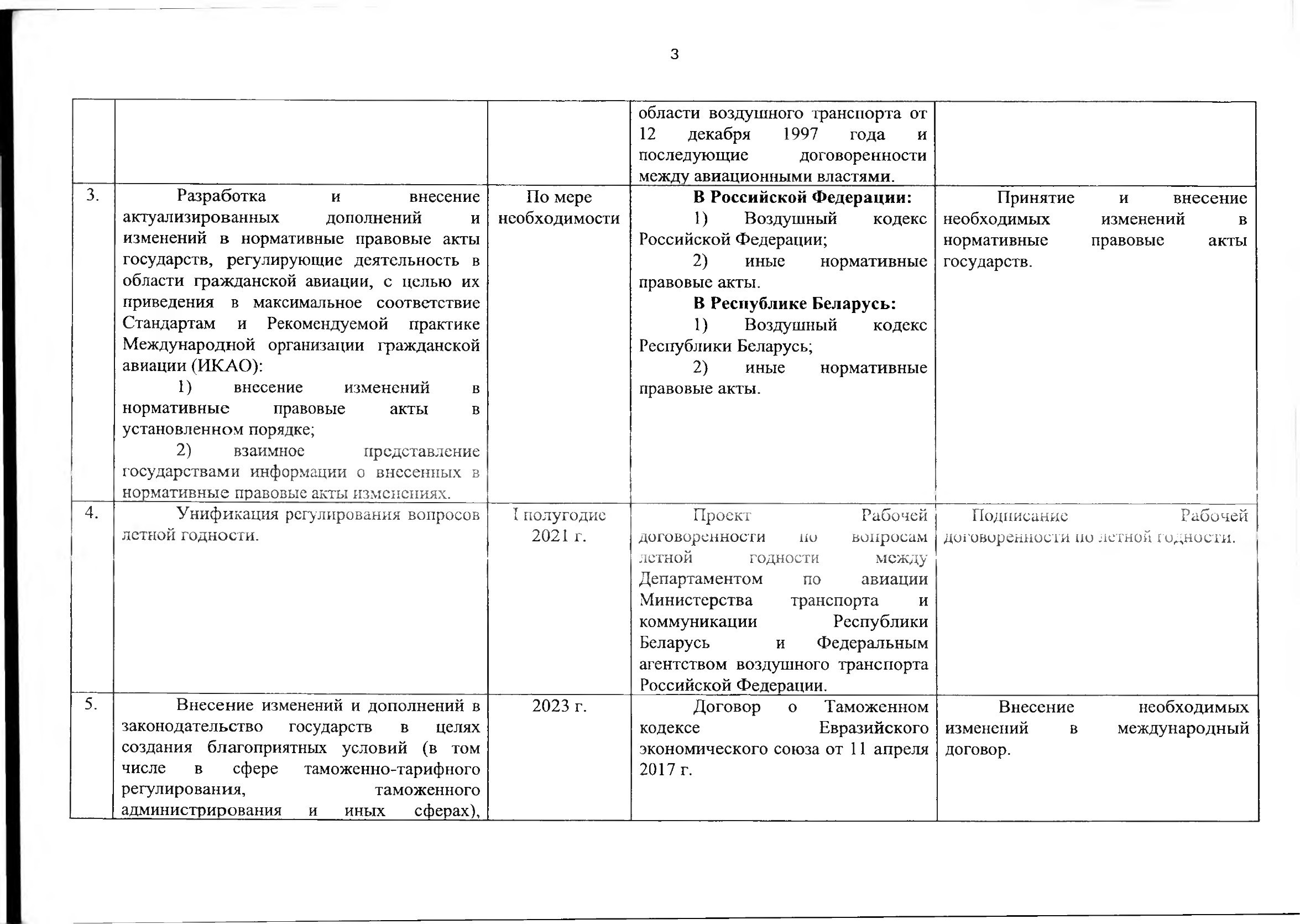
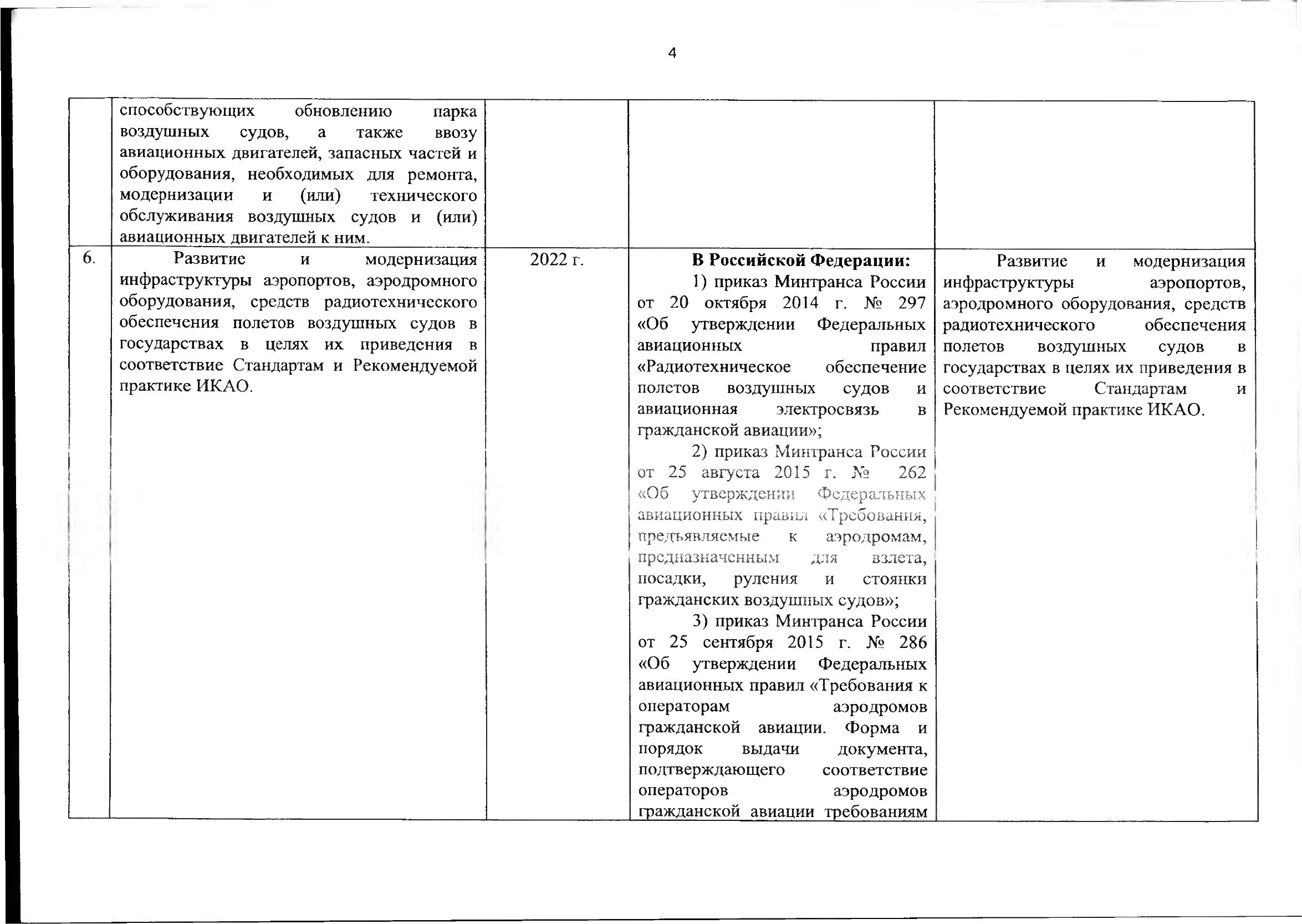
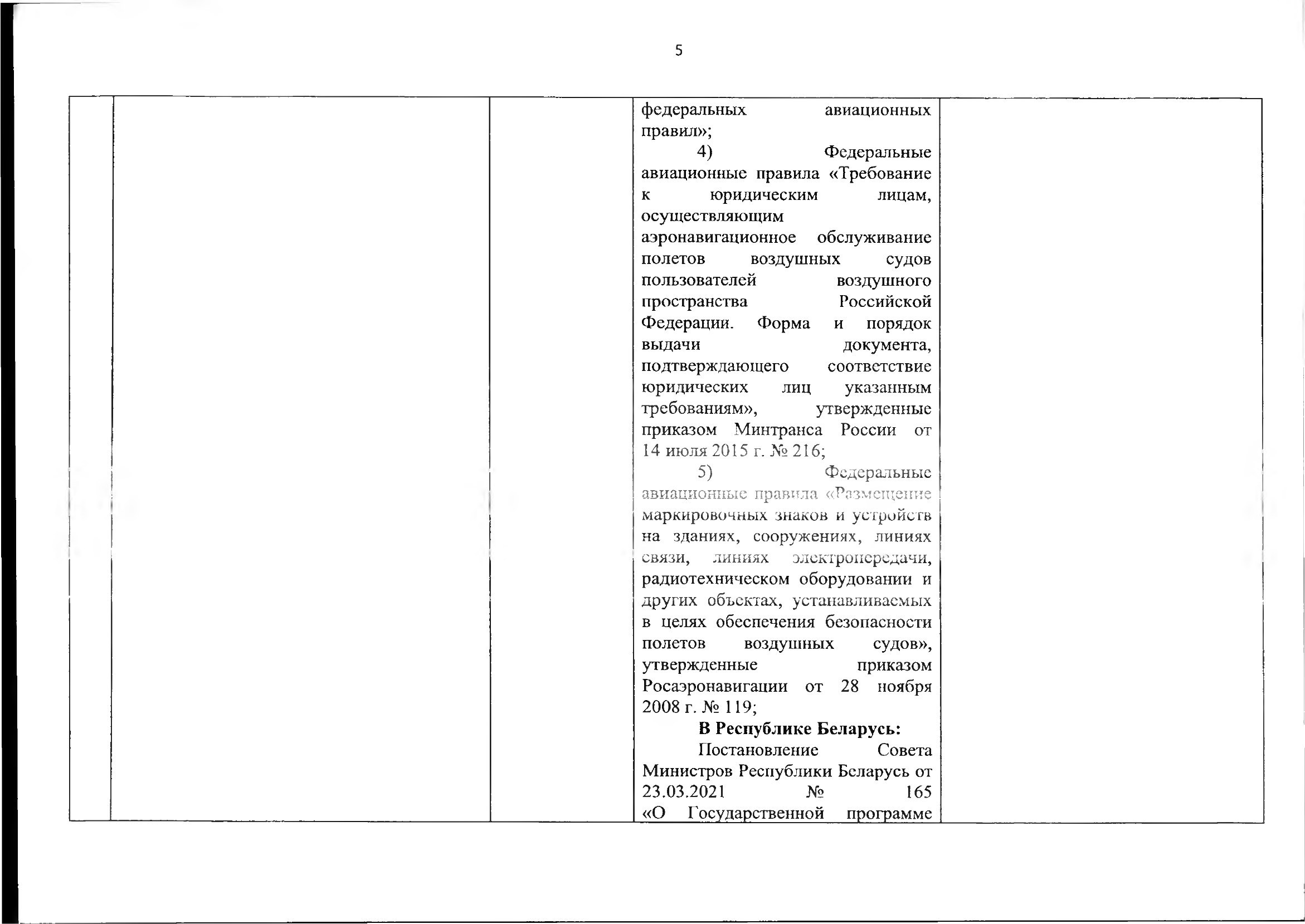
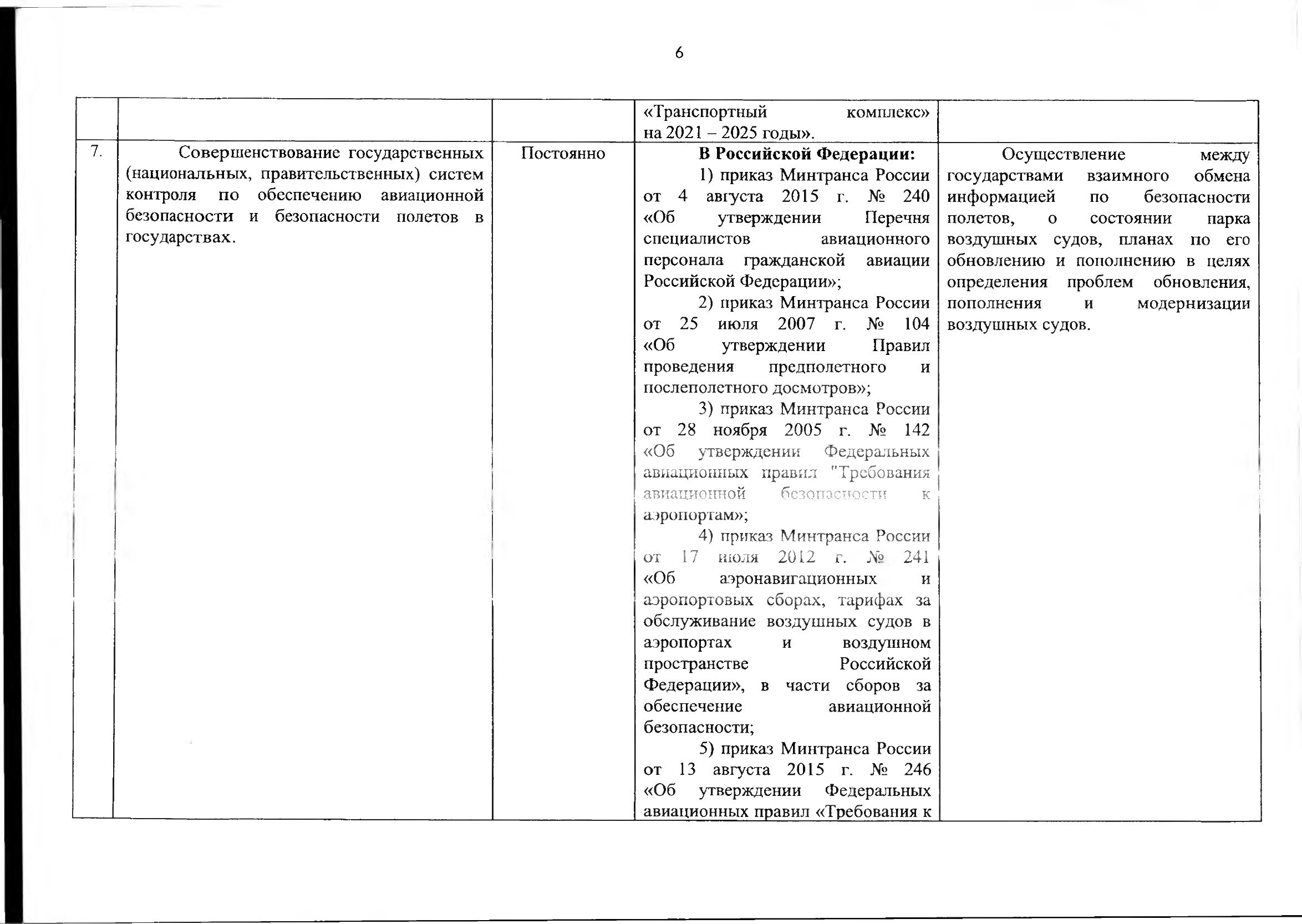

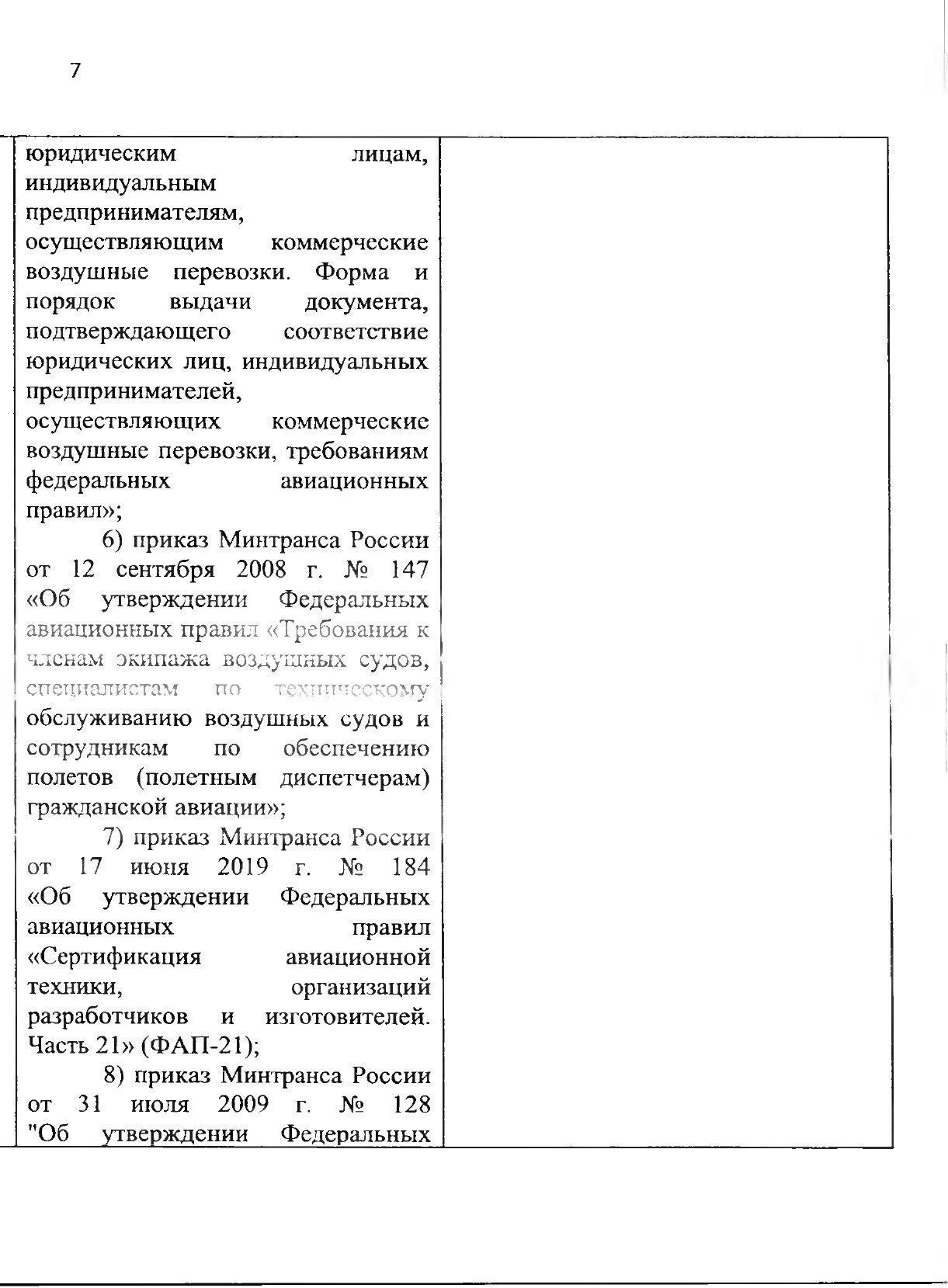
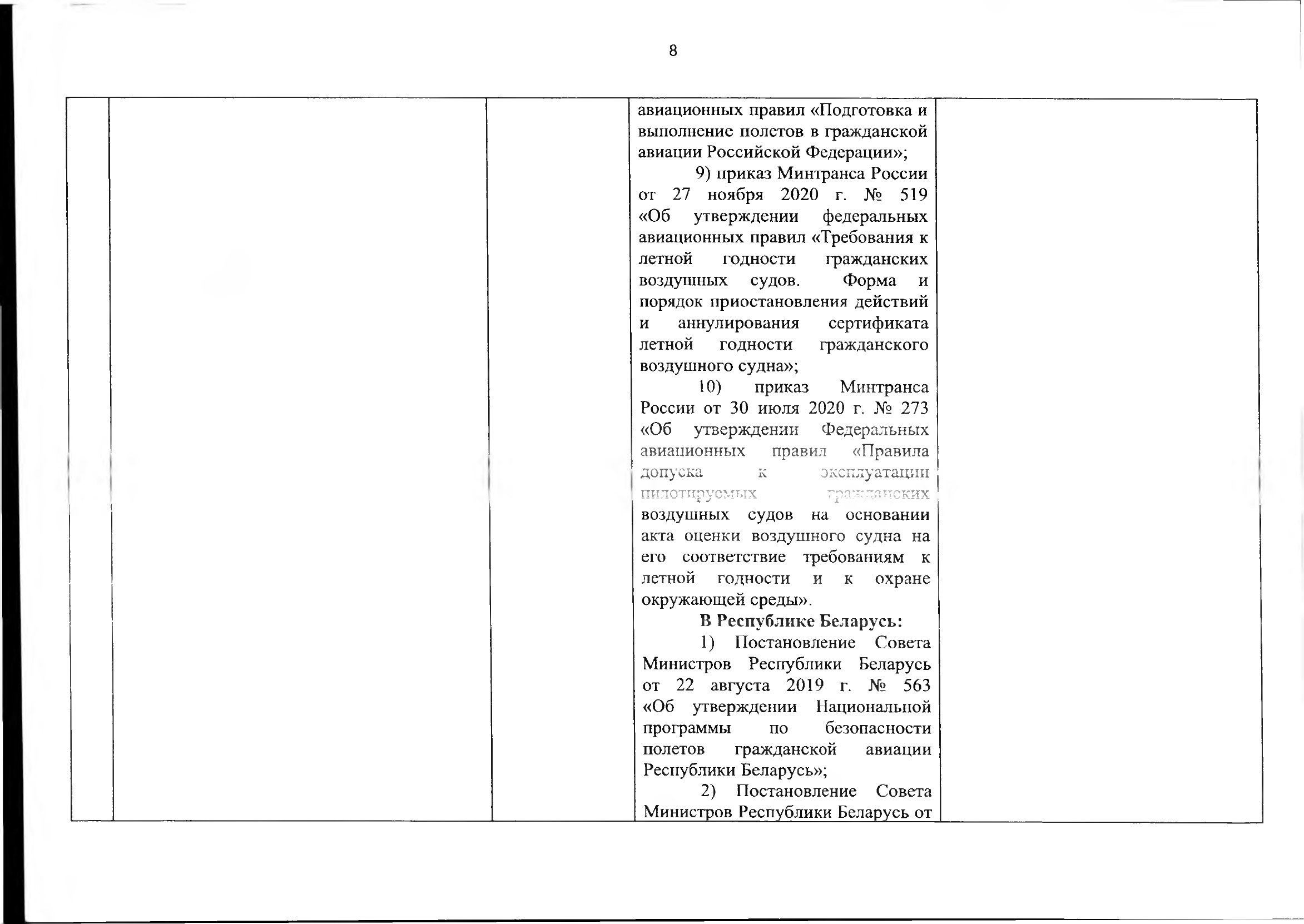
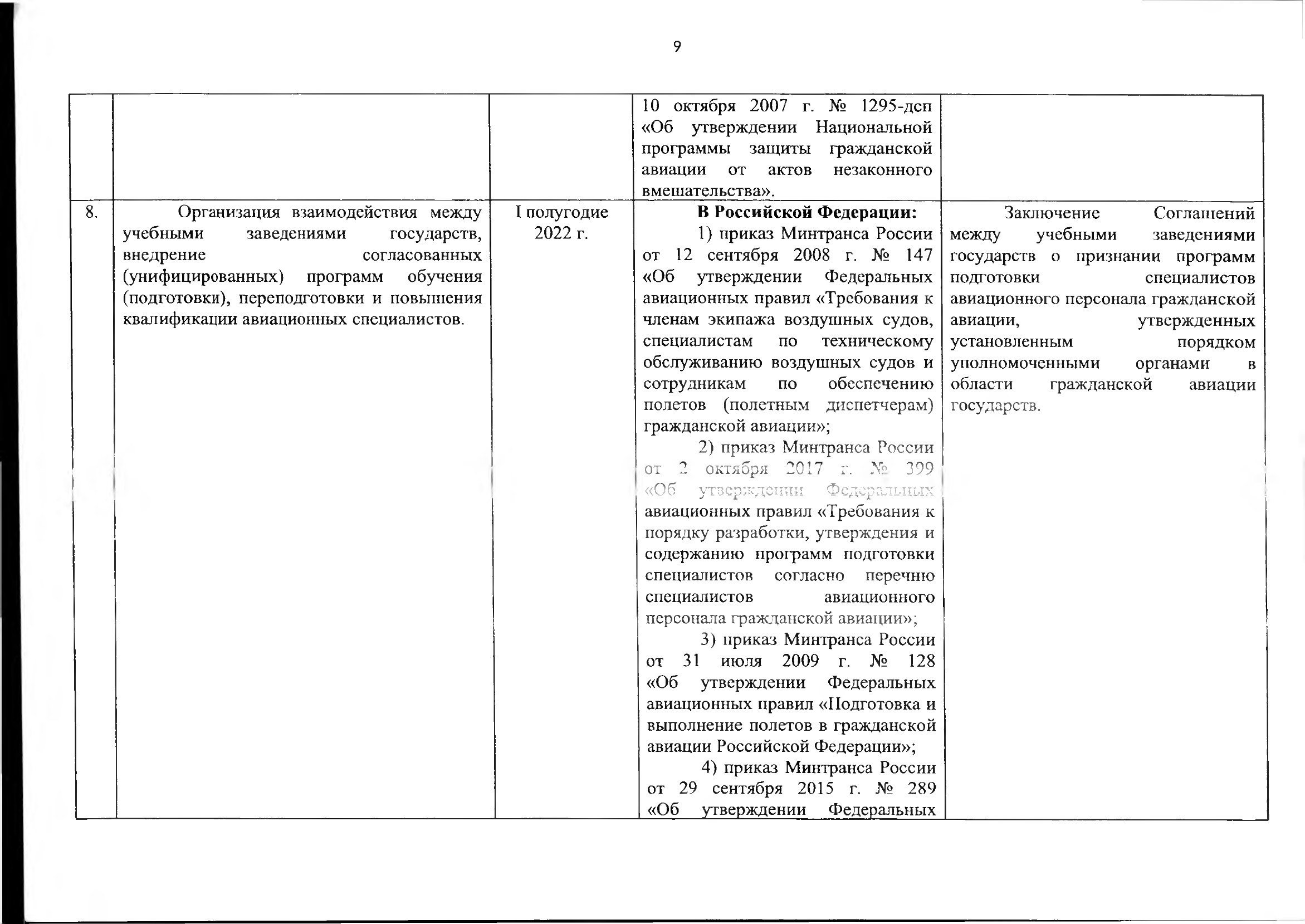
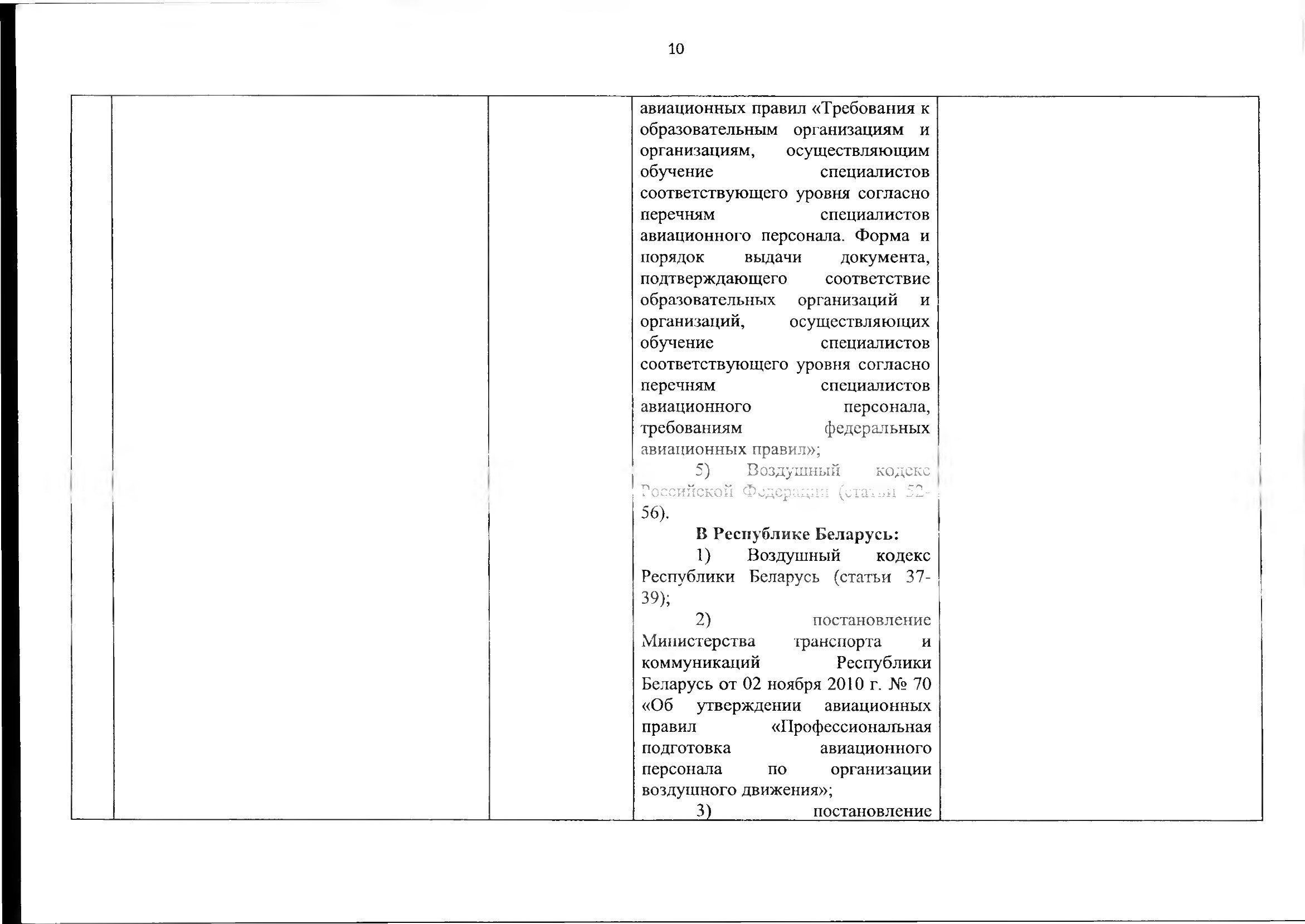
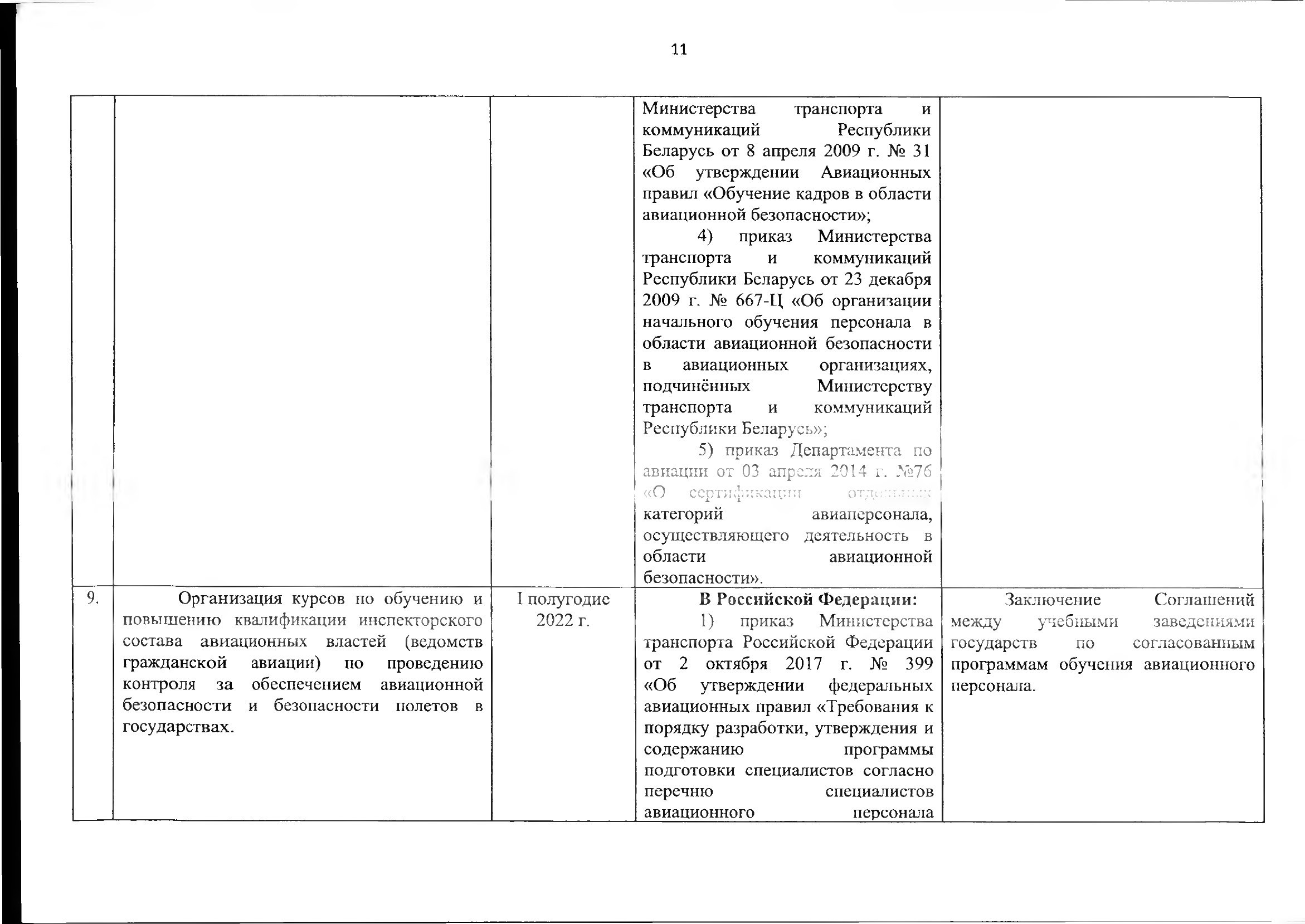
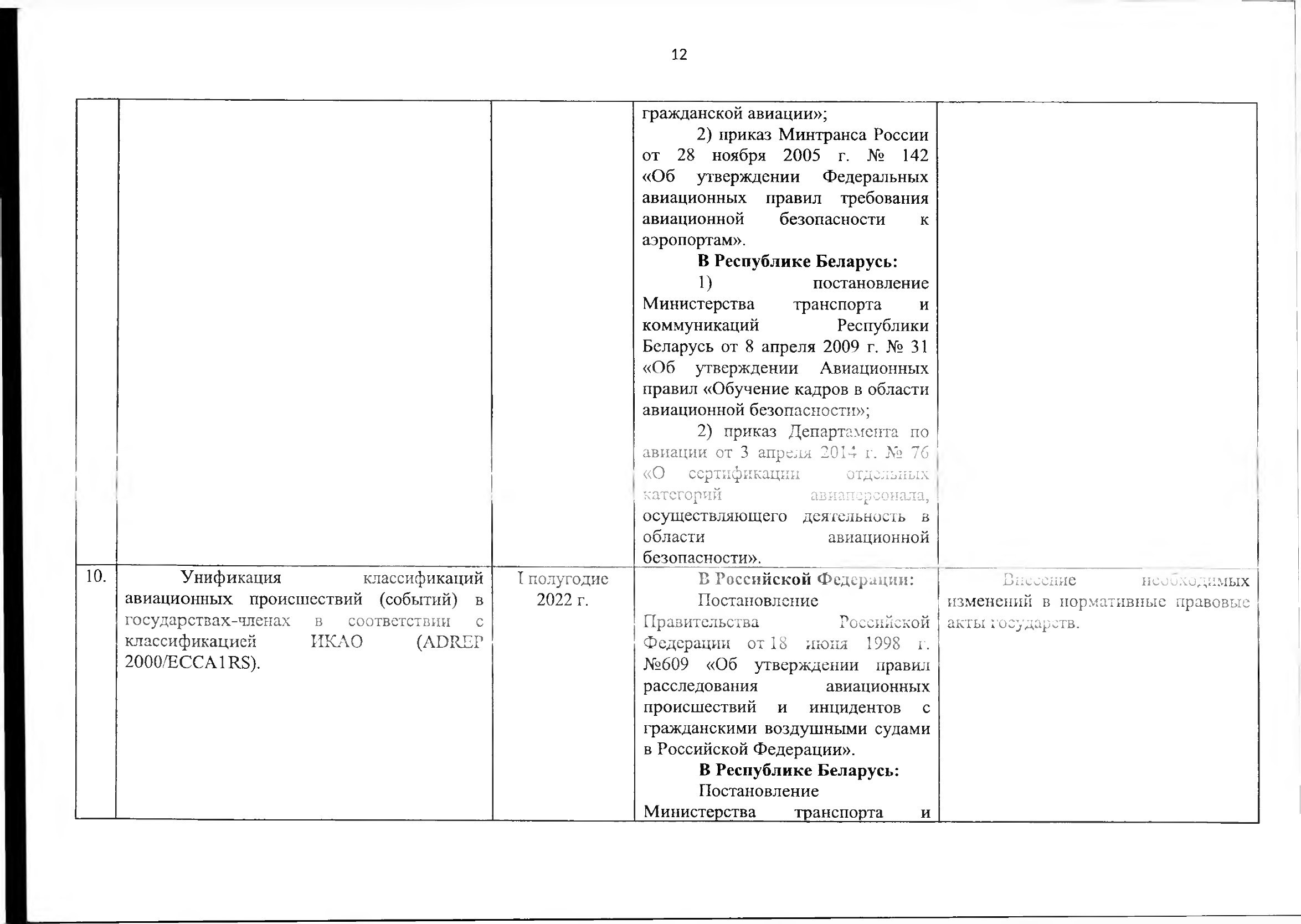
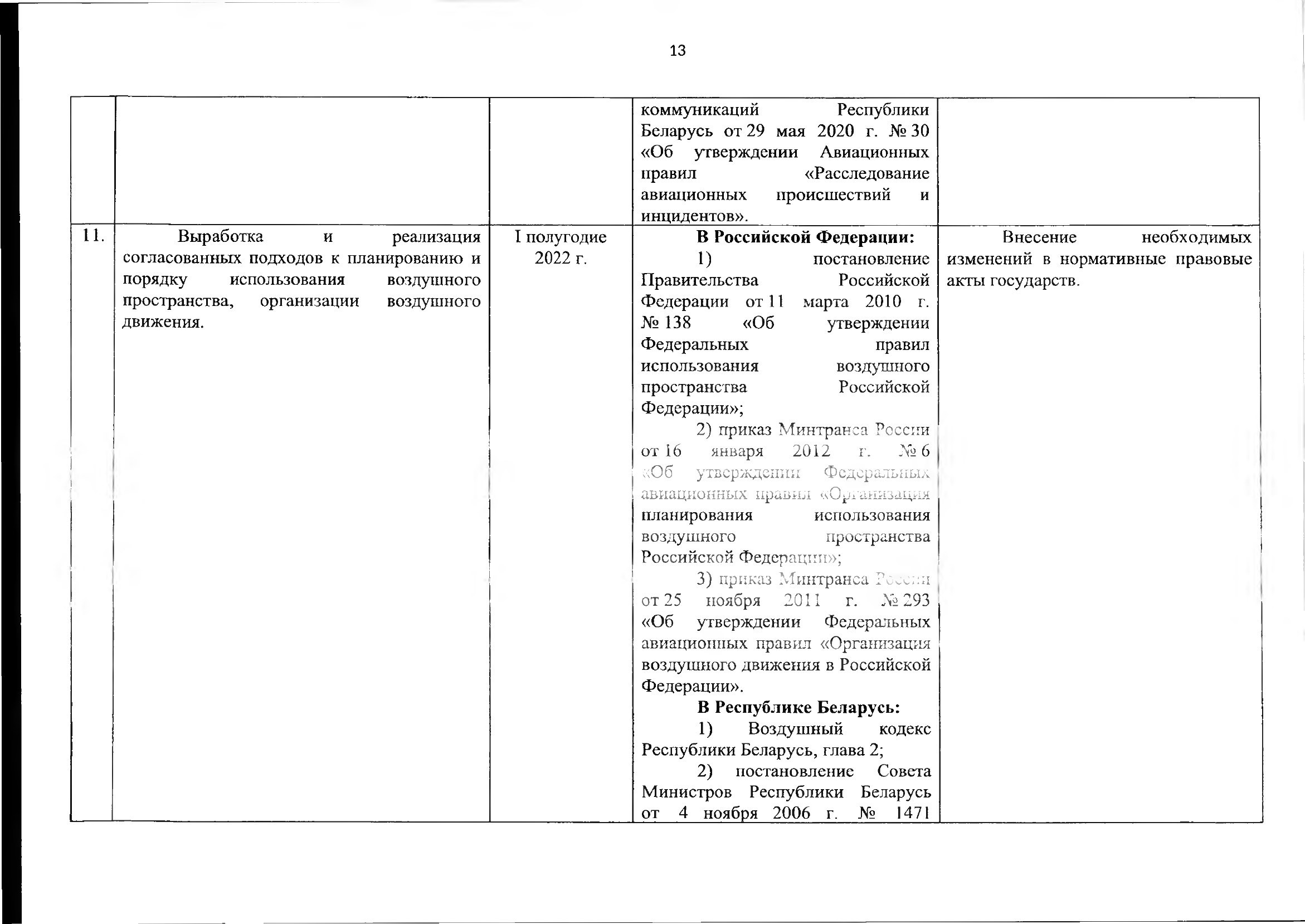
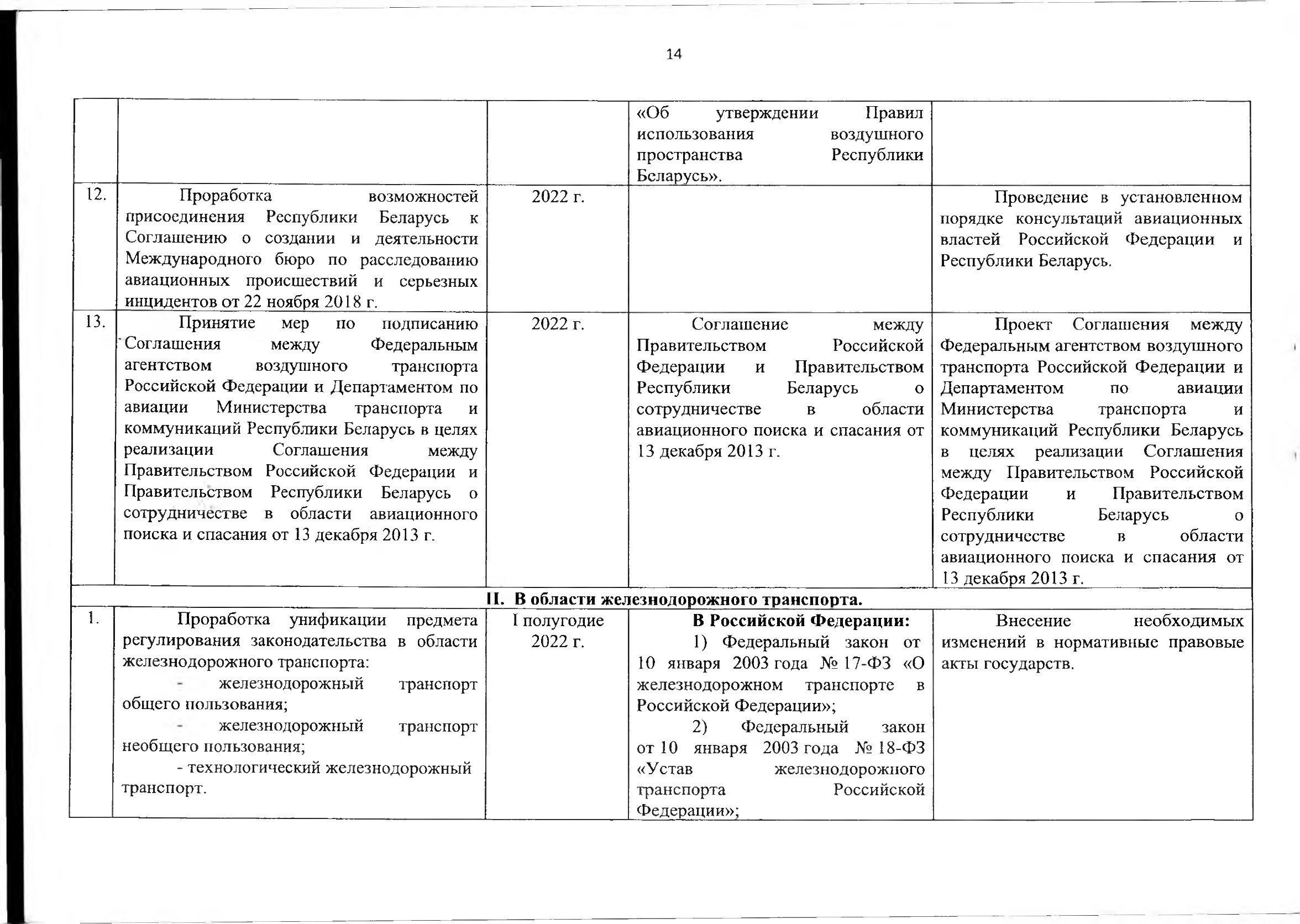
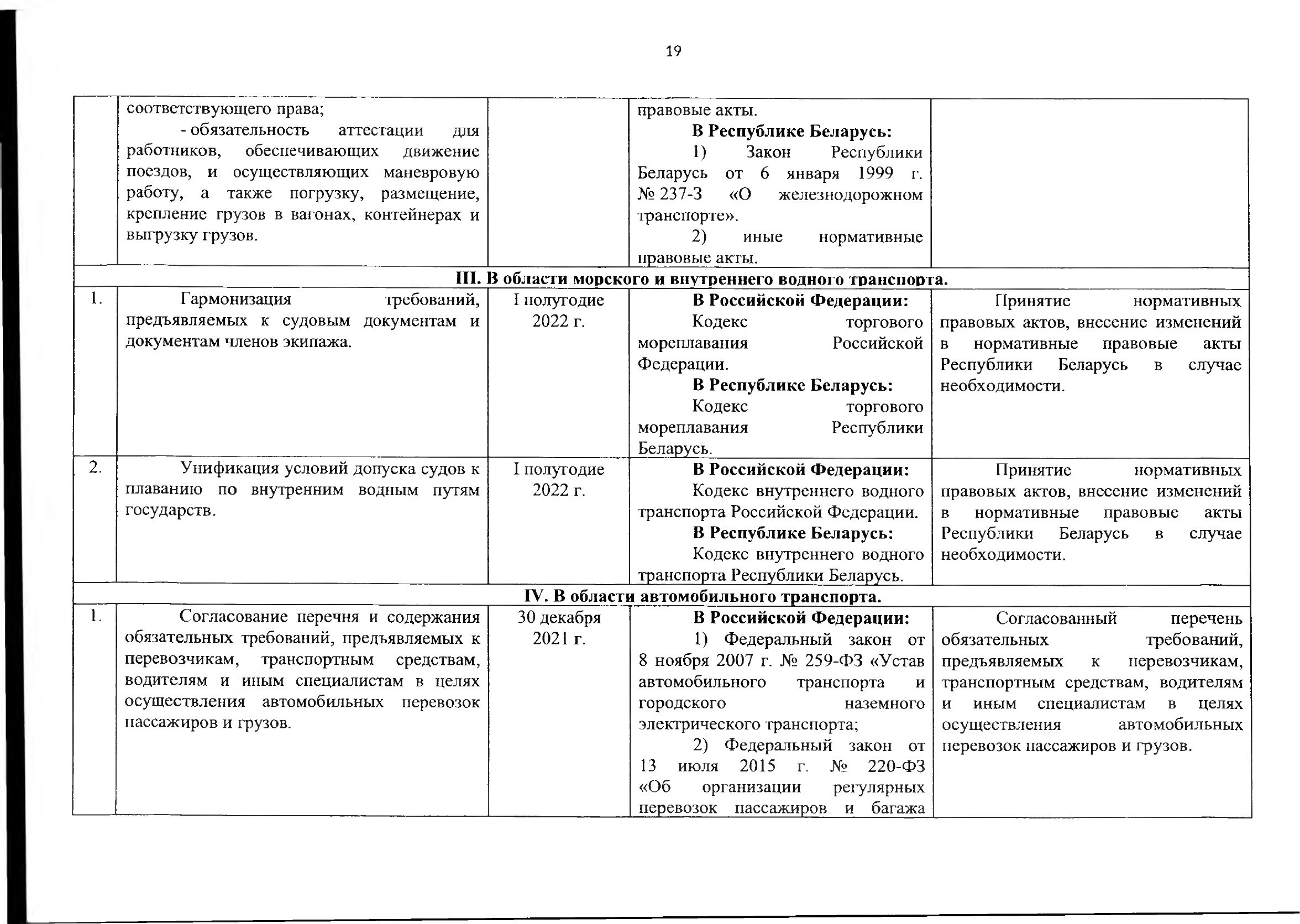
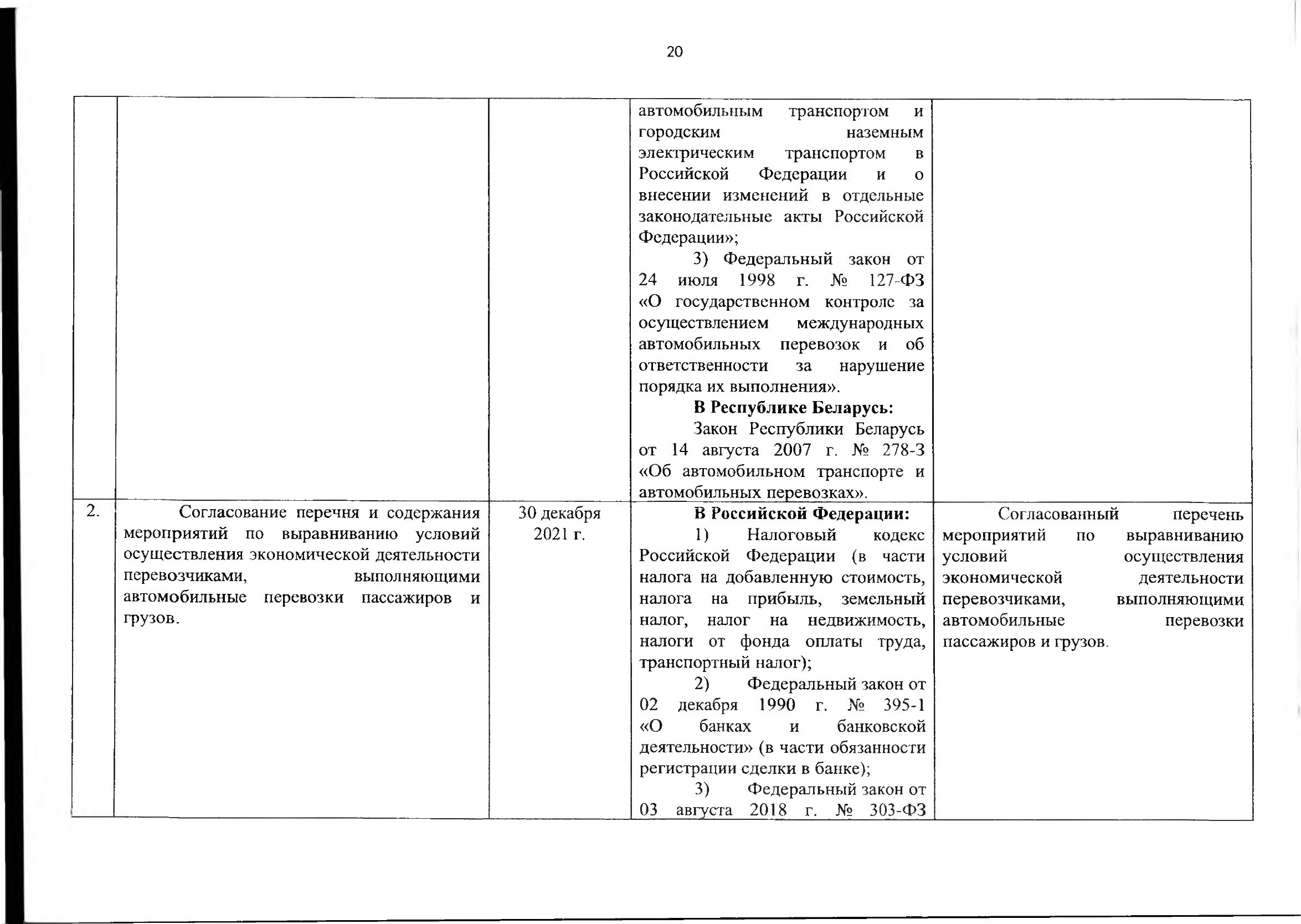

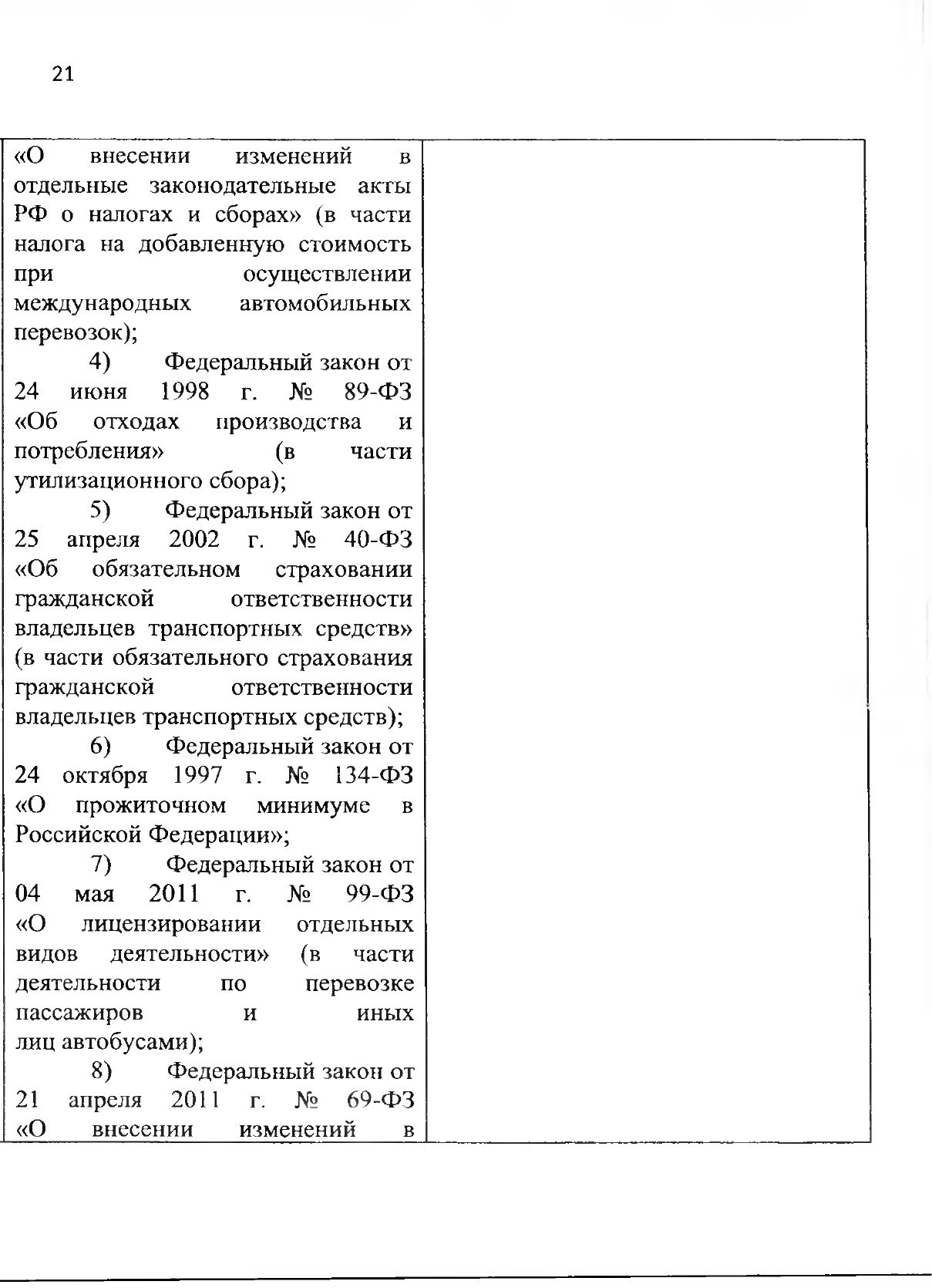

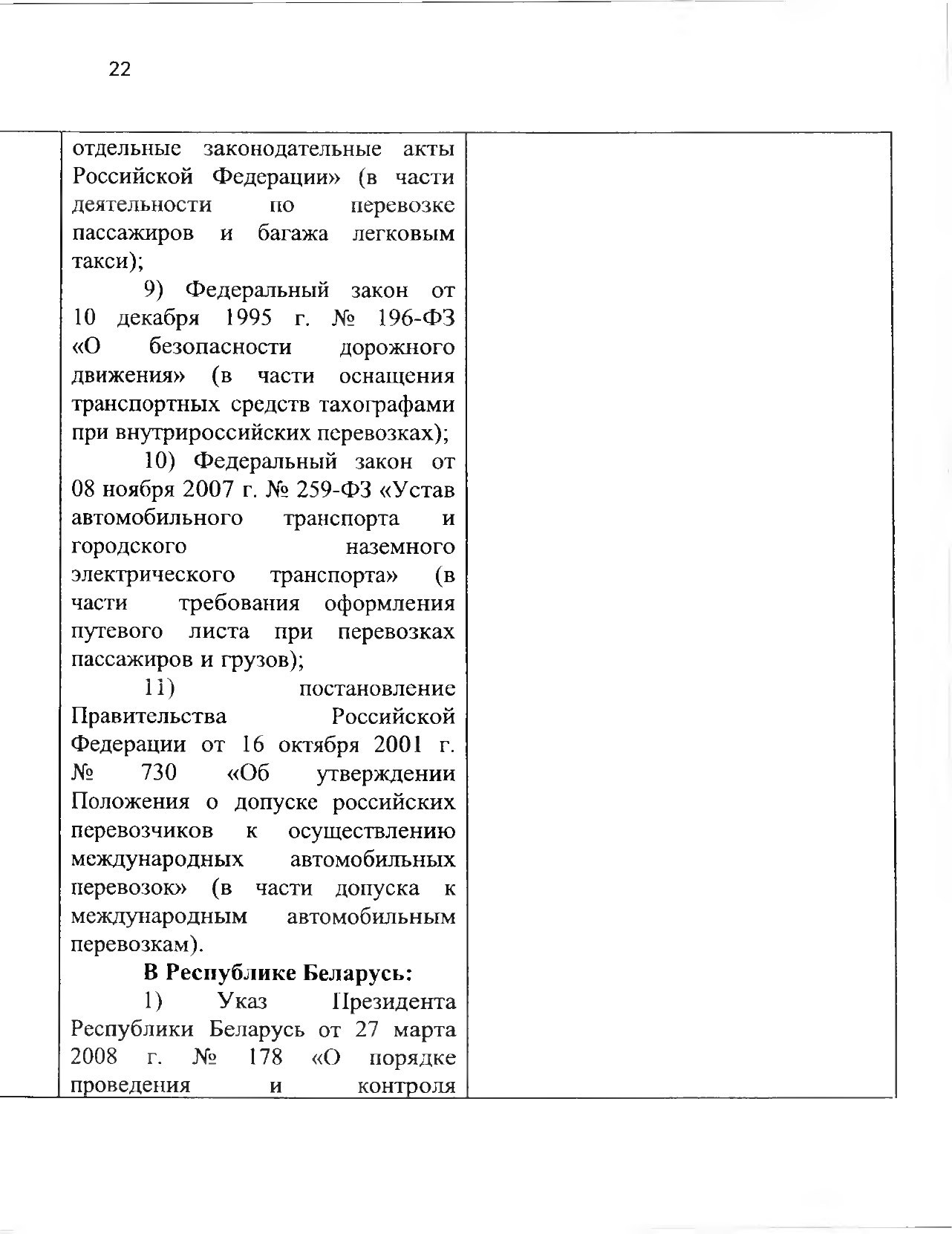


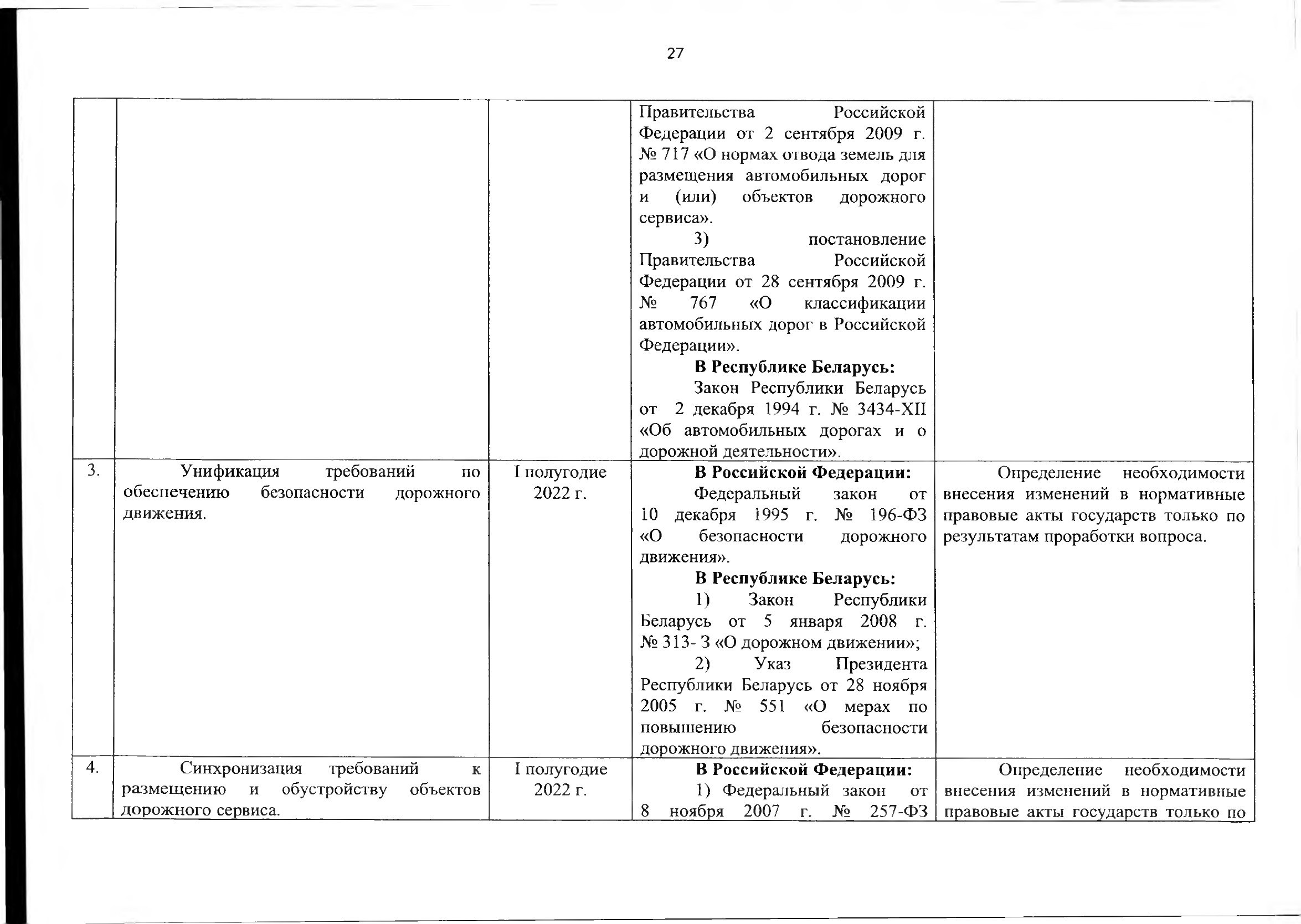

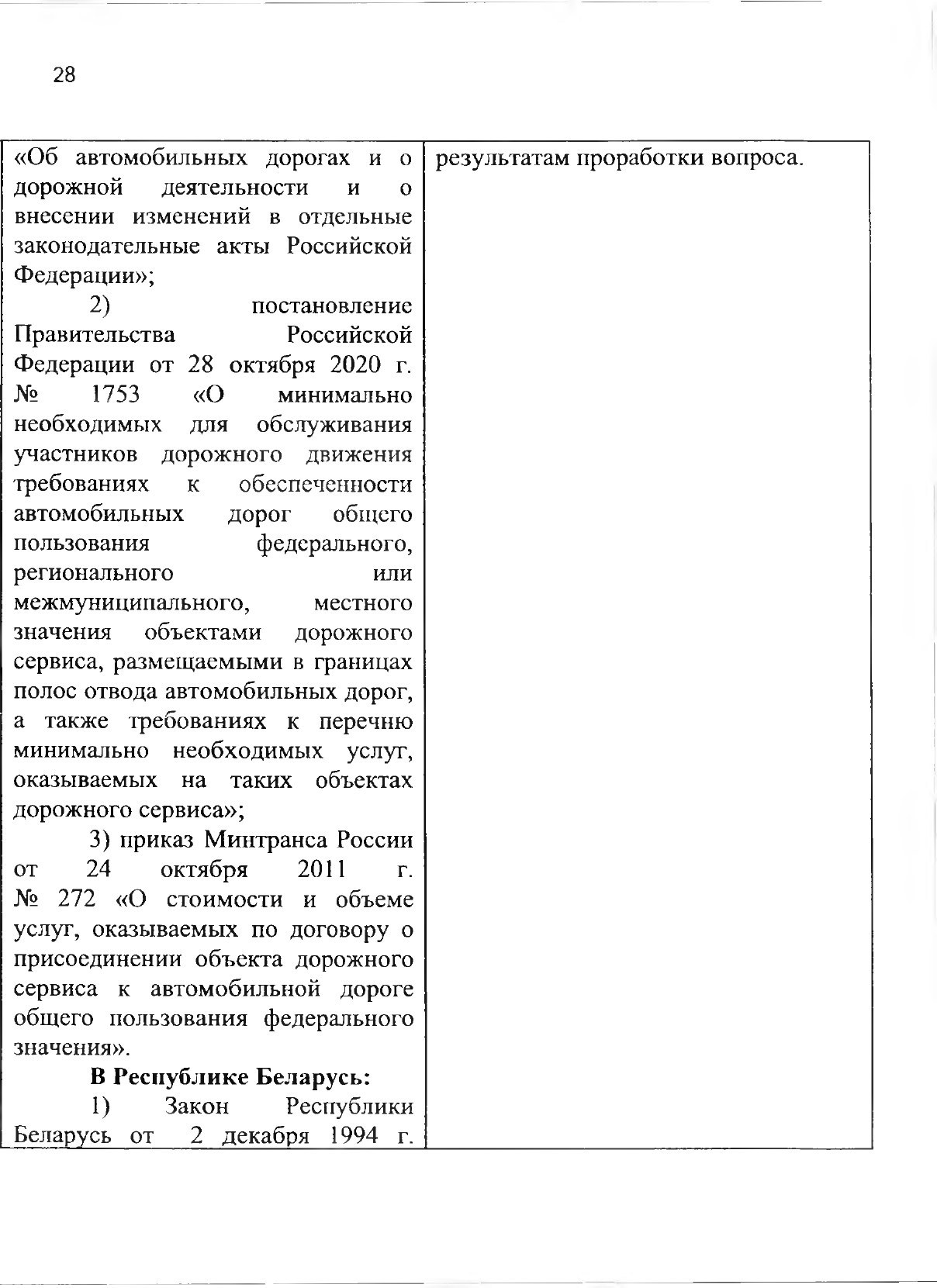
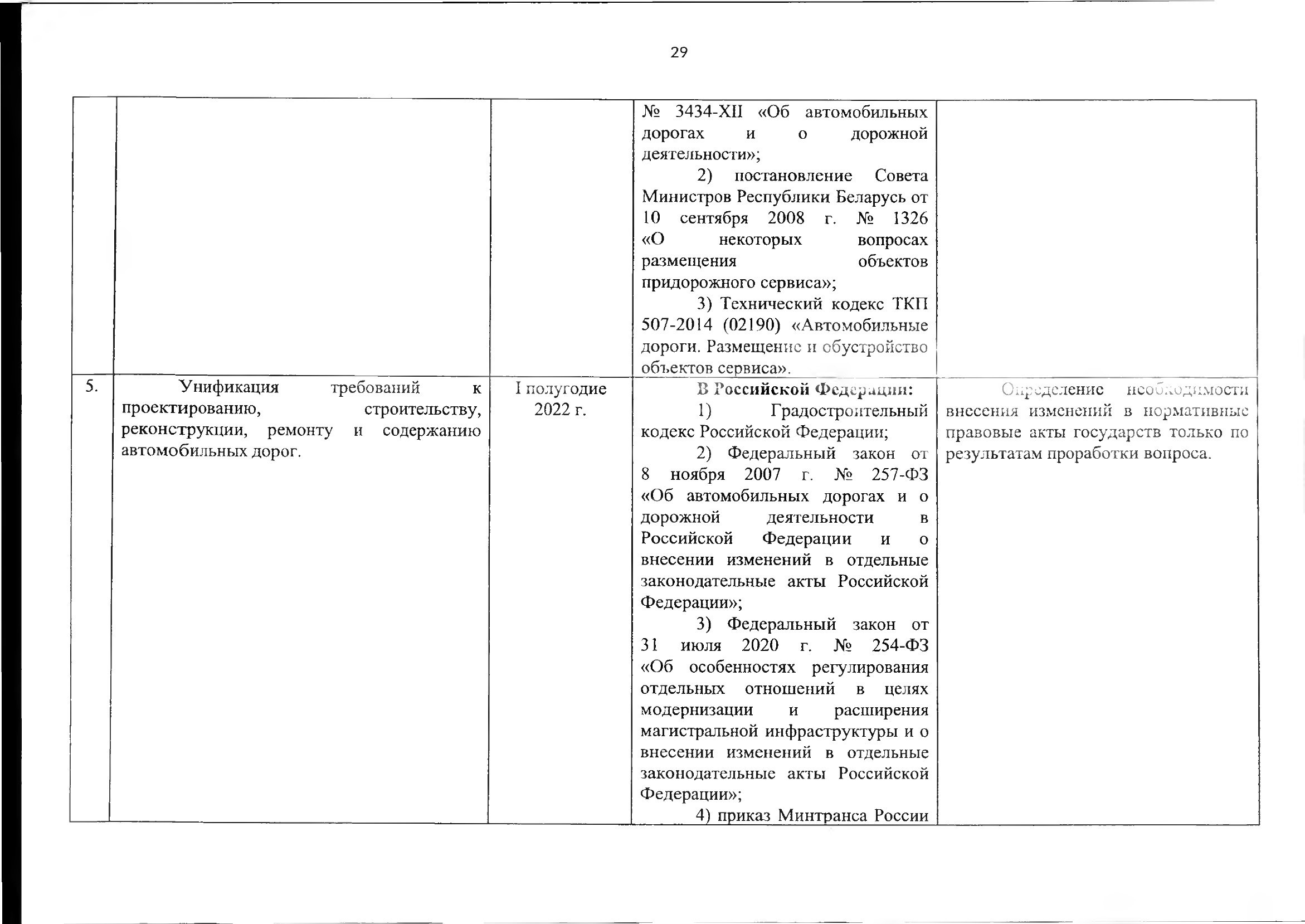
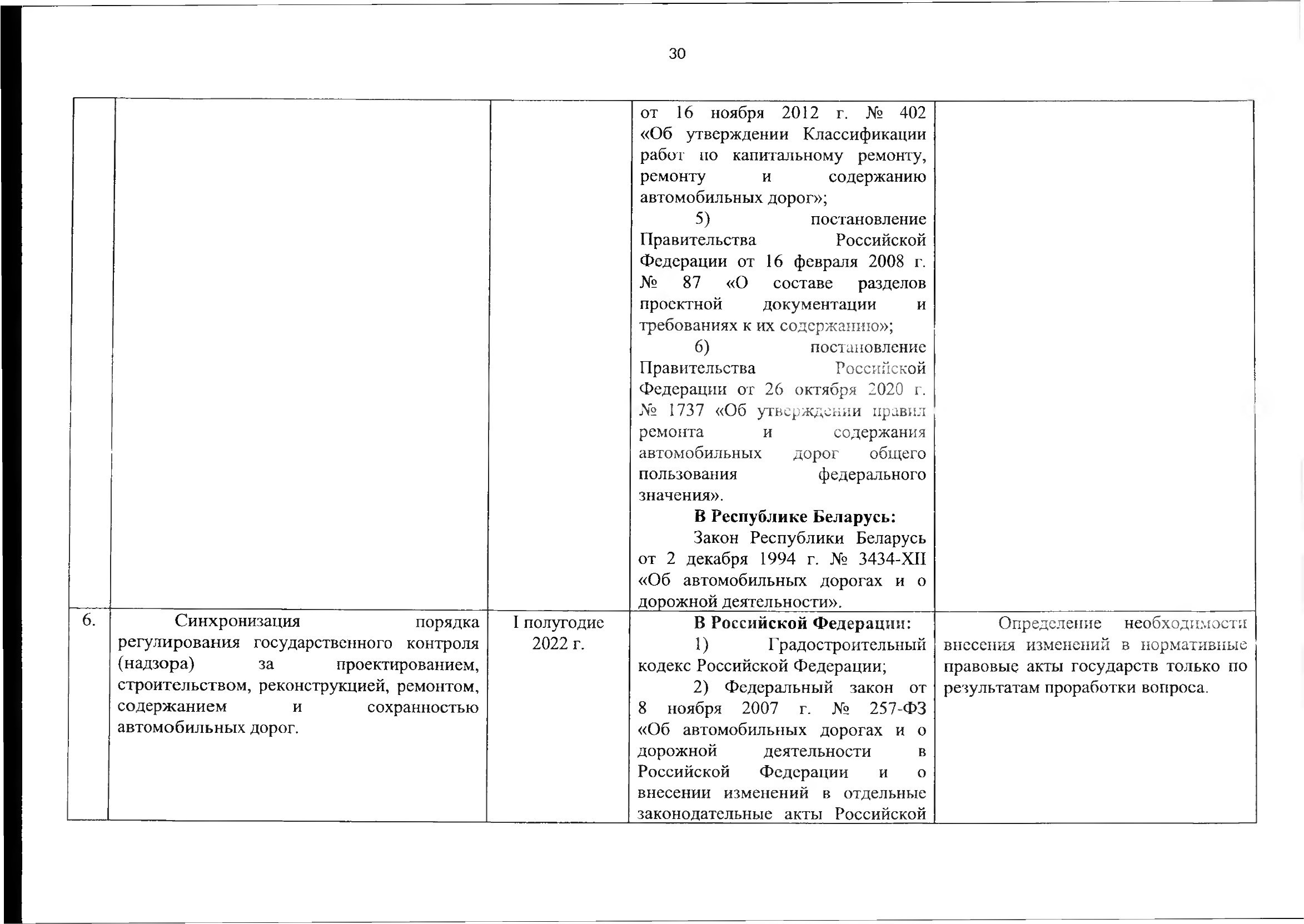
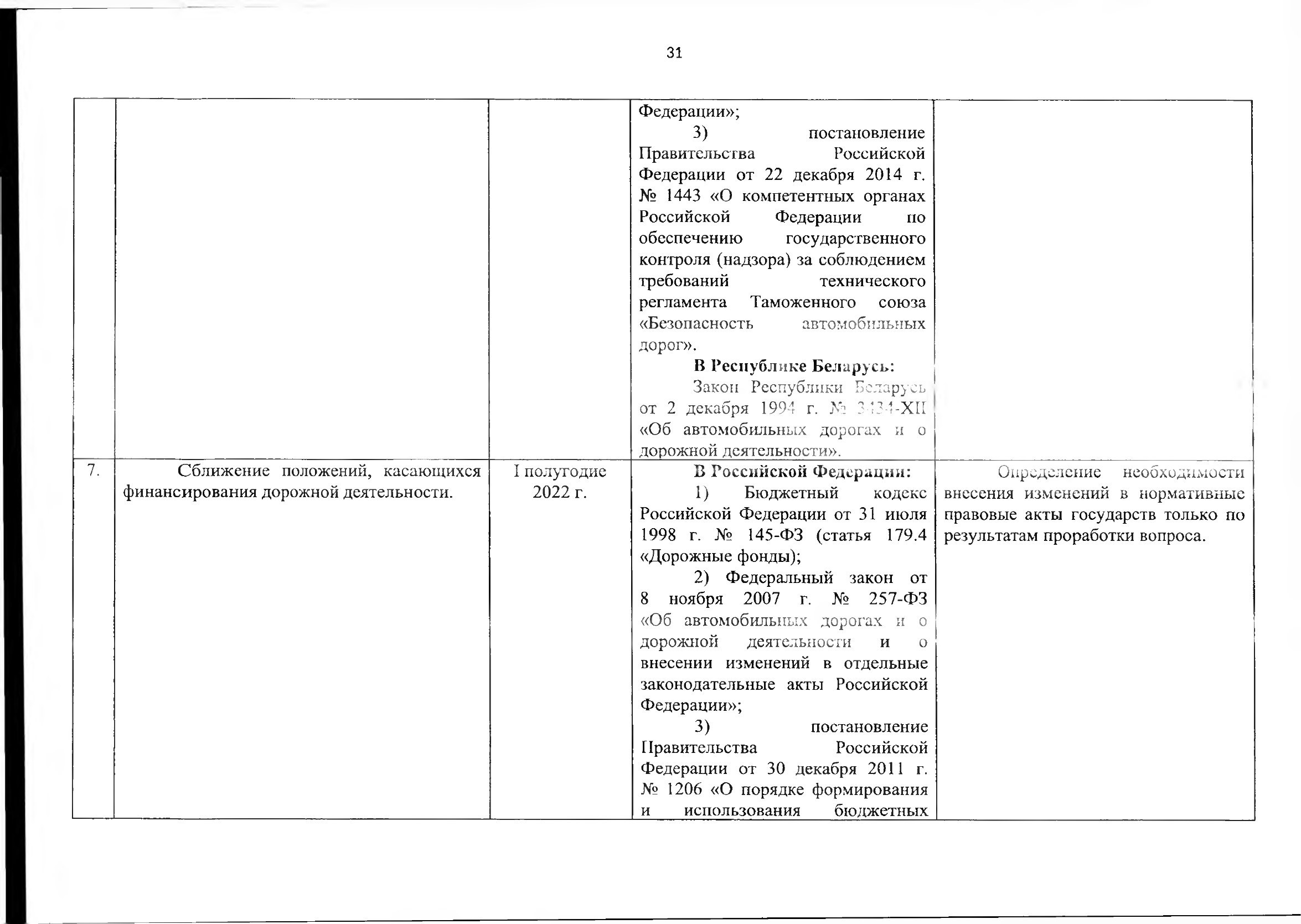
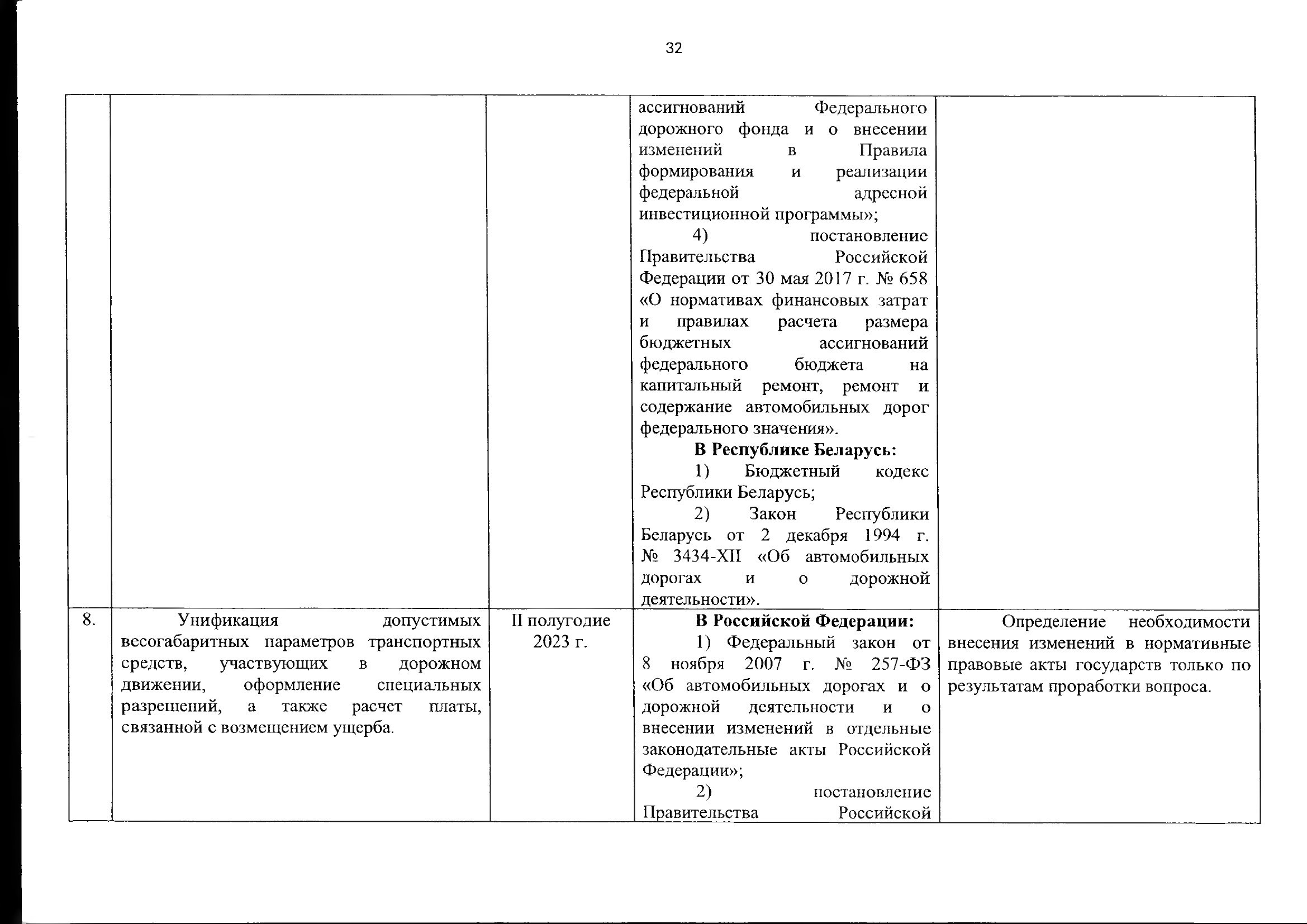
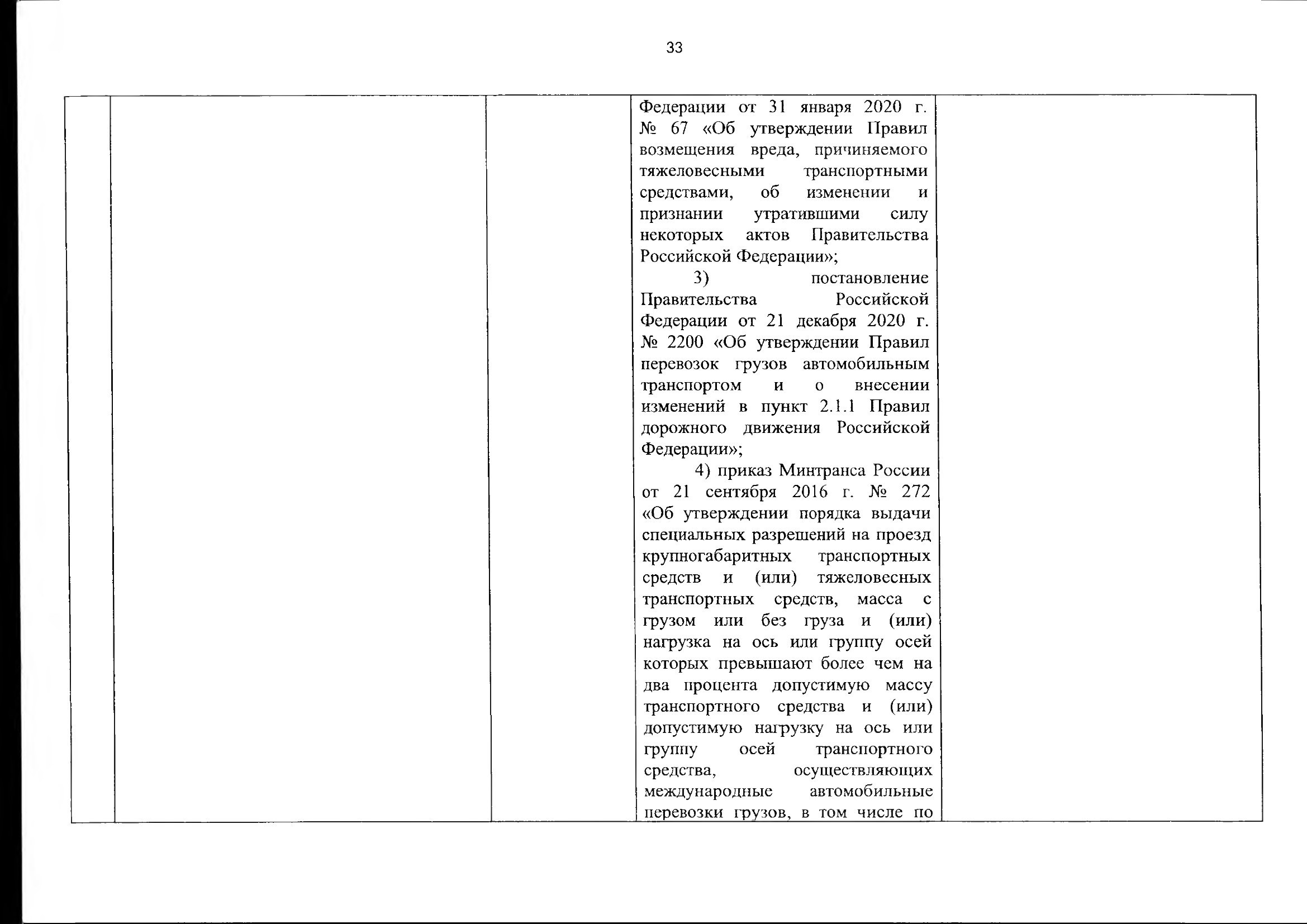
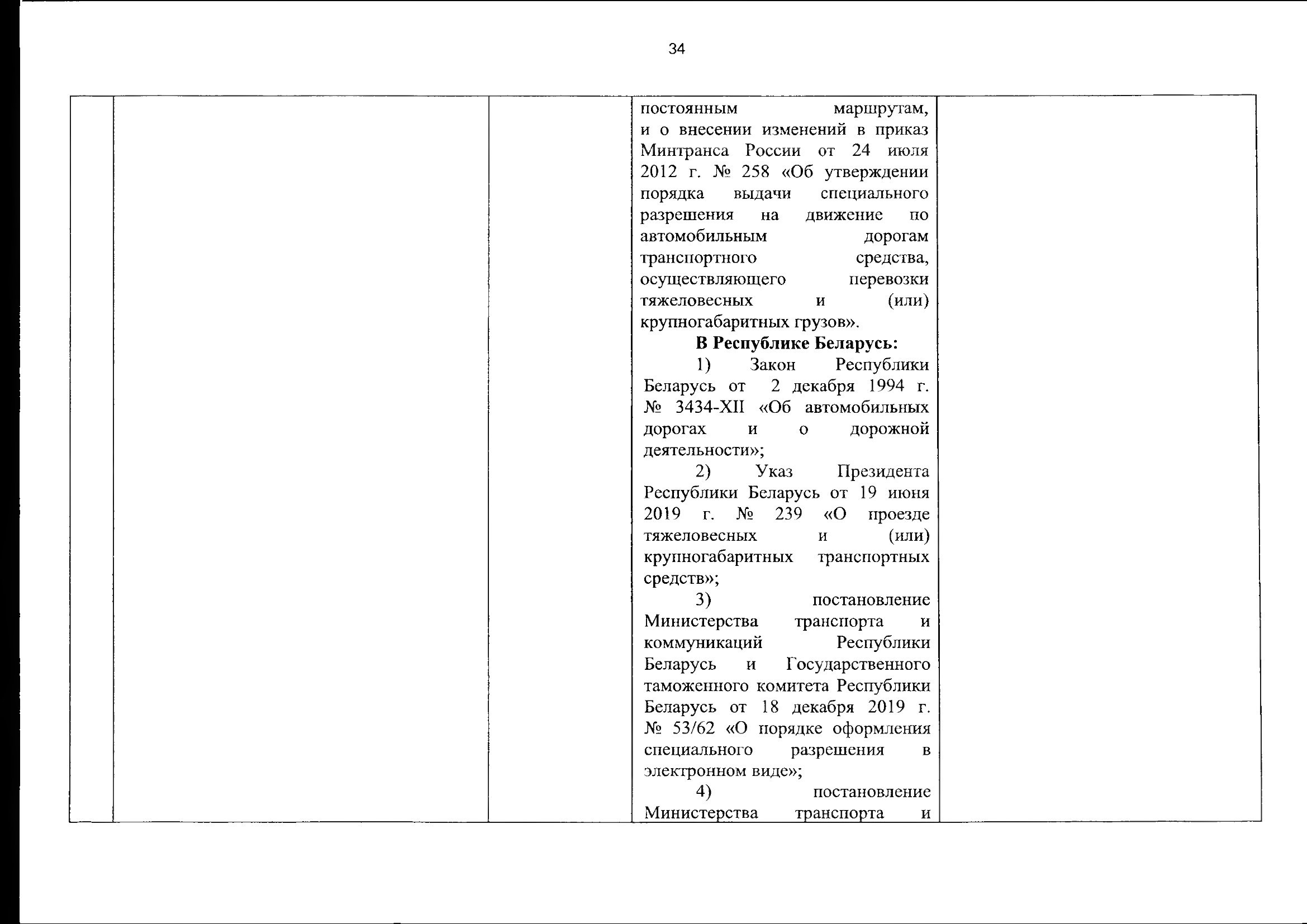
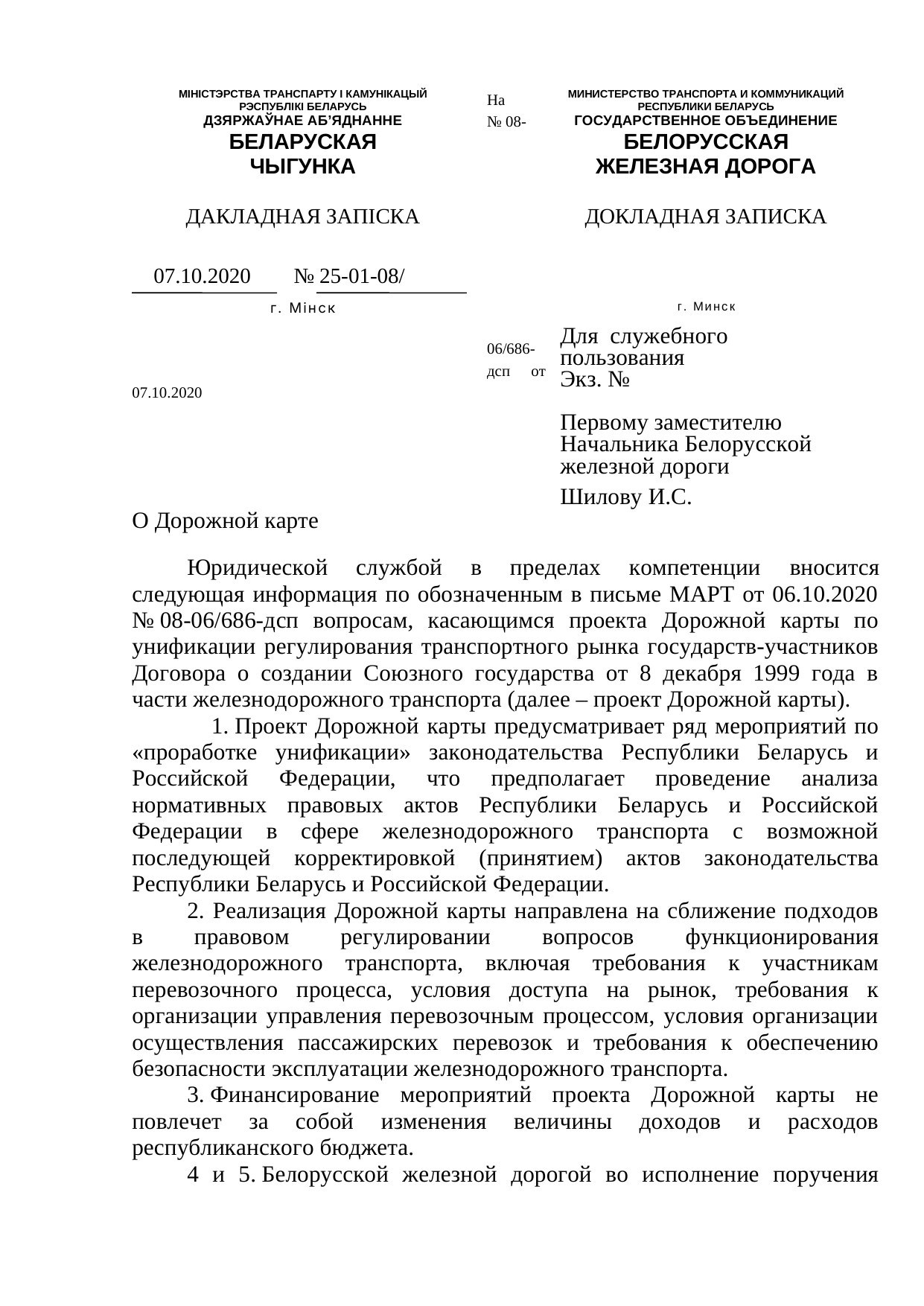
The risk assessments BCh submitted “up the chain” were consistently the same. In December 2019, on instructions from the Council of Ministers, and in October 2020, in response to questions from the antimonopoly ministry, BCh stated that implementing the roadmap did not entail “any losses or benefits, nor any risks of eroding the sovereignty and independence of the Republic of Belarus.”
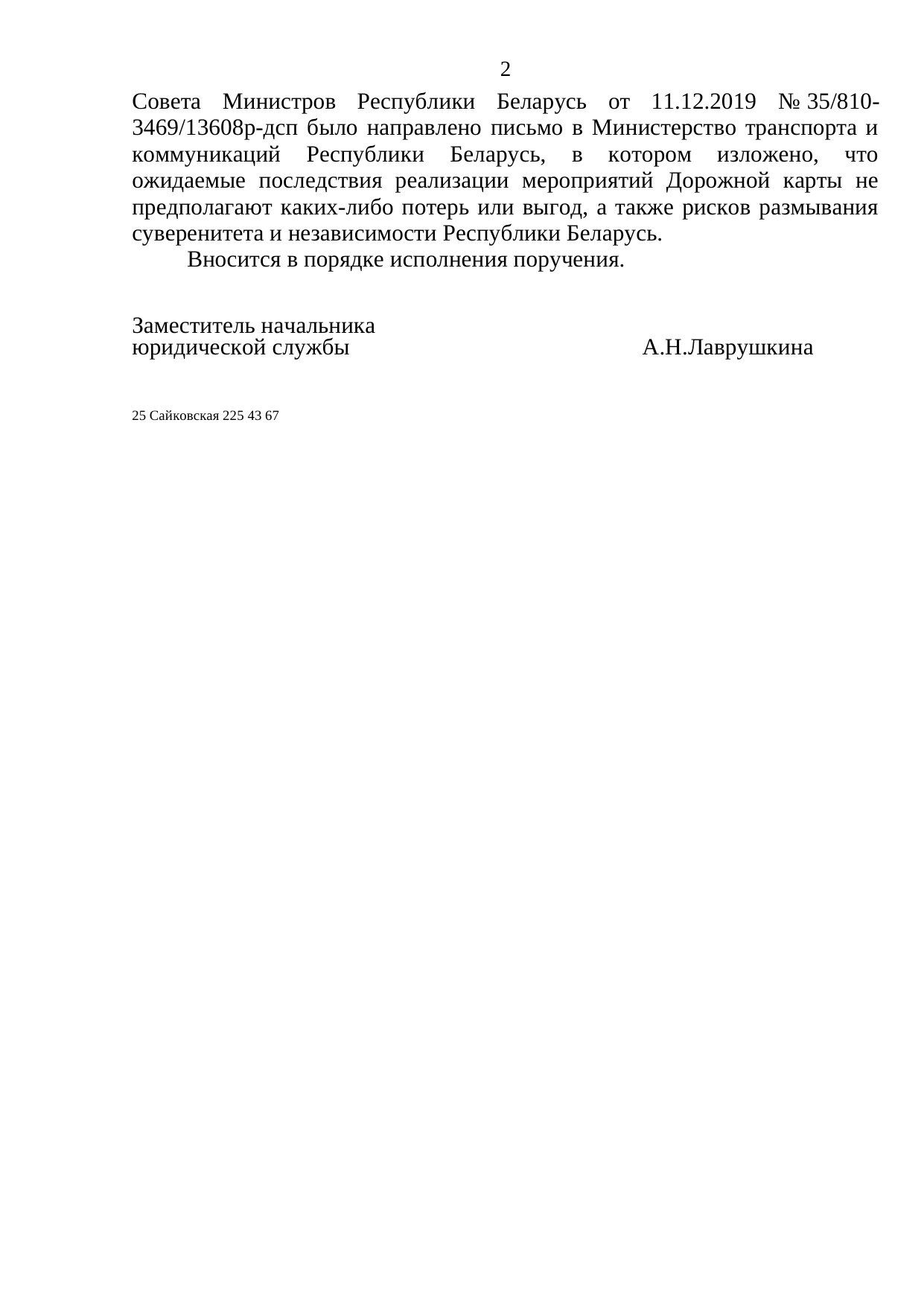
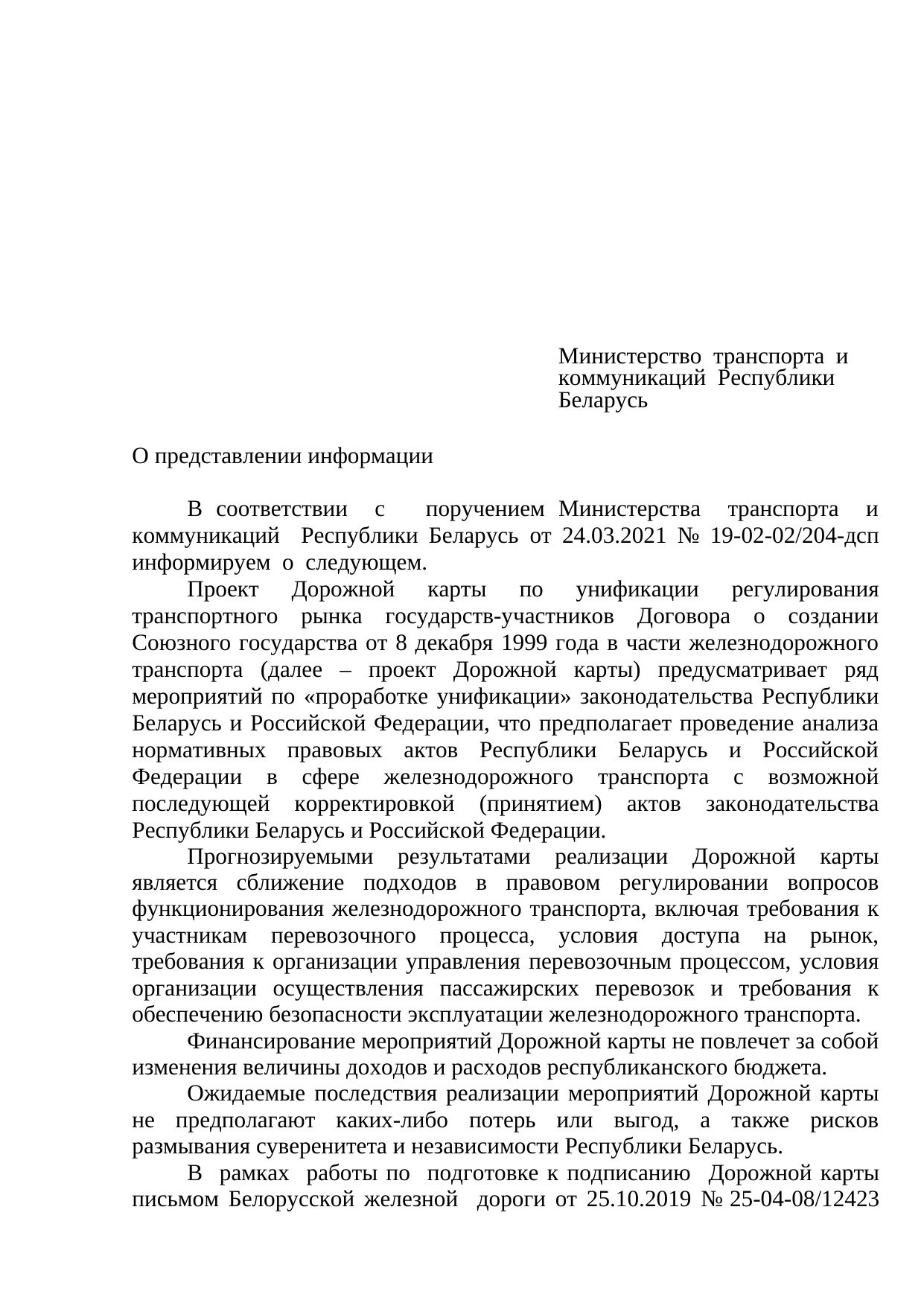
The same formula is repeated in a draft letter prepared in March 2021.
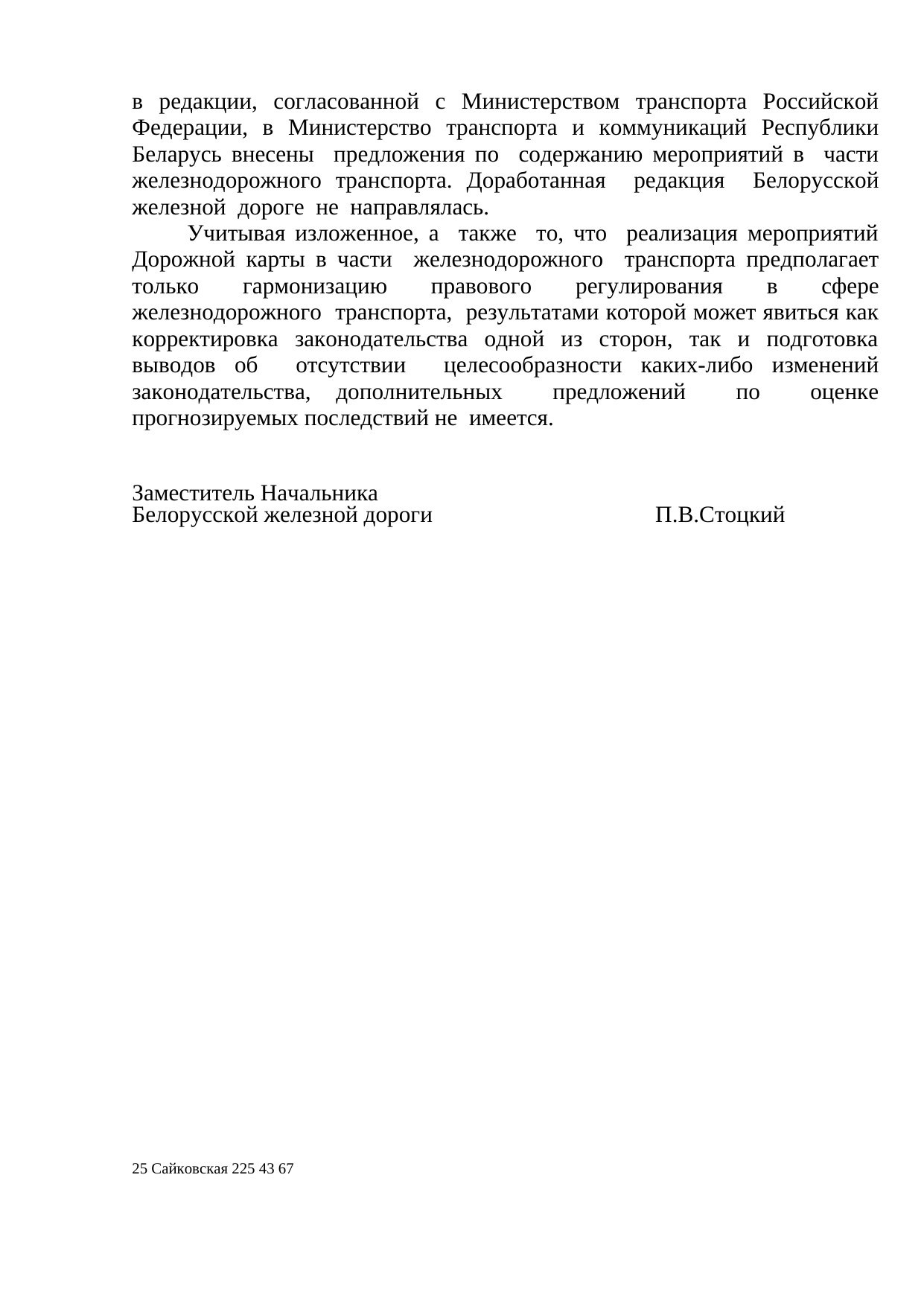
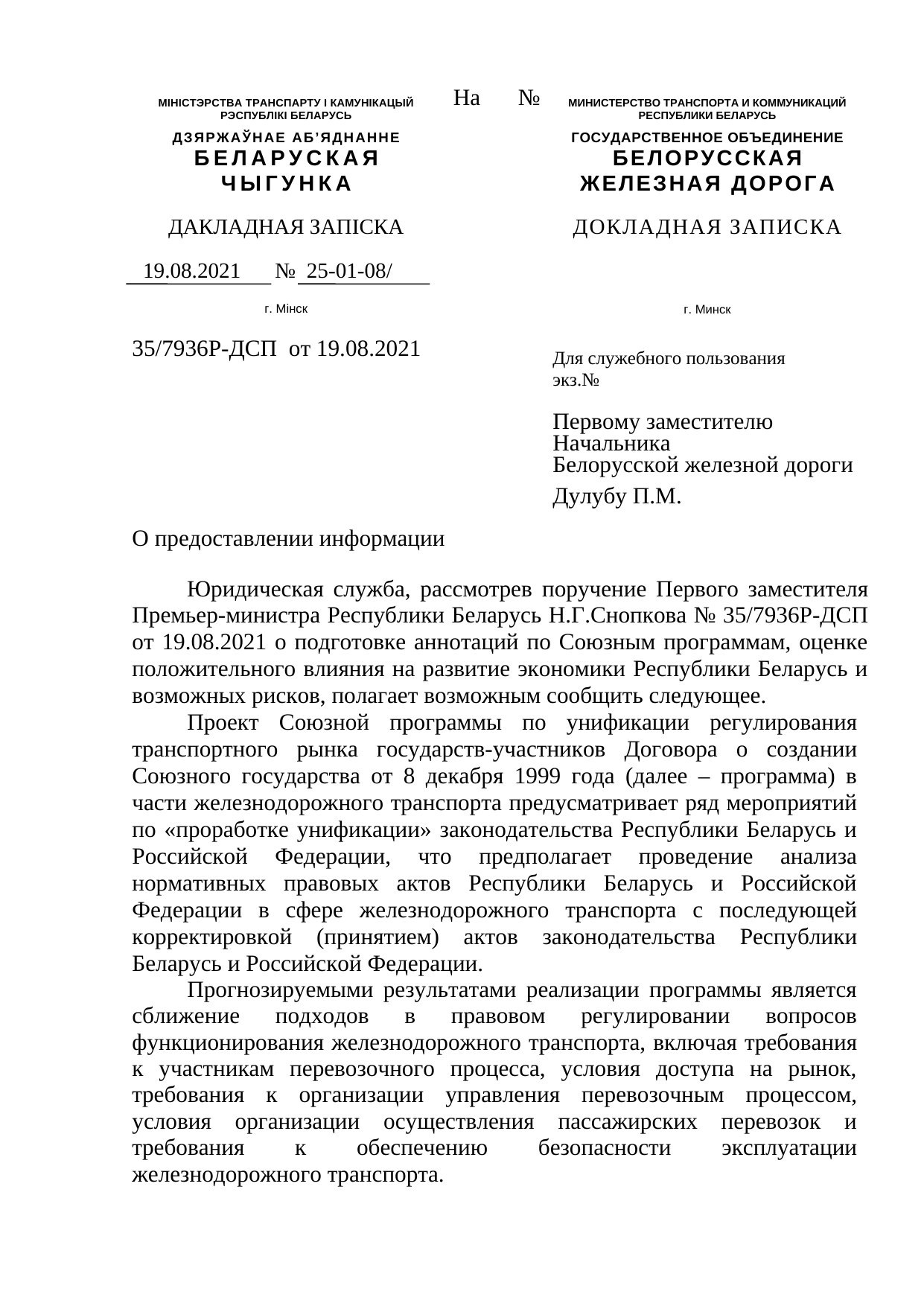
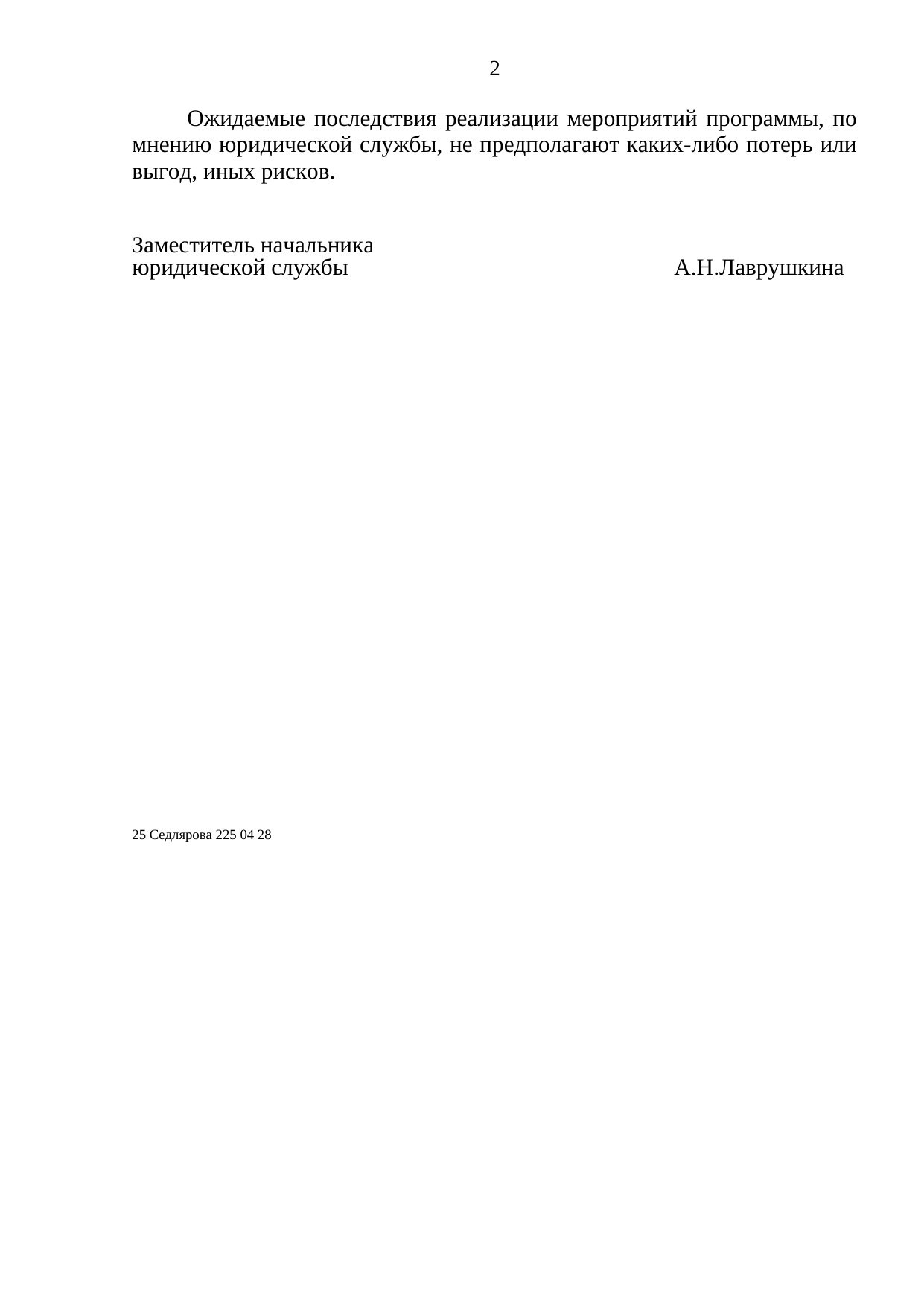
In August 2021, in response to Snopkov’s instruction to assess the Union programs, BCh’s lawyers limited themselves to the formula “do not entail any losses or benefits, or other risks.” Given that two years earlier the same body saw no problems that unification could solve or eliminate, the conclusion follows logically: the program is safe precisely because it changes nothing.
How it all ended, we wrote about in January 2023: of the nine railway items, only one was partially executed, and some amendments were made to the Charter of General-Use Railway Transport. In December 2022, Lyakhnovich and, once again, Zverev signed the minutes of a working group meeting that formally papered over the non-implementation.
The unification that Moscow had proposed rewriting Belarusian laws for back in 2019 never happened. And, as the new plan shows, it has simply been forgotten.
Now, on to the new plan. The draft for 2027–2029 contains no tariff unification, no licensing, and no carrier access to the Belarusian network. Instead, it includes item 5.10, on equal conditions of access to infrastructure. Only now it is the Belarusian side asking for access — to Russian infrastructure.
The target indicator is formulated as follows: an increase in the volume of cargo transported by rail using Russian infrastructure, by 5% compared to the same period of the previous year, for each half-year of 2027–2029, with the figure given “according to an estimate by Belarusian Railway.” The Russian side’s column contains no figures. It states only that the procedure for annual formation of planning schedules is defined by an intergovernmental agreement, with a note reading “Russian Railways’ proposal.”
The mechanism is described through already existing instruments: sessions of the Joint Commissions under the 2021 agreement on the transportation and transshipment of petroleum products, and under the 2022 agreement on cargo through transport corridors. Planning schedules for the following year are agreed upon in December. In other words, the volume of Belarusian exports through Russian ports and border crossings continues to be determined by annual bargaining at the administrative level, rather than by a fixed obligation.
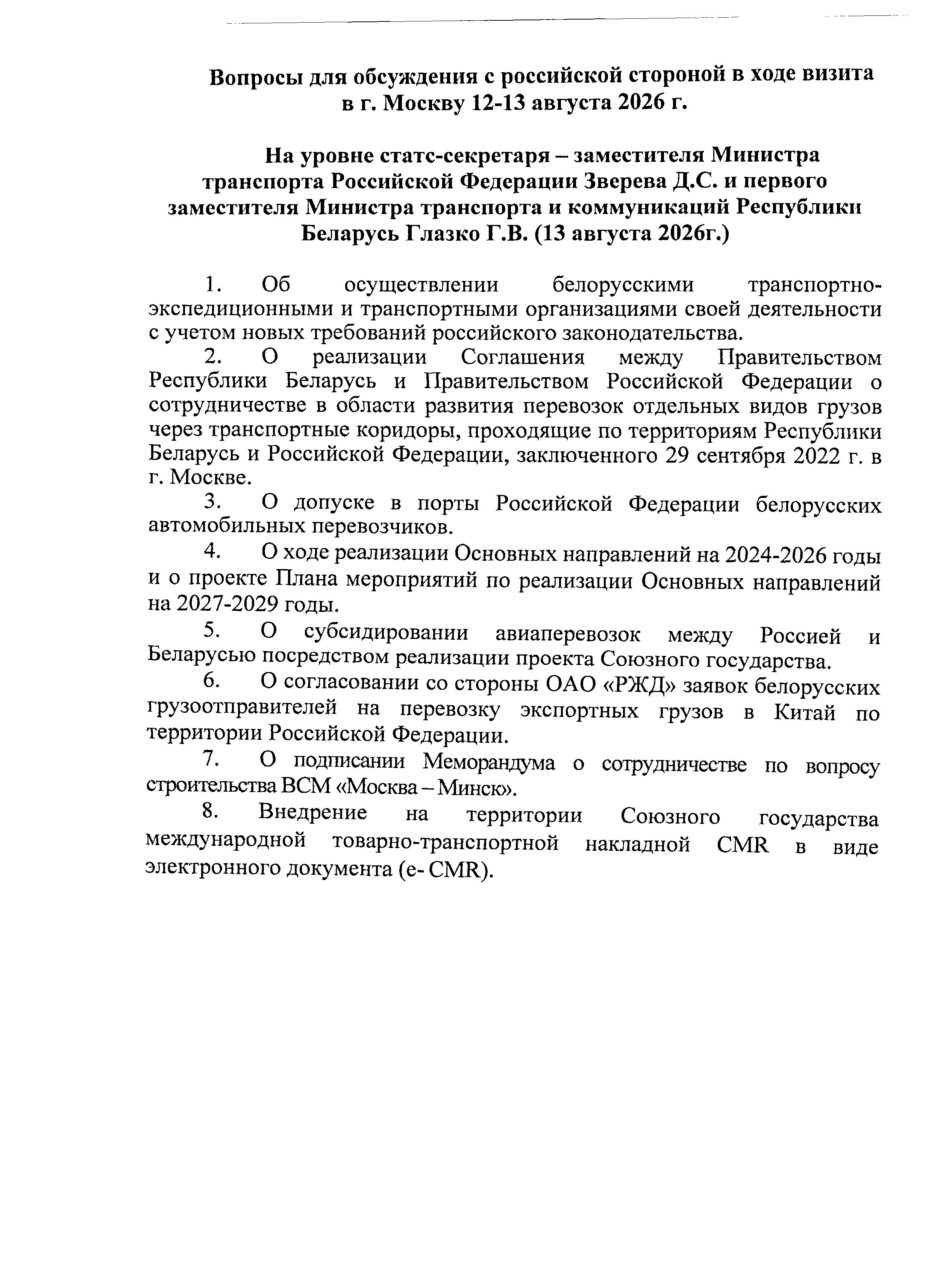
What exactly dissatisfies Minsk is evident from the agenda of the August talks. At the Zverev–Glazko level on August 13, the agenda included “approval by Russian Railways JSC of applications from Belarusian shippers for the transportation of export cargo to China across the territory of the Russian Federation.” At the expert level on August 12, the railway block looked as follows:
- implementation of the 2022 agreement on cargo through transport corridors;
- increasing and agreeing on volumes declared for transportation along the Belarus – Russia – China route;
- requests from Belarusian shippers for transportation discounts;
- a trilateral intergovernmental agreement between Belarus, Russia and Kazakhstan on the export of Belarusian export products “with guaranteed agreement on transportation volumes and determination of freight rates, including through the use of a ‘take-or-pay’ mechanism”;
- a memorandum on the Moscow – Minsk high-speed rail line and passenger service.
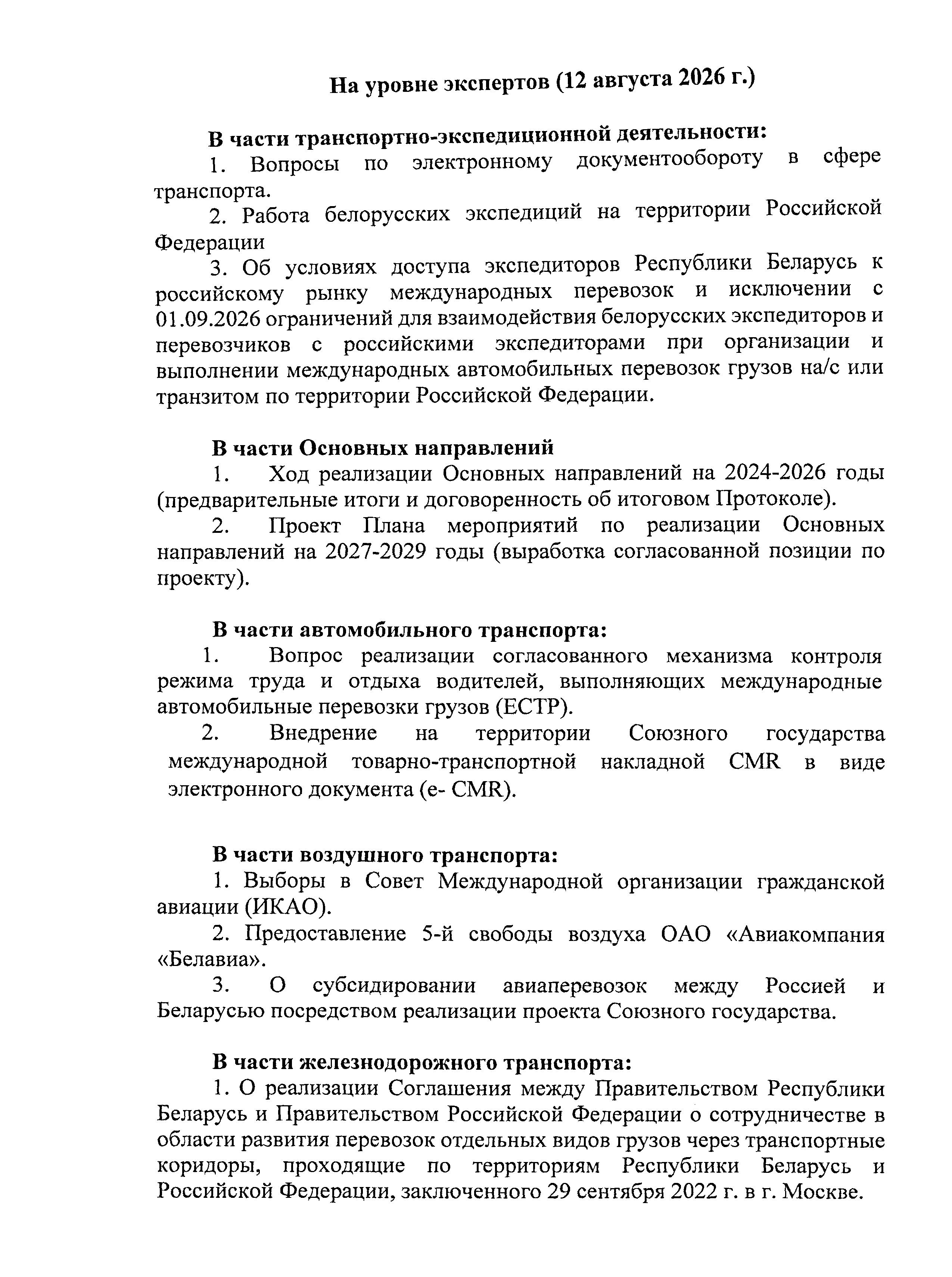
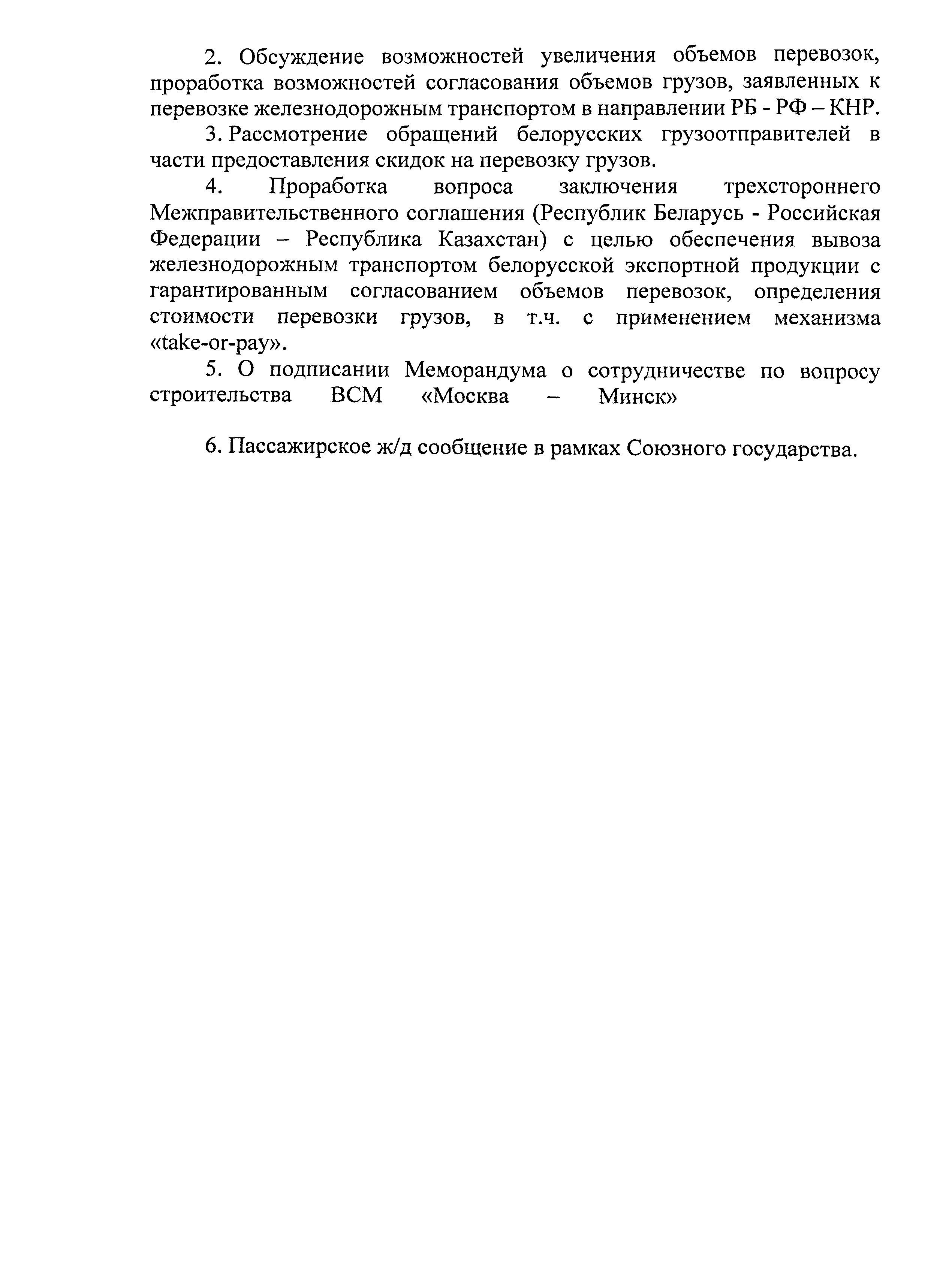
The trilateral agreement deserves a close reading. In rail logistics, take-or-pay means that the shipper pays for the declared volume regardless of actual shipment, while the carrier is obligated to move that volume. Such a rigid arrangement is proposed precisely when informal, working-level agreements stop working. If Minsk is willing to discuss such a scheme, it means that transportation applications (Form GU-12) for the Chinese direction via the Russian network are far from always being approved.
The Kazakh route does not solve the problem either, since it also runs via the Russian network. According to KTZ data, between January and April 2026 freight traffic between Belarus and Kazakhstan grew by 19.6%, to 2.3 million tonnes, but transit of Belarusian exports through Kazakhstan amounted to only 0.75 million tonnes. Without Russian Railways, there are no guarantees — hence the idea of a trilateral document.
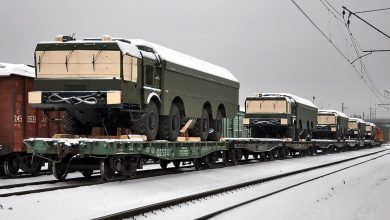
We have already written about the consequences of insufficient carrying capacity: the shortage of flatcars on BCh caused by military transport and the fruitless export logistics meeting in May. Item 5.10 does not solve these problems — it merely confirms that they will be resolved in Moscow.
Another railway section of the plan concerns passenger service. Against the backdrop of loud statements by the leaders of Belarus and Russia, it looks like the most successful part, yet it too shows how disconnected the document is from reality.
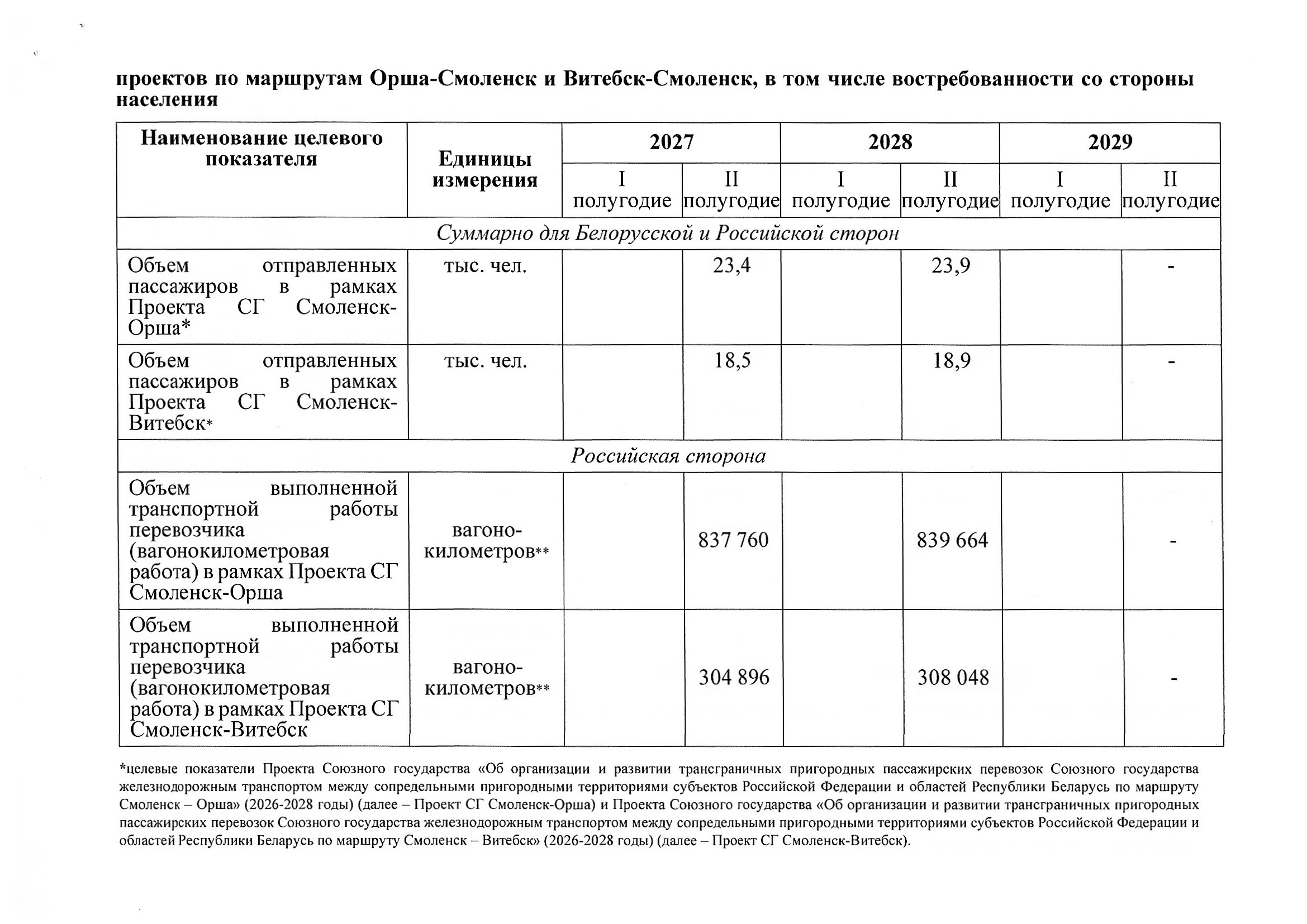
The cross-border suburban trains Smolensk – Orsha and Smolensk – Vitebsk began running on April 2, 2026, as pilot projects of the Union State. For 2026–2028, 940.7 million Russian rubles have been allocated to them from the Union budget. The planned passenger volume under the Union State Council of Ministers’ resolutions is 63,000 people on the Orsha route and 47,100 on the Vitebsk route over all three years.
The actual figures look different. According to Central Suburban Passenger Company JSC (CPPK), between April and September 2026 the two routes together carried more than 62,000 passengers — that is, more than half of the three-year plan within just six months. The Vitebsk route alone carried more than 15,000 people between April and June.
| Indicator, thousand passengers | Smolensk – Vitebsk | Smolensk – Orsha |
| 2027 draft plan target | 18.5 | 23.4 |
| 2028 draft plan target | 18.9 | 23.9 |
| Plan for the entire 2026–2028 period (Union State Council of Ministers’ resolutions) | 47.1 | 63 |
| Actual figures for April–June 2026 | more than 15 | about 10 |
In other words, the Vitebsk route’s target for the whole of 2027 is only slightly higher than what the route actually carried in a single quarter. (In the plan, these figures appear in the second-half-of-year column and are given as combined totals for both routes.) The ranking of the two routes is also mixed up: in the plan, Orsha outperforms Vitebsk, while in practice it is the other way around. A note to the item explicitly states that the figures are based on data from the Russian carrier and are not included in the Belarusian Ministry of Transport and Communications’ system of target indicators. The Belarusian Ministry of Finance, for its part, has proposed rewriting the item: summing up the pilot projects’ results in 2029 by a resolution of the Union State Council of Ministers, with the type and level of documents for new routes still to be determined.
The plan for the Moscow – Minsk high-speed rail line was already out of date by the time it was agreed. The draft envisages signing a memorandum of cooperation sometime in 2027–2029, while the line for the intergovernmental agreement contains a question mark and empty columns. In the meantime, the memorandum was signed by Ministers Andrei Nikitin and Alexei Lyakhnovich on October 1, 2026, in Minsk. The route is about 715 km long, running via Smolensk; Russian Railways is beginning a preliminary feasibility study, and the financial and economic model is expected to be approved in 2028–2029. No cost has been announced. According to the Russian Ministry of Transport, construction on the Minsk section will only begin after key sections of the Moscow – St. Petersburg high-speed line are launched. We wrote back in 2023 about why this project is more political than transport-related (here and here).
In short, until 2029 the Union plan contains nothing on the high-speed line beyond a memorandum and a working group.
Besides the railway items, the plan includes measures relating to international bus transport, aviation, aircraft manufacturing, access of road carriers to Russian ports, and transport control. These are not our area of focus, and we do not analyze them here: we are publishing the full text of the draft plan and the agencies’ letters alongside this article, so interested readers can review them for themselves.
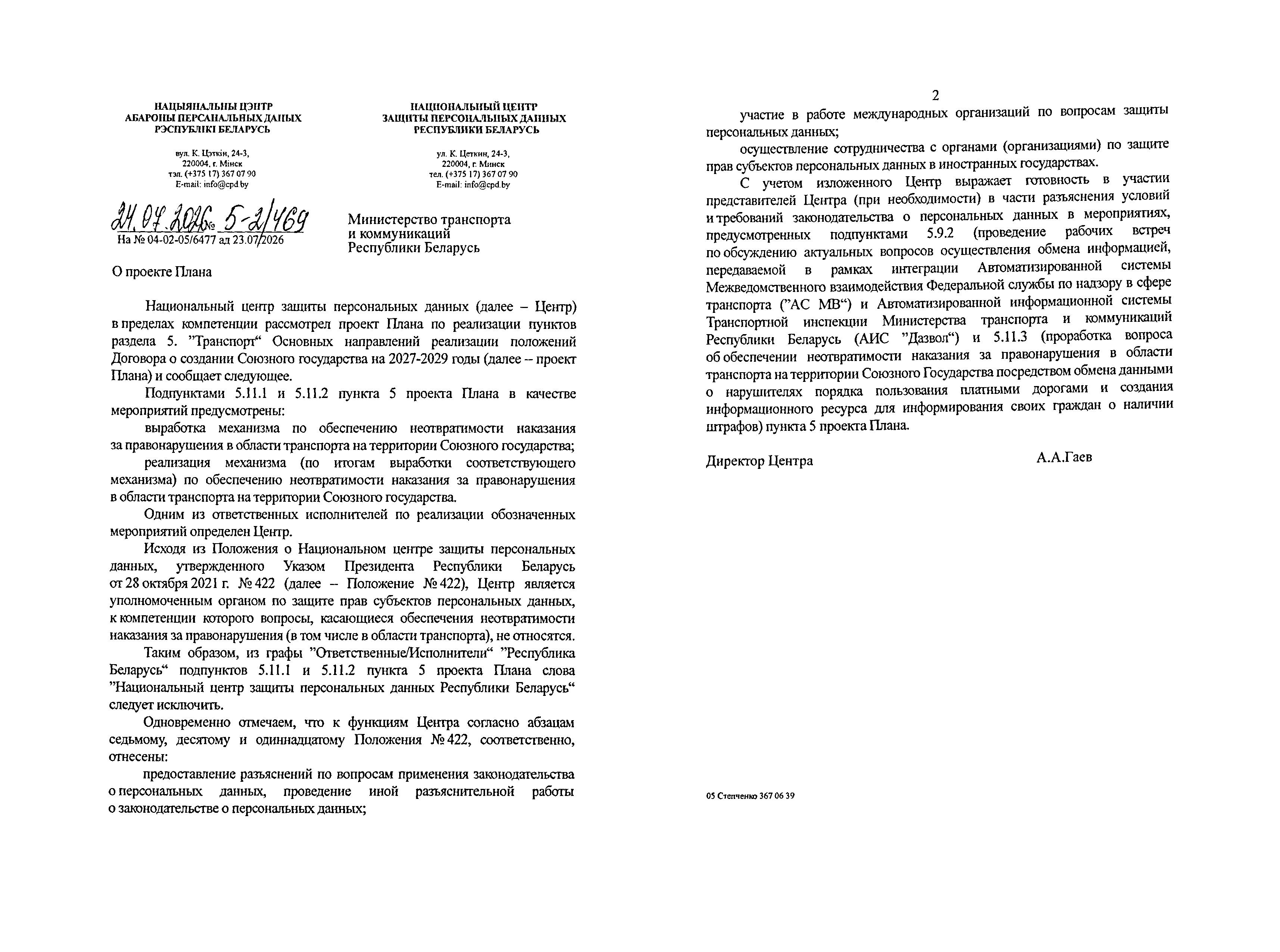
Two more railway items deserve mention.
Track maintenance. The target indicator is 20 km in the first half-year and 30 km in the second, that is, 50 km of repaired public-use track per year. The indicator is fairly modest and, it appears, was included merely as a formality. Instead of a comparable Russian indicator, there is a note stating that the item needs to be broken down by mode of transport. For comparison, according to the Ministry of Transport and Communications, BCh repaired 134 km of track in 2025.
Digitalization. The share of cross-border rail freight shipments accompanied by electronic transport documents is to rise from 88% in the first half of 2027 to 91% by the end of 2029. The Russian side’s column for this item is empty.
Placing the 2019 and 2026 documents side by side reveals not “integration,” but a shift in the “weight classes” of the participants.
In 2019, the Belarusian side still had arguments and the ability to defend them: BCh managed to remove “synchronization,” the consolidated train diagram, and the rewriting of only one country’s laws from the Russian draft, and to bury the rest in language about “further study.” The only items that remained one-sided were licensing and the safety certificate — measures that BCh itself had proposed and intended to use as a filter against foreign carriers. In 2026, Minsk comes to Moscow with requests for approval of applications, discounts, and export guarantees, while recording most of the target indicators in the Union plan against itself. The Russian side takes on almost no obligations of its own in the railway items: for volumes, there is a “Russian Railways’ proposal” and a reference to the intergovernmental agreement; for track maintenance, a note to “break the item down by mode of transport”; for digitalization, an empty column. Figures from the Russian side appear only where its own carrier is concerned — in car-kilometers of suburban trains.
At the same time, the mechanism of Union-level planning itself has not changed. As in 2021, the document contains items with no indicators on the Russian side, measures that become outdated before they are even approved — such as the memorandum on the high-speed line — and indicators that diverge from reality. As in 2022, non-implementation will most likely be papered over with another working group protocol.
The conclusion suggests itself: “Union building” in transport continues to rest not on the fulfillment of its own plans, but on their continual rewriting. The only difference is that, over seven years, Belarus has gone from being the side that Moscow tried to “synchronize” to being the side that now itself asks for access. And for Belarusian Railway, its shippers and its employees, that is far more dangerous than any number of unfulfilled roadmaps.
We will continue to monitor what is ultimately approved and implemented from this plan. If you have information about the content of the August 13 minutes or the final version of the transport section, please contact us through a secure channel.